Can you wear a holster while driving? This is a question many gun owners grapple with, especially as they plan their daily commute or longer road trips. The simple answer is complicated, involving a patchwork of laws and practical safety considerations that vary greatly.
Navigating the legality and safety of carrying a firearm in a vehicle requires understanding more than just the holster itself. It hinges on your location, the specific firearm, the type of holster, and how you store it. For instance, federal regulations like those under the Gun-Free School Zones Act can impact interstate travel, while state laws dictate legal carry within a vehicle.
Quick Answer
Yes, you can often wear a holster while driving, but only if your local laws permit concealed carry in a vehicle. The legality hinges on your concealed carry permit status and state-specific regulations. Safety is paramount, requiring a holster that fits securely and allows for a safe draw without snagging.
Why Holstering While Driving Isn't a Simple Yes or No
The question of whether you can wear a holster while driving isn't a straightforward "yes" or "no." It's a complex decision tree influenced by where you are, what you're carrying, and how you're carrying it. This is about lawful and safe self-defense while in transit.
Many states have specific laws regarding carrying firearms in vehicles. Some allow open carry, some concealed, and some have restrictions based on whether the firearm is readily accessible or secured. For example, some jurisdictions might consider a firearm in a holster on your person as "readily accessible," while others might require it to be in a locked container if not on your person.
As of 2026, over 40 states offer some form of concealed carry permit, but reciprocity and vehicle-specific rules remain a significant factor for travelers.
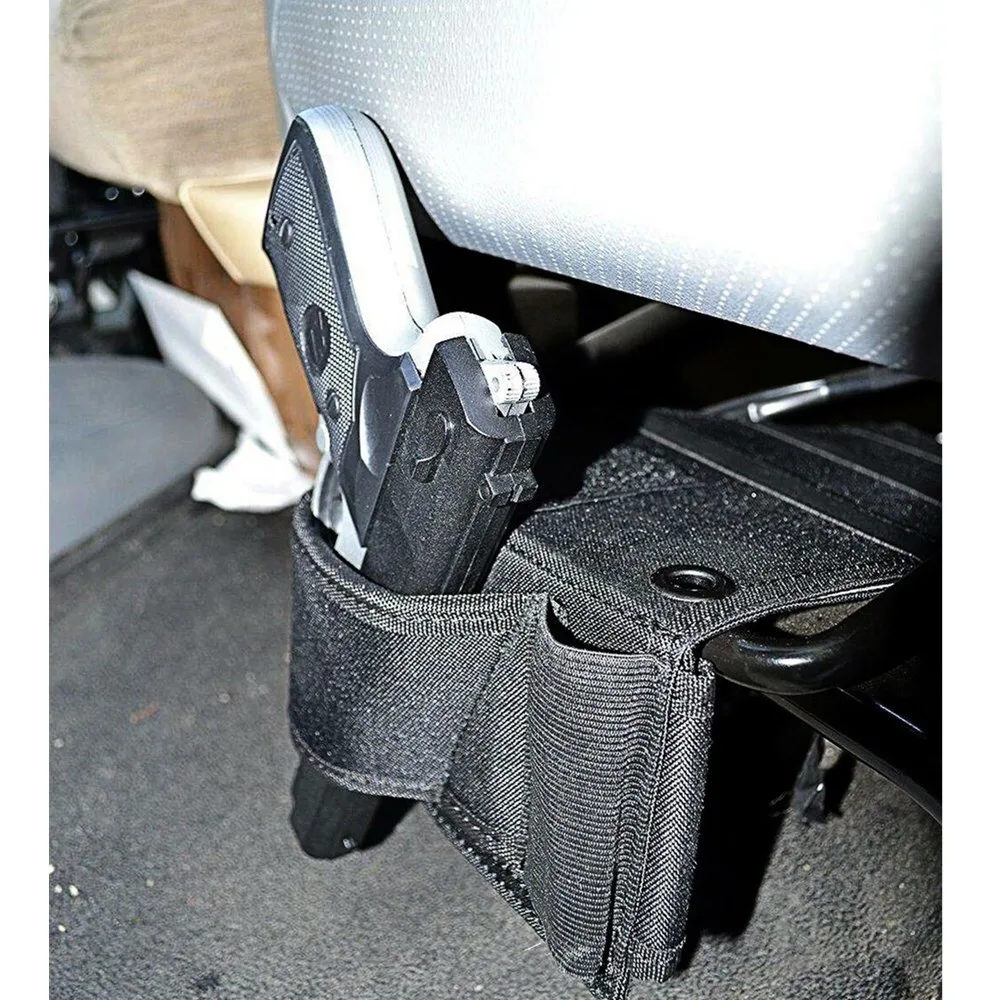
Image source: Bing (Web (fair-use with source credit))
Legal Variables to Consider
When you're behind the wheel, your firearm's legal status can change depending on your jurisdiction. What's perfectly legal in your home state might be a violation as soon as you cross a state line, or even enter a different county. This is why understanding state and local firearm carry laws is the absolute first step.
- Permit Reciprocity: If you have a concealed carry permit, you need to know which states honor it. Many drivers unknowingly violate laws when traveling.
- Vehicle Access: Some laws distinguish between carrying on your person versus carrying in a vehicle. A firearm secured in a locked case might be legal even where carrying on your person is restricted.
- Prohibited Places: Even with a permit, certain areas within vehicles (like school buses or federal buildings) may be off-limits.
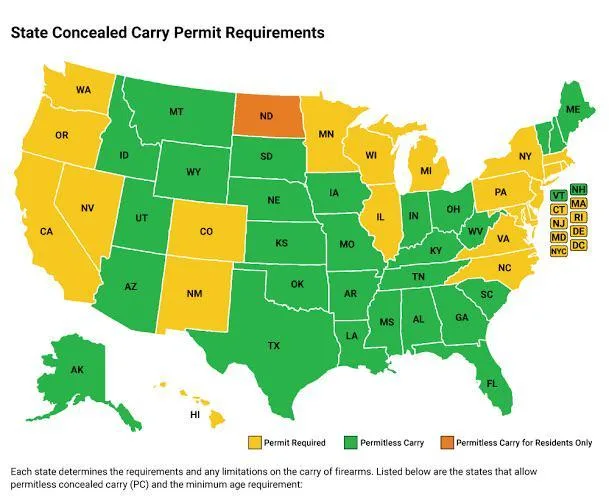
Image source: Web (Bing) / mapsontheweb.zoom-maps.com (Web image (fair-use with source credit))
Vehicle Type and Your Carry Rights
The type of vehicle you're driving can also affect your firearm carry rights. For instance, laws might differ for operating a personal vehicle versus a commercial truck or a company car. A common point of confusion arises with commercial vehicles, as they can sometimes fall under different federal regulations or company policies that prohibit firearms, regardless of state law.
- Company Vehicles: If you drive a company car, always check your employer's policy. Many prohibit firearms.
- Commercial Vehicles: Federal laws and transportation regulations can impact how and if you can carry a firearm in commercial transport.
- Rental Cars: Carrying in rental cars can be a grey area. While legal in your state, the rental company's policy or the car's previous usage could present issues.
Choosing the Right Holster for Your Vehicle
Selecting the correct holster for driving is about balancing accessibility with safety and comfort. It's not just about carrying; it's about carrying responsibly in a confined, dynamic space. You need a holster that keeps your firearm secure when you need it, but also doesn't become a hazard itself.
The effectiveness of a holster while driving depends heavily on its design and where you position it. A holster that works well for everyday walking might pinch or become inaccessible when you're seated. Manufacturer specifications often highlight retention levels and draw accessibility, which are critical factors for vehicle carry.
For example, a holster with active retention might be ideal to prevent the firearm from dislodging, but it must also allow for a smooth draw.
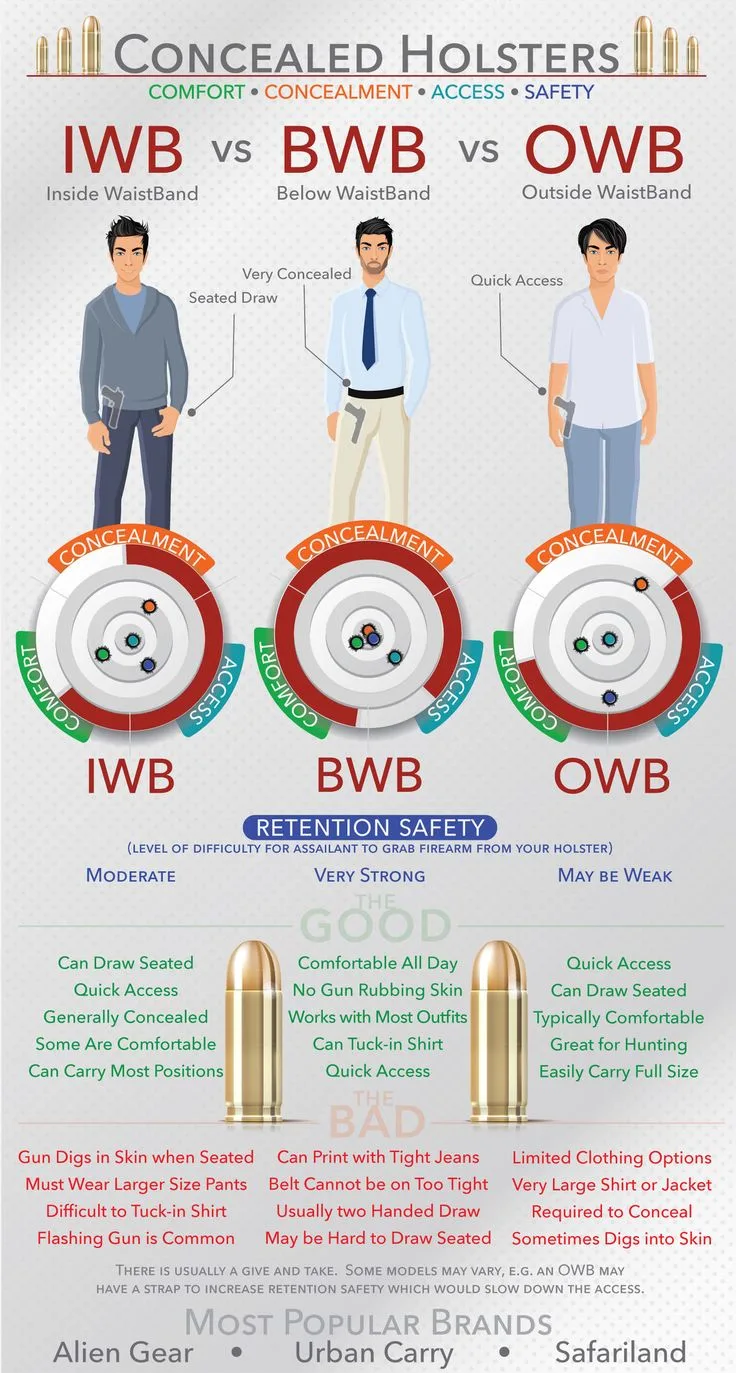
Image source: Web (Bing) / pinterest.com (Web image (fair-use with source credit))
Holster Styles That Work (and Which Ones Don't)
Not all holsters are created equal when it comes to vehicle carry. Some designs are simply not conducive to a seated position.
- Good Options:
- Appendix Holsters (AIWB): When positioned correctly, these can offer good concealment and accessibility from a seated position.
- Strong-Side Hip Holsters (OWB/IWB): These can work if they don't dig into your hip or seat. Positioning is key; you might need to cant it slightly forward.
- Specialized Car Holsters: These often mount to the dashboard or console and provide a dedicated, accessible spot for your firearm.
- Challenging Options:
- Shoulder Holsters: These can be uncomfortable and awkward to draw from when seated, often getting tangled with seatbelts.
- Ankle Holsters: Generally impractical for drawing while seated in a car.
- Cross-Draw Holsters: Can be difficult to draw from due to the steering wheel and seatbelt.
Concealment vs. Accessibility While Seated
There's a constant tension between concealing your firearm and being able to access it quickly if needed while driving. Your holster plays a critical role here. An overly bulky holster might conceal well but be difficult to draw from.
Conversely, a holster designed for quick draws might make "printing", the outline of your firearm showing through clothing, more noticeable.
- Printing: This is a major concern for concealed carriers. The holster, firearm, and your clothing all contribute to how visible your firearm is.
- Draw Stroke: Practice drawing from your seated position with your chosen holster. Does the seatbelt impede your draw? Does the firearm snag on the holster or your clothing?
- Retention: Ensure your holster has adequate retention. You don't want your firearm shifting or falling out when you make a sudden maneuver.
Safety First: Avoiding Common Driving Holster Mistakes
Driving with a holstered firearm introduces unique safety challenges that don't exist when you're standing or walking. The confined space, the presence of a seatbelt, and the motion of the vehicle all create potential pitfalls if you're not careful. Prioritizing safety means being aware of these risks and taking deliberate steps to mitigate them.
Accidental discharges can happen if a firearm is not properly secured or if the holster itself is compromised. For instance, the act of buckling or unbuckling a seatbelt could potentially snag on a firearm or holster, leading to an unintended consequence. Manufacturer specifications for holsters often include guidance on safe handling and retention, which is crucial to review.
Accidental Discharge Risks in the Car
The risk of an accidental discharge increases in the confined space of a vehicle. A firearm not properly seated in its holster, or a holster with insufficient retention, could allow the trigger to be exposed or even allow the firearm to fall.
- Trigger Exposure: If your holster doesn't adequately cover the trigger guard, the trigger could be depressed by something in the car, such as shifting your weight or a stray object.
- Firearm Dislodging: Sharp turns, braking, or even just adjusting your seating position can cause a poorly fitted firearm to shift in its holster, potentially leading to an accidental activation or the firearm becoming unsecured.
- Seatbelt Snag: A seatbelt can easily get caught on a pistol grip or the holster itself, posing a risk during drawing or even when simply entering or exiting the vehicle.
Drawing Safely from a Seated Position
Drawing your firearm while seated in a car requires a different technique than drawing from a standing position. It's often more restricted and can be complicated by the steering wheel, seatbelt, and the limited space to maneuver.
- Practice Your Draw: Regularly practice drawing your firearm from your seated position. This helps build muscle memory and identify potential snags or difficulties.
- Maintain Grip: Ensure you have a firm, consistent grip on the firearm throughout the draw stroke.
- Clear the Space: Before attempting a draw, be aware of your surroundings, including any passengers and the steering wheel. Ensure your path to a firing grip is clear.
When a Holster Might Not Be the Best Option
While wearing a holster while driving might seem like the most convenient way to carry, it's not always the safest or most legal option. There are specific situations and environments where alternative storage methods or even choosing not to carry might be the wiser course of action. It's about understanding the full picture beyond just having a holster.
Consider environments where carrying a firearm is heavily restricted or outright prohibited. In such cases, even if your local laws permit carry in a vehicle, the destination itself might be a "gun-free zone" where carrying any firearm is illegal. Federal regulations, such as those pertaining to carrying firearms near schools, can create complex legal webs for travelers.
Alternative Secure Storage Methods
If direct carry in a holster while driving presents legal or safety concerns, there are other ways to transport a firearm securely. These methods are often favored for their ability to comply with stricter regulations or for added security.
- Locked Cases: A hard-sided, locked case is often required by law in many jurisdictions for transporting firearms. These cases prevent unauthorized access and can be secured within the vehicle.
- Vehicle Safes: Small, bolted-down safes offer a high level of security for firearms and other valuables within a vehicle. They are designed to deter theft and are a common choice for long-term vehicle storage.
- Console or Trunk Storage: Depending on local laws, storing an unloaded firearm in a locked container in the trunk or a locked center console might be permissible where carrying on your person is not.
Understanding Permissive vs. Non-Permissive Environments
The environment you're traveling through, and your destination, are just as critical as the laws governing your route. A "permissive environment" is one where carrying a firearm is generally accepted or legally protected. A "non-permissive environment" is the opposite, where firearms are restricted or banned.
- Federal Buildings: Carrying firearms into federal courthouses or other federal facilities is strictly prohibited, often with severe penalties.
- Schools: Federal laws, like the Gun-Free School Zones Act, place significant restrictions on carrying firearms near educational institutions.
- Airports: Firearms are generally prohibited in secure areas of airports and on commercial aircraft unless declared and stored according to specific regulations.
Practical Tips for Carrying Concealed in Your Vehicle
Carrying a holstered firearm in your vehicle requires careful consideration of both legal requirements and practical safety. It's not just about having a concealed carry permit; it's about ensuring your setup is safe, legal across jurisdictions, and allows for responsible handling. Here are some key tips to keep in mind as you prepare for your journey.
When selecting your carry method, always prioritize a holster that fits your firearm perfectly, offering good retention without making drawing difficult. Aggregate reviews from experienced concealed carriers often highlight the importance of a holster that can withstand the pressures of being seated for extended periods without compromising comfort or safety. As of 2026, many firearm manufacturers, like Glock or Smith & Wesson, offer official holster lines designed to complement their firearms.
- Know Your Laws: Before you drive anywhere, especially out of state, research the firearm laws of every state you'll be traveling through. The Bureau of Alcohol, Tobacco, Firearms and Explosives (ATF) provides information on federal firearms laws, but state-specific rules are paramount.
- Secure Your Firearm: Ensure your holster keeps your firearm securely in place, even during sudden stops or turns. The trigger must always be covered.
- Practice Your Draw: Regularly practice drawing your firearm from your seated position in the car. This helps you identify potential snags with seatbelts or clothing and builds muscle memory.
- Consider Holster Placement: Experiment with different holster positions on your body while seated to find what offers the best balance of concealment, comfort, and ease of access.
- Check Your Firearm: Before and after driving, perform a function check of your firearm. Ensure it's loaded only if you intend for it to be, and that it's properly seated in the holster.
- Be Mindful of Passengers: If you have passengers, especially children, take extra precautions to ensure the firearm is inaccessible to them and that its presence doesn't cause undue alarm.
- Empty Vehicle vs. On-Person: Understand the legal differences between carrying a firearm on your person versus transporting it unloaded in a locked container in your vehicle. This distinction is critical for compliance.
- Holster Material Matters: Kydex and leather are common holster materials. Kydex offers excellent retention and durability, while leather can be more comfortable but may require more maintenance and might not offer the same level of trigger protection.
- Seatbelt Safety: Always be aware of how your seatbelt interacts with your holster and firearm. A snagged seatbelt can create a dangerous situation during a draw or even cause the firearm to shift.
FAQs About Holsters and Driving
How do I legally carry a holstered firearm while driving in a state that honors my permit?
If your concealed carry permit is valid in the state you're driving through, you can generally carry your holstered firearm on your person as you would normally. However, always confirm there are no vehicle-specific restrictions that might apply, such as laws requiring the firearm to be unloaded and secured in a separate case.
What are the biggest safety risks of carrying a holstered firearm while driving?
The primary risks include accidental discharge due to a compromised trigger guard or snagging the firearm on a seatbelt. Difficulty in drawing safely from a confined, seated position and potential legal violations due to changing state laws are also significant concerns.
Can I carry a holstered firearm in a rental car?
Legally, if your permit is valid in that state, you can carry. However, rental car companies may have their own policies prohibiting firearms. It's advisable to check with the rental agency and ensure any firearm is transported in compliance with all applicable laws, ideally unloaded and in a locked case.
What should I do if I cross state lines with a holstered firearm?
You must immediately be aware of and comply with the firearm laws of the new state. If your permit is not honored, you may need to secure your firearm unloaded in a locked container in the trunk. Consult resources like the ATF or state government websites before traveling.
Is it safe to draw my firearm from a holster while driving if I'm being carjacked?
Drawing a firearm from a holster while seated in a vehicle, especially under duress, is extremely difficult and carries significant risk of accidental discharge or the firearm being lost. In such high-stress situations, securing the firearm in a locked container might be a safer alternative for transport if immediate carry is not legally permissible or practically advisable.



One Comment on “Can You Wear a Holster While Driving?”