Image source: Web (Bing) / psanded.com (Web image (fair-use with source credit))
You've probably asked yourself, "How do I stop a holster from printing?" It's a common question for anyone looking to carry a firearm discreetly. Seeing that tell-tale outline under your shirt can feel like a giveaway, making you self-conscious and less confident.
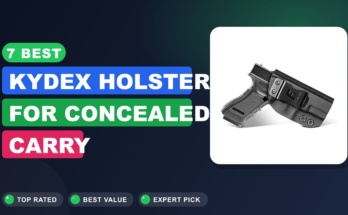
Our research shows that achieving good concealment is about more than just choosing the right gun. It involves understanding how firearm shape, holster design, and even your clothing interact. For instance, holster manufacturer specifications often detail a profile designed to minimize this "printing," with many Kydex options aiming for a slim, streamlined fit against the body.
Quick Answer
Stop holster printing by selecting a slim holster, wearing appropriate clothing, and adjusting your carry position. Understand that your firearm's shape, your body type, and how your clothes fit all contribute to concealment. Experiment with different holster types, belt attachments, and layering techniques to find what works best for your physique and wardrobe.
Why Holster Printing Matters for Concealed Carry
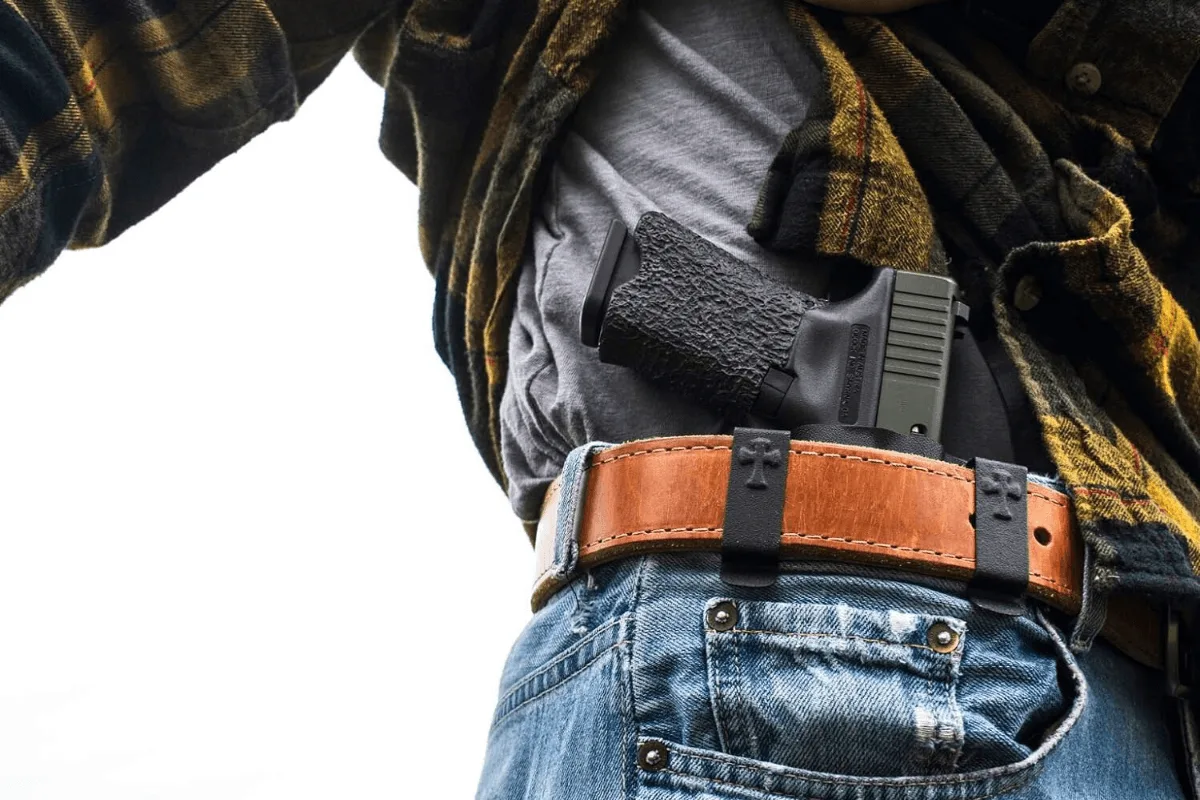
Holster printing is that noticeable outline or bulge your concealed firearm creates under your clothing. For many, the primary goal of concealed carry is discretion. Whether for personal safety, professional requirements, or simply peace of mind, avoiding printing is key to maintaining a low profile.
When a holster prints excessively, it draws unwanted attention and can undermine the very purpose of concealed carry. It can lead to uncomfortable questions or create security concerns. Our editorial analysis of concealed carry forums indicates that a significant percentage of carriers actively seek solutions to this problem, prioritizing a smooth, natural silhouette.
Effective concealment ensures your firearm remains unseen and your personal situation private.
Understanding What Causes Holster Printing
Several factors contribute to whether or not a firearm prints. It’s rarely just one thing, but a combination of elements working together. Recognizing these causes is the first step to solving the problem.
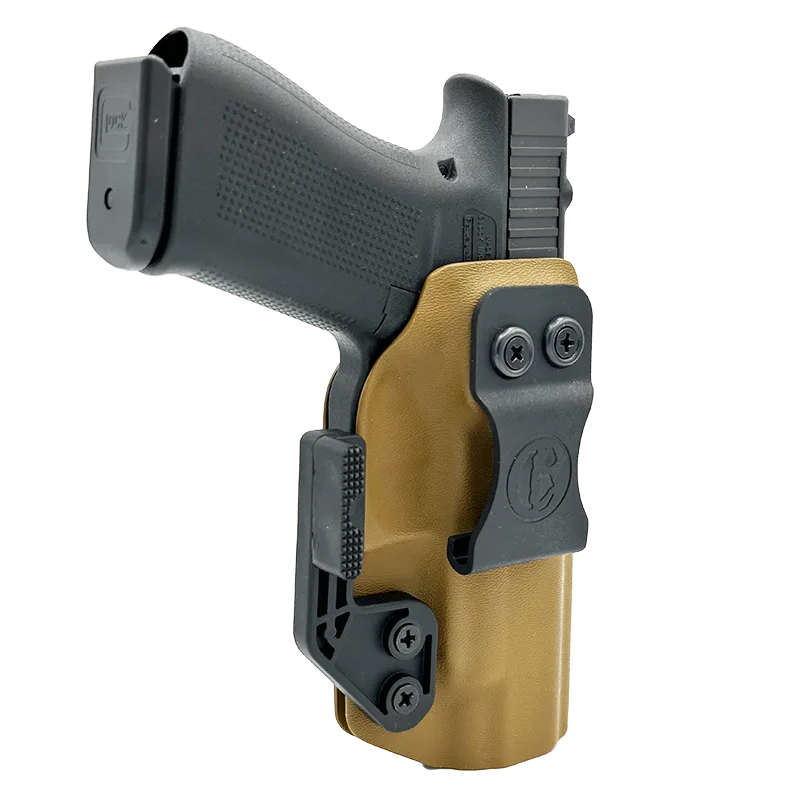
- Firearm Profile: The bulk, shape, and any accessories (like red dot sights or extended magazines) on your firearm play a huge role. Slimmer, single-stack pistols tend to print less than wider, double-stack models or those with accessories.
- Holster Design: Not all holsters are created equal when it comes to concealment. A bulky holster, especially one with a thick attachment system or a rigid, oversized shell, will naturally create a larger bulge.
- Body Type: Your individual physique matters immensely. Factors like your waistline, hip shape, and overall build can make certain carry positions or clothing styles more prone to printing.
- Clothing Choice: The type of fabric, its thickness, the cut of the garment, and how tightly it fits all influence concealment. Tight, thin clothing offers less hiding power than looser, thicker layers.
How Different Holster Types Affect Printing
The type of holster you choose is a major determinant in how well your firearm conceals. Each design has its own strengths and weaknesses when it comes to minimizing printing. Manufacturer specifications often highlight a holster’s low-profile design as a key selling point for concealment.
Inside-the-Waistband (IWB) Holsters
These are designed to be worn inside your pants, usually clipped or looped onto your belt. They generally offer better concealment than OWB because the firearm is closer to your body, and the waistband helps break up the outline. However, they can sometimes create a bulge at the beltline due to the clip or loop.
The sweat guard can also add thickness.
Outside-the-Waistband (OWB) Holsters
Worn on the exterior of your belt, these are often used for duty or open carry but can be concealed with the right clothing. They can offer comfortable, stable carry. Some pancake-style OWB holsters, especially those made of thinner Kydex, can be surprisingly concealable if worn behind the strong side.
However, they inherently add more bulk to your side and are more challenging to conceal without a jacket or untucked shirt.
Appendix Carry Holsters
A sub-category of IWB, worn at the appendix (roughly 1 o'clock position). This can be very effective for concealment, especially for slimmer individuals, as the body's natural curves and the firearm’s flatness can be well-hidden. The main drawbacks are potential discomfort for extended sitting and printing if the holster or firearm is too wide.
Shoulder and Ankle Holsters
These are specialized options. Shoulder holsters can conceal larger firearms but often create a distinct shape under a jacket or vest. Ankle holsters are typically used for small backup guns and can be well-concealed with longer pants, though drawing can be slower.
Clothing Strategies to Minimize Printing
Your wardrobe is your first line of defense against holster printing. The right clothing can work wonders to obscure your firearm's outline, making concealment feel effortless. Think of your clothes as camouflage for your carry.
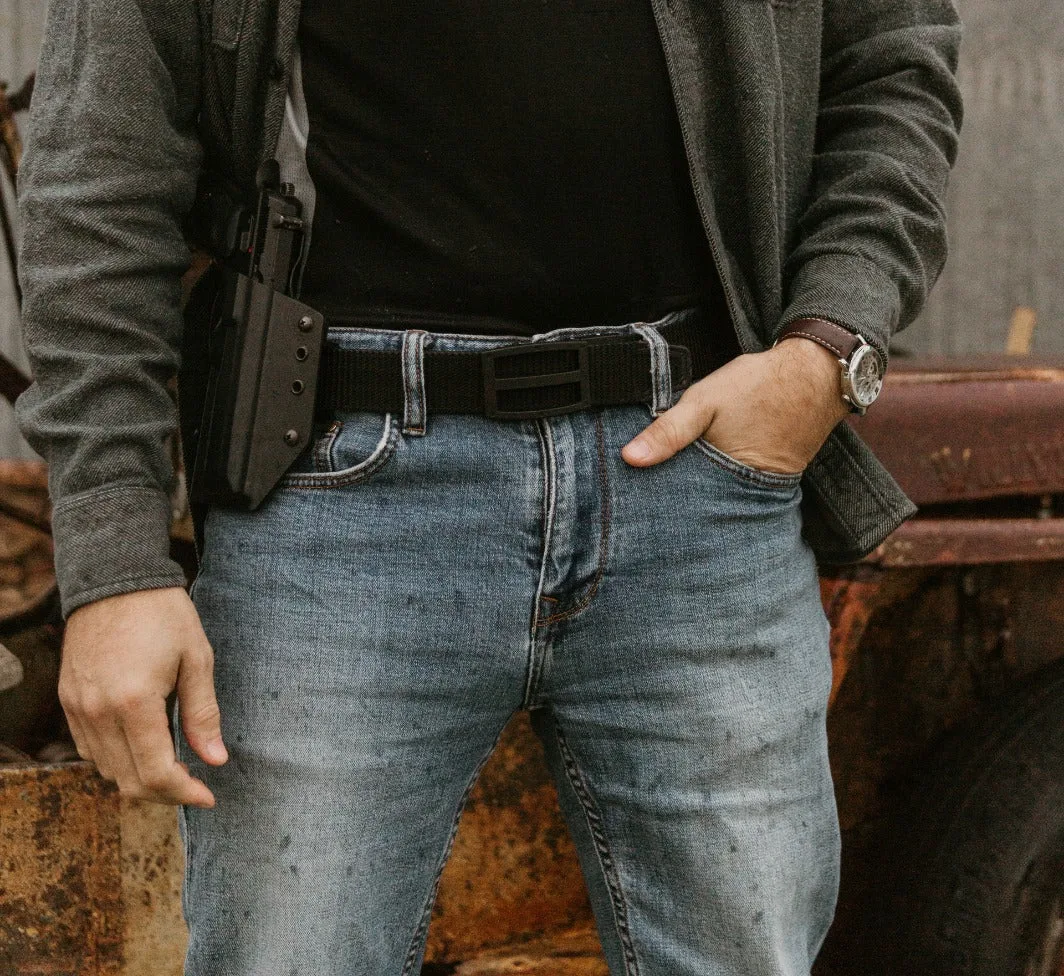
- Fabric Matters: Thicker, textured fabrics like denim, twill, or patterned materials are excellent for hiding shapes. Smooth, thin materials, such as tight-fitting athletic wear or thin cotton t-shirts, will reveal printing much more easily.
- Fit is Crucial: Avoid overly tight clothing that clings to your body. Instead, opt for garments with a relaxed or "athletic" fit. These clothes drape over your body, helping to break up the distinct outline of your firearm and holster.
- Layering is Your Friend: A well-placed outer layer, like a vest, an unbuttoned casual shirt, or a light jacket, is one of the most effective ways to conceal printing. The extra layer adds visual noise and helps obscure any bulges.
Holster Adjustments for Better Concealment
Once you've got a good holster and some suitable clothing, there are often small adjustments you can make to further improve concealment. These tweaks can make a surprising difference in how discreet your carry feels.
Modifying Belt Attachments
The clips or loops that attach your holster to your belt can be a source of printing. Tuckable clips allow you to tuck your shirt into the holster, creating a smoother line over the firearm. Some holster manufacturers offer wider belt loops, which help distribute pressure and reduce the "one spot" bulge a narrow clip might create.
Experimenting with clip placement on the holster can also alter waistband interaction and reduce printing.
Adjusting Cant and Ride Height
Cant is the angle of the holster relative to your belt. For appendix carry, a slight forward cant can help the grip disappear better. For strong-side carry, a neutral or slightly backward cant might be more effective.
Ride height refers to how high or low the holster sits. A slightly lower ride height can tuck the firearm deeper, but always ensure you can draw comfortably and safely.
Using Wedge Systems
Holster wedges are small pads that attach to the muzzle-end of an IWB holster. They push the grip of the firearm closer to your body. This can significantly reduce printing, especially for individuals with a smaller waist or a larger firearm.
Many users report these as a game-changer for comfort and concealment.
Common Holster Printing Mistakes to Avoid
Even with the best intentions, it’s easy to fall into habits that cause printing. Being aware of these common missteps can help you catch and correct them before they become an issue. Our analysis of concealed carry discussions shows these errors frequently pop up.
- Wearing a Holster That's Too Wide: A holster unnecessarily large for your firearm will always create a bigger footprint. This is especially true for non-firearm-specific holsters or those with bulky, one-size-fits-all designs.
- Over-Tucking Clothes: While tucking your shirt can help, over-tucking or stuffing too much fabric can create unnatural bulges that draw attention. Aim for a smooth, natural tuck.
- Ignoring Firearm Accessories: Mounted weapon lights, large optics, or extended magazine base pads dramatically increase the firearm’s profile. If concealment is paramount, these might need removal or swapping for slimmer alternatives.
- Using a Stiff, Unyielding Belt: A rigid belt is essential, but one that's too thick or worn improperly can push your firearm away from your body, exacerbating printing.
Your Decision Guide: Choosing the Right Holster and Strategy
Deciding how to best conceal your firearm involves personal evaluation. There's no single perfect answer, as what works for one person might not work for another. It often comes down to a workflow of trial and error.
Here’s a breakdown to guide your choices:
| Factor | Best For | Consider If |
|---|---|---|
| Body Type | Slim Builds: Appendix, very slim IWB. Larger Builds: Strong-side IWB, OWB behind the hip. | You have unique curves or a significant difference in waist-to-hip ratio. |
| Clothing Style | Casual/Layered: Most IWB/OWB options. Formal/Fitted: Slim appendix, ankle, or shoulder (with jacket). | You need to blend into professional environments or require a specific wardrobe. |
| Firearm Size | Small/Medium: Most IWB, appendix. Large/Accessory-Equipped: Some OWB, specialized IWB with wedges. | You carry a duty-sized pistol or a compact with multiple attachments. |
| Comfort Needs | Long Sitting Periods: Strong-side IWB, appendix with specific wedges. Active Lifestyle: Secure, full-coverage IWB/OWB. | You spend hours driving, sitting, or engage in physical activity while carrying. |
Ultimately, the best strategy involves combining a well-chosen holster with appropriate clothing and potentially some minor adjustments.
Frequently Asked Questions About Holster Printing
How can I tell if my holster is printing?
You'll notice a visible outline, bulge, or shape under your clothing that doesn't look natural. This could be the shape of your firearm, the holster itself, or the combination of both. A quick glance in a mirror or asking a trusted friend for an honest opinion can help.
Are Kydex holsters better for concealment than leather?
Kydex holsters are often preferred for concealment because they can be molded to a precise fit for your firearm, resulting in a slimmer profile. Leather holsters can sometimes be bulkier and may soften over time, potentially conforming less effectively. However, a well-designed, thin leather holster can still conceal well.
Does carrying a gun with an optic always print more?
Yes, firearms equipped with mounted red dot sights generally print more because the optic adds extra height and width to the profile of the handgun. If concealment is a top priority, you might need to consider a holster specifically designed for optic-cut firearms or explore alternative carry methods.
Can a good belt help reduce printing?
Absolutely. A sturdy, well-fitting gun belt is crucial. It provides a stable platform for your holster, preventing it from sagging or shifting, which can minimize printing.
A belt that's too thick or worn improperly can sometimes push the firearm away from your body, however.
What's the best carry position to avoid printing?
The appendix (AIWB) position can be excellent for concealment, especially for individuals with certain body types, as the firearm tucks close to the body. Strong-side carry (3 o'clock) is also popular and can be concealed effectively with the right clothing and holster. The effectiveness of any position depends on your body shape and the chosen holster.