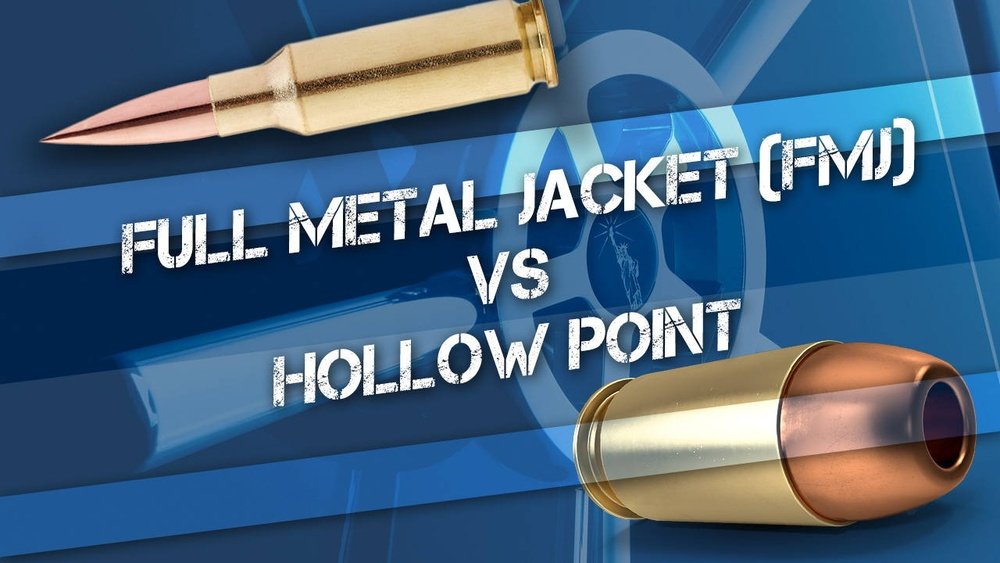
When it comes to choosing 9mm ammo, you might feel overwhelmed by the terms Full Metal Jacket (FMJ) and Hollow Point (HP). You want to pick the right bullet for your needs, whether it’s for target practice, self-defense, or something else.
But what exactly makes FMJ and Hollow Point different? Understanding these differences can help you make smarter decisions, improve your shooting experience, and even keep you safer. Keep reading, and you’ll discover the key features, benefits, and drawbacks of each type—so you can find the perfect match for your ammo needs.
Full Metal Jacket Ammo
Full Metal Jacket (FMJ) ammo is a popular choice for many shooters. It has a simple design that makes it reliable and consistent. This type of bullet works well in many situations, from target practice to training sessions.
Design And Construction
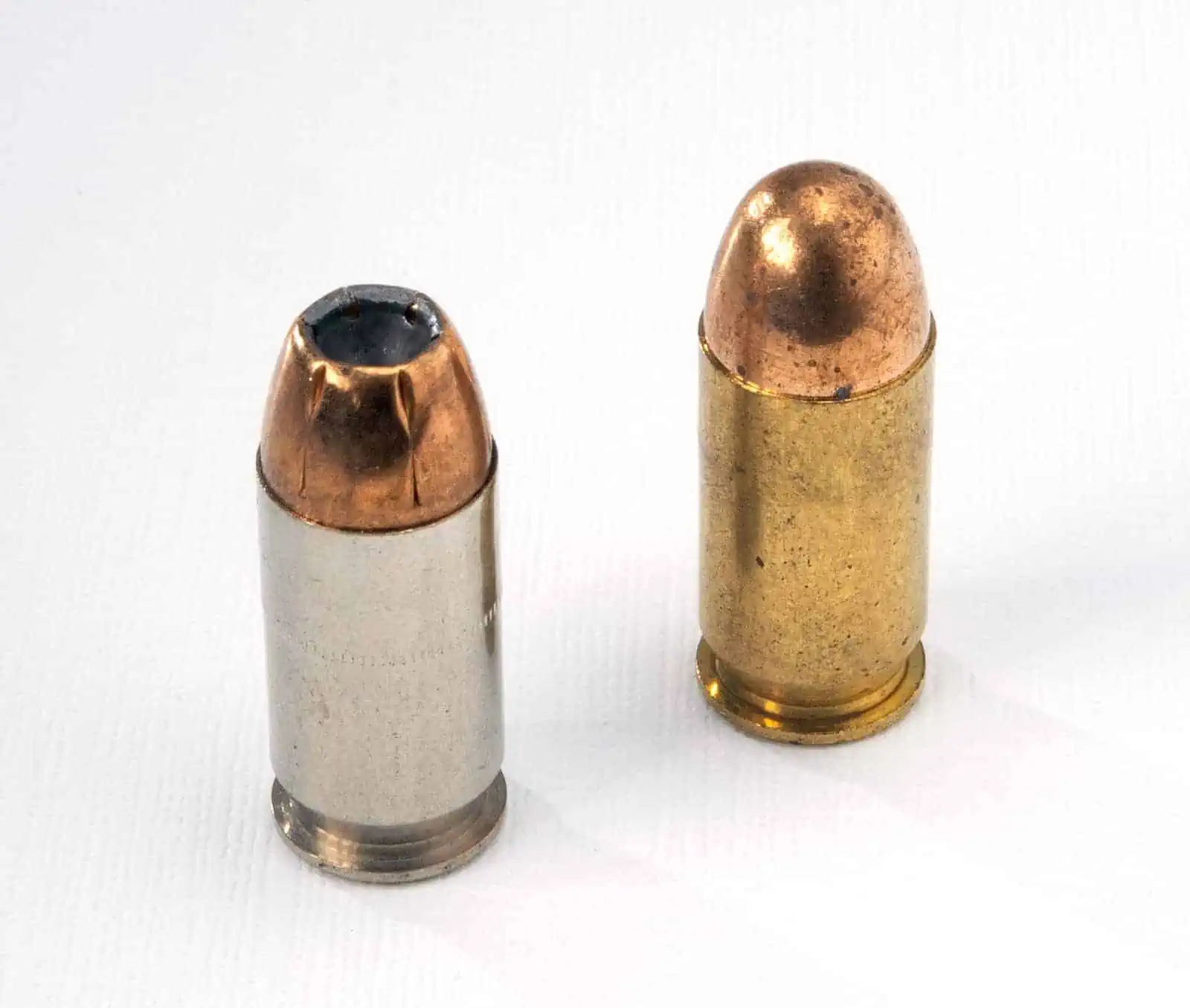
FMJ bullets have a soft lead core inside. The core is covered by a hard metal shell, usually made of copper or a copper alloy. This jacket covers the entire bullet except the base. The metal jacket helps the bullet keep its shape during firing and when it hits a target. This design reduces barrel fouling and improves feeding in semi-automatic guns.
Performance Characteristics
FMJ ammo travels fast and stays stable in flight. It penetrates targets deeply because of its hard outer layer. The bullet does not expand much on impact. This means it makes a small wound channel but goes through the target easily. FMJ rounds are less likely to deform or break apart.
Common Uses
Many people use FMJ ammo for target shooting and practice. It is affordable and widely available. Military and law enforcement also use FMJ rounds for training and duty. It is not the best choice for self-defense because it may not stop a threat quickly. But FMJ is great for learning and improving shooting skills.
Hollow Point Ammo
Hollow point ammo is a popular choice for many shooters. It is designed to expand upon impact. This expansion causes more damage to the target. Hollow point bullets offer a different performance than full metal jacket rounds. Understanding their features helps in choosing the right ammo.
Design And Construction
The bullet tip has a hollowed-out shape. This cavity allows the bullet to expand after hitting a target. The outer shell is made of lead or a lead core. It is covered by a thin metal jacket. This jacket holds the bullet together during firing. The hollow point design helps control how the bullet expands.
Performance Characteristics
Hollow point bullets expand and slow down inside the target. This reduces the risk of over-penetration. The expansion creates a larger wound channel. It increases the bullet’s stopping power. This ammo is less likely to pass through the target. It transfers energy more efficiently to the target.
Common Uses
Hollow point ammo is popular for self-defense. Law enforcement agencies often use it. It is also common for home protection. Hunters use hollow points for small to medium game. The expansion helps ensure a quick and humane kill. Target shooting with hollow points is less common due to cost.
Ballistic Differences
The ballistic differences between Full Metal Jacket (FMJ) and Hollow Point (HP) 9mm ammo are important. These differences affect how the bullet behaves after firing. Understanding penetration, expansion, and accuracy helps choose the right ammo for different needs.
Penetration
FMJ bullets penetrate deeper because of their solid, smooth shape. They can pass through barriers and targets without much change. HP bullets penetrate less deeply. Their hollow tips slow them down and stop them inside the target. This reduces the risk of over-penetration and harm beyond the target.
Expansion
HP bullets expand on impact. Their hollow tip causes the bullet to open up and create a larger wound channel. This expansion increases stopping power. FMJ bullets do not expand. They keep their shape and create a smaller wound channel. This makes FMJ less effective for stopping threats quickly.
Accuracy
Both FMJ and HP ammo offer good accuracy for target shooting. FMJ bullets fly straight because of their uniform shape. HP bullets can be slightly less accurate due to their hollow tip. But modern HP designs improve accuracy significantly. Both types work well for most shooters.

Legal And Practical Considerations
Choosing between Full Metal Jacket (FMJ) and Hollow Point (HP) 9mm ammo involves more than ballistics. Legal and practical factors shape their use. Understanding these aspects helps in making the right choice.
Legality In Various Regions
Some places restrict hollow point ammo. They view it as more lethal than FMJ. Laws vary widely by state and country. Always check local rules before buying or carrying ammo.
Full Metal Jacket rounds are often allowed for all uses. They are common for training and target shooting. Hollow points face limits, especially for hunting or self-defense.
Self-defense Applications
Hollow point ammo expands on impact. This reduces the risk of over-penetration. It can stop threats faster and safer. Many law enforcement officers prefer HP for this reason.
FMJ rounds may pass through targets. This can be dangerous in crowded places. They are less effective for stopping attackers quickly. Still, some prefer FMJ for reliability in handguns.
Training And Range Use
Full Metal Jacket ammo costs less than hollow points. This makes FMJ the top choice for practice. It feeds well in most guns and shoots cleanly.
Hollow points are more expensive and less common at ranges. They may cause more barrel fouling. Using FMJ helps shooters save money and maintain guns better.
Choosing The Right Ammo
Choosing the right 9mm ammo is important for safety and performance. Different ammo types serve different needs. Knowing how full metal jacket (FMJ) and hollow point (HP) bullets differ helps pick the best option. Consider the purpose, environment, cost, and personal preference.
Purpose And Environment
FMJ ammo is best for target practice and training. It feeds well in most guns and is less expensive. HP ammo is designed to expand on impact. It is ideal for self-defense and hunting. The environment also matters. Indoor ranges may require specific ammo types. Outdoor use allows more flexibility.
Cost And Availability
FMJ ammo usually costs less than hollow points. It is easier to find in most stores. HP ammo is pricier because of its design. It may not always be in stock. Budget and access to ammo should influence choice.
Personal Preference
Some shooters prefer FMJ for reliability and price. Others choose HP for stopping power and safety. Comfort with recoil and gun function also affect the decision. Testing different ammo types helps find the right fit.

Frequently Asked Questions
What Are The Key Differences Between Fmj And Hollow Point Ammo?
Full Metal Jacket (FMJ) bullets have a solid metal casing, causing deeper penetration. Hollow Point (HP) bullets expand on impact, creating larger wounds and reducing over-penetration risks.
Which Ammo Type Is Better For Self-defense?
Hollow Point ammo is preferred for self-defense due to its expansion, minimizing collateral damage. FMJ is less effective as it penetrates without expanding, increasing risk to bystanders.
Does Fmj Ammo Penetrate Targets More Than Hollow Points?
Yes, FMJ bullets penetrate deeper because they do not expand. Hollow Points expand upon impact, causing more tissue damage but less penetration beyond the target.
Are Hollow Point Bullets More Expensive Than Fmj?
Typically, Hollow Point ammo costs more due to its complex design. FMJ rounds are cheaper and commonly used for training and target practice.
Conclusion
Choosing between Full Metal Jacket and Hollow Point 9mm ammo depends on your need. FMJ rounds are great for target practice and penetration. Hollow Points expand on impact, causing more damage and stopping power. Safety and purpose matter most in your ammo choice.
Understand each type’s strengths before making a decision. This helps you stay prepared and effective. Always follow local laws and safety rules when handling ammo. Your knowledge makes a big difference in shooting accuracy and safety.