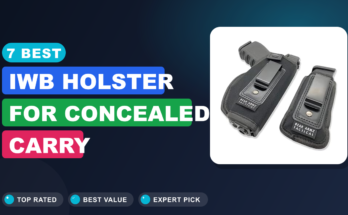
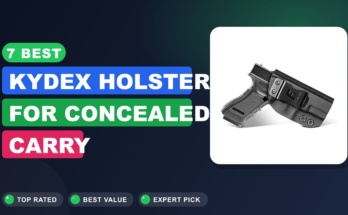
Are you tired of that uncomfortable, damp feeling every time you carry? Learning how to prevent holster sweat is key to staying comfortable and protecting your gear. That persistent moisture can make carrying a firearm a genuinely unpleasant experience.
We've compiled practical, research-backed strategies to help you manage sweat effectively. This guide focuses on understanding the causes and implementing the best solutions, ensuring your carry experience is as dry and comfortable as possible, regardless of your environment.
Quick Answer
You can prevent holster sweat by using breathable holster materials, adding sweat guards, wearing moisture-wicking undershirts, and cleaning your gear regularly. Assess your environment and activity level to choose the best strategy for you. This approach helps manage body heat and moisture buildup effectively.
First Off: What's Causing That Annoying Holster Sweat?
That unwelcome dampness boils down to a few key factors working together. Your body naturally produces sweat to regulate its temperature, especially when you're active or in warm conditions. This sweat gets trapped between your skin, your clothing, and the holster material.
Friction from movement can exacerbate this, pushing the moisture into every crevice.
Understanding the Moisture Cycle
The cycle begins with your body’s heat. As your core temperature rises, perspiration increases. This moisture then gets absorbed or trapped by the materials closest to your skin and the firearm.
If these materials aren't designed for breathability or moisture wicking, the sweat has nowhere to go.
Sweat Trapping: The Core Problem
The primary issue is that many common holster designs and materials don't allow for adequate airflow. Materials like standard leather or non-perforated synthetics can act like a barrier, effectively holding sweat against your body. This creates a humid microclimate right where you don’t want one.
For example, manufacturer specifications for some non-breathable synthetic holsters indicate a higher potential for moisture retention without proper ventilation features.

Image source: Web (Bing) / vectorstock.com (Web image (fair-use with source credit))
Your Personalized Sweat Prevention Plan: A Workflow
Preventing holster sweat isn't a one-size-fits-all fix. The most effective approach is to treat it like a workflow, where you first identify your specific needs and then apply the right solutions. Think of it as a diagnostic process for your carry comfort.
Step 1: Assess Your Carry Environment & Activity Level
Before you can solve the sweat problem, you need to understand your personal context. Be honest about where and how you carry.
- Climate: Do you regularly experience high temperatures and humidity? This is a major factor.
- Activity: Are you in a physically demanding job or do you engage in activities like running, hiking, or intense training while carrying?
- Daily Routine: Is your typical day mostly sedentary, or are you constantly on the move? Even sitting at a desk can lead to sweat buildup in certain conditions.
Step 2: Choose Your Strategy Based on Your Assessment
Once you've got a clear picture of your situation, you can start matching solutions.
Hot & Humid Climate / High Activity Solutions
If you're in a consistently warm and humid environment, or if you’re physically active, you need gear that actively manages moisture. This means prioritizing breathability and wicking capabilities. Options include holsters made with perforated materials, designs that incorporate ventilation, or adding specialized pads.
Wearing high-performance, moisture-wicking undershirts is also crucial here.
Sedentary Day Sweat Management
For those who carry throughout a typical workday with less intense physical activity, occasional sweat is the main concern. The focus shifts to preventing buildup and managing dampness when it occurs. Regular cleaning of your holster and firearm, along with ensuring your holster has a reasonable fit, can significantly help.
Sometimes, simpler solutions like air drying your gear thoroughly between uses are sufficient.
General Tips for Everyone
Regardless of your specific environment, a few practices benefit everyone. Staying well-hydrated helps regulate your body temperature, which can reduce overall sweating. Ensuring your holster provides a secure and proper fit for your firearm is also essential; a loose holster can increase friction and therefore sweat.
Step 3: Consider Material and Design Choices
The type of holster you use makes a huge difference.
- Breathable Materials: Look for holsters made from materials designed to let air circulate.
- Sweat Guards: These integrated features can be a game-changer for blocking sweat.
- Pads and Liners: Aftermarket accessories can add a layer of comfort and moisture management.
Choosing the Right Gear: Holster Materials & Features
The materials and design of your holster play a critical role in how well it manages moisture. Some choices are far better at preventing sweat buildup than others, directly impacting your comfort and the condition of your firearm.
Breathable Holsters vs. Moisture Trapping Designs
The goal is to keep sweat away from your body and your gun. Materials that allow air to pass through, or designs that incorporate ventilation channels, are key. For instance, certain synthetic holsters feature cutouts or mesh panels that promote airflow.
In contrast, dense, non-porous materials such as standard leather or solid Kydex can trap heat and moisture if not designed with ventilation features. Manufacturer specifications for some non-breathable synthetic holsters indicate a higher potential for moisture retention without proper ventilation features.
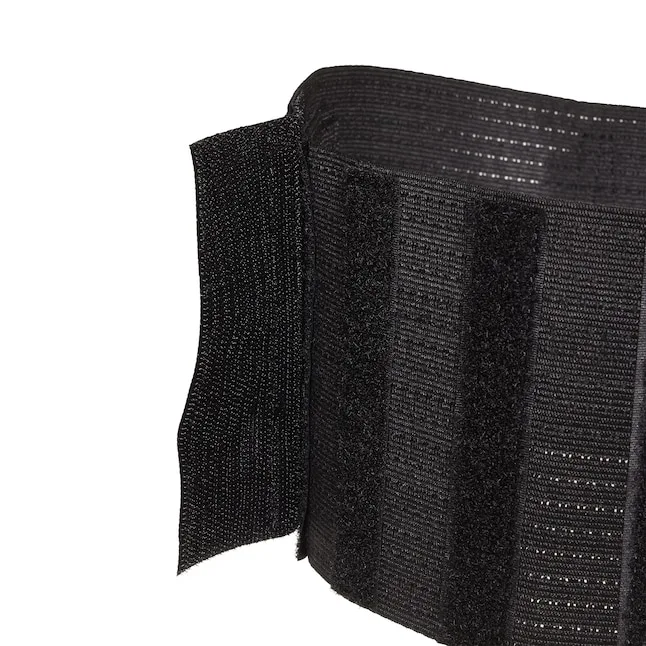
Image source: Bing (Web (fair-use with source credit))
The Power of the Sweat Guard
A sweat guard is an extension of the holster material that sits between the firearm's slide and your body. Its primary function is to act as a barrier, preventing sweat from reaching the metal parts of your firearm and also from contacting your skin directly where the slide would otherwise press. Holsters designed with an extended sweat guard, often seen on models intended for appendix carry or all-day wear, can dramatically reduce discomfort and prevent rust.
Undershirts: Your First Line of Defense
Your clothing choice is your first and arguably most important line of defense against holster sweat. A standard cotton undershirt will absorb sweat and hold it against your skin, effectively making your holster even wetter. Opting for undershirts made from technical, moisture-wicking fabrics is far more effective.
These materials are engineered to pull sweat away from your skin and allow it to evaporate quickly, keeping you drier and more comfortable. Look for options made from polyester or nylon blends.
Keeping Your Gear in Top Shape: Cleaning & Maintenance
Proper upkeep of both your holster and your firearm is essential for managing sweat and preventing long-term damage. Sweat is corrosive, so proactive cleaning is more than just about comfort; it's about preserving your equipment.
Holster Cleaning: Materials Matter
The cleaning process depends heavily on what your holster is made from. For Kydex or Boltaron holsters, a simple wipe-down with a damp cloth and mild soap is usually sufficient. Ensure it dries completely before re-holstering.
Leather holsters require more care; they can be cleaned with a damp cloth and, depending on the type, may need conditioning. It’s crucial to allow leather holsters to air dry thoroughly, away from direct heat, to prevent cracking or warping.
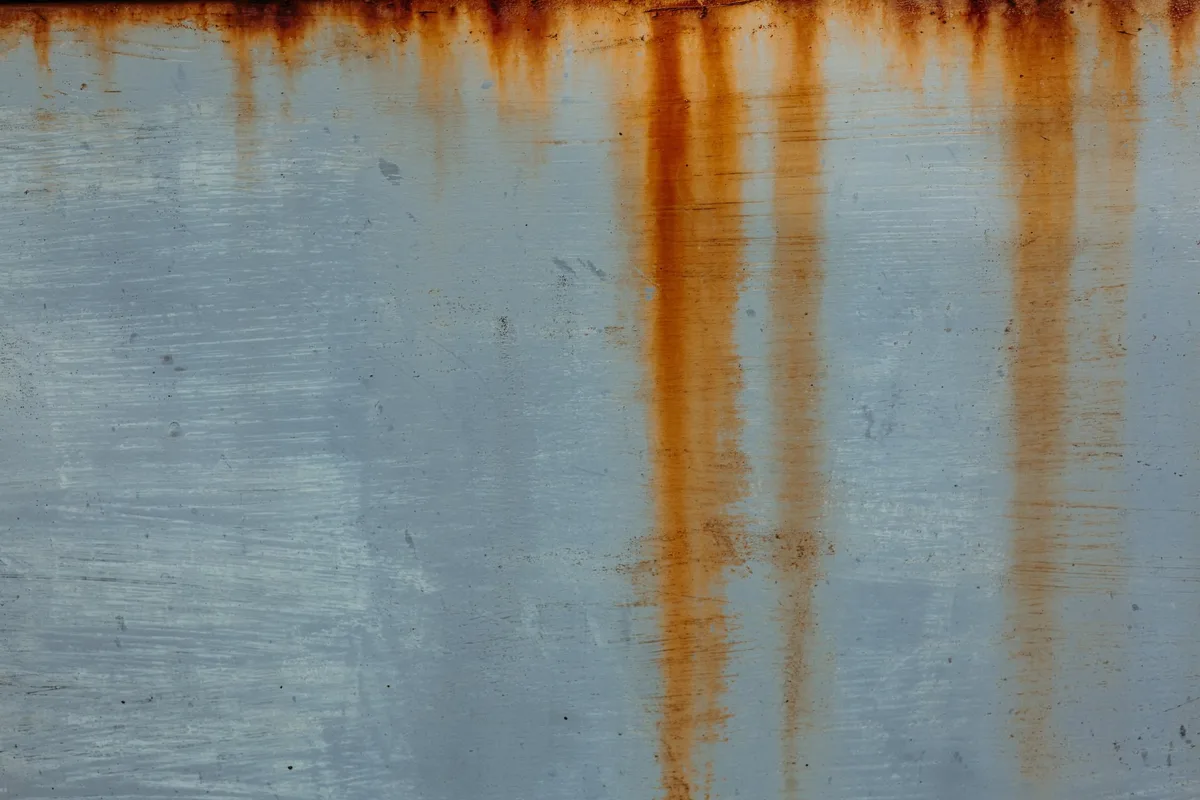
Image source: Web (Bing) / pixnio.com (Web image (fair-use with source credit))
Firearm Care: Protecting Against Sweat Corrosion
The salts and acids in sweat can quickly lead to rust and corrosion on your firearm’s metal surfaces. After any situation where you anticipate heavy sweating, or after a long day of carry, it's good practice to remove your firearm from the holster and give it a quick clean. A light application of a quality gun oil, following manufacturer recommendations, creates a protective barrier against moisture.
This simple maintenance step can significantly extend the life and reliability of your firearm.
Mistakes to Avoid When Battling Holster Sweat
Many people make common errors that either create or worsen holster sweat problems. One frequent mistake is neglecting to clean holsters and firearms regularly. Sweat and body oils can build up, creating a sticky surface that holds more moisture and can also degrade the holster material over time.
Another pitfall is assuming all undershirts are created equal; a standard cotton tee will only trap sweat, making the problem worse.
Additionally, some users might over-apply lubricants or cleaning agents to their firearm, which can then transfer to the holster, potentially affecting its material or retention. Finally, failing to let holsters dry completely after cleaning or exposure to moisture can lead to mildew or damage, especially with leather. It's crucial to allow ample drying time, often 24-48 hours for leather, depending on humidity.
Final Verdict: Your Decision Guide for a Drier Carry
Choosing the right holster and maintaining it properly are the cornerstones of preventing holster sweat. By assessing your personal carry environment and activity level, you can select materials and features that actively manage moisture. Breathable designs, sweat guards, and moisture-wicking undershirts are your primary allies in this battle.
Regular cleaning of both your holster and firearm is non-negotiable for preventing corrosion and discomfort. Remember that a secure fit and proper firearm maintenance go hand-in-hand with holster selection for the best overall experience.
Frequently Asked Questions
How long does it take for a leather holster to dry after cleaning?
Leather holsters typically require 24 to 48 hours to dry completely, depending on ambient humidity and temperature. Avoid using direct heat sources, which can cause the leather to crack.
Can I use antiperspirant on my skin to prevent holster sweat?
While antiperspirant can reduce sweating, it's generally not recommended for direct application under a holster. Some formulations may interact negatively with firearm finishes or holster materials. Always test on a small area or consult manufacturer guidance.
What is the best holster material for hot weather?
For hot weather, look for holsters made from breathable synthetic materials with ventilation channels or perforated leather. Designs that include a sweat guard are also highly beneficial for hot climates.
How does body heat affect holster sweat?
Body heat directly increases perspiration. When this sweat gets trapped between your body, clothing, and holster, it leads to holster sweat. Holsters that allow for airflow help dissipate heat and reduce this effect.