A loose holster can be a real headache, impacting both comfort and security when you're carrying a firearm. It’s a common issue that many firearm owners face, and it usually stems from a few key areas. Getting that snug, reliable fit back is crucial for safe and confident carrying.
In our research, we found that most holster looseness can be traced to specific components or wear patterns. For example, the retention system, which is designed to hold your firearm securely, is often the first place to look. According to common firearm accessory standards, proper retention should provide a positive "click" upon reholstering, preventing accidental dislodges.
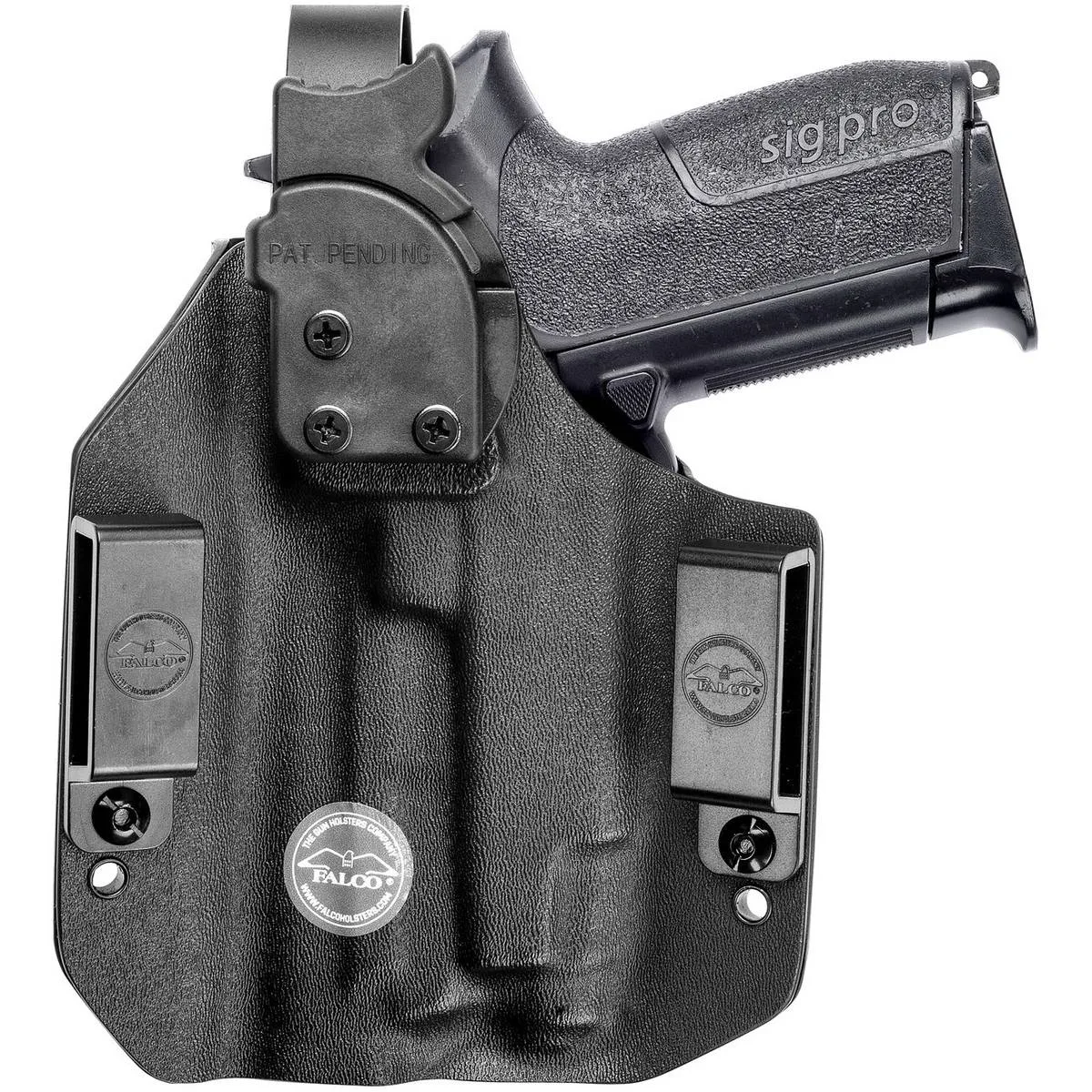
Image source: Web (Bing) / craftholsters.com (Web image (fair-use with source credit))
Quick Answer
A loose holster usually means the retention screws have loosened due to vibration or wear. It could also be due to material fatigue or improper fit. You can often fix it by tightening the retention screws, inspecting the holster for damage, or adjusting attachment points.
A secure fit is paramount for safe firearm carriage.
Common Culprits for a Loose Holster
A holster feeling loose isn't usually a mystery; it's typically a direct result of how the holster interacts with your firearm and your body, or simply the effects of time and use. The most frequent reason for a holster to lose its snug fit is the gradual loosening of its retention mechanisms. These are the parts designed specifically to keep your firearm securely in place.
Over time, the constant movement and vibration from everyday activities can cause small screws, often found on Kydex and thermoformed holsters, to back out. When these screws, which apply pressure to your firearm's slide or frame, become loose, the holster can no longer grip the gun with the same firmness. This leads to that unsettling feeling of looseness and a potential loss of positive retention, meaning your firearm might not feel as secure as it should.
Other factors include the natural wear and tear on the holster material itself. Both Kydex and leather holsters can subtly relax their molded shape over extended periods of use. Nylon holsters, while often adjustable, can sometimes suffer from less rigid construction that contributes to a less secure feel if not properly tensioned.
Understanding these common failure points is the first step in diagnosing and fixing the issue.
Troubleshooting: Tightening Your Holster's Grip
Getting your holster back to a secure fit often involves a few straightforward checks and adjustments. Think of it like tuning up an instrument; a little adjustment can make a big difference. We're going to focus on the most common areas that lead to that loose feeling, so you can restore confidence in your carry setup.
Checking and Adjusting Retention Screws
The retention screws are the workhorses when it comes to keeping your firearm snug in its holster. These are typically small screws, often found on the sides or front of Kydex and thermoformed holsters, that apply pressure to the firearm's body. If these have loosened, your gun won't seat as firmly, and you might notice it jiggling or not clicking into place.
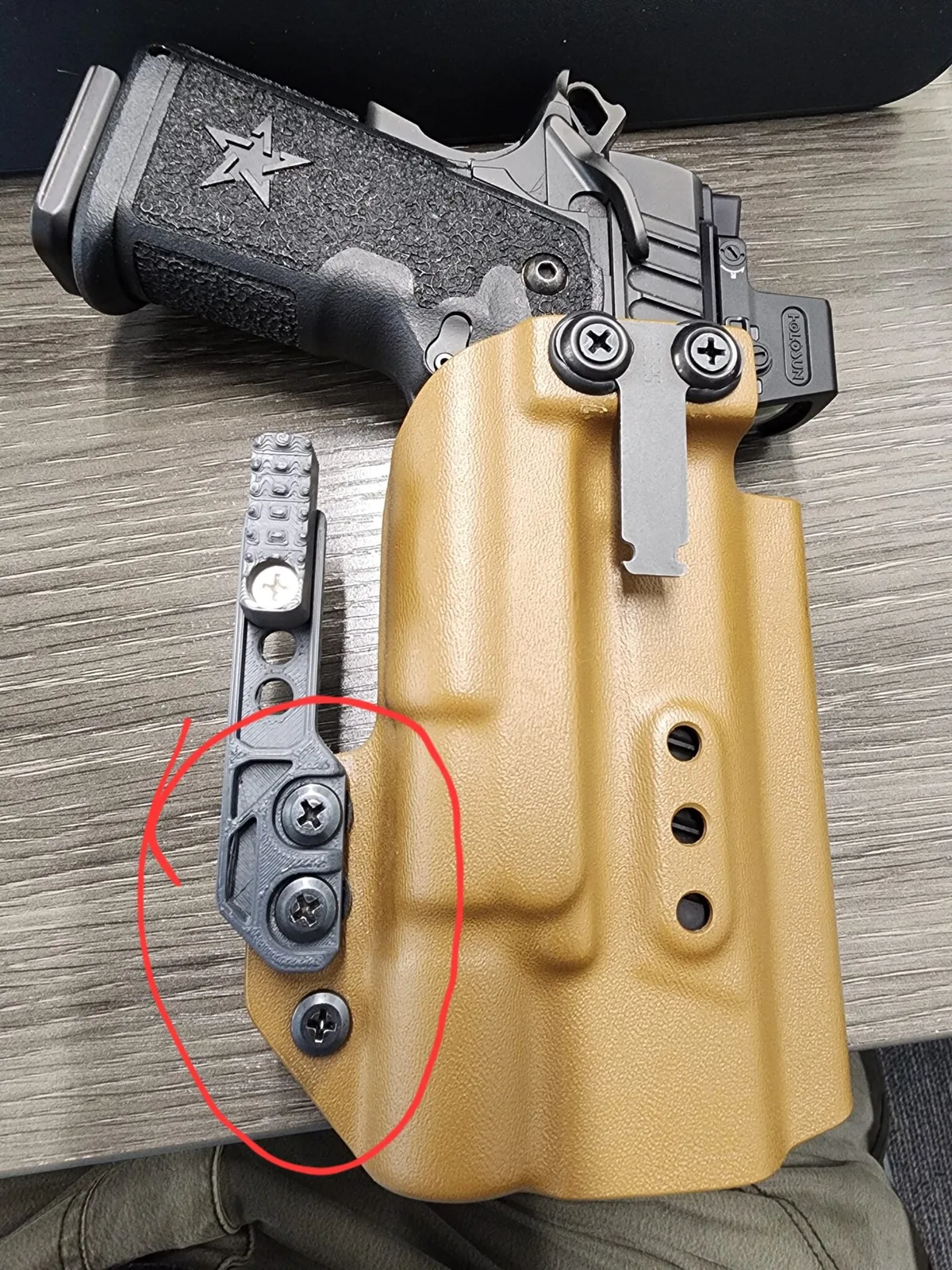
Image source: Web (Bing) / anrkydexholsters.com (Web image (fair-use with source credit))
- Locate the screws: Most adjustable holsters have two to four visible screws.
- Use the right tool: A small Phillips head screwdriver is usually sufficient.
- Tighten gently: Insert your unloaded firearm into the holster. Then, while the firearm is seated, carefully tighten the screws. You're aiming for a firm grip where the firearm feels secure but can still be drawn with deliberate force.
- Test the draw: Draw the firearm. Does it feel more secure? Is there a noticeable "click" or positive engagement when you reholster?
- Iterate: If it’s still too loose, tighten them a bit more, testing after each adjustment. If it’s too tight and you struggle to draw, loosen them slightly.
Manufacturer specifications for many popular Kydex holster brands suggest that proper retention should allow for a firm grip without requiring excessive force to draw, typically a force measured in pounds of retention, though this can vary widely by design and user preference.
Inspecting Holster Material and Fit
Beyond the screws, the holster material itself can contribute to a loose feel, especially if it’s showing signs of age or has been exposed to harsh conditions. For Kydex holsters, look for any visible cracks, warping, or deformation, particularly around the muzzle or trigger guard areas. Even slight warping can prevent the holster from conforming tightly to your firearm.
Leather holsters can soften over time, especially if they are frequently exposed to moisture or sweat. This softening can cause the holster's pocket to lose its defined shape, leading to a looser grip. Inspect the stitching and the overall form of the holster.
If the leather feels overly pliable or has lost its rigidity, it might be contributing to the problem.
Nylon or fabric holsters often rely on cinch straps or Velcro to maintain a snug fit. Check these mechanisms to ensure they are still functioning effectively. Worn-out Velcro or stretched elastic can reduce the holster's ability to grip the firearm.
A proper fit means the firearm is held firmly and consistently, minimizing any unwanted movement or rattling.
Re-Molding and Break-In Techniques
Sometimes, a holster might be slightly loose not because something has broken, but because the material needs to better conform to your specific firearm. This is particularly true for thermoformed holsters like Kydex, and to a lesser extent, leather. The goal here is to help the holster's shape “remember” the contours of your gun.
For Kydex holsters, a common technique involves gently using a heat gun or a hairdryer on a low to medium setting. Caution: Apply heat very sparingly and from a distance, moving it constantly to avoid overheating and damaging the plastic. You want to warm the Kydex just enough to make it slightly pliable. Once warm, immediately insert your unloaded firearm and apply firm pressure, holding it in place until the Kydex cools and hardens again.
This can help re-establish a tighter mold.
For leather holsters, the break-in process is usually more organic. Repeatedly drawing and re-holstering a clean, unloaded firearm can, over time, help the leather mold more precisely to the gun's shape. Some users might also use leather conditioners or oils, but it's crucial to ensure these products don't damage the leather or affect the firearm's finish.
The idea is to encourage the material to embrace the firearm's form, creating a more secure friction fit.
Checking and Adjusting Mounting Hardware
The security of your holster isn't just about how it holds the firearm; it's also about how well it attaches to your belt or body. If the holster itself is secure but the attachment system is loose, the entire setup can feel wobbly, mimicking the sensation of a loose holster. This is especially common with Inside-the-Waistband (IWB) holsters or those using paddle attachments.
- IWB Loops: These often attach via screws. Make sure these screws are snug. If the loops themselves are worn or bent, they might not provide sufficient tension against your belt.
- Paddle Attachments: Many paddle holsters have a clip or paddle that slides over your belt. Ensure this paddle is the correct size and shape for your belt width, and that it’s designed to grip securely. Some paddles have adjustable tension or hooks that can be tightened.
- Belt Mounts: For holsters that mount directly to the belt, check the clips or loops. Are they flexing too much? Do they grip your belt tightly without slipping?
If your belt itself is too thin, too flexible, or not stiff enough to adequately support the holster and firearm, it can allow the entire assembly to shift. This movement can make the gun feel less secure within the holster.
Belt and Attachment System Security
Your belt is a critical component of a secure carry system; it’s the foundation that supports your holster and firearm. If your belt is too soft, too wide, or simply worn out, it can lead to your holster feeling loose, even if the holster's retention is perfectly adjusted. A good EDC belt needs to be rigid enough to prevent the holster from tilting or sagging under the weight of the firearm.
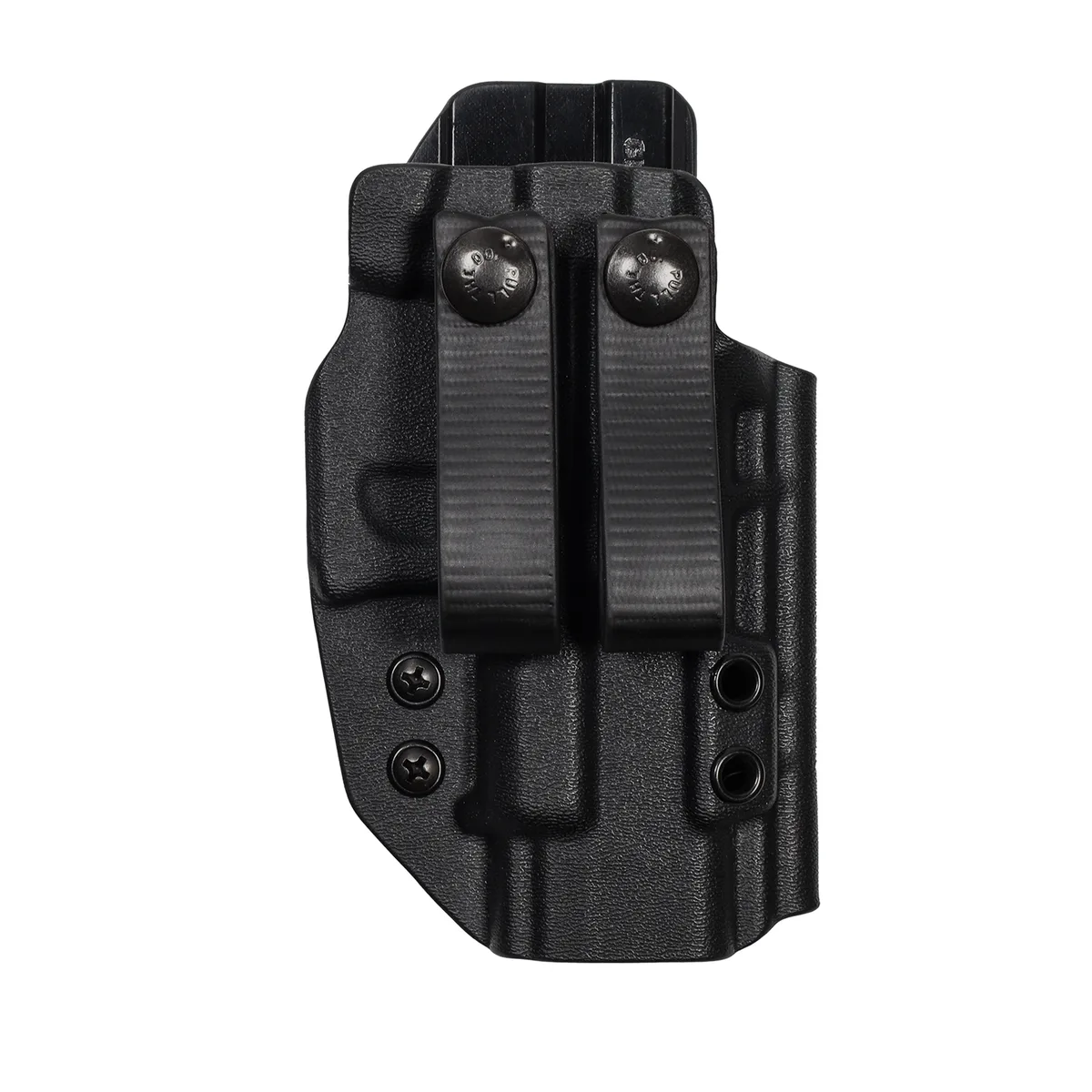
Image source: Web (Bing) / candgholsters.com (Web image (fair-use with source credit))
For example, a flimsy fabric belt might compress too much when you sit down, allowing the holster to shift. Similarly, a belt that is too narrow might not provide enough surface area for the holster's attachment clips or loops to grip effectively. Many manufacturers of tactical and concealed carry gear recommend a belt that is at least 1.5 inches wide and features some degree of internal reinforcement or stiffness.
When inspecting your setup, pay close attention to how the holster's mounting system, whether it's clips, loops, or a paddle, interfaces with your belt. Ensure that the attachment points are securely fastened to the holster and that they are creating firm, stable pressure against your belt. Any play or movement here directly translates to a less secure feeling of your firearm.