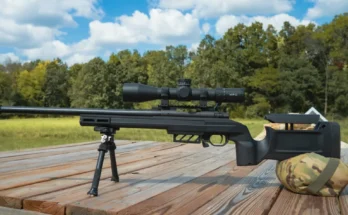
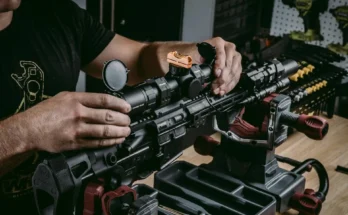
Why is my rifle scope not tracking correctly? That question drives more shooters crazy than almost any other optics problem. You dial ten clicks up, fire a group, and the impact barely moves. Sometimes it's mechanical.
Sometimes it's you.
Per manufacturer specs, a properly installed scope should track within 0.5% of its stated click value. In our research, most tracking complaints trace to mounting issues or shooter technique, not a defective optic. As of 2026, that 0.5% standard holds across mid-tier and premium brands.
Here's how to find the real culprit.

Image source: Web (Bing) / shop.barska.com (Web image (fair-use with source credit))
Quick Answer
Why is my rifle scope not tracking correctly? Improper mounting is the most common cause. Loose rings or wrong torque specs let the scope shift under recoil.
Shooter technique and parallax errors can mimic mechanical failure. Work through a diagnostic tree before condemning the scope.
How Turret Tracking Works and What "Not Tracking" Actually Means
Every rifle scope turret moves an internal erector tube when you turn it. That erector tube shifts the reticle, effectively moving the point of aim, so you can dial for distance and windage. Click values are typically 1/4 MOA or 0.1 MRAD per click.
A scope "tracks correctly" when the turret moves the reticle the right amount, in the right direction, and returns to true zero when dialed back.
When a scope doesn't track, one of three things is usually happening. The click value is wrong. It reads 1/4 MOA but actually moves more or less than that.
Or the turret doesn't return to the same zero after being dialed out and back. Or the reticle moves in the opposite direction of what the turret markings suggest.
Per manufacturer specifications, most quality scopes from established brands track within 0.5% of their stated click value across the full adjustment range. In our research, genuine mechanical turret failure in those scopes is rare. Most "tracking issues" turn out to be parallax error, scope mount slippage, or a shooter misidentifying which click system they're actually working with.
That last point trips people up more than you'd think. A scope marked in MRAD has 0.1 MRAD clicks, not 1/4 MOA. Mixing the two systems makes it look like the scope isn't tracking when it's doing exactly what it should.
Step-by-Step Decision Tree: Mechanical Failure or Shooter Error?

Image source: Web (Bing) / fieldandstream.com (Web image (fair-use with source credit))
Before you send a scope in for repair, walk through this diagnostic sequence. Each step either confirms or rules out a specific cause.
Step 1: Check mounting first. Are the ring screws torqued to spec? Is the scope base flush on the Picatinny rail? If anything moves when you apply gentle pressure, that's your problem.
Skip ahead to the mounting section below.
Step 2: Confirm your click value. Is the scope marked MOA or MRAD? Count clicks at 100 yards and measure the point of impact shift. A 1/4 MOA scope should move about 1 inch per click at 100 yards.
An 0.1 MRAD scope should also move about 1 inch per click at 100 yards. If the measurement doesn't match, the turret click value is off.
Step 3: Test return-to-zero. Dial 20 clicks in any direction. Fire a group. Return the turret to zero.
Fire again. If the second group doesn't match the first, the turret isn't returning to the same mechanical position.
Step 4: Rule out parallax. Parallax error can shift the reticle on the target without moving the point of impact. If the reticle appears to wander when you move your eye off-center, set the parallax turret for your target distance. Then retest.
Step 5: Eliminate shooter technique. Inconsistent cheek weld, eye relief, and trigger pull all shift your point of impact. If every group is vertical and no clicks were adjusted, it's you, not the scope.
Mounting Mistakes That Masquerade as Turret Tracking Failures
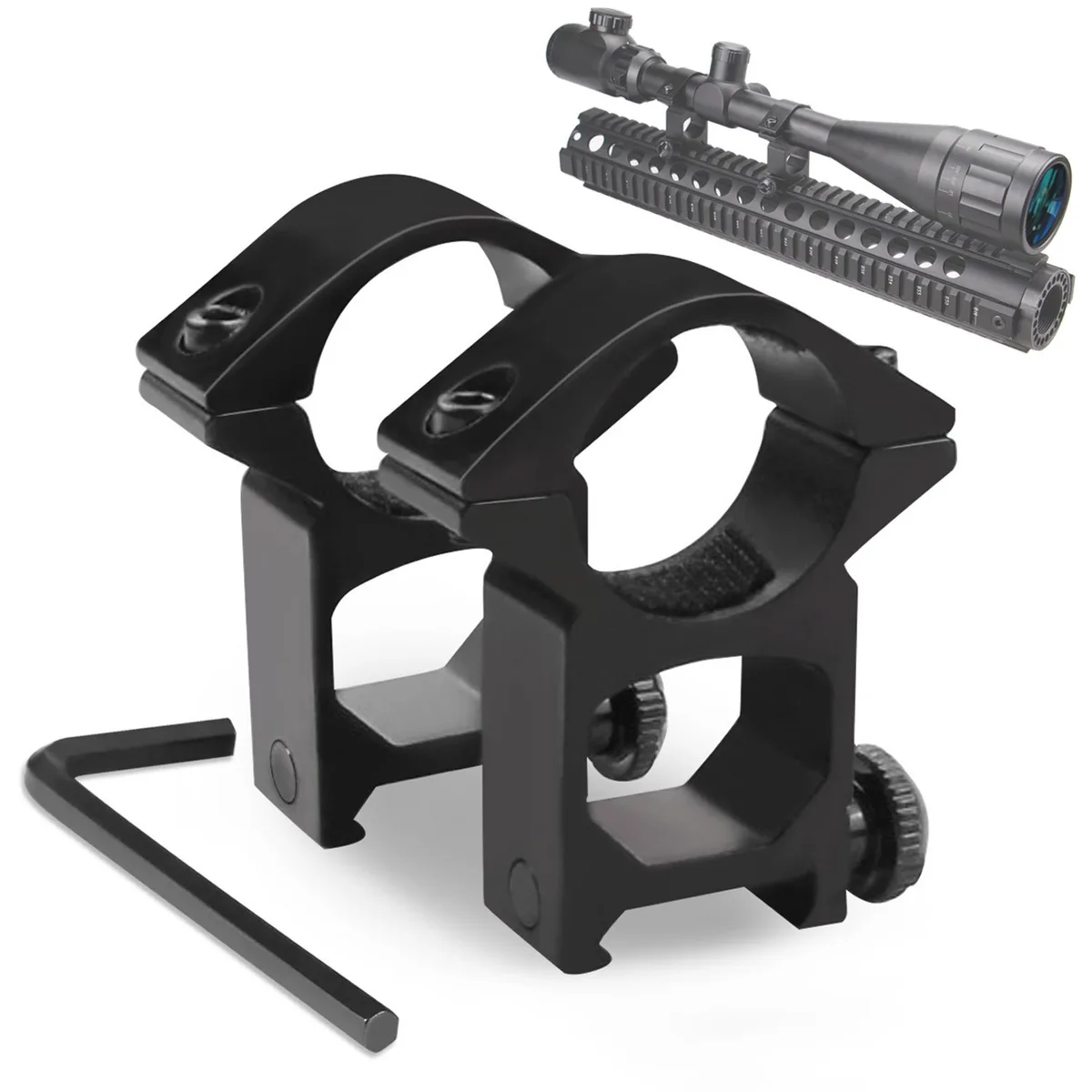
Image source: Web (Bing) / frame.bistumsjubilaeum2005.de (Web image (fair-use with source credit))
Most scope "tracking" complaints come down to mounting, not optics. The two biggest mistakes are torque-related.
Under-torqued ring screws. Rifle scopes are held in place by ring screws that need a specific inch-pound value. Typical specs range from 15 to 25 in-lbs depending on the manufacturer. Too loose, and the scope slides forward or backward under recoil.
Every shot shifts the scope a tiny amount. After a few rounds, your zero has moved, and it looks like the turret isn't tracking.
Over-torqued screws. The opposite problem. Crushing the tube with 40 in-lbs when the spec calls for 18 in-lbs deforms the internal erector mechanism. The turret feels gritty, clicks become mushy, and the reticle shifts even when you haven't turned anything.
Per Vortex Optics official mounting guidance, always use a torque wrench and stop at the specified value.
Base screws not torqued. Picatinny base screws typically need 65 in-lbs. If they're not tight enough, the whole scope base can rock under recoil. That looks exactly like a turret tracking failure from the shooter's position.
Ring alignment issues. Uneven gap between the top and bottom ring halves can pinch the tube at one point while leaving it loose at another. Scope manufacturers publish alignment specifications for a reason. If the rings aren't aligned, the tube experiences stress it wasn't designed for.
| Component | Typical Torque Spec | What Happens If Wrong |
|---|---|---|
| Scope ring screws | 15 to 25 in-lbs | Under: scope slides. Over: tube crush damage |
| Picatinny base screws | 65 in-lbs | Under: base rocks under recoil |
| Turret detent | Not user-serviceable | Requires gunsmith if gritty or loose |
Pro Tips for Verifying Turret Tracking Before You Dial
A proper tracking test takes about 15 minutes and saves you from dialing on a broken turret in the middle of a hunt or match. Here's how to run one.
Set up at 100 yards with a clean, high-contrast target. Zero the scope normally using 3 to 5 shot groups.
Click verification. Turn the elevation turret 10 clicks up. Fire 3 rounds. Measure the vertical distance between the center of the original zero group and the new group center.
With a 1/4 MOA scope at 100 yards, 10 clicks should move the point of impact approximately 2.5 inches. If you measure 3 inches, the turret is moving more per click than advertised. If you measure 2 inches, it's moving less.
Return-to-zero test. From your verified zero, dial 20 clicks up. Fire a group. Dial back to zero.
Fire again. The two groups should land in the same place. If the second group is higher or lower than the first, the turret isn't returning to the same mechanical position.
Full-range test. Dial to 50 MOA or whatever your scope's maximum elevation allows. Fire. Then dial back to zero and fire again.
Compare the two groups. This catches mechanical drift that only shows up at extreme turret rotations.
Run this test every time you mount a new scope. Re-run it after any hard impact or long-distance transport. Per the National Institute of Standards and Technology, torque wrench calibration directly affects how reliably your mounting will hold.
An uncalibrated wrench gives you false confidence in your install.
FAQs About Rifle Scope Tracking Issues
Why does my scope track fine at 100 yards but fall apart at 200?
Most likely, parallax isn't set for the longer distance. Parallax error grows with distance, so a scope that looks accurate at 100 yards can show visible reticle shift at 200 if the parallax turret isn't adjusted. Set the parallax to 200 yards and retest.
Can a scope start tracking wrong after dropping it?
Yes. A hard impact can loosen internal turret components or shift the erector tube inside the scope. If tracking suddenly changed after a drop, that's the first thing to check.
Some manufacturers cover drop damage under warranty, so read the fine print before you start troubleshooting.
How do I know if it's my scope or my shooting?
Run the click verification test at 100 yards. If the point of impact shifts the correct amount per click, the scope is tracking fine. The problem is elsewhere in your system.
Mounting, ammunition consistency, or shooter technique are the usual suspects.
Is parallax the same thing as scope tracking?
No. Parallax is an optical alignment issue that makes the reticle appear to move on the target when your eye isn't perfectly centered behind the scope. Tracking is the mechanical accuracy of the turret adjustment system.
They feel similar but have very different fixes.
Do budget scopes track worse than premium ones?
Generally, yes. Aggregate user reviews and manufacturer specs show that turret repeatability and return-to-zero accuracy improve as you move up in price tier. A quality mid-tier scope typically tracks within 1% of its stated click value.
Budget scopes can drift 2% or more.
Should I use a torque wrench for scope mounting?
Yes, always. Hand-tightening is the leading cause of both under-torqued and over-torqued scope screws. A basic inch-pound torque wrench costs less than a single box of factory ammo and protects your optic investment for years.
When to Repair, Re-Zero, or Replace Your Scope
The right call depends on what the diagnostic revealed and what tier of optic you're working with.
If mounting was the problem, don't replace anything. Remount the scope with proper torque values, re-zero at 100 yards, and run a tracking test again. In our research, most reported tracking failures resolve after proper remounting and re-zeroing. This is by far the most common fix.
If the turret mechanism is mechanically faulty and your scope is under warranty, file a claim. Premium manufacturers cover internal turret failure under standard warranty terms. Submit your tracking test data with the claim. Having measured click values ready speeds up the process considerably.
If the scope is out of warranty but premium, take it to a gunsmith first. Turret internals can often be repaired or re-tensioned without full replacement. A qualified gunsmith can assess whether the erector system, detent springs, or turret housings are the issue. Per Leupold warranty documentation, factory service is always an option before buying new.
If it's a budget-tier scope with confirmed mechanical failure, replacement usually makes more sense. Repair costs can approach or exceed the original price. Aggregate user reviews confirm that turret repeatability in lower-tier scopes can drift noticeably after just a few thousand rounds of heavy recoil.
| Scenario | Recommended Action | Typical Cost |
|---|---|---|
| Mounting error | Remount and re-zero | $0 to $50 |
| Under warranty | File manufacturer claim | $0 |
| Out of warranty, premium optic | Gunsmith assessment | $75 to $150 |
| Budget scope, confirmed failure | Replace the scope | New purchase price |
Maintenance and Ongoing Checks for Reliable Turret Tracking
A properly installed scope should keep tracking correctly for thousands of rounds. These habits catch problems before they ruin a hunt or a match.
Check ring and base torque every 6 to 12 months. Also do it after any hard impact or long-distance transport. Use an inch-pound torque wrench set to the manufacturer's spec. Loose screws remain the number one preventable cause of scope shift under recoil.
Clean the turret area regularly. Wipe the external turret surfaces with a dry cloth to remove grit and moisture. Don't spray anything into the turret mechanism. Internal components should only be serviced by authorized gunsmiths.
Run a quick tracking verification before important events. Dial ten clicks up, fire a group, reset to zero, fire again. If the groups match, you're good to go. If they don't, investigate before you trust the turret in the field.
Store scopes in moderate temperatures. Extreme cold can make turret mechanisms feel stiff. Extreme heat can cause thermal expansion that affects detent click feel. Neither is permanent, but both can throw off your expectations during a shooting session.
Never force a turret past its mechanical limit. If the elevation turret stops turning, stop turning. Applying extra pressure can damage the internal detent mechanism. Know your scope's adjustment range and stay within it.