If your rifle scope loses zero, your point of impact shifts on its own and your shots stop landing where you expect. It's one of the most frustrating problems a shooter can face, and it's more common than most people realize. The root cause isn't always obvious, but in most cases it's fixable.
Manufacturer specifications and aggregate user feedback point to one big culprit: loose or improperly torqued mounting hardware. As of 2026, most quality scope manufacturers recommend 15 to 20 inch-pounds of torque on ring screws for standard systems. Let's break down exactly what causes zero loss and how to fix it.
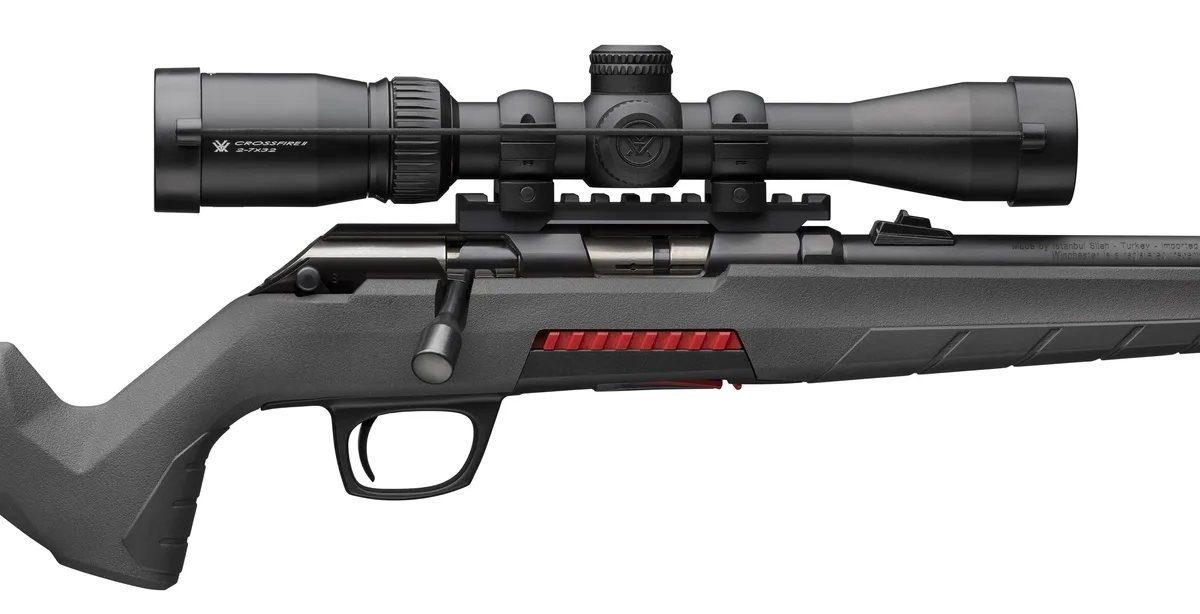
Image source: Bing (Web (fair-use with source credit))
Quick Answer: The Most Common Reasons Your Zero Is Gone
A rifle scope loses zero most often due to loose mounting hardware. Improper ring torque is the number one culprit by far. Recoil forces base screws to back out over time.
Thermal expansion and chassis flex contribute to the problem. Re-torque your mounts, verify the setup, then re-zero.
That short answer covers the basics, but the full picture is worth understanding. When your scope no longer returns to its original point of impact after adjustment, something in the mount has shifted. The scope itself is rarely the problem.
Most zero-loss reports come from ring screws that weren't torqued to spec. They creep out under recoil, usually within the first few hundred rounds. Base screws work loose for the same reason, especially on receivers without proper bedding.
Chassis-flex rifles are more vulnerable. Polymer and composite stocks expand, contract, and shift under load in ways that aluminum-chassis rifles don't. If you've noticed zero loss correlating with stock changes, this is likely the cause.
Internal scope failure happens, but it's uncommon in quality optics. If a test scope holds zero on your mount while the original doesn't, you've found your answer.
What Losing Zero Actually Means (And Why POI Shift Isn't the Same Thing)
Losing zero means your scope no longer returns to its original point of impact when you dial back to your baseline setting. That's different from a point of impact (POI) shift, which is usually temporary and driven by conditions rather than mechanical failure.
Here's how the two compare:
| Condition | POI Shift | True Zero Loss |
|---|---|---|
| Typical cause | Wind, temperature, ammo change | Loose mounts, tube damage |
| Reversible by adjusting? | Yes | No, requires re-zeroing |
| Happens mid-session? | Often | Rare |
| Most common in | All disciplines | After heavy use or poor mounting |
A POI shift happens when you switch ammo brands, change elevation, or experience big temperature swings. Your scope still functions correctly. You just need to re-zero for the new conditions.
True zero loss means something mechanically changed in the mount system. The scope tube moved in the rings. The rings shifted on the base.
Or the base itself came loose on the receiver.
Here's how to tell them apart: if you dial back to your original setting and shots land somewhere new, you've lost zero. If the shift tracks with temperature or ammo changes, it's probably a POI shift.
The good news is that most true zero-loss cases trace back to mounting, which makes them very fixable.
The Diagnostic Decision Tree: Narrow Down Your Specific Problem
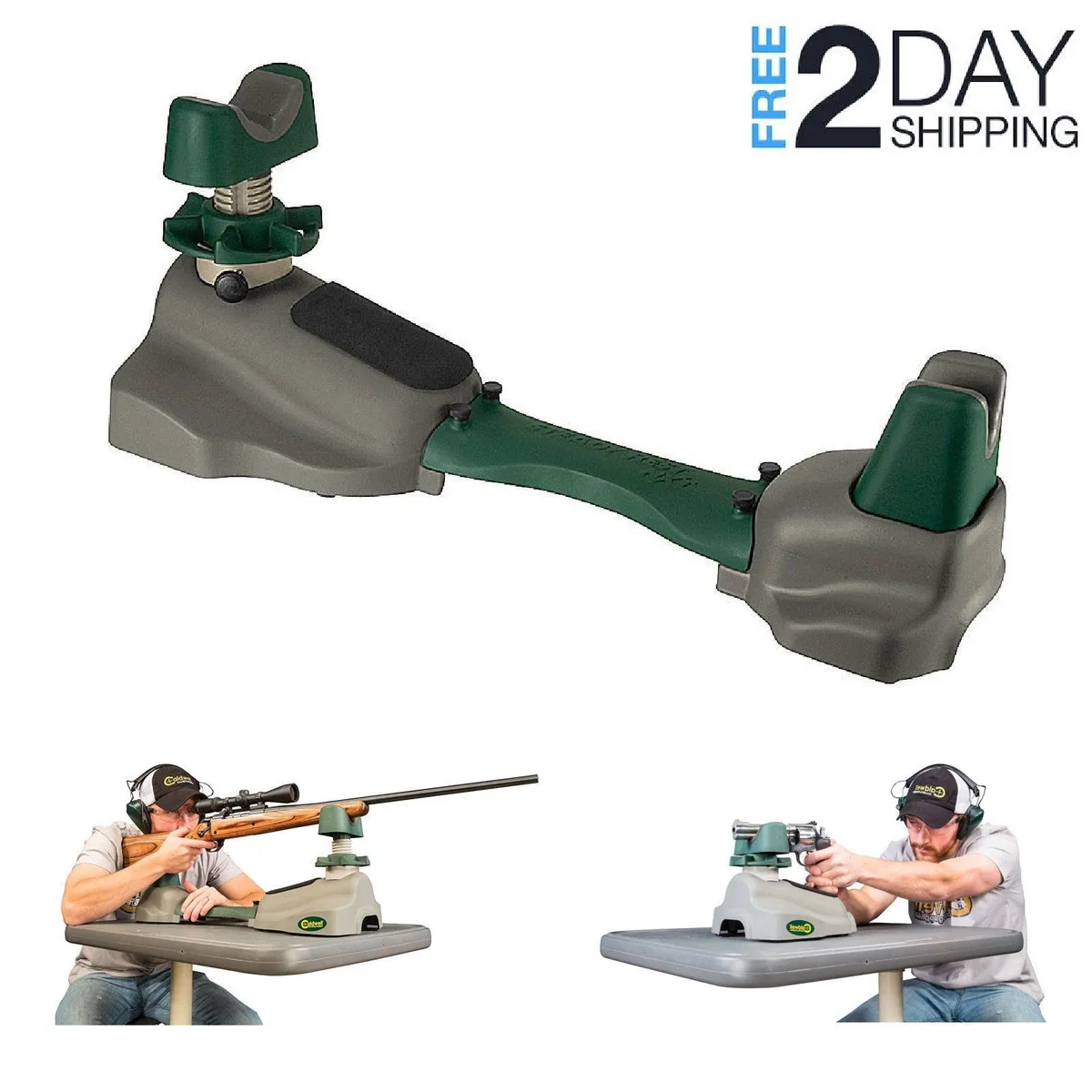
Image source: Web (Bing) / ebay.com (Web image (fair-use with source credit))
Before you re-zero, figure out what actually went wrong. Otherwise, you'll just zero out the problem and watch it shift again.
Start with one question: does the scope hold zero when the rifle stays in one position and you shoot the same ammo? If yes, the problem is environmental or ammo-related. If no, you have a mechanical issue.
Use this table to narrow it down:
| Question | If Yes | If No |
|---|---|---|
| Do ring screws meet torque spec? | Move to base screws | Re-torque rings first |
| Do base screws meet torque spec? | Check ring-to-tube match | Re-torque base |
| Are rings the correct tube diameter? | Test a different scope | Buy correct-diameter rings |
| Does a test scope hold zero on the same mount? | Internal scope issue | Re-check mount setup |
If your ring screws are under spec, re-torque them to the manufacturer's value and shoot 20 rounds. If the zero holds, you're done.
If it shifts again, move to the base screws. Loose base screws are one of the most overlooked causes because they're hidden under the rings.
If base screws are tight and zero still won't hold, check the ring match. Measure the scope tube with calipers. A 1-inch tube in 30mm rings won't seat properly no matter how you torque it.
If everything in the mount checks out but zero still won't hold, test a different scope on the same base. A known-good scope holding zero confirms an internal issue with the original optic.
This process saves you from endlessly re-zeroing a problem you haven't actually fixed.
Step-by-Step: How to Diagnose and Re-Zero Your Scope
Work through these steps in order once you've identified the likely cause.
Check ring screws. Use a torque wrench set to the manufacturer's spec. Most standard ring systems call for 15 to 20 inch-pounds. Tighten in a cross-pattern, like a car tire.
Verify base screws. These hide under the rings and are often under-tightened. An extension on your torque wrench helps reach them.
Confirm ring match. Measure the scope tube with calipers. Common diameters are 1 inch and 30mm. Using the wrong size guarantees shifting.
Inspect the tube. Look for crush marks, deformation, or scratches from over-tightened rings. A damaged tube usually means the scope is done.
Test with a known-good scope. Mount a different optic on the same base and rings. If it holds zero, the original scope has an internal problem.
Re-zero properly. Once the mount is confirmed correct, zero at your preferred distance using a consistent ammo lot and shooting position.
Verify after 20 to 30 rounds. If the zero shifts again, something in the mount is still moving. Go back to step 1.
Vortex Optics publishes detailed torque specifications for their ring systems, and most other manufacturers follow similar values. Always check your specific manual before tightening anything.
Mounting Mistakes That Kill Your Zero
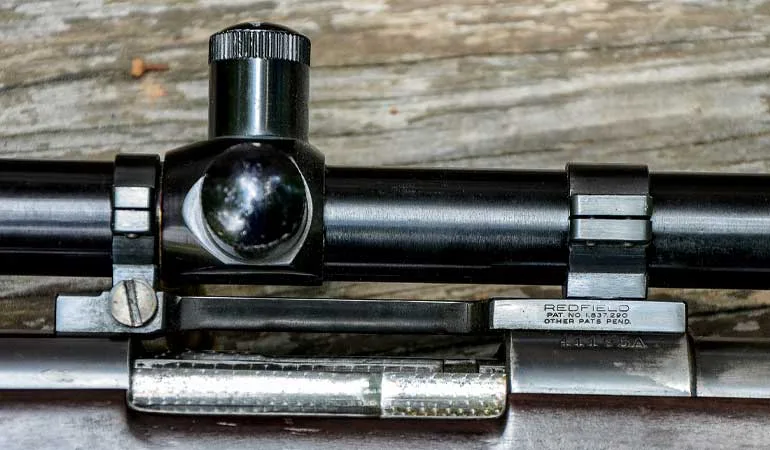
Image source: Web (Bing) / rifleshootermag.com (Web image (fair-use with source credit))
Most zero-loss problems trace back to something done wrong during the mounting process. These are the mistakes we see over and over.
Over-torquing ring screws. This crushes the scope tube and can damage the internal erector system. Steel rings are slightly more forgiving than aluminum, but neither should go past spec.
Under-torquing ring screws. The opposite problem, and just as common. Screws that aren't tight enough creep out under recoil, usually within the first 50 rounds.
Mixing ring materials. Aluminum rings on an aluminum rail can gaul when combined with improper torque. Steel-on-steel is generally more reliable for high-recoil setups.
Wrong tube diameter rings. A 1-inch tube in 30mm rings won't seat properly. You'll feel it move under recoil.
Dirty mounting surfaces. Oil, dust, or debris between the ring and tube reduces grip. Clean everything with isopropyl alcohol before assembly.
Skipping the torque wrench. "Tight by feel" works until it doesn't. Precision matters here, and the National Institute of Standards and Technology (NIST) underpins the measurement framework manufacturers use to publish torque values.
| Mistake | Symptom | Fix |
|---|---|---|
| Over-torqued rings | Crush marks, shifting zero | Back off to spec, replace if damaged |
| Under-torqued rings | Zero drifts after 20 to 50 rounds | Re-torque to spec |
| Wrong tube diameter | Scope sits unevenly | Buy correctly sized rings |
| Dirty surfaces | Scope slides under recoil | Clean with isopropyl alcohol before reassembly |
If you're building a setup for the first time, a torque wrench and the manufacturer's spec sheet prevent most of these problems before they start.
Environmental and Recoil Factors That Cause Zero Loss
Not every zero-loss issue starts with loose hardware. Recoil, temperature swings, and stock materials all play a role, and they're worth understanding even if your mount is perfect.
Recoil impulse matters more than most shooters realize. High-recoil calibers like .300 Win Mag generate significant shear forces on the ring-to-tube interface. If those rings aren't torqued to spec, the scope tube creeps rearward incrementally with each shot.
You might not notice it for 20 rounds, then suddenly your zero is two MOA high.
Temperature shifts cause a different problem. Aluminum expands and contracts faster than steel. As temperatures drop from a warm range day to cold hunting conditions, the gap between the ring and tube can change.
That's why some shooters see zero shift in cold weather that never appears in summer.
Stock material also matters. Chassis rifles with aluminum or composite beds resist flex better than traditional wood stocks. Wood can swell, warp, and move the receiver's relationship to the scope base over time.
If you shoot a wood-stocked rifle in humid conditions and notice drift, the stock is likely expanding and shifting your zero.
Here's a quick reference:
| Factor | Mechanism | Most Affected Setup |
|---|---|---|
| Recoil impulse | Shear force on ring interface | High-caliber, large rings |
| Temperature drops | Material expansion mismatch | All setups, worst in extreme cold |
| Wood stock flex | Receiver-to-scope-base shift | Traditional hunting rifles |
| Barrel harmonics | Inconsistent barrel temperature | High-volume precision shooting |
Consistent barrel temperature helps too. Barrel harmonics change as the barrel heats up, which shifts your point of impact even with a perfect mount. Letting the barrel cool between strings keeps your zero stable.
How to Prevent Zero Loss Before It Happens
Preventing zero loss is easier than fixing it. Most of the work happens during setup, and a few habits keep your system locked in long-term.
First, always use a torque wrench. Every time you mount or re-torque rings and base screws, measure the force. Manufacturer specs are published for a reason, and guessing never holds up under recoil.
A basic inch-pound wrench covers the job for most setups.
Second, verify your zero after significant use. Shoot 20 to 30 rounds after any mount-related work, then confirm your point of impact. If it drifted, you'll catch it early before a hunt or competition.
Many competitive shooters do a zero check every range session.
Third, consider thread locker on base screws. A small amount of medium-strength thread locker helps prevent screws from backing out. Apply it to base screws, not ring screws, since rings need to be removable for adjustments.
Fourth, store your rifle properly. Transport in a padded case that prevents the scope from banging against anything. Avoid extreme temperature swings in storage.
Both habits reduce unnecessary stress on the mount system.
Here's a simple maintenance checklist to follow:
- Re-check ring and base torque every 100 to 200 rounds
- Inspect ring screws for signs of galling or thread wear annually
- Verify the scope tube diameter matches your rings before every rebuild
- Clean mounting surfaces with isopropyl alcohol before reassembly
- Record your zero data (distance, ammo, conditions) for reference
Consistency is the goal. If every variable stays the same, your zero stays the same. Most shooters who lose zero repeatedly are unknowingly changing something in their setup or environment without tracking it.
Frequently Asked Questions
How often should I re-torque my scope mounts?
Every 100 to 200 rounds is a good rule of thumb, and after any heavy transport or significant temperature swing. Competitive shooters often check torque before every range session. Catching a loose screw early prevents zero loss entirely.
Can a cheap scope cause zero loss?
Budget scopes are more prone to internal zero issues, especially under high-recoil calibers. The erector tube inside the scope can slip when spring tension isn't properly maintained. Higher-end optics generally hold zero more reliably because internal mechanisms are built to tighter tolerances.
What torque wrench should I use for scope rings?
An inch-pound torque wrench with a range of 0 to 65 inch-pounds covers almost every ring and base system on the market. A 20 inch-pound torque is the most common spec for steel rings. Verify the range matches your manufacturer's recommended value.
Does thread locker help prevent zero loss?
Blue medium-strength thread locker on base screws helps prevent backing out under recoil. Don't use it on ring screws, since those need to be adjustable for future zeroing. Always clean old thread locker with isopropyl alcohol before reapplying.
What should I do if my scope won't hold zero after re-torquing?
Test a different scope on the same mount system. If the replacement holds zero, the original scope has an internal problem. If both shift, the issue lies with the mount, the base, or the receiver.
Go back through the diagnostic decision tree in order.
Can shooting position cause zero loss?
Not true zero loss, but your shooting position does affect point of impact. A consistent prone position with a bipod gives the most stable zero reference. Standing or unsupported positions introduce human error that mimics zero loss but isn't mechanical.




