How durable are rifle scopes? The honest answer is that it depends on what you spend, how they are built, and how you use them. A $200 scope and a $3,000 scope both call themselves rugged.
They behave very differently under real-world abuse.
In our research of manufacturer specifications and MIL-STD-810 environmental testing standards, we found that premium scopes routinely survive thousands of recoil cycles across extreme temperatures. Budget scopes tend to fail at the turrets or lose zero first. Let's break down what actually determines scope longevity.
Quick Answer
How durable are rifle scopes? A well-built scope can last 10 to 30 years with normal use. Durability depends on tube material, weather sealing, and internal construction quality.
Premium scopes rated for magnum calibers handle thousands of rounds without losing zero. Budget scopes often fail at the turrets under heavy recoil.
What Durable Actually Means for a Rifle Scope
Durability in a rifle scope means one clear thing: it holds zero and stays clear under real-world abuse. That abuse includes heavy recoil, temperature swings, rain, dust, and rough handling in the field. It does not mean bulletproof.
A durable scope resists internal fogging by using nitrogen or argon purging to seal moisture out of the tube. It withstands recoil by maintaining tight tolerances between the internal optical elements and the housing. It survives field use without the tube deforming or the turrets becoming unreliable.
The practical test is simple. If your scope holds zero after 500 rounds, tracks repeatably through elevation changes, and stays fog-free after cold mornings, it is durable enough for real use.
The Build Quality Factors That Determine Lifespan
Three construction choices separate scopes that last decades from scopes that die in two seasons.
Tube Material
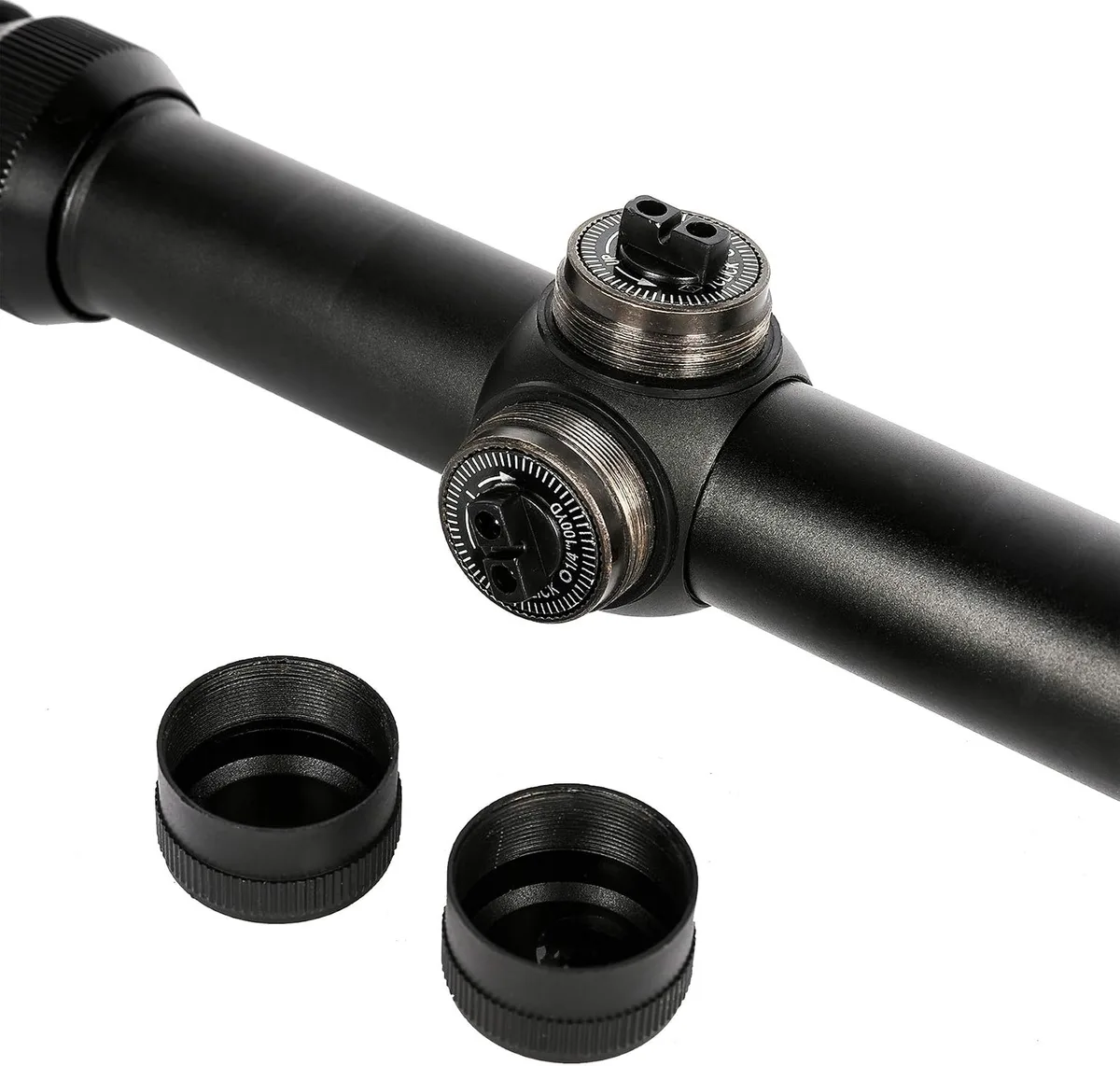
Aircraft-grade aluminum is the standard for quality scope tubes. Single-piece construction beats two-piece designs because there is no joint to fail. Larger tube diameters like 30mm, 34mm, and 35mm add rigidity compared to 1-inch tubes.
Sealing and Purging
Nitrogen purging with O-ring sealing keeps moisture out of the tube. Argon purging appears in premium optics. Both prevent internal fogging.
Incomplete sealing is the top failure point in budget scopes. Manufacturer specifications confirm that quality scopes are rated for temperature ranges down to -20°F or lower without internal condensation.
Mounting Hardware
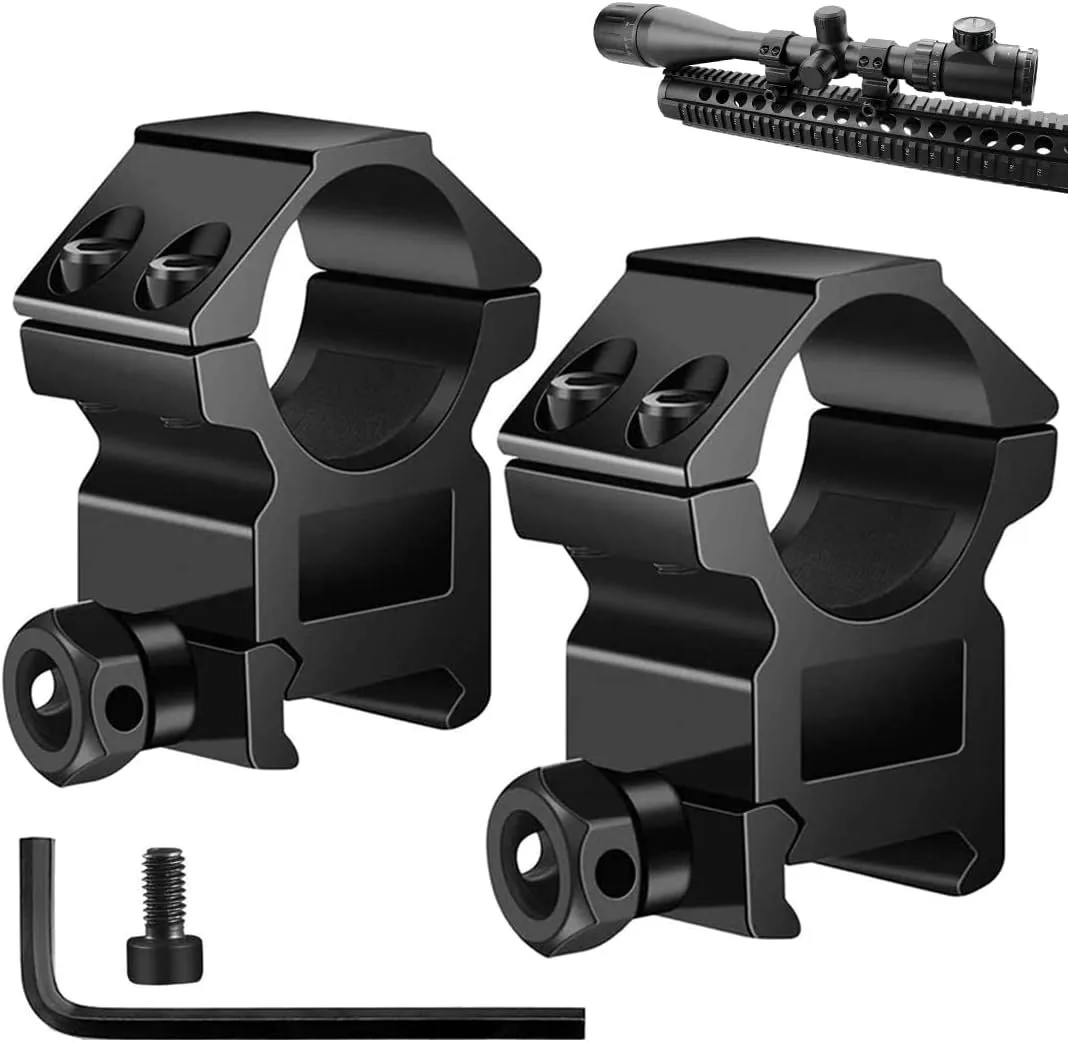
Scope rings and bases matter as much as the scope itself. Over-tightened rings deform the tube. Loose rings shift your zero.
Follow the manufacturer's torque specifications every single time.
Durability Across Price Tiers
As of 2026, scope pricing spans a wide range, and durability tracks roughly with cost. Here is how the tiers compare.
| Price Tier | Build Quality | Recoil Handling | Expected Lifespan |
|---|---|---|---|
| $100-$250 | Two-piece tube, partial purging | Handles .223 and light .308 | 2-5 years |
| $250-$700 | Single-piece tube, full nitrogen sealing | Handles moderate recoil reliably | 5-10 years |
| $700-$1,500 | Premium aluminum, argon purging | Handles magnum calibers | 10-20 years |
| $1,500+ | Machined titanium and premium coatings | Handles .375 H&H and beyond | 20+ years |
The jump from $700 to $1,500 buys you real structural margin. You get thicker walls, better ring compatibility, and warranty coverage that actually means something. Below $250, you are accepting that fogging and turret failure will happen sooner than you would like.
Best Durable Rifle Scopes by Use Case
Different jobs demand different durability levels. Matching the scope to the task matters more than buying the most expensive option on the shelf.
Big Game Hunting in Rough Terrain
If you are packing a scope into the backcountry, you need something that survives drop impacts, freezing temps, and heavy recoil from calibers like .300 Win Mag. A mid-tier scope in the $700 to $1,200 range delivers reliable tracking and a lifetime warranty. Look for nitrogen purging and a 30mm tube minimum.
Long-Range Precision Shooting
High magnification means tighter internal tolerances. Scopes above 20x magnification put more stress on the erector tube and turret mechanisms. First focal plane (FFP) optics at this level need robust construction to hold tracking through hundreds of elevation adjustments.
Premium brands like Nightforce and Schmidt & Bender dominate this space for good reason.
Budget-Conscious Shooters
If your budget tops out at $400, prioritize a scope rated for your specific caliber over one with more magnification or features. Brands like Arken and Swamp Fox offer surprisingly durable options in this range. Accept the trade-offs and plan for eventual replacement.
Common Durability Failures and How to Avoid Them
Most scope failures come down to five predictable causes. None of them are mysterious.
Loss of Zero Under Recoil
The number one complaint across verified buyer feedback. If your scope shifts point of impact after heavy firing, the internal erector mechanism is slipping. This usually happens with magnum calibers in under-built scopes.
Avoid it by selecting optics rated for your specific recoil impulse.
Internal Fogging
Fogging means the purge seal failed. Moisture enters the tube and condenses on the glass. Manufacturer specifications show that nitrogen and argon purging last 10 to 20 years in quality optics.
Cheap scopes may fail within months of heavy field use.
Turret Tracking Failure
Windage and elevation turrets can develop slop over time. They stop landing exactly where they should. This ruins precision shooting but will not show up until you need the scope to perform.
Mounting Damage
Over-torqued scope rings crush the tube. Under-torqued rings let the scope slide under recoil. Both outcomes end badly.
Use a torque wrench and follow the manufacturer's inch-pound specifications every single time.
Lens and Coating Damage
Multicoated lenses resist scratches better than single-coated ones. But no coating survives direct drops onto rocks. Scope caps and careful handling prevent most damage in the field.
How to Test and Verify Scope Durability Before You Buy
Manufacturer specs tell you what a scope is rated for. Real verification requires a few hands-on checks. These take minutes and save you from buying a lemon.
Check the Tube Construction
Pick up the scope and examine the tube. A single-piece tube has no visible seam along its length. Two-piece tubes have a joint line that is easy to spot.
Single-piece construction is stronger, period. If the scope feels unusually light for its size, the tube walls may be thin.
Verify the Sealing Claims
Look for the purging gas specification in the manual. Quality scopes list nitrogen or argon purging explicitly. A scope that claims to be "weatherproof" without mentioning a purge gas is usually poorly sealed.
Also check the O-ring placement at the turret caps and battery compartment.
Inspect Turret Movement
Rotate the windage and elevation turrets through several full revolutions. They should feel smooth, consistent, and return to zero without slop. Any gritty feeling, clicking irregularity, or visible play in the turret means the tracking will fail under recoil.
This is the easiest durability test you can do in a store.
Check Recoil Rating Compatibility
Match the scope's published recoil rating to your specific caliber. Manufacturer specifications confirm that many scopes rated for .308 Win are not rated for .300 Win Mag, even though both are rifle calibers. The internal erector system handles magnum recoil differently.
Do not assume.
Frequently Asked Questions
How long do rifle scopes last?
A quality rifle scope lasts 10 to 30 years with normal care. Budget scopes typically last 2 to 5 years before fogging, turret failure, or loss of zero sets in. Durability depends on build quality, the caliber you shoot, and how the scope is stored and maintained.
What is the biggest reason scopes fail?
Internal fogging from failed purging and loss of zero under recoil account for most scope failures. Both stem from poor sealing and under-built internal mechanisms. Over-torqued mounting rings cause a third common failure by deforming the tube.
Does a bigger scope tube mean more durability?
Yes. Larger tube diameters like 30mm and 34mm are generally more rigid than 1-inch tubes. They resist bending and shifting under recoil.
That added rigidity also provides more internal room for stronger turret and erector mechanisms.
Can you repair a fogged rifle scope?
Sometimes. Premium brands like Leupold and Vortex offer repair services that re-purge the tube and replace O-rings. Budget scopes are usually not cost-effective to repair.
The service charge often exceeds the scope's replacement value.
Are military-grade scopes more durable than civilian ones?
Military-spec optics are tested against MIL-STD-810 standards for shock, vibration, temperature, and humidity. Many civilian scopes now meet or exceed those same thresholds, especially in the premium tier. The label alone does not guarantee superiority.
Which Scope Durability Tier Is Right for You?
The right durability tier depends on three things: your caliber, your environment, and how long you need the scope to last.
If you shoot .223 or .204 Ruger on a budget, a $200 to $400 scope handles the recoil well enough. Prioritize full nitrogen sealing over extra magnification.
If you hunt with a .308 or 7mm Rem Mag in variable weather, step up to the $700 to $1,500 tier. You get a single-piece tube, argon purging, and a lifetime warranty. This tier handles magnum recoil without zero shift.
If you run magnum calibers like .300 Win Mag.338 Lapua, or .450 Bushmaster, spend $1,500 or more. These calibers punish weak internals fast. Optics rated for magnum use survive thousands of rounds reliably.
The bottom line: match the scope's recoil rating to your caliber, verify the purge spec, and never cut corners on mounting hardware. Durability is a system. The scope, rings, base, and torque all have to work together.




