What magnification should I choose for a rifle scope? It's the most common question in shooting optics, and the answer depends on your actual hunting conditions. There's no magic number that works for everyone.
The right magnification comes down to where you shoot, how far your targets are, and how much low-light performance you need.
As of 2026, scope manufacturers offer everything from fixed 4x systems to variable 8-32x optics. Before you spend a dollar, you need to understand how magnification, exit pupil, and field of view interact. Once those three concepts click, choosing the right scope becomes surprisingly straightforward.
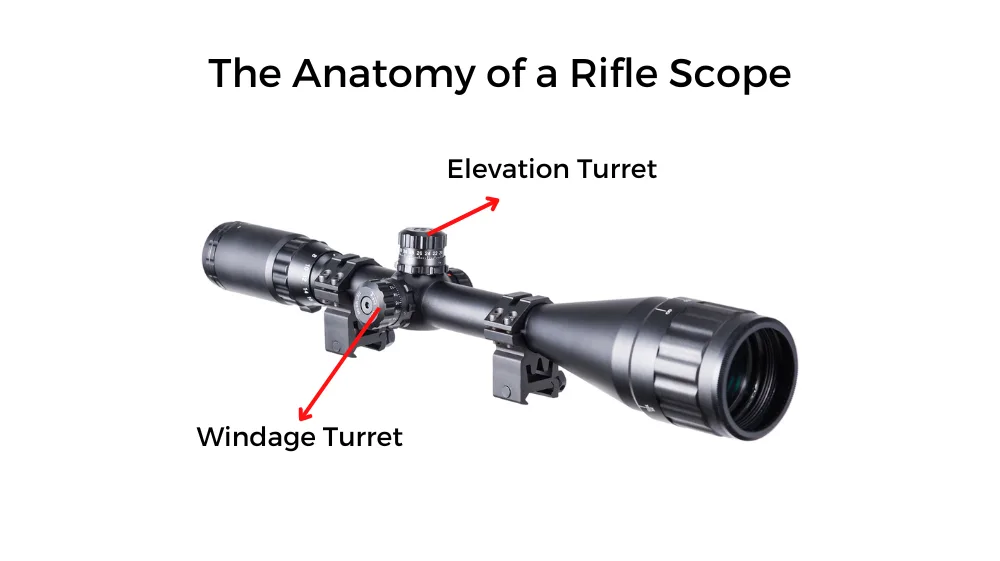
Image source: Web (Bing) / aliexpress.com (Web image (fair-use with source credit))
Quick Answer
The best rifle scope magnification depends on your shooting distance. For wooded hunting at 50 to 200 yards, go with 3-9x. For open-country hunting up to 400 yards, 4-12x works well.
For long-range shooting past 600 yards, 6-24x gives you the reach you need. Match the range to your real conditions.
How Magnification Really Works: Eye Relief, Exit Pupil, and Field of View
Magnification tells you how much closer a target appears through the scope compared to the naked eye. A 9x scope makes your target look nine times closer. That part is simple.
But magnification alone doesn't determine what you'll see through the glass. Three specs work together to shape your experience. When you understand how they interact, choosing the right scope gets much easier.
Exit Pupil Controls Brightness
Exit pupil is the size of the light beam that reaches your eye. You calculate it by dividing the objective lens diameter by the magnification. A 40mm lens at 4x gives you a 10mm exit pupil.
That same lens at 12x drops to just 3.3mm.
Your pupil dilates to roughly 5 to 7mm depending on lighting conditions. If the scope's exit pupil falls below that threshold, the image looks darker. This is why high-magnification scopes struggle at dawn and dusk when ambient light is already low.
Manufacturer specs from Leupold confirm this relationship across their optics line. Verified buyer reports describe the noticeable brightness difference shooters experience when moving from 3x to 15x on the same objective lens size.
Field of View Shrinks as You Zoom In
Field of view is how much area you can see at a given distance, measured in feet at 100 yards. As magnification increases, field of view decreases. It's a direct trade-off with no workaround.
A 3-9x scope might show 39 feet of view at 3x. At 9x, you're down to about 13 feet. You gain detail but lose peripheral awareness.
For hunting moving game in thick brush, that loss matters more than most shooters expect.
Eye Relief Protects Your Brow
Eye relief is the safe distance between your eye and the rear lens, usually 3 to 4 inches. You need enough clearance so recoil doesn't slam the scope into your brow. That impact is called scope bite, and it happens more often than you'd think.
High-recoil calibers like .300 Win Mag and .30-06 demand longer eye relief distances. If you're shooting one of these cartridges, prioritize eye relief over maximum magnification. Your eyebrow will thank you.
The Main Magnification Ranges Explained: 2-7x, 3-9x, 4-12x, 3-15x, 6-24x, and Beyond
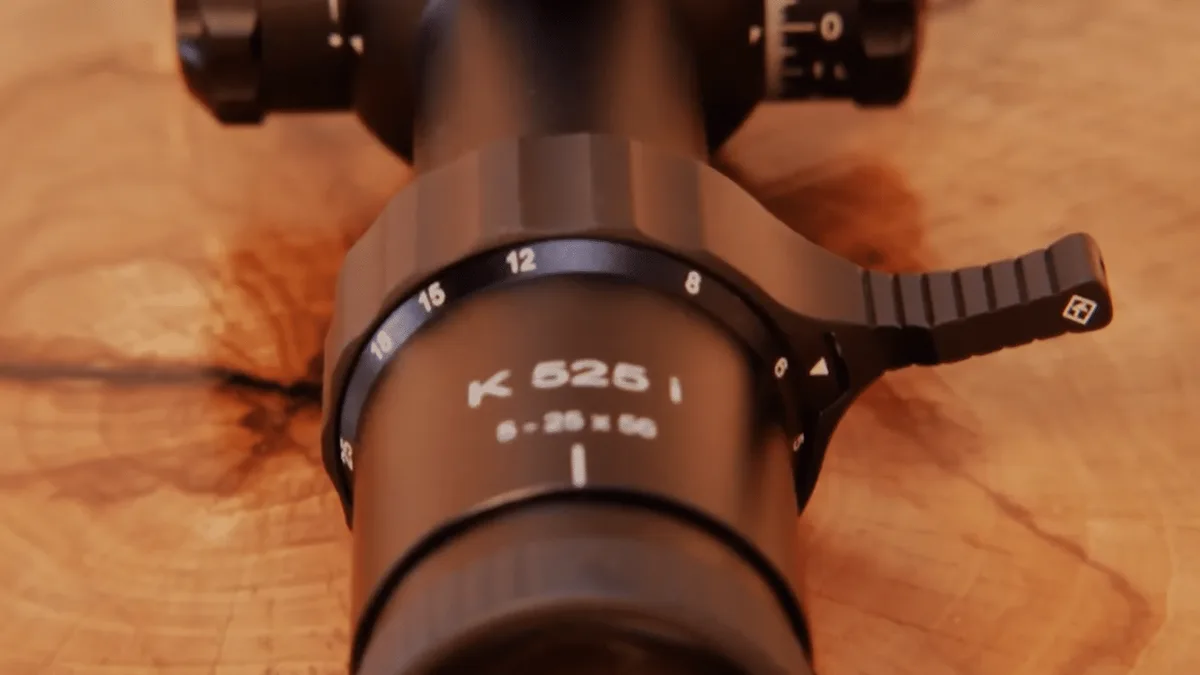
Image source: Web (Bing) / scopesfield.com (Web image (fair-use with source credit))
Variable rifle scopes let you zoom between a low and high power. Fixed scopes deliver one magnification and nothing else. Variable scopes dominate the market for good reason.
They cover multiple scenarios with a single optic.
Here are the most common magnification ranges and what they're built for:
| Magnification Range | Best For | Typical Engagement Distance |
|---|---|---|
| LPVO 1-6x | Close-range, competition, brush hunting | 25 to 150 yards |
| 2-7x | Home defense, short-range hunting | 25 to 150 yards |
| 3-9x | General deer and hog hunting | 50 to 250 yards |
| 4-12x | Open-country big game | 100 to 400 yards |
| 3-15x | All-around hunting and range work | 50 to 500 yards |
| 6-24x | Precision long range, varmint hunting | 300 to 1000+ yards |
| 8-32x | Benchrest, extreme long range | 500 to 1500 yards |
The 3-9x range remains the market leader. Sales data from Leupold and Vortex shows that 3-9x and 3.5-10x scopes are among their top sellers year after year. This range covers the distances most hunters actually shoot.
For fixed magnification scopes, 4x and 10x are the two most common options. A fixed 4x delivers a wide field of view for close-range hunting. A fixed 10x works well for precision shooting at 100 yards and beyond.
LPVO scopes, like the popular 1-6x range, have surged in popularity as of 2026. Vortex Optics leads this category with their Razor line. LPVOs shine in dynamic situations where you switch between close and mid-range targets quickly.
The maximum magnification number on a scope matters less than the magnification you'll actually use most days. A 3-15x scope set to 6x in the field is your real operating power, not 15x.
Best Magnification for Each Shooting Scenario: Deer, Pronghorn, Varmints, and Range Work
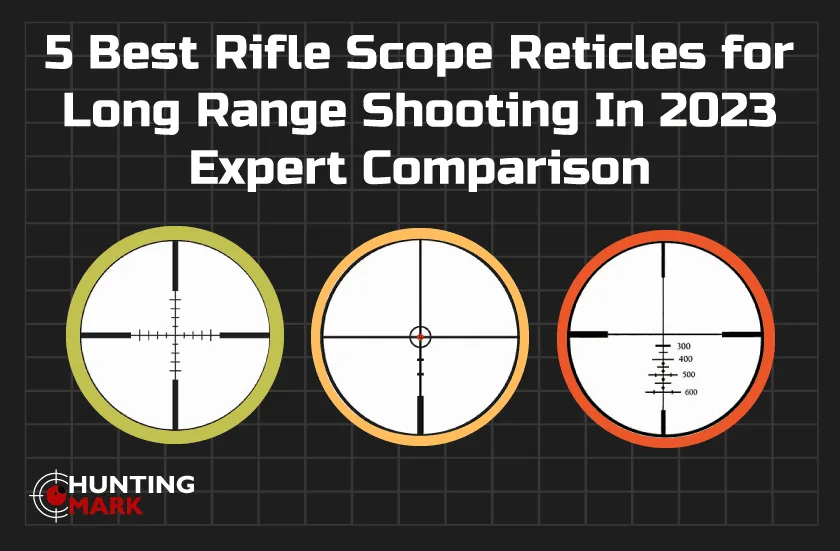
Image source: Web (Bing) / huntingmark.com (Web image (fair-use with source credit))
Your shooting scenario drives your magnification choice more than any other factor.
Deer Hunting in Eastern Woodlands
In thick hardwood forest, deer rarely stay more than 150 yards away. A 3-9x scope covers this range comfortably. Most whitetail hunters spend their time at 6x or lower anyway, using the higher powers for the occasional long shot across a field edge.
Pronghorn and Open-Country Hunting
Out west, pronghorn can appear at 200 to 400 yards. You'll need at least 4-12x to glass and identify targets at these distances. Many pronghorn hunters prefer 6-24x for the extra glassing power, especially during early morning light when distances are hardest to judge.
Varmint and Predator Hunting
Varmint hunters shooting prairie dogs and coyotes from stationary positions often run 6-24x or higher. Small targets at 300 to 500 yards demand the magnification to see clearly. FFP scopes are particularly popular here because reticle subtensions stay accurate across all magnification settings.
Range Work and Target Shooting
For casual range shooting at 100 yards, a 3-9x or 4-12x covers it. For precision work at 500 yards and beyond, 6-24x gives you the detail you need to call your shots. Competitive shooters in disciplines like PRS and NRL often run 5-25x or similar ranges.
| Scenario | Recommended Magnification | Typical Distance |
|---|---|---|
| Eastern deer hunting | 3-9x | 50-150 yards |
| Western big game | 4-12x | 150-400 yards |
| Varmint / predator | 6-24x | 300-600 yards |
| Target shooting | 4-12x to 6-24x | 100-800 yards |
| Competition (PRS/NRL) | 5-25x | 200-1000+ yards |
Match your magnification to the distance you actually shoot. Not the distance you think you might shoot someday.
Common Mistakes to Avoid When Picking Rifle Scope Magnification
Most scope-buying mistakes trace back to magnification choices. Here are the errors we see most often.
Buying Too Much Magnification
A 6-24x scope for deer hunting when you'll only use 6x most of the time is spending money on magnification you don't need.
Exit pupil matters more than most buyers realize. If you're hunting at dawn or dusk, a scope with a 40mm objective at 15x delivers a tiny 2.7mm exit pupil. Your eye dilates to 5 to 7mm in low light, so the image looks dim and muddy.
You'd be better off with a 3-9x scope where the same 40mm lens gives you a 4.4mm exit pupil at 9x.
FFP Versus SFP Confusion
This trips up a lot of shooters. First Focal Plane scopes scale the reticle with magnification, keeping subtensions consistent. Second Focal Plane scopes keep the reticle fixed, meaning subtensions change at every power setting.
For hunting, SFP works well since you typically shoot at one magnification. For long-range work, FFP gives you accurate holdovers at any power setting.
Fixed Scopes Get Overlooked
Fixed 4x and fixed 10x scopes are lighter, less expensive, and mechanically simpler than variable models. A fixed scope has fewer moving parts to fail. If you shoot at a single distance most of the time, a fixed scope might serve you better than a variable one.
Pro Tips From Experienced Shooters
Test Your Magnification in Actual Light Conditions
Verified buyer feedback repeatedly shows that scope performance changes dramatically between daylight and low light. Take your scope to the field at dawn and dusk before you finalize your choice. What looks great under fluorescent range lighting may disappoint at first light.
Buy for the Distance You Shoot Most
If 80 percent of your shots fall inside 250 yards, buy for that range. Don't chase maximum reach for the rare long shot you might take twice a year. Your everyday magnification setting matters more than the top number on the box.
FFP or SFP Based on Your Primary Use
For PRS-style competition, choose FFP. For whitetail hunting at a single distance, SFP works fine. For varmint hunting with variable shots at different ranges, FFP lets you use any power without recalculating holdovers.
Match the scope system to your discipline.
Weight Matters More Than You Think
A 6-24x scope on a lightweight hunting rifle can throw off the balance badly. Heavier scopes slow your swing speed in the field. For mobile hunting, aim for scopes in the 18 to 24 ounce range.
Manufacturer specs list weights clearly, so check before you buy.
Frequently Asked Questions
What magnification do I need for deer hunting?
For most deer hunting, 3-9x covers your needs comfortably. Eastern woodland hunters rarely shoot past 150 yards, where 6x is plenty. Western hunters in open country should consider 4-12x for the extra reach when glassing across fields and meadows.
Is a 6-24x scope overkill for hunting?
For typical hunting distances under 300 yards, yes. A 6-24x scope adds weight and reduces field of view without real benefit. Varmint and predator hunters shooting at 400 yards and beyond will appreciate the higher power.
For deer and elk, stick with something lighter like 4-12x.
What is the difference between first focal plane and second focal plane?
First focal plane scopes scale the reticle with magnification, so subtensions stay consistent at every power setting. Second focal plane scopes keep the reticle fixed, meaning holdover values only work at one specific magnification. FFP suits long-range shooting.
SFP suits fixed-distance hunting.
Does objective lens size matter as much as magnification?
The objective lens diameter matters for low-light performance but not as much as you might think. A 50mm lens delivers a brighter image than a 32mm lens, but the difference shrinks at higher magnification. Prioritize the right magnification range first, then pick a reasonable objective size.
What magnification is best for 300-yard shots?
A 4-12x scope covers 300-yard shots well, with 9x or 10x typically enough for clear target identification. If you're regularly shooting at 300 yards, a 3-15x or 6-24x gives you more flexibility for adjusting to changing light and distance.
Should I buy a fixed magnification scope instead?
If you always shoot at similar distances, a fixed 4x or 10x scope can outperform a variable scope at the same price point. Fixed scopes are lighter and mechanically simpler. Variable scopes earn their premium when your shooting distances vary widely.
Final Verdict: Your Decision Guide
Here's the simplest way to choose the right magnification:
- If you hunt woods at under 200 yards, pick 3-9x
- If you hunt open country at 150 to 400 yards, pick 4-12x
- If you shoot varmints or compete past 400 yards, pick 6-24x or higher
- If you need one scope for multiple scenarios, 3-15x or 4-12x covers the most ground
The right magnification isn't the biggest number on the box. It's the one that matches where you actually shoot. Manufacturers from Leupold to Vortex to Nightforce build scopes at every magnification range for a reason.
Pick the range that fits your conditions, test it in real light, and you'll stop second-guessing your choice.




