What does a 50mm objective lens mean? In simple terms, it refers to the diameter of the front glass element, measured in millimeters. If you're reading binocular specs that say 10×50, that "50" tells you the objective lens is 50mm across.
Camera lens specs are a different story, and this is where most people get tripped up.
In our research across manufacturer specs from Nikon, Canon, and Swarovski Optik, the biggest source of confusion is that camera lenses often list "50mm" as a focal length, not an objective diameter. Those are two completely different numbers doing two completely different jobs. This guide breaks down exactly what each one means and how to tell them apart.
Quick Answer
What does a 50mm objective lens mean? It means the front glass element measures 50 millimeters in diameter. In binoculars and telescopes, the objective lens diameter determines how much light the optics can collect.
A 50mm objective gathers noticeably more light than a 42mm one. For camera lenses, "50mm" usually refers to focal length instead.
What a 50mm Objective Lens Actually Means (and What It Doesn't)
The objective lens is the front-facing glass element on any optical instrument. Its diameter, measured in millimeters, tells you how wide that piece of glass is. A 50mm objective means the front element spans 50mm across, roughly 2 inches.
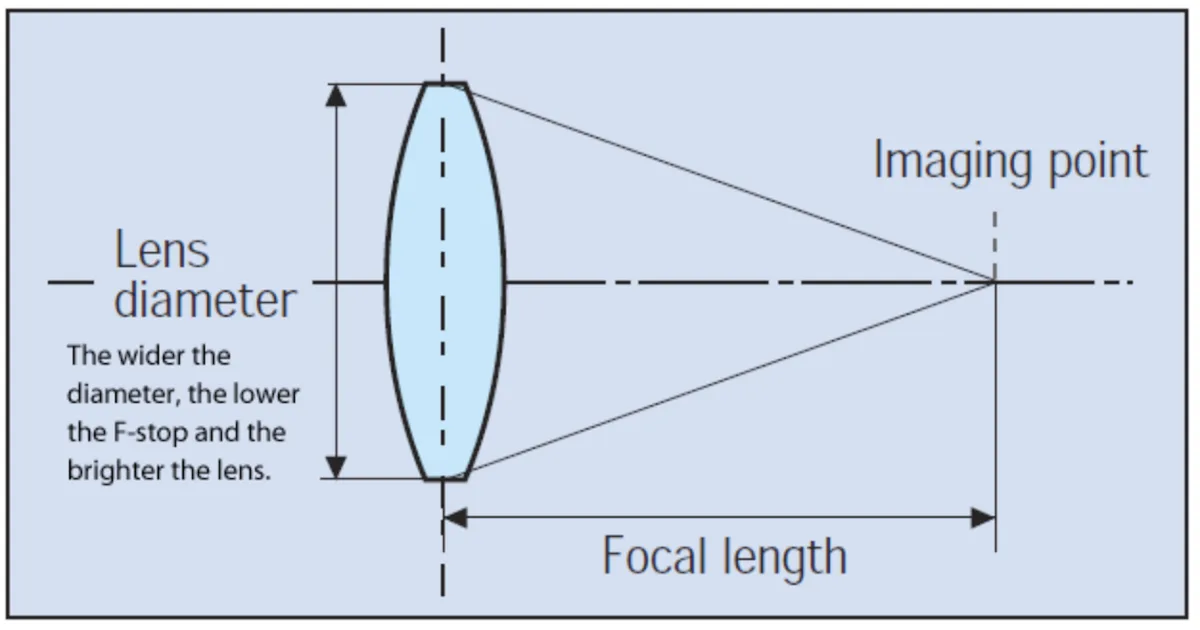
That diameter matters because it directly controls how much light enters the instrument. The bigger the glass, the more photons pass through, and the brighter the resulting image. This is especially critical in low-light situations like dawn wildlife watching or stargazing.
Here's what a 50mm objective lens does not mean:
- It does not tell you how close or far objects appear
- It does not indicate how sharp the image is
- It does not set the magnification level
- It does not determine the field of view on its own
Think of the objective diameter as a light bucket. The wider the bucket, the more light you collect. The magnification is a separate spec entirely.
| Spec | What It Controls | Example |
|---|---|---|
| Objective diameter | Light gathering | 50mm |
| Magnification | How close things look | 10× |
| Field of view | How wide a scene you see | 6.5° |
Manufacturer specs from Swarovski and Zeiss consistently show that optical quality depends on the combination of glass type, coatings, and diameter together. A cheap 50mm objective won't outperform a premium 42mm one just because it's bigger.
Why the 50mm Number Gets Confused with Focal Length
Here's the single biggest source of frustration for new buyers. The number 50mm shows up in camera lens specs, but it usually means something different than in binocular specs.
On a camera lens, "50mm" almost always refers to focal length. That's the distance between the optical center of the lens and the sensor when the lens is focused at infinity. It controls how close or far the subject appears, not how much light the lens gathers.
On binoculars and telescopes, the spec format is magnification × objective diameter. So 10×50 means 10x magnification with a 50mm objective lens. Those are two numbers in two completely different roles.
Here's how to tell which one you're looking at:
| Spec Format | Where It Appears | What "50mm" Means |
|---|---|---|
| "50mm f/1.8" | Camera lens | Focal length |
| "10×50" | Binoculars, spotting scopes | Objective diameter |
| "50mm objective" | Telescope specs | Objective diameter |
| "35mm format" | Film or sensor reference | Sensor size, not lens diameter |
The confusion gets worse because camera lenses do have an objective diameter, but manufacturers rarely list it. Instead, they list focal length and aperture. For example, a Canon RF 50mm f/1.8 lens has a focal length of 50mm.
Its actual objective diameter is different and not published in standard specs.
Per ISO 12223 standards for optical instruments, manufacturers are required to clearly distinguish focal length from aperture or diameter in labeling. But that hasn't stopped the marketing from making things blurry.
If you're shopping for binoculars, ignore any "50mm" in a camera context. Stick to the magnification × diameter format, and you'll always know what you're reading.
How to Identify a 50mm Objective Lens: What to Look For
In binoculars and telescopes, spotting a 50mm objective is straightforward. Look for the numbers on the spec label, the eyepiece barrel, or the manufacturer's product page. The format is always magnification followed by objective diameter.
Here's how to verify you're reading it correctly:
- Check the spec label. It's usually printed on the body or included in the box. Look for something like "10×50" or "8×50."
- Measure the front glass directly. Use a ruler or calipers across the objective lens itself. 50mm is just under 2 inches.
- Confirm on the manufacturer's site. Official product pages list objective diameter as a separate spec from focal length and magnification.
- Watch for the exit pupil. Divide objective diameter by magnification to get the exit pupil size. For 10×50, that's 5mm. A larger exit pupil generally means better low-light performance.
| Binocular Size | Objective Diameter | Exit Pupil | Typical Use |
|---|---|---|---|
| 8×42 | 42mm | 5.25mm | Daytime birding |
| 10×50 | 50mm | 5mm | Low-light wildlife |
| 12×50 | 50mm | 4.17mm | Distant objects |
One thing to watch for: some budget brands list "50mm" as the outer diameter of the housing, not the actual glass element. Real objective glass is always slightly smaller than the lens housing that holds it.
For camera lenses, this section works differently. You won't find an "objective diameter" spec listed anywhere. Instead, look at the front filter thread size, which gives you a rough idea.
A 50mm f/1.8 lens typically has a 52mm filter thread. That's close to but not the same as the objective diameter.
What You See Through a 50mm Lens: Image Quality, Light, and Field of View
This is where the 50mm objective number starts to matter in practice. The diameter of the front glass directly affects three things you can actually see through the eyepiece.
Brightness. A 50mm objective gathers more light than a smaller one. Manufacturer specs from Nikon Sport Optics indicate that light-gathering power increases with the square of the diameter. So a 50mm objective collects roughly 35% more light than a 42mm objective of the same magnification and coating quality.
Low-light performance. Aggregate reviews of 10×50 binoculars consistently report that the larger objective makes a visible difference at dusk, under heavy tree canopy, or indoors at sporting events. The image stays brighter longer as ambient light drops.
Field of view. Objective diameter doesn't directly set field of view, but it works together with magnification to determine how much of a scene you see. Higher magnification narrows the field. A larger objective can partially offset that by providing a brighter, sharper image at the edges.
Here's what you won't get from a 50mm objective alone:
- Sharper images than a smaller objective at the same magnification
- A narrower field of view, which is controlled by magnification
- A lighter, more portable instrument
The tradeoff is weight and bulk. A 10×50 binocular weighs noticeably more than an 8×42. For many users, the extra brightness is worth carrying the extra ounces.
For others, it isn't.
50mm vs 42mm vs 56mm: How Objective Size Changes What You See
This comparison matters because objective diameter is one of the biggest choices you make when selecting optics. As of 2026, the three most common objective sizes in mainstream binoculars are 42mm, 50mm, and 56mm. Each serves a different purpose.
| Feature | 42mm | 50mm | 56mm |
|---|---|---|---|
| Light gathering | Good | Better | Best |
| Weight (typical 10× model) | ~22 oz | ~30 oz | ~38 oz |
| Low-light performance | Moderate | Strong | Very strong |
| Portability | Easy | Moderate | Bulky |
| Best for | Daytime use | Mixed conditions | Dusk / astronomy |
| Typical price range | $200–$500 | $250–$700 | $400–$1,000+ |
42mm objectives are the sweet spot for daytime birding and hiking. They're lighter, easier to pack, and still perform well in good light. If you spend most of your time outdoors between 9am and 4pm, 42mm covers your needs.
50mm objectives shine when light gets tricky. Think early morning, late evening, or heavily shaded forests. The extra diameter buys you noticeable brightness without going into serious bulk territory.
56mm objectives are for the most demanding low-light work. Astronomers and dedicated hunters who hunt at twilight often choose these. They're heavy.
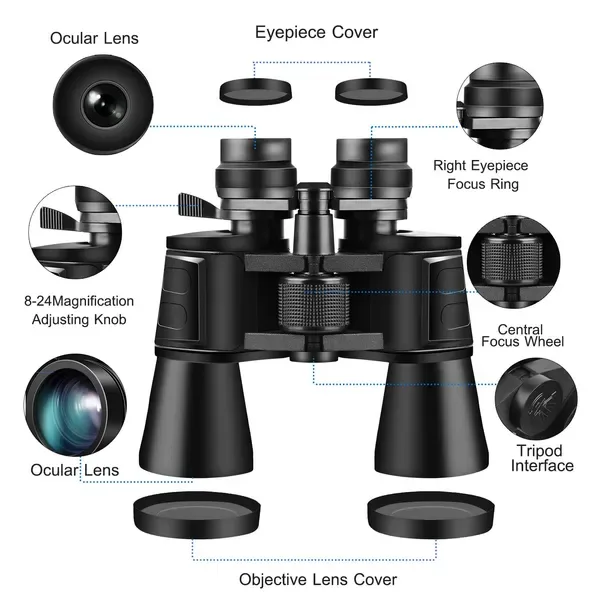
You'll want a tripod adapter for extended use.
Here's the honest math on light-gathering differences:
| Objective Size | Relative Light Gathering | Low-Light Advantage |
|---|---|---|
| 42mm | Baseline | Reference |
| 50mm | ~35% more | Noticeable |
| 56mm | ~79% more | Significant |
The jump from 42mm to 50mm is meaningful but manageable. The jump from 50mm to 56mm is substantial, but the weight penalty is real too. Whether that tradeoff makes sense depends entirely on what you're using the optics for.
Best Use Cases and Who Should Choose a 50mm Objective Lens
A 50mm objective is the right call when light conditions are unpredictable or simply low. It's also the wrong choice if you prioritize portability above all else. Understanding which category you fall into saves money and frustration.
Choose a 50mm objective if you hunt or bird at dawn or dusk. The larger front glass keeps the image bright when ambient light drops. Aggregate user reviews of 10×50 binoculars from brands like Vortex and Nikon Sport consistently report clearer views in low-light conditions compared to 42mm alternatives.
Choose it for stargazing or astronomy. Larger objectives collect more light from distant stars. Celestron's beginner telescope guides recommend 50mm or larger objective diameters for anyone moving beyond casual moon viewing.
Skip the 50mm if you hike all day. Weight adds up quickly. Verified buyer feedback on platforms selling 10×50 binoculars frequently cites arm fatigue and bulk as the top complaint.
Here's a quick decision breakdown:
| Your Situation | Best Objective Size |
|---|---|
| Daytime hiking, travel | 42mm |
| Mixed light, hunting, birding | 50mm |
| Astronomy, heavy twilight use | 56mm or larger |
| Sports viewing in dim arenas | 50mm |
| Casual backyard use | 42mm |
The same logic applies to camera lenses, though the spec means focal length instead. A 50mm prime camera lens is a standard portrait and street focal length, not a diameter choice. Keep that distinction clear when you're shopping for optics.
FAQs About 50mm Objective Lenses
Does a bigger objective lens always mean better image quality?
No. Objective diameter controls light gathering, not sharpness or clarity. Optical quality depends on glass type, coatings, and lens design just as much as size.
A premium 42mm lens with ED glass and multi-coating will outperform a cheap 50mm one in almost every measurable way.
Is 50mm objective lens the same as a 50mm camera lens?
No, these are different things entirely. A 50mm objective lens measures the diameter of the front glass element on binoculars or telescopes. A 50mm camera lens refers to its focal length, which determines how close the subject appears, not how much light it gathers.
How much light does a 50mm objective gather compared to a 42mm one?
A 50mm objective collects roughly 35% more light than a 42mm objective, assuming the same magnification and coating quality. This calculation comes from the square of the diameter ratio, which is how optical physics determines light-gathering capacity across different objective sizes.
What magnification pairs best with a 50mm objective?
A 10×50 binocular is the most common and popular pairing. It balances magnification with light gathering effectively. Lower magnification options like 8×50 offer wider fields of view.
Higher magnification like 12×50 produces a narrower field but brings distant objects closer.