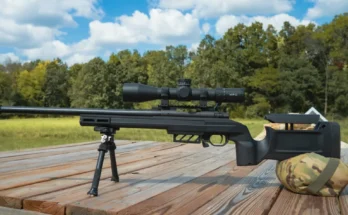
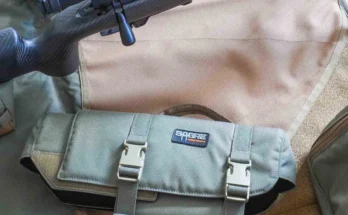
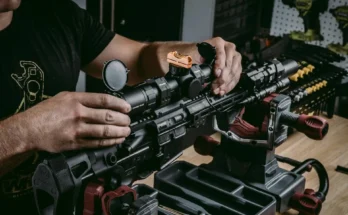
How do I protect a rifle scope from rain? That question comes up for almost every hunter who's sat in a tree stand watching clouds roll in. Rain isn't just uncomfortable.
It's one of the fastest ways to fog your lens, rust your mounts, and scratch expensive coatings.
The right approach depends on weather severity and how long you're in the field. Most quality scopes are rated IPX7 as of 2026, meaning they hold up under 1 meter of water for 30 minutes. But proactive protection still makes a big difference.
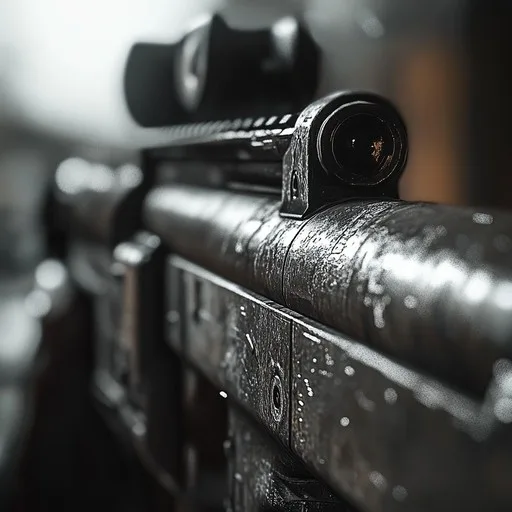
Image source: Bing (Web (fair-use with source credit))
Why a One-Size-Fits-All Rain Protection Strategy Fails Your Scope
A scope protected for a quick morning hunt won't survive a three-day elk trip in October rain. The variables change too much between scenarios. Light drizzle behaves differently than driving rain.
Humid lowland mornings feel nothing like a cold mountain squall.
What works in one situation can actually hurt you in another. Sealing your scope in a silicone cover during dry heat seems smart. But in high humidity, that same cover traps moisture against the glass and speeds up fogging.
Meanwhile, leaving covers off during light drizzle wastes a perfectly good lens shade.
That's why rain protection works best as a decision tree instead of a fixed checklist. You need to match your approach to your conditions. A generic strategy is the fastest way to end up with a foggy, scratched optic by season's end.
Quick Answer: What Actually Works in the Field
How do I protect a rifle scope from rain? Keep lens covers on when you're not shooting. Clean with a microfiber cloth and ammonia-free solution after wet hunts.
Apply anti-fog spray to the eyepiece in humid conditions. Store the scope in a case with silica gel packs.
Those five steps cover most rain exposure scenarios. But heavy, sustained rain calls for more. You'll want a rain cover over the scope body.
Capped turrets keep moisture out of your adjustment knobs. And if your scope isn't nitrogen purged, fogging becomes a serious issue during temperature swings.
Manufacturer specifications from brands like Vortex Optics confirm that most premium scopes are sealed and nitrogen purged to prevent internal fogging. What they can't handle is prolonged moisture sitting on the lens, improper cleaning, or neglect of O-ring seals.
Protect those three things and your optic should outlast most of the rifles you mount it on.
Know Your Conditions First: The Variables That Change Everything
Light Drizzle or Passing Showers
If you're only facing light rain, your existing scope probably handles it fine. Most quality optics are sealed and nitrogen purged. Keep flip-up covers closed between shots.
Wipe the lens dry if water pools on the surface.
Heavy Sustained Rain
Driving rain changes the equation completely. Water accumulates faster than lens covers can shed it. You'll need a rain cover or hood over the scope body.
Moisture can work into turret seals during extended exposure.
High Humidity Without Visible Rain
High humidity is sneakier than actual rain. Fog builds on your lens before you even notice it. Anti-fog spray on the eyepiece helps a lot.
Skip silicone covers in extreme humidity since they trap moisture against the glass.
| Condition | Risk Level | Best First Step |
|---|---|---|
| Light drizzle | Low | Flip-up covers closed between shots |
| Heavy rain | High | Rain cover + capped turrets |
| High humidity | Medium | Anti-fog spray on eyepiece |
| Rain turning to snow | High | Full cover + gradual warm-up |
The Decision Tree: Pick Your Rain Protection Strategy
If light rain is forecast for under two hours, keep your lens covers closed between shots. You don't need anything extra. If you're facing heavy rain for more than four hours, add a dedicated rain cover over the scope body.
If your hunt involves temperature swings over 20 degrees Fahrenheit, expect fogging. Carry an anti-fog spray for the eyepiece and apply it before the hunt starts. If rain turns to snow, moisture contact is actually lower.
But freezing temperatures stress O-ring seals, so warm your scope gradually before making adjustments.
If you hunt in high humidity zones like the Southeast, skip silicone covers. Rely on anti-fog treatment plus regular lens wiping. If you're on a multi-day backcountry trip, you need a complete kit: covers, cleaning solution, microfiber cloth, silica gel packs, and O-ring grease.
If you're day hunting within a short drive of home, basic covers and a post-hunt wipe-down are usually enough. Match your gear to the forecast, not to habit.
Cleaning Your Scope Lenses After the Hunt: The Right Sequence
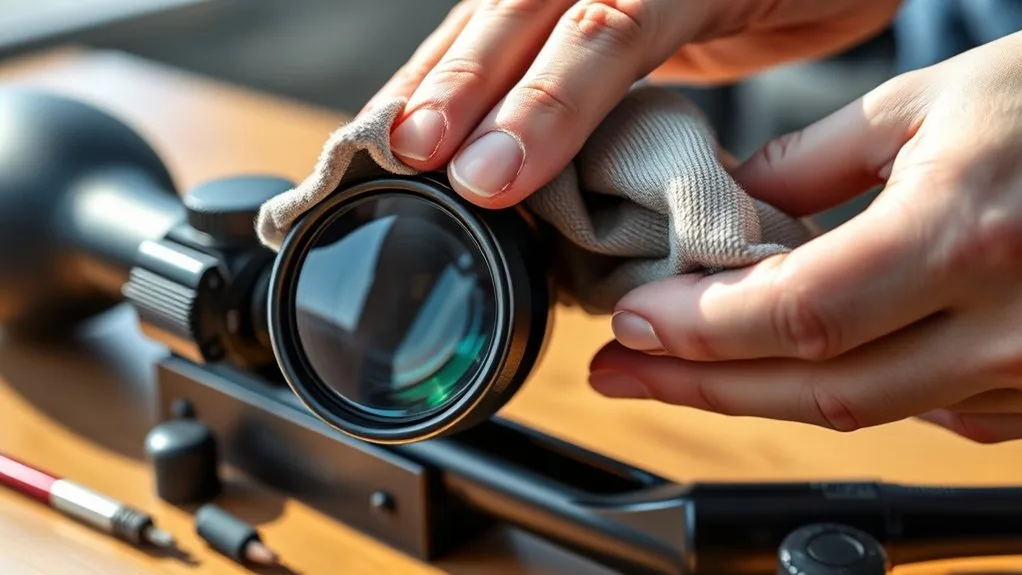
Image source: Web (Bing) / americangunworks.net (Web image (fair-use with source credit))
Always start by blowing loose grit off the lens. Then wipe dry with a clean microfiber cloth. Most lens scratches happen when someone wipes grit across the glass.
Blow first, wipe second.
Apply a few drops of ammonia-free lens cleaner to a clean section of the cloth. Never spray directly onto the glass. Wipe in one direction, not circles.
Circles spread grit around instead of lifting it away.
Dry the lens with a fresh, dry microfiber cloth. Check for spots before putting the scope away. If you see any, repeat the cleaning once.
Leupold's care guidance recommends ammonia-free products since household cleaners permanently damage multi-coated optics.
If you've hunted in heavy rain, also check the scope mount and base for rust. Wipe them down and apply a thin coat of protective oil. This prevents the most common post-rain failure point.
Mistakes That Ruin Rifle Optics in Wet Conditions
Using household glass cleaner is the single most common mistake. Products like Windex contain ammonia, which permanently degrades multi-coated lens surfaces. Manufacturer guidance from brands like Vortex and Leupold consistently warns against this.
Wiping a wet lens with whatever's in your pocket is the second mistake. A rough shirttail drags grit across the coating. Even a single wipe can scratch a $600 scope permanently.
Blow grit off first, then use a proper microfiber cloth.
Forgetting to check O-ring seals after wet seasons causes slow damage. Moisture cycles wear the rubber down over years. By the time you notice, the seal has failed and the scope fogs internally.
Inspect the seals every few months.
Third mistake: storing a wet scope in a sealed case. Trapped moisture breeds mold on rubber and corrodes metal parts. Let everything air-dry before zipping up your case.
Add silica gel packs to absorb residual humidity.
Choosing the Right Covers, Cleaners, and Maintenance Gear
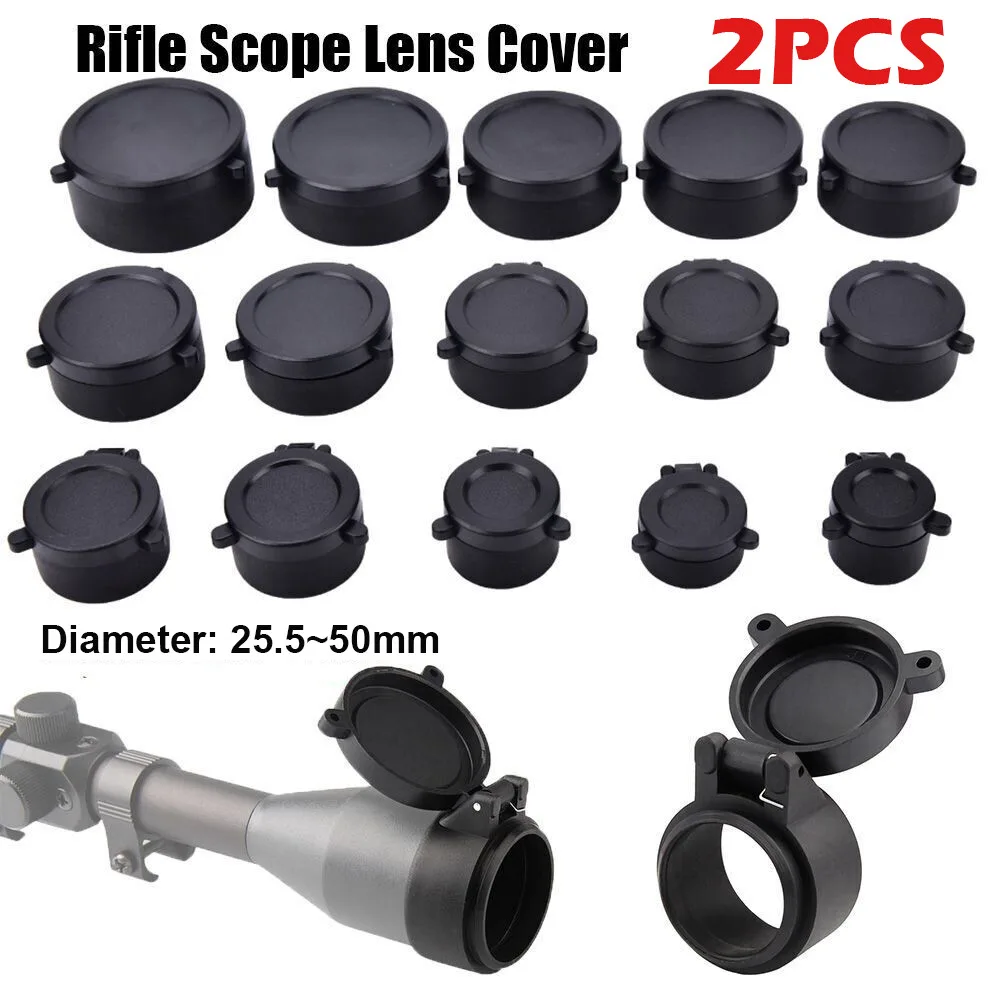
Image source: Web (Bing) / ebay.com (Web image (fair-use with source credit))
Flip-up scope covers are the most reliable choice for wet-weather hunting. They attach permanently to the lens and flip open with one hand. Bikini-style covers work too, but they pop off easily during fast transitions.
For cleaning supplies, stick to optics-specific products only. A dedicated lens cleaning solution costs between $5 and $20. You'll also need a fresh microfiber cloth every six to twelve months with regular use.
| Gear Item | Price Range | Best For |
|---|---|---|
| Flip-up caps | $15 to $40 | Heavy rain hunting |
| Bikini covers | $5 to $15 | Light drizzle or range days |
| Anti-fog spray | $8 to $25 | Humid lowland hunts |
| Rain cover | $15 to $80 | Multi-day backcountry trips |
| O-ring grease kit | $10 to $30 | Preventive maintenance |
Silica gel packs cost a few dollars per pack. They keep moisture out of your scope case during storage. Keep a handful in your optics bag at all times.
Frequently Asked Questions
Can rain water permanently damage a rifle scope?
Not usually. Most quality scopes are sealed and nitrogen purged to handle rain exposure. The real damage comes from improper cleaning, trapped moisture in cases, and neglected O-ring seals over time.
Protecting your scope from rain means managing these secondary issues.
How often should I replace the O-ring seals on my rifle scope?
Manufacturer specifications indicate O-ring seals should be checked every six to twelve months and replaced every two to three years depending on usage frequency. Frequent hunters in wet climates lean toward the shorter end of that range.
Does nitrogen purging prevent all scope fogging?
Nitrogen purging prevents internal fogging from temperature changes. It doesn't stop external lens fogging caused by humidity or breath fogging on cold mornings. External fogging still needs anti-fog spray and regular lens cleaning to manage effectively.
Can I use tap water to clean my scope lens?
No. Tap water leaves mineral deposits that etch lens coatings over time. Use only distilled water or an ammonia-free lens cleaning solution.
If you're caught without either, a dry microfiber wipe is safer than contaminated water.
Is a rain cover really necessary if my scope is waterproof?
A waterproof rating means the scope holds up under rain. A rain cover goes further by keeping standing water off the lens and preventing mineral spots when the rain dries. Both work together in extended wet-weather hunts.
Your Final Decision Guide: Matching Protection to Your Hunt
If you're facing light rain for under two hours, flip-up covers plus a post-hunt microfiber wipe are sufficient. No extra gear needed. Your sealed, nitrogen purged scope handles that load without issues.
If heavy rain is forecast for more than four hours, add a rain cover over the scope body. Keep the lens covers closed between shots. Carry cleaning supplies for a mid-hunt wipe if you're on a stand all day.
If humidity is your main enemy rather than actual rain, prioritize anti-fog spray on the eyepiece. Skip silicone covers in extreme humidity. They trap moisture against the glass and make fogging worse, not better.
Multi-day hunts in wet conditions call for the complete kit. Covers, cleaning solution, microfiber cloth, silica gel packs, O-ring grease, and protective oil for your mounts. O-ring maintenance every few months extends your scope's lifespan significantly.
Whatever your situation, the pattern stays consistent. Keep covers on. Clean with the right products.
Store dry with desiccants. And inspect your seals regularly. That's the whole approach, tailored to whatever weather you're walking into.