Are rifle scopes waterproof? Most modern rifle scopes are built with waterproof seals, but "waterproof" doesn't mean the same thing across every model. Protection ranges from basic splash resistance to full submersion capability.
Knowing where a scope falls on that spectrum matters before you spend money.
According to manufacturer specifications and the ISO ingress protection standard, waterproofing varies widely by price and construction. Budget scopes often offer basic moisture resistance. Mid-range and premium models use O-ring seals and nitrogen gas purging for full weather protection.
Here's what each level actually means in practice.
Image source: Web (Bing) / rixoptics.com (Web image (fair-use with source credit))
Quick Answer
Most rifle scopes are waterproof, but protection levels vary widely. Budget scopes offer basic splash resistance. Mid-range and premium scopes use O-ring seals and nitrogen purging for weather protection.
The ISO IPX rating shows how much water resistance a scope handles. Check that rating before buying to match your actual conditions.
What "Waterproof" Actually Means for Rifle Scopes
When a manufacturer says a scope is waterproof, they're talking about sealed construction. Every entry point on the scope body, including the adjustment turrets, eyepiece, and objective lens, gets O-ring gaskets to keep water out. Dual-seal designs protect both the optical path and the internal adjustment mechanism.
The second layer is gas purging. Most waterproof scopes are nitrogen purged, meaning oxygen is replaced with dry nitrogen gas inside the housing. This prevents internal condensation from forming when temperatures shift rapidly.
A few premium models use argon gas instead, which conducts heat more efficiently and resists thermal shock better.
Leupold publishes waterproof, fogproof, and shockproof as standard specs on every riflescopes product page. Their testing protocols are documented in official product specifications. Other major manufacturers follow similar benchmarks, though testing standards aren't always uniform.
Here's what separates price tiers in practice:
| Scope Tier | Typical Waterproof Feature | Protection Level |
|---|---|---|
| Budget ($50-$200) | Single O-ring seals, nitrogen purging | Splash and light rain |
| Mid-range ($200-$600) | Dual O-ring seals, nitrogen purging | Heavy rain and short submersion |
| Premium ($600+) | Dual O-ring seals, argon purging, sealed electronics | Extended submersion and extreme temperatures |
As of 2026, most mid-range scopes and above come with full waterproof construction as standard. The real question isn't whether a scope is waterproof. It's how much water exposure it can handle without failing.
Waterproof vs. Fog-Proof vs. Weather-Resistant: The Distinction That Matters
These three terms get tossed around interchangeably, but they describe different properties. Getting this wrong is one of the most common mistakes buyers make when choosing a scope.
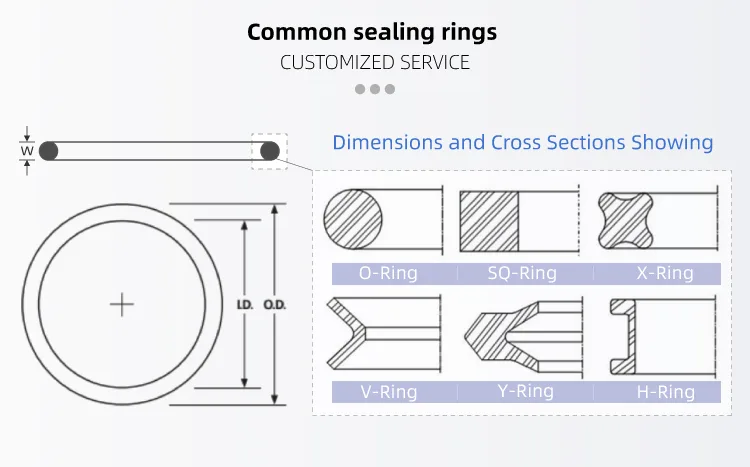
Image source: Web (Bing) / alibaba.com (Web image (fair-use with source credit))
Waterproof means the housing is sealed against water ingress. Water cannot enter the scope body through turrets, seams, or lens mounts. This is measured by the IPX rating system.
Fog-proof means the internal air is replaced with dry gas (nitrogen or argon) so that temperature changes don't cause condensation on internal lens surfaces. A scope can be fog-proof without being fully waterproof.
Weather-resistant is a vague term with no standardized definition. It usually means basic gasketing that handles rain and humidity but won't survive sustained water exposure.
Here's a side-by-side breakdown:
| Property | Waterproof | Fog-Proof | Weather-Resistant |
|---|---|---|---|
| Stops water entry | Yes | Not guaranteed | Limited |
| Prevents internal fogging | Not directly | Yes | No |
| Gas purging | Sometimes | Usually | Rarely |
| Submersion-rated | Depends on IPX | N/A | No |
| Price impact | Moderate to high | Low to moderate | Minimal |
If you hunt in consistent rain or cross streams, waterproof construction is non-negotiable. If your main concern is cold mornings fogging up your sight picture, fog-proof is the key feature to check. Most serious hunters need both.
Scope fogging kills accuracy faster than most people realize. A fully waterproof scope that isn't fog-proof will still fail on a cold morning.
Which IPX Waterproof Rating Do You Actually Need?
The IPX rating system, defined by the ISO standard 20653, gives you a concrete way to compare waterproof performance across brands. "IPX" stands for Ingress Protection against water. The number that follows indicates the level of protection.
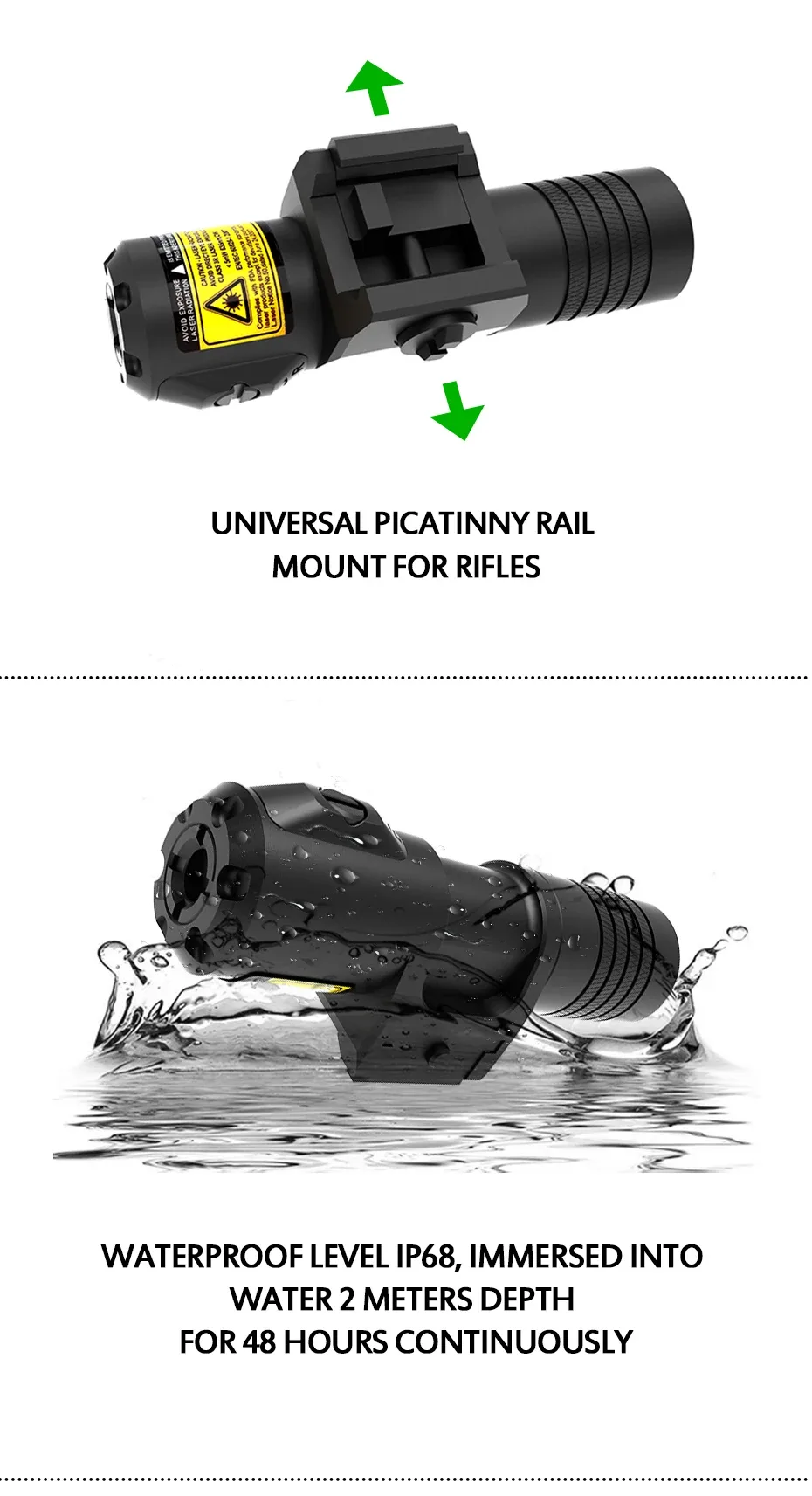
Image source: Web (Bing) / beamqlaser.com (Web image (fair-use with source credit))
Here's what each rating means in real-world terms for rifle scopes:
| IPX Rating | Protection Level | What It Means |
|---|---|---|
| IPX2 | Dripping water | Handles light rain at an angle |
| IPX4 | Splash-proof | Resists splashing from any direction |
| IPX5 | Low-pressure jets | Withstands rain and hose-level water |
| IPX6 | Powerful jets | Handles heavy downpours and storm conditions |
| IPX7 | Temporary submersion | Withstands up to 1 meter for 30 minutes |
| IPX8 | Continuous submersion | Submersion beyond 1 meter, manufacturer-defined |
For most hunting conditions, IPX5 and up is practical. Heavy rain, river crossings, and snow-covered gear call for IPX6 or higher. If you're hunting in wet tropical environments or using a scope mounted on a boat or vehicle that could get soaked, IPX7 or IPX8 is worth seeking out.
One thing to watch: not every manufacturer publishes an IPX rating. Many simply state "waterproof" in their specs without a number. When you see that, assume it's on the lower end of the scale unless the manufacturer provides testing data to prove otherwise.
Match your rating to your conditions rather than buying the highest rating available. A scope rated IPX7 costs more than one rated IPX4. If you only shoot at covered ranges or in dry climates, you're paying for protection you won't use.
Mistakes to Avoid When Choosing a Waterproof Rifle Scope
Buying a waterproof scope sounds straightforward. In practice, there are a few traps that catch even experienced shooters off guard.
Assuming every "waterproof" scope is the same. Manufacturers use this term loosely. A $60 scope marked "waterproof" and a $1,200 scope marked "waterproof" have very different construction. Without an IPX rating number, you have no real way to compare them.
Confusing fog-proof with waterproof. A fog-proof scope can still leak water through poorly sealed turrets. Gas purging and O-ring seals are separate features. Many budget scopes are fog-proof but not fully waterproof.
Ignoring the IPX rating on mid-range and premium models. If a manufacturer publishes an IPX rating, use it. Compare it to your actual hunting or shooting conditions. If you're unsure, err on the higher side.
Overlooking warranty terms for water damage. Some manufacturers exclude water damage from their warranty, especially if the scope was submerged beyond the rated depth. Read the fine print before you buy. A scope that fails in a rainstorm and isn't covered by warranty is an expensive lesson.
Not factoring in temperature swings. Waterproof sealing can degrade with repeated thermal cycling. A scope that starts the day at 20°F and warms to 70°F puts stress on seals and gaskets. Premium scopes with higher-grade O-ring materials handle this better over time.
Forgetting secondary protection. Even a well-sealed scope benefits from rain covers and lens caps. These aren't substitutes for built-in waterproofing, but they extend the life of your optics and keep you in the field longer when weather turns bad.
The bottom line: match the scope's waterproof rating to the conditions you actually shoot in. Over-specifying wastes money. Under-specifying risks damage when you can least afford it.
What to Look for Before You Buy a Waterproof Scope
Once you know what waterproofing means and which IPX rating you need, the buying process gets straightforward. Here's a practical checklist to run before you commit.
Check the IPX rating first. If the manufacturer publishes one, it tells you exactly how much water the scope can handle. If no IPX rating is listed, treat the waterproof claim with skepticism. Ask the manufacturer directly or look for third-party testing data.
Confirm the gas purging method. Look for nitrogen or argon purging in the spec sheet. If the manufacturer doesn't mention gas purging at all, the scope probably isn't fog-proof. That's a dealbreaker for cold-weather hunting.
Review the warranty terms. Read what the manufacturer covers when it comes to water damage. Some warranties exclude submersion beyond the rated depth. Others cover almost anything.
Match the tier to your conditions.
- Budget scopes: fine for covered ranges and dry climates
- Mid-range scopes: solid choice for most hunting conditions
- Premium scopes: worth it for extreme weather and backcountry use
Don't skip secondary protection. Even the best-sealed scope benefits from rain covers and lens caps. They're cheap insurance that extends the life of your optics.
The right scope isn't the most expensive one on the shelf. It's the one whose waterproof rating matches where you actually shoot.
Frequently Asked Questions
Are all rifle scopes waterproof?
No. Budget scopes may offer only basic splash resistance. Mid-range and premium scopes typically use O-ring seals and nitrogen purging for full waterproofing.
Check the manufacturer's IPX rating to confirm how much water exposure a scope can handle before assuming it's fully waterproof.
Is a fog-proof scope also waterproof?
Not necessarily. Fog-proof means dry gas prevents internal condensation. Waterproof means the sealed housing prevents water entry.
Many scopes are fog-proof but not fully waterproof. You need both features for reliable performance in heavy rain and cold weather.
What does nitrogen purging do in a rifle scope?
Nitrogen purging replaces the air inside the scope with dry nitrogen gas. This prevents internal fogging when temperatures change rapidly. It's a key feature in serious hunting scopes.
Argon purging works similarly but conducts heat more efficiently for extreme temperature swings.
Can I use a rifle scope in heavy rain?
Yes, if it has an IPX5 rating or higher. Most mid-range and premium scopes handle heavy rain without issue. Budget scopes may leak after prolonged exposure.
Always check the IPX rating before taking a scope into wet conditions.
What happens if a rifle scope gets water inside?
Water inside a scope causes internal fogging, lens damage, and corrosion. Adjustment mechanisms can seize up, and optical coatings can peel. Repair is expensive and often not covered by warranty.
Prevention through proper waterproofing costs far less than replacement.