Can I mount a rifle scope on any rifle? The short answer is almost, but your rifle has to meet a few conditions first. Not every action type accepts optics out of the box.
Skipping the prep steps leads to frustration, wasted money, and a scope that won't hold zero.
The Picatinny rail standard, known as MIL-STD-1913, remains the most widely used mounting platform as of 2026. Its dimensions are set by the U.S. military's own specification. Knowing whether your rifle has one, or a compatible base, is the starting point for everything that follows.
Quick Answer
Can you mount a rifle scope on any rifle? Almost every rifle can take a scope, but not all come ready. Bolt-action and semi-auto rifles are usually scope-ready from the factory.
Lever-action rifles and old shotguns may need gunsmith work first.
The Short Answer: Almost, But It Depends on Your Rifle
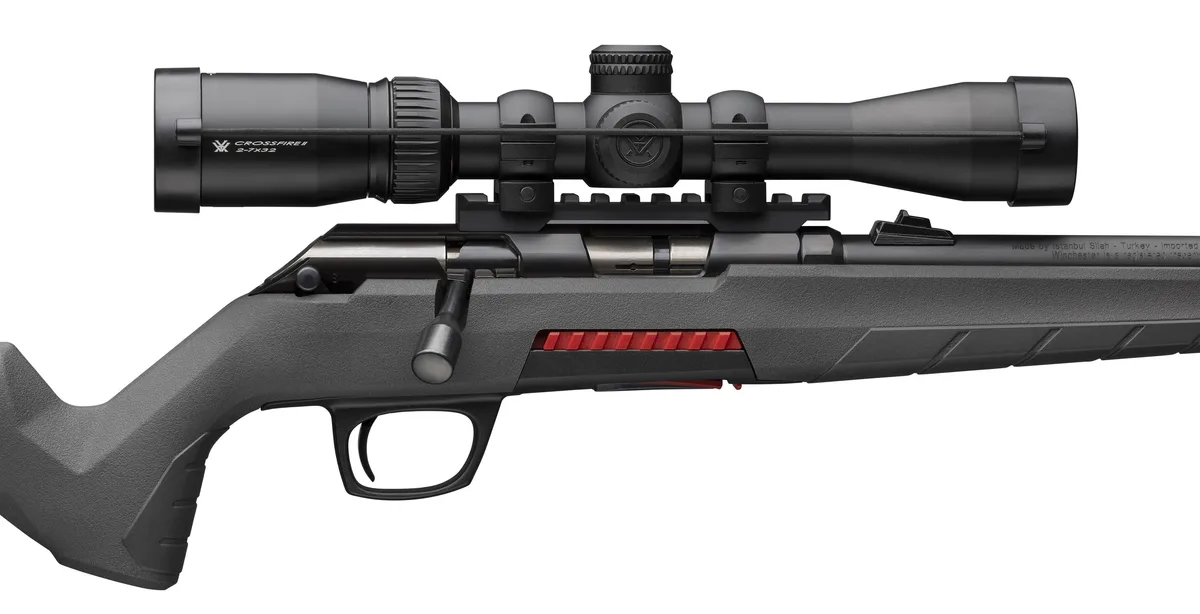
Almost every rifle in production today can accept a scope. But "almost" is doing heavy lifting here. A rifle is scope-ready when its receiver has a base system to attach rings to, and the action type doesn't interfere with the optic.
Bolt-action rifles are the easiest case. Most come drilled and tapped from the factory. They often include an integrated rail or screw holes for a base.
Modern semi-automatic rifles follow close behind. Many AR-pattern platforms ship with a Picatinny rail already on top.
The exceptions show up on the older and niche side. Lever-action rifles, single-shot shotguns, and some older bolt-action designs often need aftermarket work before glass fits properly.
The bottom line: if you've got a rail or the receiver is drilled and tapped, you're good to go. If not, you've got options, but they take more effort.
What Makes a Rifle Scope-Ready? Key Conditions to Check
A rifle qualifies as scope-ready when four conditions line up. Check each one before you buy a scope or mounting hardware.
Receiver drilled and tapped. The receiver needs holes for screws to mount a base. Some rifles come with these holes from the factory. Others don't, especially older lever-action designs and many shotguns.
If the receiver is smooth, you'll need a gunsmith to drill and tap it.
Rail or base system present. A Picatinny rail, Weaver rail, or dovetail base gives you a solid surface to mount rings on. Check what your rifle has before shopping for rings.
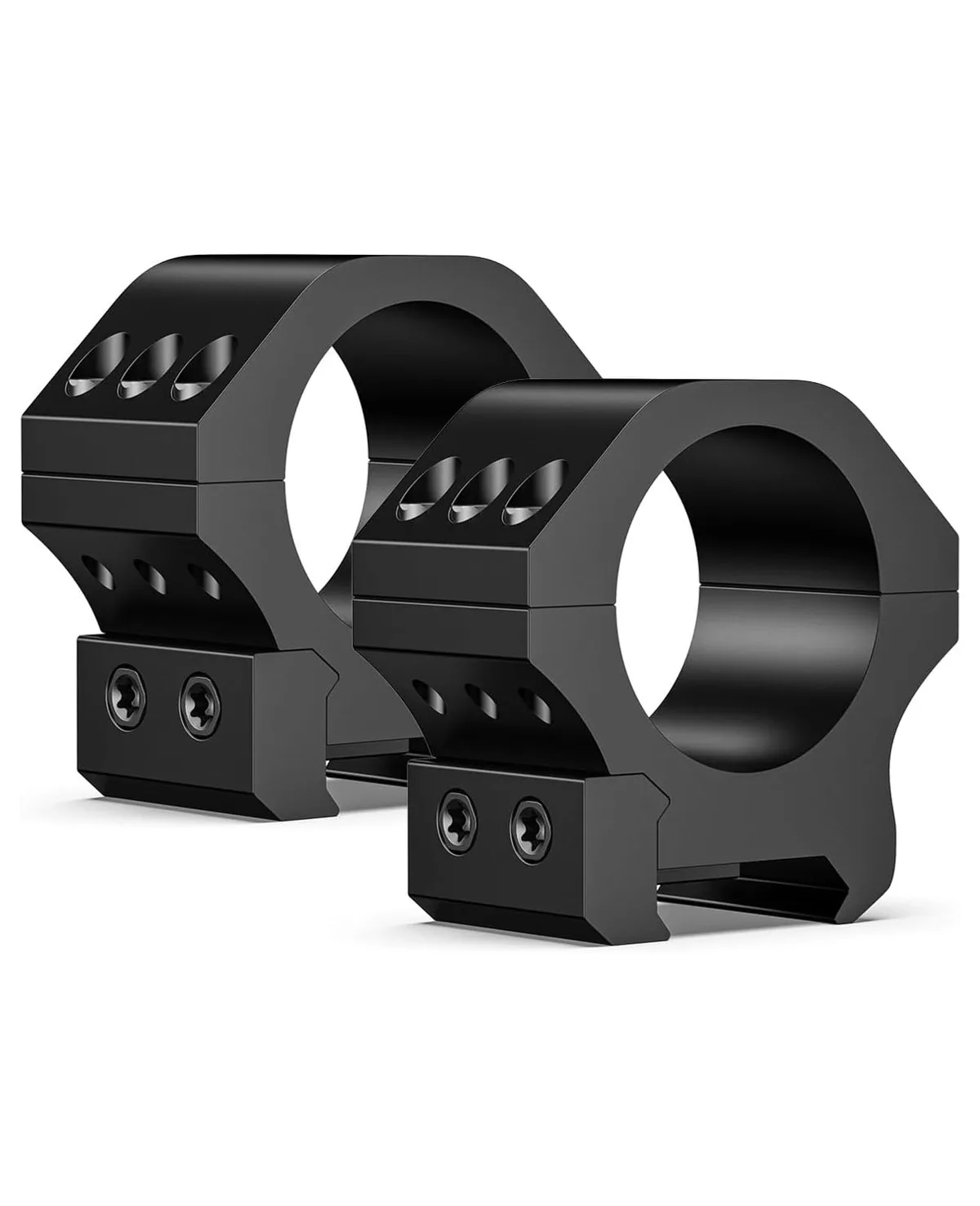
Scope tube diameter match. Common tube sizes are 1 inch (25.4mm), 30mm, and 34mm. Your rings must match the tube exactly. A 30mm scope won't seat properly in 1-inch rings.
Objective bell clearance. The objective lens, which is the front of the scope, must clear the barrel. Measure your barrel diameter and compare it to the scope's objective bell.
| Condition | What to Check | Common Problem |
|---|---|---|
| Receiver holes | Factory-drilled or gunsmith-tapped | Smooth receiver, no mount points |
| Rail system | Picatinny, Weaver, or dovetail | No rail or non-standard base |
| Tube diameter | 1 inch, 30mm, or 34mm | Ring and tube mismatch |
| Objective clearance | Barrel vs. scope objective | Scope too wide, hits barrel |
If all four check out, you're ready to mount.
Rifle Type Decision Guide: Bolt-Action, Lever-Action, Semi-Auto, and Shotguns
Here's where the answer changes depending on what you're working with. Use this breakdown to figure out where your rifle falls.
Bolt-Action Rifles
If your rifle is a modern bolt-action, you're almost certainly in luck. Most bolt-action receivers come drilled and tapped from the factory. The industry standard receiver design, used by manufacturers like Ruger, Remington, and Bergara, almost always includes mounting holes or an integrated rail.
You'll likely just need to pick the right rings and base.
Lever-Action Rifles
If you own a lever-action, scope mounting gets trickier. Most factory lever-actions aren't drilled and tapped. Some, like newer Marlin models, do have mounting options.
Older Winchesters and Marlins often need gunsmith work. A side-mounted scout scope is one workaround, but it changes your cheek weld and eye relief.
Semi-Auto Rifles
If you have a modern semi-auto, you're usually set. AR-15 and similar platforms come with a Picatinny rail on the receiver. Other semi-autos, like the Ruger 10/22 or semi-auto shotguns, may or may not come ready.
Check the receiver for a rail or screw holes.
Shotguns and Single-Shots
If you're mounting on a shotgun, expect the most work. Most shotguns don't come with a factory rail. Some slug guns and turkey models do have drilled receivers.
Single-shot shotguns vary widely. You may need a cantilever barrel that accepts an optic, or a gunsmith to tap the receiver.
How to Mount a Scope the Right Way: Step by Step
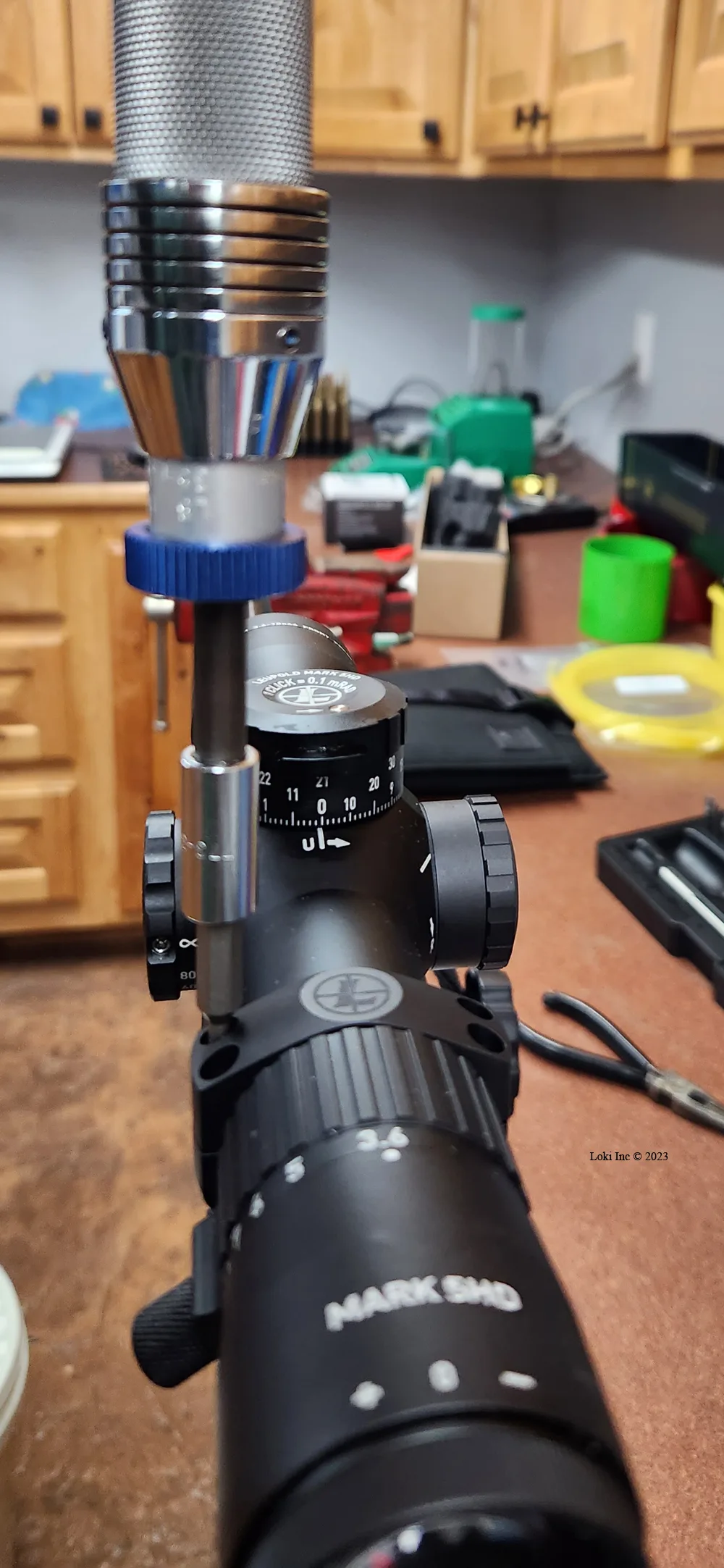
Mounting a scope is straightforward once you have the right parts. Follow these steps to get a clean, reliable install.
Step 1: Confirm your rifle is scope-ready. Check for drilled receiver holes or a factory rail. Identify the rail type if present.
Step 2: Choose the right base and rings. Match the ring tube diameter to your scope (1 inch, 30mm, or 34mm). Pick a ring height that gives you a proper cheek weld and eye relief.
Step 3: Clean the mounting surface. Wipe the receiver or rail with a lint-free cloth. Remove any oil, grease, or debris.
Step 4: Install the base. Align the base with the receiver's screw holes or rail. Use the correct screw thread size. Hand-tighten, then torque to spec.
Step 5: Set the scope in the rings. Place the scope in the front ring first. Align the reticle level with the rifle. Slide the rear ring into place.
Step 6: Tighten the ring screws. Use a torque wrench. Work in a cross pattern. Don't overtighten.
Step 7: Bore sight and zero. Bore sight indoors or on a safe range. Then take it to the range and zero at your preferred distance, usually 50 or 100 yards.
Here are the typical torque values to use:
| Component | Torque Spec |
|---|---|
| Base-to-receiver screws | 15-20 in-lbs |
| Ring cap screws | 15-18 in-lbs |
| Rail attachment screws | 35-65 in-lbs (varies by manufacturer) |
Per manufacturer specifications and National Shooting Sports Foundation guidance, always hand-tighten first and work up to final torque in increments. Overtorquing is the fastest way to damage a scope tube.
Common Scope Mounting Mistakes and How to Avoid Them
Even experienced shooters make these mistakes. Knowing what goes wrong helps you avoid the same headaches.
Wrong ring height. If your rings are too low, the objective bell hits the barrel. If they're too high, your cheek weld is off and you strain your neck. Measure before you buy.
Mismatched tube diameter. A 30mm scope in 1-inch rings won't sit right. This is one of the most common mistakes in new shooter purchases.
Over-torquing the screws. Using too much force on ring screws can crush the scope tube. It damages the internal adjustment mechanism. Use a torque wrench and follow the specs.
Skipping bore sighting. Mounting the scope and going straight to a full zero wastes ammunition. Bore sight first.
Ignoring cheek weld. A scope mounted too high changes where your cheek sits on the stock. This leads to inconsistent head position and poor accuracy.
Not rechecking torque. After your first range session, recoil can loosen ring and base screws. Re-torque everything after 20 to 50 rounds.
Each of these problems is fixable with a little extra attention during installation. Take the time upfront, and you'll avoid most of them.
Scope Mounting Costs, Torque Specs, and Technical Values
Mounting a scope doesn't require a big budget, but costs add up depending on your rifle type and how much prep work is needed. Here's what to expect in 2026.
| Item | Typical Cost Range |
|---|---|
| Scope base (Picatinny rail) | $20 – $60 |
| Scope rings (steel, quality pair) | $25 – $80 |
| Quick-detach ring set | $50 – $120 |
| Gunsmith drilling and tapping | $75 – $150 |
| Cantilever mount (single unit) | $30 – $90 |
| Torque wrench (mounting kit) | $30 – $70 |
| Bore sighter | $10 – $40 |
If your rifle already has a drilled receiver, total hardware costs typically run $50 to $120. If you need gunsmith work, expect to add another $75 to $150. Quick-detach systems cost more upfront but let you swap optics without losing zero.
Per the MIL-STD-1913 standard that governs Picatinny rail dimensions, rail slot spacing is fixed at 20mm center-to-center. Any ring or accessory designed for Picatinny will mount on a compliant rail. If your rail looks different, it may be a Weaver variant or a proprietary dovetail system.
Key specs that affect scope mounting:
- Tube diameter: 1 inch, 30mm, or 34mm
- Objective bell diameter: check against barrel size
- Ring height: low, medium, high, or extra-high (measured in mm)
- Eye relief: typically 3.5 to 4.5 inches for most rifles
- Scope weight: 14 to 30 oz, depending on magnification range and tube size
- Magnification range: fixed power (4x, 6x) vs variable power (3-9x, 4-12x)
Heavier scopes can shift your rifle's balance point forward. If accuracy drops after mounting, weight distribution is often the culprit.
Frequently Asked Questions
Can I put a scope on a rifle without a Picatinny rail?
Yes, but you'll need a different base system. Many rifles use dovetail mounts or Weaver rails instead. If your rifle has neither, a gunsmith can drill and tap the receiver for a Picatinny base.
Some rifles, especially older lever-action models, use side-mounted scout scopes as an alternative.
What tube diameter do I need for my scope?
Match your rings to your scope exactly. The three common sizes are 1 inch (25.4mm), 30mm, and 34mm. Check the manufacturer's spec sheet before buying rings.
A mismatched tube diameter will cause the scope to seat unevenly and won't hold zero reliably.
Do I need a gunsmith to mount a scope?
Not if your rifle already has a drilled receiver or factory rail. You can mount a scope yourself with basic tools and a torque wrench. If your receiver has no mounting holes, a gunsmith will need to drill and tap it, which typically costs $75 to $150.
Can I mount a scope on a shotgun?
Some shotguns are ready for optics right away. Slug guns and certain turkey models come with drilled receivers or cantilever barrels. Most field shotguns need gunsmith work or a specific cantilever barrel designed for optics.
Check your model before committing to a mounting plan.
How much torque should I use when mounting a scope?
Base screws: 15 to 20 in-lbs. Ring cap screws: 15 to 18 in-lbs. These values hold across most steel and aluminum mounting hardware.
Always verify with the manufacturer's documentation, since specific products can differ. Use a torque wrench rather than guessing by feel.
Will a scope change the accuracy of my rifle?
A properly mounted scope won't hurt accuracy and usually improves it, assuming the rifle is otherwise sound. The key factors are correct ring height, proper eye relief, and consistent torque. If accuracy drops after mounting, check ring height and make sure the recoil lug is fully seated in the rail slot.
Final Verdict: Is Your Specific Rifle Scope-Ready?
Most rifles today can accept a scope with the right hardware and setup. The deciding factor is your receiver, not the scope itself. Modern bolt-actions and semi-autos are ready out of the box in most cases.
Older lever-actions and many shotguns need additional work first.
Use this quick decision path to figure out where you stand:
If your rifle has a Picatinny or Weaver rail, you're ready. Pick your scope, match the tube diameter, and mount. Total effort: about 30 minutes with basic tools.
If your receiver is drilled and tapped but has no rail, you're ready. Buy a compatible base system and rings. The install is nearly identical to the rail option.
If your receiver has no mounting points at all, you need work. A gunsmith can drill and tap it for a base, or you can explore side-mount or cantilever options depending on your rifle type.
If your rifle is a lever-action, old shotgun, or single-shot, expect extra steps. Scout scope mounts, cantilever barrels, or gunsmith drilling are all viable routes. Each comes with trade-offs in cheek weld, eye relief, or cost.
The bottom line is this: the rifle determines what's possible, and the scope you choose determines what's practical. Get the mounting platform sorted first, then pick the optic. Do it in that order, and you'll avoid the most common mistakes new shooters run into.




