"What is the best variable power rifle scope?" gets asked more than any other question in tactical optics forums. The honest answer starts with one uncomfortable truth. There is no single scope that wins for every shooter, every rifle, and every distance.
The best variable power rifle scope is the one that matches your specific shooting scenario.
A variable power rifle scope lets you change magnification to fit the target distance. Manufacturer specifications confirm that turret tracking, glass quality, and eye relief matter more than brand name alone. As of 2026, most competitive and tactical shooters land between a 1-6x and a 1-10x LPVO for general-purpose use.
Let's walk through how to find the right fit.
Quick Answer
The best variable power rifle scope matches your shooting distance and use case. For most AR-15 shooters, a 1-6x or 1-8x LPVO is ideal. First focal plane models handle holdovers better.
Turret tracking and glass quality matter more than brand name. Always zero your scope before relying on it.
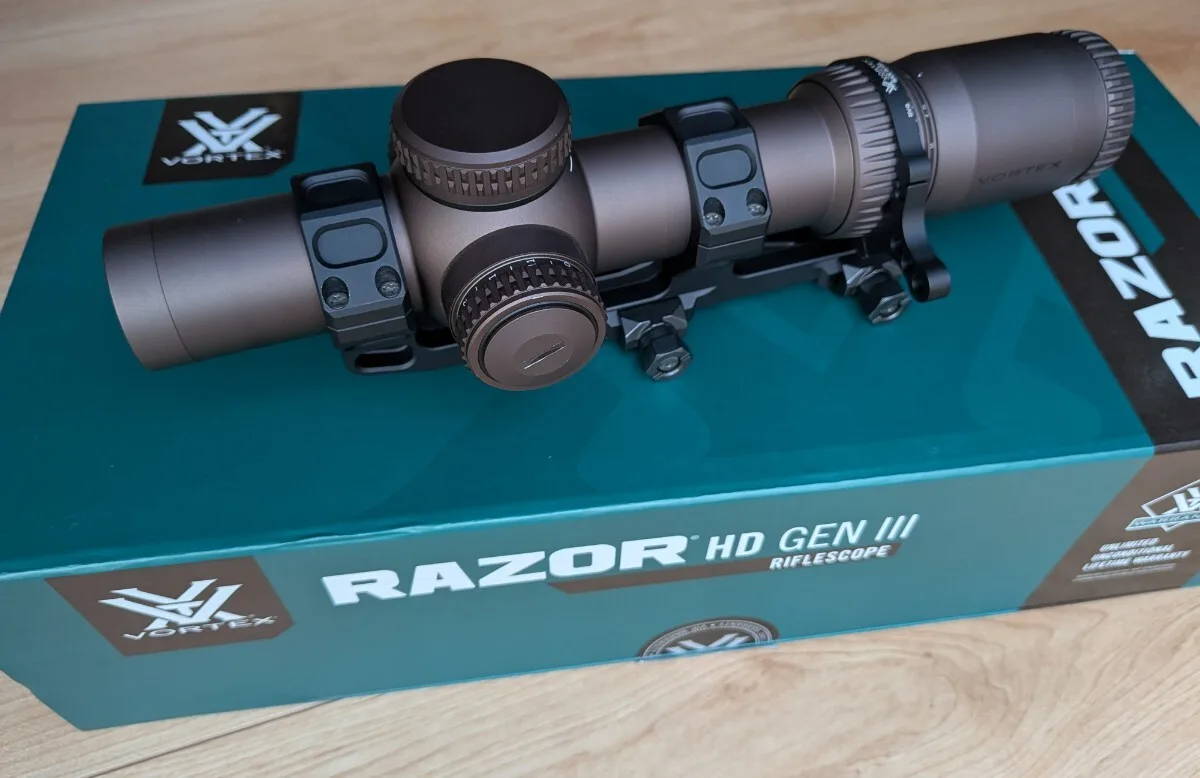
Image source: Bing (Web (fair-use with source credit))
The Short Answer: What 'Best' Actually Means for a Variable Power Scope
There is no single scope that wins every competition. That is the part most review sites skip. The truth is that scope selection depends entirely on your shooting distances, your rifle platform, and your budget.
Every manufacturer has strong points. None of them dominate every category.
In our research, three factors consistently determine whether a scope feels right in the field:
- Glass quality and light transmission
- Turret tracking reliability
- Reticle design matched to your shooting style
Everything else plays a supporting role.
What 'Best' Actually Means in Practice
Think of scope selection like choosing a vehicle. A mountain bike won't help you commute downtown. The same logic applies to scopes.
A 5-25x precision optic is useless for close-quarters work. A 1-6x LPVO is wrong for 800-yard competitions.
Manufacturers build different scopes for different jobs for a reason. Nightforce Optics designs for military and long-range precision shooters. Vortex backs its scopes with an unconditional warranty covering any defect without proof of purchase.
Leupold scopes remain popular for hunting because of lightweight construction and solid glass.
Spec Priority by Use Case
| Priority Factor | Why It Matters | Who It Matters Most To |
|---|---|---|
| Turret tracking | Elevation adjustments stay true | Competition shooters |
| Glass quality | Clarity in low light | Hunters, dawn and dusk users |
| Eye relief | Comfort under recoil | AR-10 and magnum users |
| Reticle design | Speed of holdover decisions | Tactical and 3-Gun shooters |
| Magnification range | Versatility across distances | General-purpose carbine users |
| Weight | Fatigue over long sessions | Field and competition users |
Price Doesn't Equal Performance
Price is not a reliable proxy for quality. A $300 Primary Arms SLx 1-6×24 outperforms some $600 scopes in turret tracking. Meanwhile, a $2,000 Nightforce NX8 1-8×24 delivers glass clarity that budget options simply cannot match.
Aggregate user reviews consistently place mid-tier scopes in the $500 to $1,000 range as the best value ratio. They deliver reliable turret tracking, solid glass, and durable construction without the premium price of flagship models.
Before shopping, ask yourself three questions. What distances do you shoot? What platform are you running?
What is your budget? Only then does the spec sheet matter.
Why Your Shooting Distance and Use Case Decide Everything
Your shooting distance is the biggest single factor in scope selection. A scope that excels at 25 yards will frustrate you at 300 yards. Every major specification ties back to the distances you actually shoot.
Get this wrong and no amount of brand loyalty will save you.
Map Your Distances Before You Browse
Before looking at any scope, write down the distances you shoot most often. Most carbine users spend 70 percent of their range time between 25 and 200 yards. If that sounds like you, a 1-6x LPVO handles that range without compromise.
If your shooting extends past 400 yards regularly, you need a scope with a true 1-10x range or a higher-powered option. Long-range competition shooters benefit from FFP designs where holdover subtensions stay accurate across the full magnification range.
How Use Case Pulls in Different Directions
Each shooting discipline demands something different from a scope. CQB-focused shooters want 1x with fast target acquisition. Competition shooters need reliable turret tracking and a usable magnification range.
Hunters prioritize glass clarity and low-light performance over raw magnification.
A practical example helps. A 3-Gun competitor shoots from 5 yards to 400 yards in one stage. They need an LPVO that works at both extremes.
A varmint hunter shooting past 500 yards needs a different magnification range entirely.
Matching Magnification to Reality
Your rifle's caliber matters too. A 5.56 carbine loses meaningful terminal effectiveness past 500 yards. Buying a 25x scope for that platform is overkill.
AR-10 platforms shooting .308 benefit from 1-8x magnification because those projectiles carry further with less drop.
Don't forget parallax settings either. Most LPVOs have fixed parallax, which is fine for carbine distances. Precision scopes with adjustable parallax are the better choice when engagement distances vary widely.
| Distance | Practical Magnification | Scope Type |
|---|---|---|
| 0 to 50 yards | 1x | Red dot or LPVO at 1x |
| 50 to 200 yards | 2x to 4x | LPVO mid-range |
| 200 to 400 yards | 4x to 8x | LPVO upper range |
| 400 to 800 yards | 8x to 15x | LPVO top end or precision scope |
| 800+ yards | 15x and above | Dedicated precision rifle scope |
Common Distance-Based Mistakes
- Buying a 5-25x scope for a home defense rifle
- Choosing a fixed-power option when your distances vary widely
- Ignoring parallax for varying engagement distances
- Selecting based on magnification number alone
Every scope purchase starts with mapping your distances honestly.
What to Look For: Magnification Range, Turret Type, and Glass Quality
Three specifications separate a good variable power scope from a great one: magnification range, turret type, and glass quality. Everything else, including tube diameter and illumination, matters less than these three. Get these right and most other details fall into place.
Magnification Range
Magnification range determines what distances your scope can handle. A 1-6x LPVO covers close quarters to mid-range shooting. A 1-10x extends that further but usually costs more and weighs more.
Fixed-power options like 3x or 5x exist but limit versatility.
For most shooters, 1-6x or 1-8x covers 90 percent of realistic engagement distances. The jump from 8x to 10x only matters for specific long-range disciplines.
Turret Type
Turrets control your elevation and windage adjustments. Two main types exist:
- Tactical turrets: exposed, easy to adjust, preferred for competition and duty use
- Capped turrets: covered, prevent accidental adjustments, common on hunting scopes
Aggregate reviews report that turret tracking reliability varies significantly between models. High-end scopes like the Nightforce NX8 deliver sub-MOA tracking across their full adjustment range. Budget options sometimes have mushy clicks or inconsistent tracking.
If you dial for elevation, turret tracking is non-negotiable. If you only hold over with reticle markings, turret quality matters less.
Glass Quality
Glass quality affects everything you see. It determines clarity in low light, edge-to-edge sharpness, and how much chromatic aberration appears at high magnification. Fully multi-coated lenses outperform single-coated options in every measurable way.
Hunters especially benefit from quality glass. Dawn and dusk hunting windows demand maximum light transmission. Budget scopes with mediocre glass will leave you squinting when it matters most.
Other Specs That Matter
- Eye relief (3 to 4 inches for most carbines)
- Tube diameter (30mm standard, 34mm for premium models)
- Weight (lighter scopes reduce fatigue)
- Warranty (Vortex VIP, Leupold lifetime)
- Parallax adjustment (only matters for precision shooting)
| Spec | Budget Range | Mid-Tier | High-End |
|---|---|---|---|
| Magnification | 1-6x | 1-6x to 1-8x | 1-8x to 1-10x |
| Turret type | Capped | Tactical | Tactical with zero stop |
| Glass coating | Multi-coated | Fully multi-coated | Premium HD/ED glass |
| Eye relief | 3.0 in | 3.2 to 3.5 in | 3.5 to 4.0 in |
| Tube diameter | 30mm | 30mm | 34mm |
| Weight | 17 to 22 oz | 20 to 26 oz | 24 to 32 oz |
Breaking Down the Top Variable Power Scopes: FFP, SFP, and LPVO Options
Variable power scopes fall into three main categories: first focal plane (FFP), second focal plane (SFP), and LPVO (low power variable optic) designs. Each type solves a different problem. Understanding the differences helps you narrow down what fits your needs.
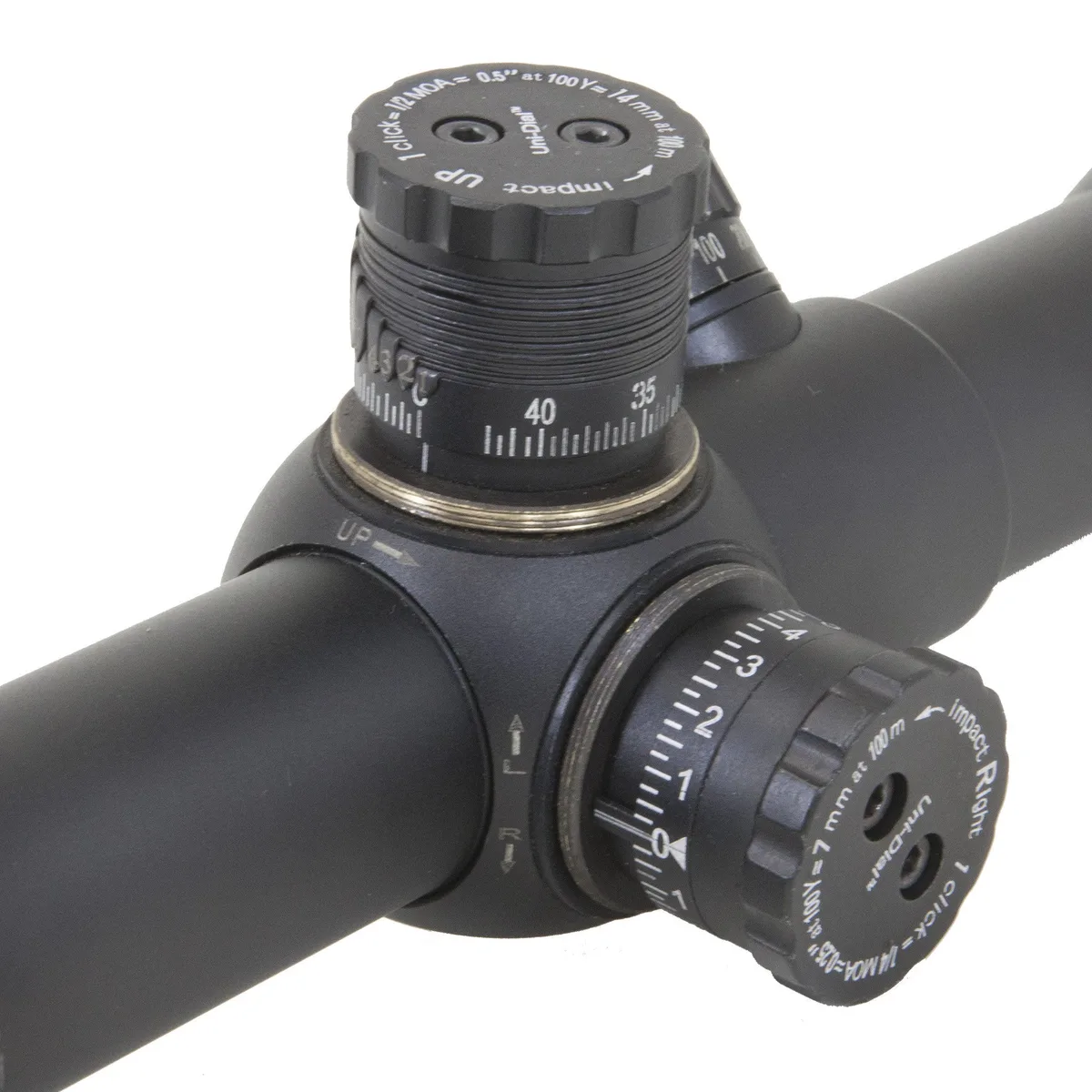
Image source: Web (Bing) / targettamers.com (Web image (fair-use with source credit))
First Focal Plane Scopes
FFP scopes have a reticle that changes size with magnification. The subtensions remain consistent at every power setting. This makes FFP ideal for dialing or holding with confidence at any magnification.
Popular FFP options include the Vortex Razor HD Gen III 1-10×24 and the EOTech Vudu 1-10×24. These scopes suit competition shooters and long-range precision users who rely on reticle holdovers.
The tradeoff is that FFP reticles at 1x can appear too small for quick close-range shooting. Some models address this with illuminated dots or horseshoe reticles.
Second Focal Plane Scopes
SFP scopes keep the reticle the same size regardless of magnification. The subtensions are only accurate at one specific magnification, usually the highest power. This design is simpler and often lighter.
SFP models like the Leupold VX-6HD Gen 2 and Trijicon AccuPoint TR-25 remain popular for hunting and general carbine use. They work well if you only use holdovers at a specific magnification.
LPVO Designs
LPVO stands for low power variable optic. These are 1-6x or 1-8x scopes designed for close-to-mid range versatility. They sit at the intersection of FFP and SFP concepts and are the most popular scope type for AR-15 platforms.
| Type | Reticle Behavior | Best For | Limitation |
|---|---|---|---|
| FFP | Subtensions scale with magnification | Competition, long-range | Small reticle at 1x |
| SFP | Subtensions fixed at one power | Hunting, general carbine | Holdovers only at spec power |
| LPVO | Available in both FFP and SFP | CQB to mid-range | Limited magnification ceiling |
Which Type Fits You
If your engagements span 5 to 400 yards, an LPVO in either FFP or SFP works well. If you regularly dial for elevation at varying distances, FFP is the better choice. If you only shoot at one magnification setting, SFP is simpler and often cheaper.
The answer depends on whether you dial or hold with the reticle.
Side-by-Side Comparison: Budget, Mid-Tier, and High-End Variable Power Scopes
To make the comparison concrete, we've grouped variable power scopes into three price tiers. Each tier offers different strengths and weaknesses. The data below reflects manufacturer specs and aggregate user feedback as of 2026.
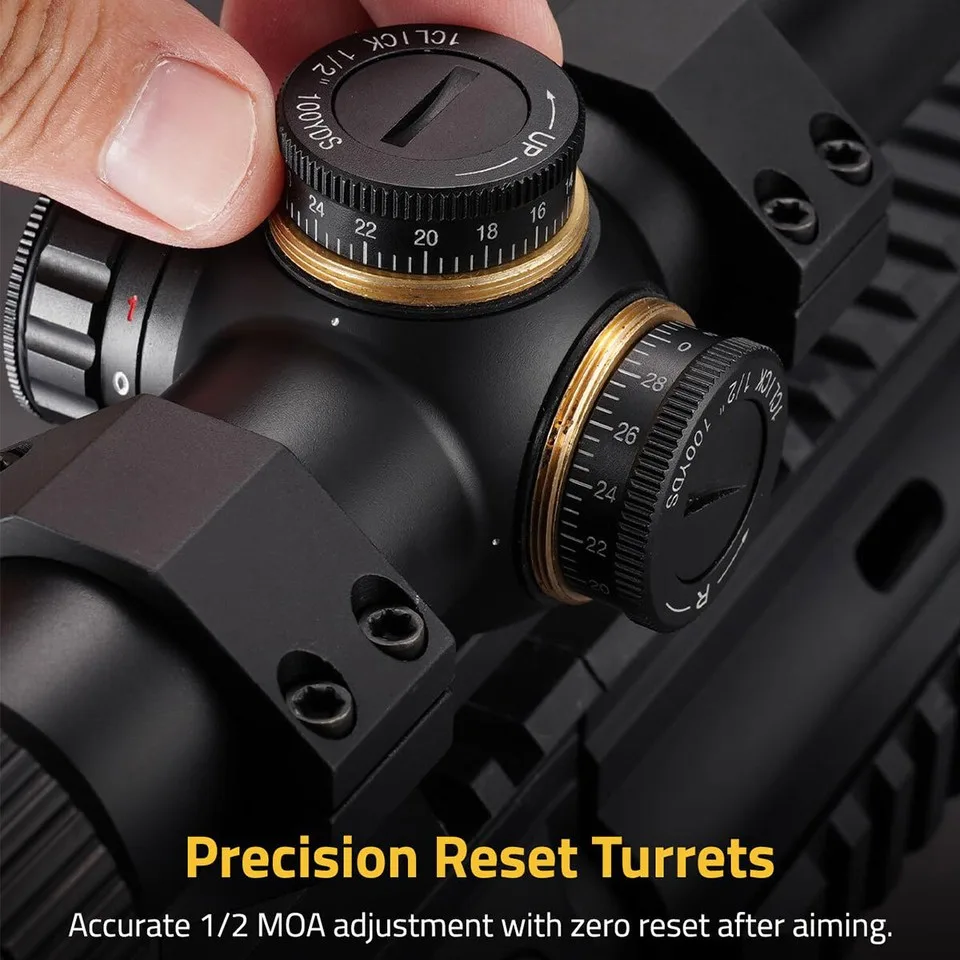
Image source: Web (Bing) / ebay.com (Web image (fair-use with source credit))
Budget Tier: Under $400
Budget LPVOs like the Primary Arms SLx 1-6×24 deliver solid performance for the price. They feature ACSS reticles with built-in holdover markings, fully multi-coated glass, and reliable construction. Manufacturer specifications indicate 30mm tubes with 1-6x magnification and daylight visible illumination.
The tradeoff is that budget scopes often have less consistent turret tracking and lower glass clarity in low light. They work well for recreational shooting and range use but may not satisfy competitive shooters.
Mid-Tier: $500 to $1,000
Mid-tier options include the Vortex Razor HD Gen III 1-6×24 and the Leupold VX-6HD Gen 2. These scopes step up glass quality significantly. Verified buyer feedback reports better turret tracking, clearer edge-to-edge optics, and more durable construction.
This is where most serious shooters land. The Vortex model features a 34mm tube, FFP reticle, and Vortex's industry-leading VIP warranty. Vortex Optics backs this with unconditional coverage.
High-End: $1,200 and Above
High-end scopes like the Nightforce NX8 1-8×24 and EOTech Vudu 1-10×24 deliver premium glass, precise turret tracking, and rugged construction designed for military use. These scopes justify their price for competitive shooters and professionals who depend on absolute reliability.
Side-by-Side Comparison Table
| Feature | Budget (< $400) | Mid-Tier ($500-$1,000) | High-End ($1,200+) |
|---|---|---|---|
| Example model | Primary Arms SLx 1-6×24 | Vortex Razor HD Gen III 1-6×24 | Nightforce NX8 1-8×24 |
| Magnification | 1-6x | 1-6x | 1-8x |
| Tube diameter | 30mm | 34mm | 34mm |
| Reticle type | SFP, ACSS | FFP, BDC | FFP, MIL-XF1 |
| Turret tracking | Acceptable | Reliable | Precision |
| Glass quality | Good | Very good | Excellent |
| Warranty | Limited | Lifetime VIP | Lifetime |
| Best for | Recreational, range | Competition, duty | Professional, extreme |
Choosing the Right Tier
If you shoot recreationally and want versatility, the budget tier covers most needs. If you compete or use the optic for duty work, the mid-tier offers the best value. High-end scopes only make sense when your application demands absolute precision and durability.
Match the tier to your commitment level, not to your aspirations.




