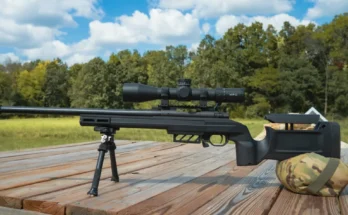
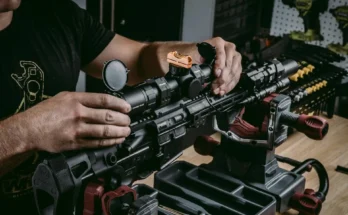
Does objective lens size matter on a rifle scope? The short answer is yes, but not the way most new shooters expect. Objective lens diameter affects how much light reaches your eye.
It matters most during low-light hunts at dawn or dusk. It's not the only thing that determines image quality, though.
Most rifle scopes come in objective sizes ranging from 24mm to 60mm. A 40mm objective on a 3-9x scope produces roughly 4mm of exit pupil at 9x magnification. That number tells you most of what you need to know about how bright the image will feel to your eye.
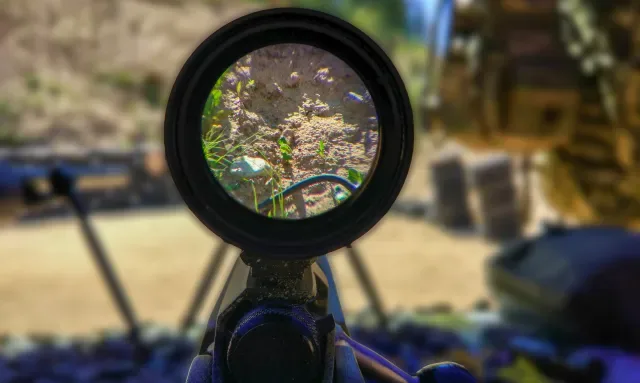
Quick Answer
Yes, objective lens size matters, especially in low-light conditions. Larger objectives gather more light for a brighter image at high magnification. The real benefit shows up at dusk and dawn.
Glass quality often matters more than raw lens diameter. A well-coated 40mm lens can outperform a budget 50mm lens.
The Bigger Lens Myth: Why "Larger Is Always Better" Misleads New Shooters
The idea that a bigger objective means a better scope is one of the most common misconceptions in rifle optics. Many shooters assume 50mm or 56mm objectives deliver a noticeably brighter image than 40mm options. In practice, the difference is often small enough that side-by-side comparisons reveal little.
What actually drives image quality is the glass itself. Fully multi-coated lenses from manufacturers like Leupold transmit significantly more light than budget 50mm lenses with basic coatings. As of 2026, top optics manufacturers consistently emphasize coating quality and optical design over raw objective diameter.
Aggregate user reviews show the visible brightness gap between a 40mm and 50mm objective on similar-quality scopes is minimal. Most of that gap disappears when you account for modern coating technology. A smaller objective with premium coatings can rival a larger one with inferior glass.
If you've ever compared scopes side by side at a shop, you've probably noticed the biggest objective doesn't always produce the clearest image. A premium 40mm scope will often outperform a budget 50mm in real hunting conditions. Objective size matters, but it's far from the only thing that matters.
How Objective Lens Size Actually Works (Exit Pupil, Light, and Magnification)
The key number connecting objective lens size to what you actually see is the exit pupil. Exit pupil is the diameter of the light beam that leaves the scope and reaches your eye. You calculate it by dividing the objective lens diameter by the current magnification.
So a 40mm objective at 10x magnification produces a 4mm exit pupil. A 50mm objective at the same 10x produces a 5mm exit pupil. That 1mm difference is real, but most shooters won't notice it during daylight.
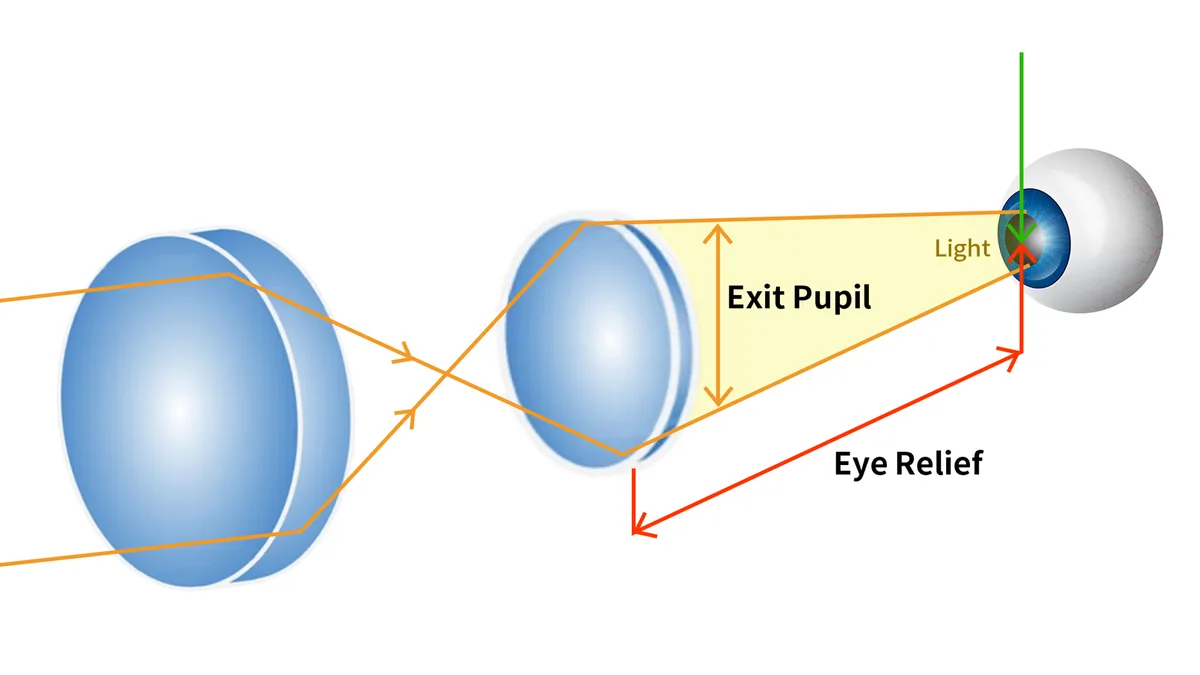
What matters is matching the exit pupil to your eye's own pupil diameter. A young adult's eye can dilate to roughly 7mm in darkness. As people age, that maximum dilation shrinks to about 5mm.
So if your eye can only open to 5mm, a scope producing a 7mm exit pupil wastes light you'll never see. In practice, for most hunters, a 4mm to 5mm exit pupil covers the full range of conditions they'll encounter.
Manufacturer specs from brands like Vortex and Leupold consistently show exit pupil values in this practical range. The numbers confirm what experienced shooters already know about objective size and light.
The Real Trade-Offs of Larger Objective Lenses
Bigger objectives come with real downsides that manufacturers don't always emphasize. The most immediate trade-off is weight. A 50mm objective scope typically weighs 2 to 4 ounces more than an equivalent 40mm scope.
That doesn't sound like much until you're carrying it through rough terrain for hours.
The second trade-off is mounting height. A 50mm objective needs taller scope rings to clear the rifle's barrel. That raises the optic higher off the bore.
It affects your cheek weld and can change your natural point of aim.
Third, bolt clearance can become an issue. On rifles with straight bolt actions, a large objective bell can interfere with the bolt throw. This is especially common on .30-06 and similar cartridges where the bolt clearance is tight.
Cost matters too. A well-equipped 50mm scope in the same product line typically runs $100 to $300 more than the 40mm version. You're paying for extra glass, extra weight, and a bigger housing.
| Trade-Off | 40mm Objective | 50mm Objective |
|---|---|---|
| Weight | Lighter | 2 to 4 oz heavier |
| Mount height | Standard rings | Taller rings required |
| Bolt clearance | Rarely an issue | Can interfere on some rifles |
| Price | Baseline | $100 to $300 more |
| Low-light gain | Good | Marginally better |
32mm vs 40mm vs 50mm: Objective Lens Sizes Compared
Three objective sizes dominate the market. Each fills a specific role depending on how you shoot.

32mm Objectives
A 32mm objective is the most compact option in mainstream rifle scopes. You'll find it on rimfire scopes, lightweight hunting optics, and tactical low-magnification builds. The trade-off is a narrower exit pupil at higher magnifications.
At 10x, a 32mm objective produces only a 3.2mm exit pupil, which can feel dim in low light. It's the right choice when weight and profile matter more than low-light performance.
40mm Objectives
The 40mm objective is the sweet spot for most hunters and shooters. It balances light gathering, weight, and mounting height without major compromises. At 10x magnification, it produces a 4mm exit pupil that works well across dawn, midday, and dusk conditions.
The 3-9×40 and 4-12×40 configurations remain the most popular hunting scope setups for good reason.
50mm Objectives
A 50mm objective pushes into dedicated low-light and long-range territory. It produces a 5mm exit pupil at 10x, giving the eye more light during legal shooting hours in thick timber or overcast conditions. The cost is extra weight, taller rings, and higher price.
For long-range precision shooting where every bit of light counts, it makes sense. For general hunting, it's often more scope than you need.
Which Objective Lens Size Fits Your Shooting
The right objective size depends entirely on how and where you shoot. Here's a practical breakdown.
Go with 32mm if…
- You hunt small game or varmints on short-range setups
- Weight matters to you, like backpack hunts or long walks to stand
- You shoot mostly rimfire or airgun platforms
- Budget is tight and you'd rather spend more on glass quality
Go with 40mm if…
- You're a general-purpose hunter shooting deer, elk, or predators
- You hunt across mixed light conditions from thick timber to open fields
- You want the best balance of performance, weight, and cost
- You plan to keep the scope on one rifle for years
Go with 50mm if…
- You hunt almost exclusively in low-light conditions
- You're building a long-range precision rifle setup
- You shoot at high magnification and need every bit of exit pupil
- You're willing to invest in taller rings and accept the added weight
The decision matrix is simple. If you shoot mostly in daylight and mid-range distances, a 40mm objective covers everything you need. If low-light performance is your top priority and you'll accept the trade-offs, step up to 50mm.
Reserve 32mm for lightweight builds where every ounce counts.
Common Mistakes When Choosing a Rifle Scope Objective Lens
Choosing an objective size based on low-light performance alone is one of the biggest mistakes shooters make. If you shoot mostly at midday with clear visibility, a larger objective won't improve your results. Match the scope to where you actually hunt, not the conditions you hope to find.
Assuming a larger objective compensates for cheap glass is another common error. A budget 50mm scope with poorly coated lenses will lose to a quality 40mm scope with fully multi-coated optics. Glass quality and coatings matter far more than raw lens diameter in real conditions.
Many shooters also skip the mounting check entirely. Before buying a 50mm scope, verify your rifle has the action clearance to accommodate it. A larger objective often demands taller rings, which raises your line of sight and can throw off your natural cheek weld.
Buying whatever objective is on sale is another trap. Scope manufacturers often discount oversized objectives that didn't move. The savings look good on paper.
In practice, you're stuck with a scope that may not fit your platform or your actual shooting needs.
Ignoring the relationship between objective size and magnification range is a frequent oversight too. A 50mm objective paired with low magnification produces an unnecessarily large exit pupil your eye can't fully use. The objective size only pays off when paired with magnification you'll actually shoot at.
Before finalizing any scope purchase, calculate the exit pupil at your most-used magnification. If that number exceeds what your eye can usefully see, a larger objective won't help. This one step prevents most objective size mistakes before they happen.
Pro Tips and Final Verdict
Determining your primary shooting conditions first will save you from over-buying. If most of your hunts happen between 10am and 4pm with clear light, a 40mm objective in a 3-9x range covers everything. If dawn and dusk hunting in heavy timber is your main scenario, step up to 50mm with quality glass.
Aggregate user reviews consistently confirm that optical coatings and glass quality have a larger impact on image brightness than objective diameter alone. A well-coated 40mm scope beats a budget 50mm scope in real conditions.
Pro Tips for Choosing Objective Size
- Pair objective size with your magnification range before buying. A large objective at low magnification produces an exit pupil your eye can't fully use.
- Prioritize coating quality over lens diameter. Fully multi-coated optics transmit more light than basic coatings on a larger lens.
- Budget for tall rings when choosing a 50mm objective. The added mounting height affects cheek weld and natural point of aim.
- Think about bolt clearance early. Some rifle actions can't accommodate large objective bells without interference during cycling.
- Calculate total system weight before purchasing. Taller rings and larger objectives add weight at a point that affects handling most.
The Final Verdict
The best objective lens size for most shooters is 40mm, paired with a 3-9x or 4-12x magnification range. It delivers balanced light gathering across dawn and dusk, keeps weight and mounting height manageable, and costs less than larger alternatives.
For dedicated low-light hunters and long-range precision shooters, a 50mm objective with premium glass earns the investment. Everyone else benefits more from spending that money on higher-quality optics in a more practical package. Match objective size to your actual conditions, your magnification range, and your rifle platform.
FAQs
Does objective lens size matter for deer hunting?
Yes, particularly during the first and last 30 minutes of legal shooting light when deer are most active. A 40mm objective provides a balanced exit pupil for these conditions without adding significant weight or requiring taller mounting rings to your rifle setup.
Is a 50mm objective worth it for hunting?
A 50mm objective is worth the cost and weight if you hunt primarily in thick timber or overcast conditions where light is limited. If you hunt open country or shoot mostly in daylight, the trade-offs usually aren't justified for the performance gain.
Does a larger objective lens make a scope more accurate?
No. Objective lens size does not affect accuracy in any way. Accuracy depends on your rifle, ammunition, mounting stability, and shooting fundamentals.
The objective lens only affects how much light reaches your eye.
What magnification works best with a 40mm objective?
A 3-9×40 configuration produces a 4mm to 4.4mm exit pupil across the magnification range. This stays well within what most shooters' eyes can fully use in any light condition. The 3-9×40 remains the most versatile hunting scope setup available.
Can I use tall rings with a smaller objective scope?
You can, but there's usually no practical reason to. Tall rings raise your scope higher off the bore, which changes your cheek weld and point of aim. Use low or medium rings unless your rifle platform specifically requires taller rings for clearance.