So what does 3-9×40 mean on a rifle scope? Those numbers printed on the scope body are a shorthand spec that tells you the magnification range and the objective lens size. If you've ever picked up a scope and stared at the markings feeling confused, you're not alone.
The system is simple once you break it down.
The "3-9" means the magnification range runs from 3x to 9x. The "40" means the objective lens measures 40mm in diameter. As of 2026, this remains the best-selling hunting scope configuration in North America.
Here's what each number does.
Quick Answer
The numbers 3-9×40 on a rifle scope refer to two specs. The "3-9" means variable magnification from 3x to 9x. The "40" means the objective lens diameter is 40mm.
This setup is common on hunting scopes for deer and general-purpose shooting. It balances magnification range with compact size and solid light gathering.
What Does 3-9×40 Actually Mean?
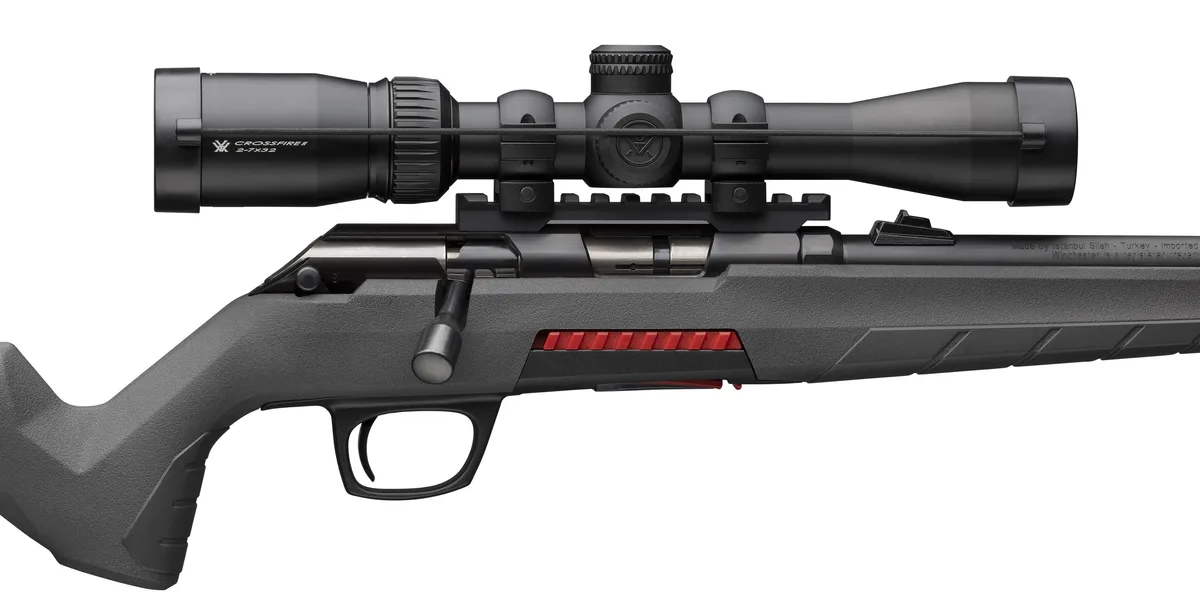
Image source: Bing (Web (fair-use with source credit))
The marking 3-9×40 is a standard designation that scope manufacturers use worldwide. It compresses two critical optical specs into one short code. You'll usually find it printed on the objective bell or magnification ring.
The first part, 3-9x, describes the magnification range. Your scope can zoom from 3x low to 9x high. The "x" stands for magnification, so 3x means the image appears three times larger than your unaided eye sees.
The second part, 40, refers to the objective lens diameter in millimeters. The objective lens is the large front glass that gathers light into the scope. A 40mm objective balances light gathering with a compact overall size.
As the photo above shows, these numbers are etched or printed right on the scope body. Brands like Vortex, Leupold, Bushnell, and Sig Sauer all build popular 3-9×40 models. Per the National Shooting Sports Foundation, variable scopes in this magnification class dominate North American hunting optics sales.
Breaking Down Each Number: Magnification and Objective Lens

Image source: Web (Bing) / uuqoptics.com (Web image (fair-use with source credit))
Each number in "3-9×40" serves a different purpose. Let's take them apart one at a time.
Magnification Range: 3x to 9x
The "3-9x" portion tells you the scope has variable magnification. At 3x, you get a wide field of view for scanning timber or brush. At 9x, the image zooms in for precise shots at distance.
The photo above shows how these markings appear on a typical scope body.
Objective Lens: 40mm
The "40" refers to the diameter of the front objective lens, measured in millimeters. This lens is the main light-gathering element in the scope. A larger objective lets in more light, which helps during dawn and dusk shooting.
The 40mm size is a practical sweet spot: big enough for decent low-light performance without adding bulk.
Exit Pupil: The Hidden Connection
The objective diameter and magnification work together to determine the exit pupil. That's the diameter of the light beam exiting the eyepiece and reaching your eye. You calculate it by dividing objective diameter by current magnification.
| Magnification | Objective Lens | Exit Pupil |
|---|---|---|
| 3x | 40mm | 13.3mm |
| 6x | 40mm | 6.7mm |
| 9x | 40mm | 4.4mm |
At 3x, the exit pupil is large enough to flood your eye with light. At 9x, it narrows but still delivers enough light for daylight and decent twilight shooting.
How to Find and Read Scope Markings on Your Rifle Scope
Scope markings are always printed on the scope body itself. You don't need special tools to find them. Here's where to look:
- Objective bell: The front section where the objective lens sits. Most manufacturers print the full designation here.
- Magnification ring: The dial you twist to change magnification. Some scopes list numbers around this ring instead.
- Elevation turret: The top adjustment knob. Some scopes list the click value here, like "1/4 MOA" or "0.1 MRAD".
- Side parallax knob: If present, you might find distance markings around this dial.
Once you find the marking, read it left to right. The first number or range is magnification. The second number is the objective lens diameter in millimeters.
That's all there is to it.
Some scopes also list tube diameter on the body, like "1 inch" or "30mm". This matters when buying mounting rings. A 1-inch tube needs 1-inch rings and a 30mm tube needs 30mm rings.
If you can't find markings on the scope itself, check the manufacturer's website or packaging.
When 3-9×40 Is the Right Scope (and When It Isn't)
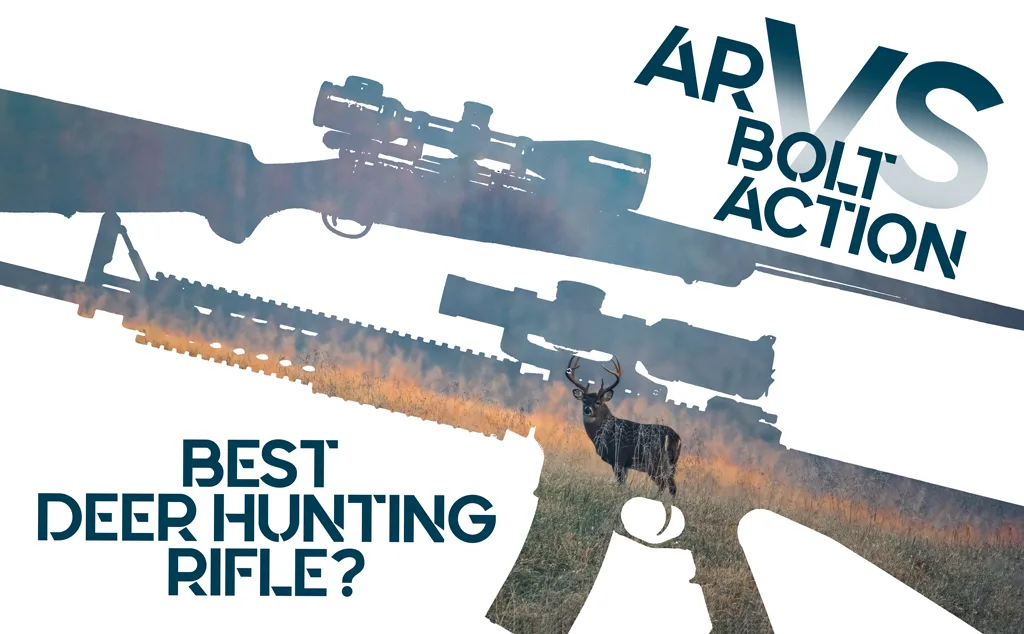
Image source: Web (Bing) / wideners.com (Web image (fair-use with source credit))
The 3-9×40 isn't a one-size-fits-all optic, but it covers a huge amount of ground.
Best For: Deer Hunting at 50 to 300 Yards
This is the sweet spot for a 3-9×40. The 3x end gives you a wide field of view for scanning timber and brush. The 9x end gives enough magnification for a clean shot at mid-range.
Also Works Well For:
- Whitetail and general big game hunting
- Coyote and predator control
- Varmint hunting (groundhog, prairie dog)
- Recreational target shooting at 50 to 200 yards
- First-time rifle buyers who need an all-purpose scope
When 3-9×40 Isn't Enough:
- If you hunt open plains at 400+ yards, step up to a 4-12×40 or 5-25×50.
- If you shoot under 50 yards, an LPVO like 1-4×24 handles faster.
- If you hunt in extremely low light, a 50mm or 56mm objective gathers more light.
The photo above shows the most common environment where a 3-9×40 shines: North American whitetail hunting.
3-9×40 vs. Other Scope Specs: Which One Fits Your Setup?
Not sure if 3-9×40 is right for you? Here's how it stacks up against other common hunting scope specs.
| Spec | Magnification | Objective Lens | Best For | Weight |
|---|---|---|---|---|
| 2-7×33 | 2-7x | 33mm | Short-range, lightweight carry | ~10-12 oz |
| 3-9×40 | 3-9x | 40mm | All-purpose deer hunting | ~12-15 oz |
| 3-9×50 | 3-9x | 50mm | Low-light hunting, open terrain | ~15-18 oz |
| 4-12×40 | 4-12x | 40mm | Mid-to-long range, higher precision | ~13-16 oz |
| 5-25×50 | 5-25x | 50mm | Long-range shooting, predator control | ~25-35 oz |
The 3-9×40 sits in a practical middle ground. It's lighter than a 50mm objective scope but offers more magnification headroom than a 2-7×33. For most hunters in wooded or mixed terrain, this spec covers the vast majority of what they'll need.
If your hunting is mostly timber and brush under 200 yards, a 2-7×33 feels lighter and handles faster in tight spaces. If you regularly shoot past 300 yards, a 4-12×40 or 3-9×50 gives you more range to work with. Manufacturer specs from companies like Vortex Optics confirm that the 3-9×40 platform remains their most versatile all-purpose hunting scope as of 2026.
Common Mistakes When Choosing a 3-9×40 Rifle Scope
Knowing what 3-9×40 means is only half the battle. Plenty of buyers still stumble on the same avoidable errors.
Assuming Higher Magnification Means Better
Bigger numbers don't automatically mean better shooting. At 9x, your field of view drops dramatically. If you're scanning thick brush for deer, 9x feels like looking through a straw.
Drop to 3x or 4x for quick target acquisition, then dial up when you've got a clear line of sight.
Ignoring Eye Relief
Eye relief is the distance between your eye and the rear lens where you still get a full, clear image. Most 3-9×40 scopes offer 3.5 to 4 inches. If the scope sits too far forward or back on your rifle, you'll struggle with the sight picture.
Always check that your cheek weld puts your eye at the right distance.
Forgetting About Mounting Height
Even a 40mm objective needs clearance over the barrel. If you buy rings that are too low, the front of the scope will sit too close to or even touch the barrel. Pick ring heights that match your specific rifle and scope combination.
Not Factoring in Tube Diameter
A 1-inch tube is lighter and often cheaper. A 30mm tube gives you a wider range of internal adjustment. If your rifle needs significant elevation or windage correction, a 30mm tube gives you more room to zero.
Buying Based on Price Alone
As of 2026, budget 3-9×40 scopes run from $100 to $200. Premium options reach $400 to $700. Aggregate buyer reviews show that mid-range scopes in the $200 to $350 range, like the Vortex Crossfire II or Leupold VX-Freedom, hit the best balance of optical quality, durability, and warranty for most hunters.
Frequently Asked Questions
What does the "3-9" mean on a scope?
The "3-9" refers to the variable magnification range. Your scope can zoom from 3x power at its lowest setting to 9x power at its highest. The "x" symbol stands for magnification, so 3x means the image appears three times larger than your unaided eye sees.
What does the "40" mean on a rifle scope?
The "40" represents the diameter of the objective lens in millimeters. The objective lens is the front glass element that gathers light into the scope. A 40mm objective lens balances light gathering with overall scope size.
Is 3-9×40 good for deer hunting?
Yes, 3-9×40 is widely regarded as the ideal magnification range for deer hunting. The 3x end gives a wide field of view for scanning timber. The 9x end provides enough magnification for confident shots at 100 to 300 yards.
It's the most popular hunting scope configuration for a reason.
What is the difference between 3-9×40 and 3-9×50?
Both scopes share the same 3x to 9x magnification range. The difference is the objective lens diameter. A 50mm objective gathers more light than a 40mm objective, which helps in low-light conditions.
The tradeoff: 50mm scopes are heavier and sit higher above the barrel.
Can you use a 3-9×40 scope on an AR-15?
Yes, you can mount a 3-9×40 on an AR-15, but it's not the most common choice. The AR-15 is typically used at shorter ranges where an LPVO performs better. A 3-9×40 works if you're shooting mid-range or varmint hunting with the platform.
How far can you shoot with a 3-9×40 scope?
A 3-9×40 scope is effective out to 300 yards for most hunters, depending on caliber and skill level. Beyond 300 yards, you'll want more magnification for precise shot placement. Your zero distance and the scope's adjustment range also affect your maximum effective range.
Final Recommendation: Is 3-9×40 the Scope You Need?
If you're a North American hunter who shoots at timber, brush, and open fields within 300 yards, the 3-9×40 is about as good as it gets. It's the specification manufacturers design most general-purpose hunting scopes around. You get a versatile magnification range, a practical objective size, and a scope light enough to carry all day.
If your shooting regularly goes past 300 yards or you hunt in extremely low light, step up to a 4-12×40 or a 3-9×50. For close-range work inside 150 yards, an LPVO serves you better.
The key takeaway: 3-9×40 tells you the magnification range and objective lens size. Those two numbers alone reveal most of what a scope can and can't do. Match that spec to your hunting distances, and you're making an informed choice instead of guessing.




