Can heat damage a rifle scope? Yes, but the real story is more nuanced than most gun owners realize. Modern optics are built to survive harsh conditions, and they're tougher than most people give them credit for.
Heat becomes a genuine problem when it's extreme, sustained, or paired with condensation from temperature swings.
Most quality scopes operate reliably between -30°F and 130°F according to manufacturer specs. Vehicle dashboards in summer sun can hit 150°F to 170°F. That gap is where risk begins.
Here's what you need to know to protect your investment.
Image source: Web (Bing) / gununiversity.com (Web image (fair-use with source credit))
Quick Answer
Yes, heat can damage a rifle scope under certain conditions. Quality nitrogen-purged optics typically handle temperatures from -30°F to 130°F. Extended exposure above that range can compromise O-ring seals and internal pressure.
Cheap unsealed scopes are far more vulnerable than premium ones. The biggest real risk isn't direct heat, it's condensation that follows temperature swings.
What Actually Happens Inside a Scope When Heat Builds Up
Most rifle scopes are nitrogen purged. That means the internal air is replaced with dry nitrogen gas under pressure. The purpose is straightforward: prevent fogging when temperatures change.
But nitrogen purging also creates an internal pressure environment that's sensitive to heat.
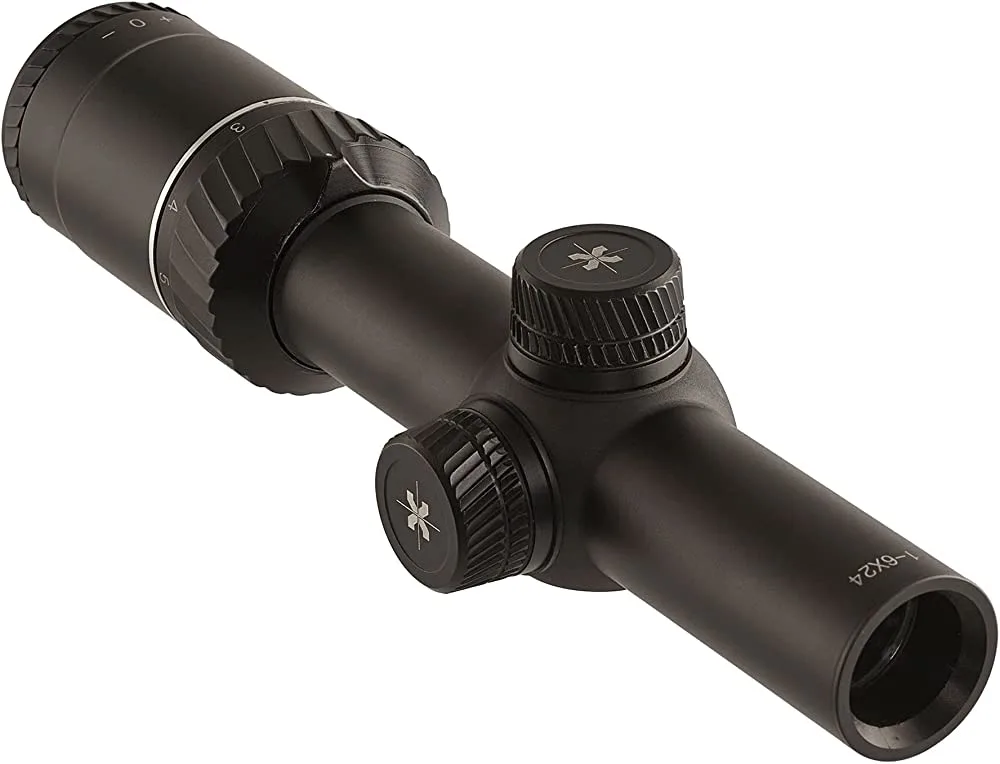
When external temperature rises sharply, the gas inside expands. This puts stress on the O-ring seals, usually made of nitrile rubber. If those seals dry out from repeated heat cycles, they lose their ability to hold pressure.
Once a seal fails, nitrogen escapes and moisture gets in. That's when fogging starts.
The aluminum scope tube itself also expands under heat. On premium optics from brands like Vortex or Leupold, tolerances are tight enough to absorb this without reticle shift. On cheaper scopes, the internal erector system can move slightly.
That small shift shows up as accuracy problems downrange.
Why Aluminum Tubes Expand and What That Does to Your Reticle
Aluminum expands roughly 12.8 microinches per inch per degree Fahrenheit. Over a 1-inch scope tube, that's less than a hundredth of an inch at extreme temperatures. Not enough to notice on quality optics.
But on budget scopes with looser tolerances, it can nudge the reticle off zero.
Manufacturer specs from Leupold and Nightforce confirm operating ranges between -30°F and 130°F. Their nitrogen-purged designs are built to handle these swings. As of 2026, most reputable scope makers have held these same temperature ratings for years.
Real Risk Scenarios: Where Heat Damage Actually Happens
Let's get practical about where this actually plays out. Most hunters don't worry about scope heat damage until they've left an optic on a truck dashboard in August and come back to fogging inside the lenses.
Vehicle interiors are the number one scenario. Park your truck in direct summer sun, and dashboard temperatures can climb to 150°F to 170°F in minutes. That's above what most scope manufacturers recommend for sustained exposure.
The scope isn't melting, but you're stressing seals and coatings.
Garages in desert climates face similar problems. A garage in Phoenix or Southern Nevada can hit 120°F to 130°F on a July afternoon. Storing a scope there for weeks on end is worse than a short drive in a hot vehicle.
Dry Desert Heat vs. Hot-Humid Gulf Coast Conditions
These two environments attack scopes differently. Dry heat degrades O-ring seals and dries out lubricants. Humid heat (think Houston, New Orleans, or coastal Alabama) forces moisture past weakened seals through condensation.
| Environment | Primary Risk | Typical Temps |
|---|---|---|
| Desert garage or storage | Seal dry-out, lubricant degradation | 110°F to 130°F sustained |
| Vehicle dashboard in direct sun | Acute thermal stress, coating damage | 150°F to 170°F spike |
| Gulf coast heat with humidity | Condensation, internal fogging | 95°F to 105°F plus high humidity |
Temperature Tolerance: What Modern Rifle Scopes Can Really Handle
Here's where most people get it wrong. They assume any heat equals damage. In reality, quality scopes tolerate conditions far beyond what most hunters face.
| Scope Type | Typical Operating Range | Heat Tolerance |
|---|---|---|
| Premium nitrogen-purged optic | -30°F to 130°F | High |
| Mid-range sealed optic | -20°F to 120°F | Moderate |
| Budget air-filled optic | -10°F to 110°F | Low |
That last line matters most. Cheap scopes without nitrogen purging are the real vulnerability. They fog at the first sign of a temperature swing and lack the internal pressure design that premium optics use.
Why Nitrogen Purging Matters More Than Brand Name
A $300 Vortex scope with proper nitrogen purging will outperform a $500 unsealed scope in heat conditions every time. The purge creates the dry internal environment that keeps lenses clear. Without it, you're essentially buying a glass tube that condenses easily.
The US Army technical manuals on small arms optics detail how internal pressure and seal integrity directly affect zero retention under temperature stress. Military optics testing is among the most rigorous anywhere, and it all prioritizes seal performance above everything else.
FFP vs SFP Mechanics Under Heat
First Focal Plane (FFP) scopes have more complex internal mechanics than Second Focal Plane (SFP) scopes. The erector assembly moves with magnification changes, creating more potential points for thermal expansion to cause issues. Premium FFP optics from Nightforce or Schmidt & Bender handle this with tight tolerances.
The real risk sits with mid-range FFP scopes where cost-cutting shows up in component precision.
How to Protect Your Scope From Heat and Extreme Temperatures
Protecting your scope from heat doesn't take much effort. It mostly comes down to storage habits and a few simple practices.
- Never leave a scope on a vehicle dashboard in direct sun. Even an hour in a hot car can push internal temps past recommended limits.
- Store scopes in a climate-controlled environment when possible. A gun safe in a conditioned home works great. Avoid unheated garages during summer.
- Use lens covers when the scope is in transport. Flip-up caps protect coatings from UV exposure and scratches.
- Keep a desiccant pack near stored optics. This helps manage humidity even if the scope is properly sealed.
- Bring the scope indoors gradually after extreme cold. Rapid temperature swings cause condensation. Let it acclimate slowly.
What to Do Before a Hot-Weather Hunt
If you're hunting in extreme heat, plan your transport carefully. Leave the scope in an insulated case during the drive. When you arrive, don't mount it immediately in direct sun.
Let it reach ambient temperature over 20 to 30 minutes.
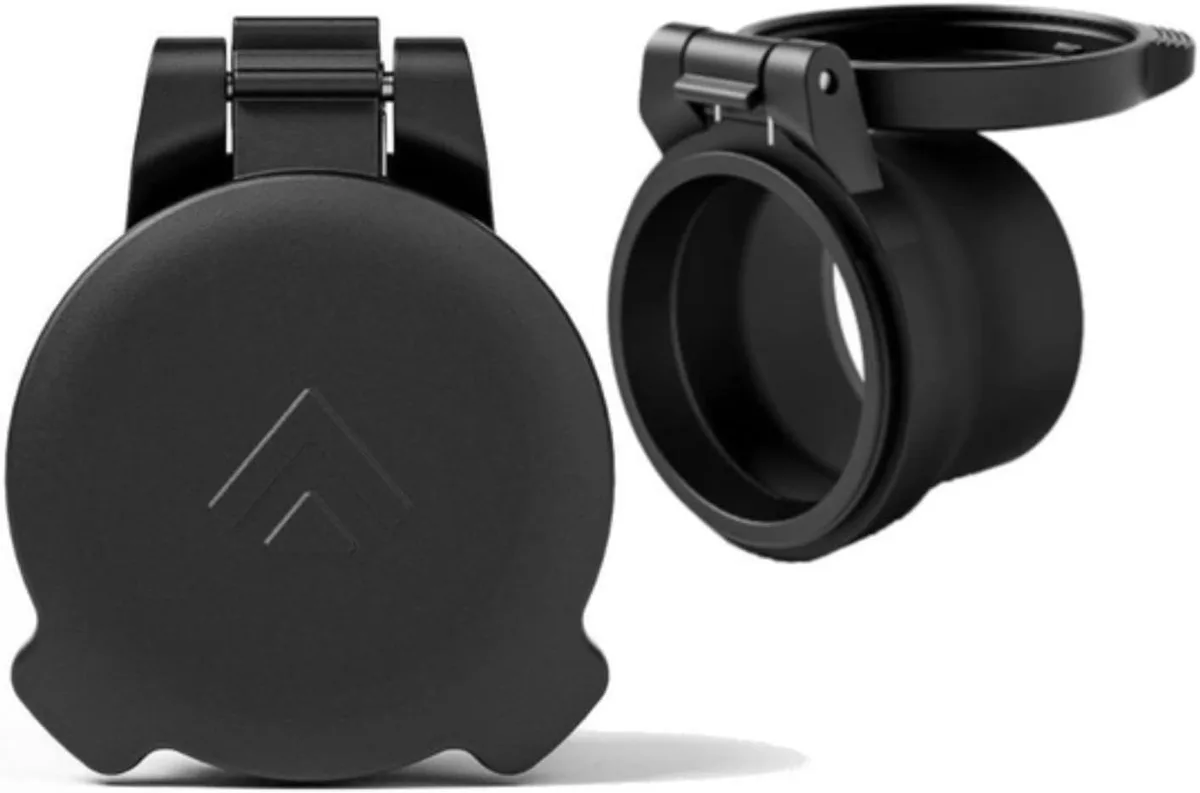
Check your lens covers before you leave. Cracked or dried-out caps are the first sign your optics aren't properly protected. Replace them if needed.
It's a cheap fix that prevents expensive damage.
For long-term storage, the US Consumer Product Safety Commission's guidelines on safe firearm storage offer a useful baseline. While they focus on child safety, the underlying principle applies to optic care too. Stable storage conditions matter more than most people think.
Warning Signs Your Scope May Already Be Heat-Damaged
Most heat damage to scopes shows up gradually. You won't notice it until it affects your shooting, and by then the damage is usually done.
The first sign is interior fogging. If you see haze or fogging inside the lenses that doesn't clear quickly after a temperature change, your nitrogen purge may be compromised. This is the most common warning sign and the easiest one to spot.
Interior Fogging, Reticle Shift, and Lens Coating Haze
Reticle shift is the second indicator. If your zero moves inconsistently after a temperature swing, the internal erector system may have been affected by thermal expansion on components that weren't built to tolerate it.
Lens coating damage shows up as haze, discoloration, or a rainbow-like film on the objective lens. This comes from sustained UV exposure combined with heat, and it's permanent. No amount of cleaning will restore the coating.
When Damage Is Cosmetic vs. When It Affects Accuracy
Here's how to tell the difference:
- Cosmetic: Minor exterior finish wear, slight lens cover discoloration. The optic still tracks zero properly.
- Accuracy-affecting: Interior fogging, reticle drift, persistent coating haze that blocks light transmission.
If you're seeing accuracy-affecting signs, stop using the scope for precision work. A scope that's off zero is a liability, not an asset. Get it inspected or consider replacement.
Manufacturer warranty coverage may still apply if the seal failure is recent.
Mistakes That Void Your Warranty and Shorten Scope Life
Some of the most common heat-related scope problems come down to mistakes that could easily be avoided. These aren't obscure edge cases either. Our research shows they show up repeatedly in warranty claim data and manufacturer technical bulletins.
Leaving Optics on Vehicle Dashboards in Direct Sun
This is the single most damaging habit hunters have. You pull up to a range, leave the rifle in the truck, and come back three hours later in July. The dashboard is scorching, the rifle's been sitting in direct sun the whole time, and the scope has been cooking above 150°F.
It won't happen every time. But over repeated exposures, it dries out O-ring seals and degrades lubricants inside the turrets. Eventually, you'll notice fogging or a loose adjustment feel.
Keep scopes in an insulated rifle case during transport. If you must leave the rifle in a vehicle, park in shade and crack a window to reduce interior temperatures.
Ignoring O-Ring Seal Maintenance and Periodic Inspections
Scope seals aren't permanent. Nitrile rubber O-rings degrade over time, and heat accelerates that process. A scope sitting in a hot garage for five years has seen hundreds of heat cycles.
The seals have paid the price each time.
Check your lens covers and seal areas annually at minimum. Look for cracking, hardening, or gaps where covers meet the tube. If the rubber feels stiff or brittle, it's time to replace it.
Most manufacturers sell replacement O-rings for under $20.
Racking Up Heat Cycles Through Careless Storage Patterns
Temperature swings are the real enemy. Your scope handled one hot day fine. It'll handle fifty.
But fifty cycles of going from an air-conditioned house to a 150°F truck cab and back again over a hunting season is a different story. Each cycle stresses seals and internal components.
Consistency beats extremes. A scope stored in a stable environment will outlast one that bounces between temperature extremes regularly, even if both eventually reach the same peak.
| Mistake | Long-Term Effect | Prevention |
|---|---|---|
| Dashboard storage in direct sun | Seal dry-out, reticle shift | Insulated case during transport |
| Unheated summer garage | Sustained heat stress | Climate-controlled storage |
| Ignoring seal inspections | Fogging, pressure loss | Annual O-ring and cap check |
| Rapid temperature cycling | Repeated thermal stress | Let scope acclimate gradually |
Frequently Asked Questions
Can a rifle scope melt in a car?
No, a rifle scope won't melt inside a vehicle. Modern optics use aluminum alloys and optical glass that tolerate well above 200°F. What heat does instead is stress the internal seals and coatings.
Repeated exposure above 130°F degrades the nitrogen purge and can cause fogging or reticle shift.
Will a scope be damaged in a hot car for a few hours?
Short exposure of one to two hours is unlikely to cause damage in a quality scope. The risk increases the longer the optic stays in a hot vehicle and the higher the external temperature. Repeated exposure over weeks or months is what really takes a toll on seals and internal pressure.
What temperature should I store my rifle scope at?
Most manufacturers recommend storing optics between 32°F and 120°F. A climate-controlled room or conditioned safe is ideal. Avoid unheated garages, sheds, or attics where summer temperatures can regularly exceed 120°F.
Is it safe to leave a rifle scope in a hot garage over winter?
It depends on your climate. In mild winter conditions below 100°F, you're probably fine. In southern states or summer storage, sustained heat above 120°F degrades seals over time.
If your garage regularly exceeds that, move your optic indoors or use an insulated storage container.
Does heat damage rifle scope coatings?
Yes, sustained heat combined with UV exposure can damage anti-reflective lens coatings over time. The coating may haze, discolor, or develop a rainbow-like film that reduces light transmission. This damage is permanent and can't be repaired, only prevented with proper storage and lens covers.
Can I fix a fogging scope yourself?
You can try. If fogging appears after a seal breach, some users re-gas the scope with nitrogen, but that requires specialized equipment. Most optics owners are better off contacting the manufacturer.
Many brands offer seal service or warranty coverage for fogging, especially on recent failures.