You just dropped your rifle, or the scope fogged up mid-hunt, and now you're staring at it wondering if it's fixable. Can a rifle scope be repaired? Usually, yes.
But whether it's worth repairing depends on what broke and what the scope was worth in the first place.
Most rifle scopes carry a limited lifetime warranty. Leupold and Vortex cover manufacturing defects for the life of the product. Budget scopes under $300 often come with just 2 to 5 years of coverage.
Let's look at what kinds of damage can actually be fixed.
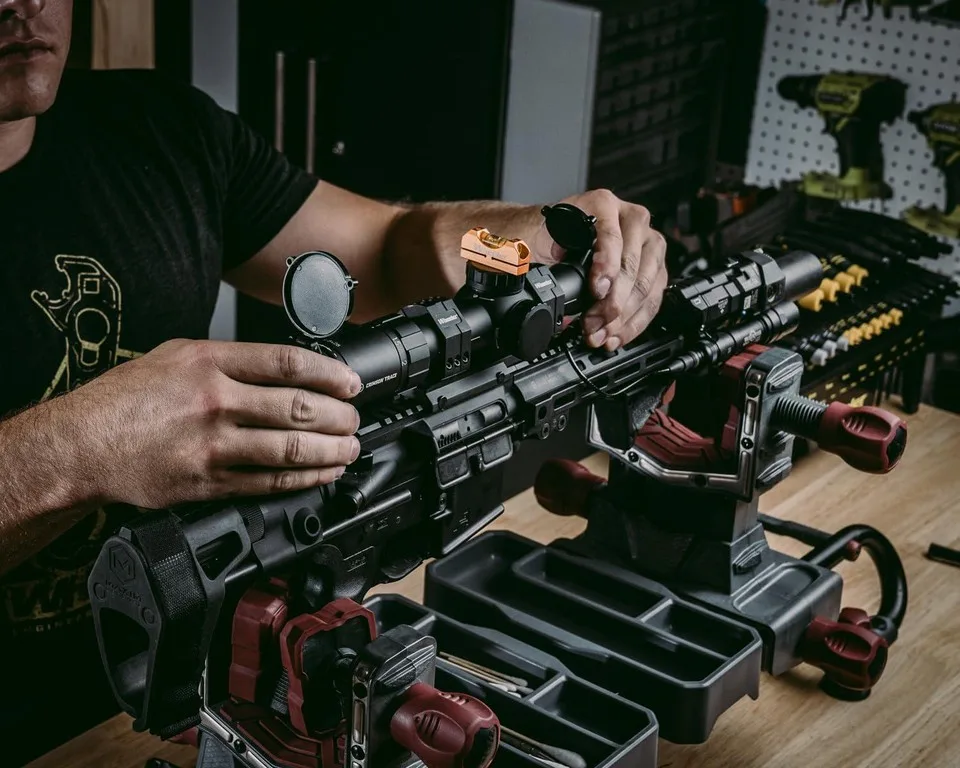
Image source: Bing (Web (fair-use with source credit))
Quick Answer
A rifle scope can usually be repaired. Most mechanical and optical issues have fixable causes. Whether the repair is worth it depends on the scope's value and the damage type.
Premium scopes under warranty are almost always worth fixing. Budget scopes out of warranty often cost more to repair than replace.
What Kinds of Scope Damage Can Actually Be Repaired?
Not all scope damage is the same. Some problems are routine factory fixes. Others are effectively a total loss.
Knowing what's repairable helps you decide your next move fast.
Mechanical Failures
Turret malfunctions are among the most common repair items. If your elevation or windage dial feels gritty, stiff, or won't adjust cleanly, that's a mechanical issue. Factory service centers routinely rebuild turret assemblies.
Magnification ring failures are similar. If the zoom ring is stuck or gritty, it can often be cleaned and re-lubricated at the factory. Parallax adjustment dials can also seize over time, especially in older scopes exposed to moisture.
Optical Failures
Fogging inside the scope is a classic symptom of compromised seals. The nitrogen or argon purge that keeps the lenses clear has been breached. Many factory service centers can re-purge the scope and replace the seals.
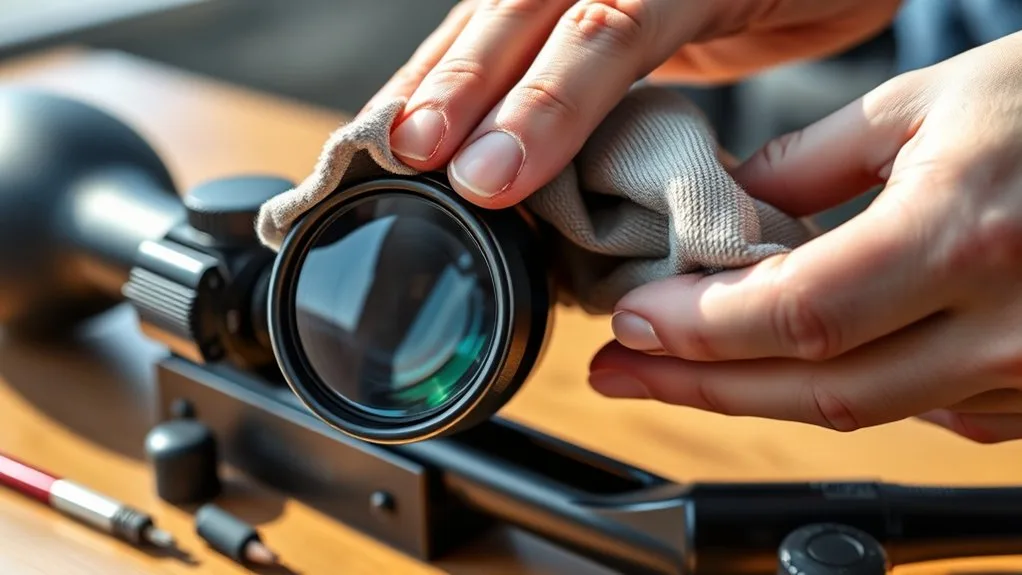
Image source: Bing (Web (fair-use with source credit))
Water damage, however, is trickier. If corrosion has set in on internal lens coatings, the repair may not fully restore image quality. Cracked or chipped lenses are rarely repaired outright.
Most manufacturers replace the lens assembly instead.
Structural Damage
A bent scope tube from overtightened rings is a common problem. In some cases, the tube can be straightened and re-checked at the factory. More severe bends usually total the scope.
Cracked housings are almost never economically repairable. Thread damage on turret caps can sometimes be fixed through re-threading.
Here's a quick reference for what's fixable versus not:
Usually Worth Repairing
- Turret rebuilds and re-lubrication
- Magnification ring service
- Seal replacement and re-purging
- Minor scope tube straightening
- Lens assembly swaps
Rarely Worth Repairing
- Severe tube deformation
- Internal lens corrosion
- Cracked objective or ocular lenses
- Water damage on budget scopes
Manufacturer specifications indicate that most mid-range and premium scopes can be returned to factory condition through standard service procedures. Budget scopes under $200 rarely justify the repair cost.
Repair vs. Replace: How to Know When Repairing Makes Sense
Here's the rule of thumb that comes up over and over in our research. Once the repair cost exceeds about 50% of the scope's replacement price, it's time to think about buying new. Some experts push that number to 70% for premium optics.
The sweet spot depends on how much you value the specific setup.
The Break-Even Math
| Scope Category | Typical Repair Cost | Replacement Cost | Worth Repairing? |
|---|---|---|---|
| Budget ($100 to $300) | $50 to $150 | $100 to $300 | Rarely |
| Mid-range ($300 to $800) | $100 to $250 | $300 to $800 | Usually yes |
| Premium ($800+) | $150 to $400+ | $800 to $2,500+ | Almost always |
If your scope cost $250 and the repair quote is $150, that's 60% of replacement cost. Buying new is probably the smarter move. If your $1,200 Nightforce needs a $200 turret rebuild, repair wins easily.
How Warranty Status Changes Everything
This is where things get much simpler. Most major scope manufacturers now offer limited lifetime or full lifetime warranties.
- Leupold: limited lifetime warranty on manufacturing defects
- Vortex Optics: VIP no-fault lifetime warranty
- Burris: Forever Warranty program
- Bushnell: factory warranty service on most models
If your scope is covered, the repair is usually free or very low cost. That automatically makes repair the right choice. Always check warranty status before getting a quote.
When Repair Clearly Makes More Sense Financially
There are situations where repair wins outright, no matter how you look at the numbers. A $1,200 premium optic with a $180 turret rebuild sits under the 50% threshold comfortably. The scope comes back fully functional and fully covered.
Premium optics like Nightforce, Schmidt & Bender, and Zeiss hold their value. A repaired premium scope still performs like a premium scope. Many of these brands even offer factory re-certification, so the optic returns to factory-spec performance.
There's also the practical side. If your scope is already mounted and zeroed to your rifle, replacing it means re-mounting, re-bore sighting, and re-zeroing from scratch. Keeping the original saves you all that setup work.
Factory Warranty Service vs. Third-Party Scope Repair Shops
Your scope needs repair, and now you've got a choice to make. Factory service or an independent shop? Each option has clear strengths.
Factory Warranty Service
Factory service centers are where warranty coverage matters most. Brands like Leupold, Vortex, and Burris handle repairs in-house with their own technicians, parts, and calibration equipment.
The biggest advantage is warranty preservation. A factory repair keeps your original warranty intact in most cases. Vortex's VIP program, for example, will replace a damaged scope outright under their no-fault lifetime policy.
Factory repairs also come with re-certification. Your scope comes back tested, calibrated, and covered by warranty again. It's the most reliable path when your optic has real value.
Third-Party Repair Shops
Independent repair shops handle turret rebuilds, optical alignment, and re-sealing. They're often faster than factory service, with turnaround times measured in days rather than weeks.
They also work on scopes that are out of warranty or no longer manufactured. If you've got a discontinued model or vintage optic, a third-party shop may be your only option.
The trade-off is warranty risk. Most manufacturer warranties state that unauthorized repairs void coverage permanently. If your scope is still under factory warranty, a third-party repair can cost you future support.
| Factor | Factory Service | Third-Party Shop |
|---|---|---|
| Warranty preservation | Yes, usually | Voids or risks coverage |
| Turnaround time | 2 to 8 weeks | 2 weeks to 2 months |
| Cost for covered items | Free or very low | Out of pocket |
| Discontinued models | Sometimes supported | Usually supported |
| Quality assurance | Factory-tested, re-certified | Varies by shop |
If your scope is under warranty and the manufacturer covers the damage, factory service is the clear winner. If the warranty has expired, a third-party shop often makes more sense financially.
How to Get Your Rifle Scope Repaired (Step by Step)
If you've decided to repair your scope, the process is straightforward. You don't need to be a gunsmith. You just need to follow the steps carefully.
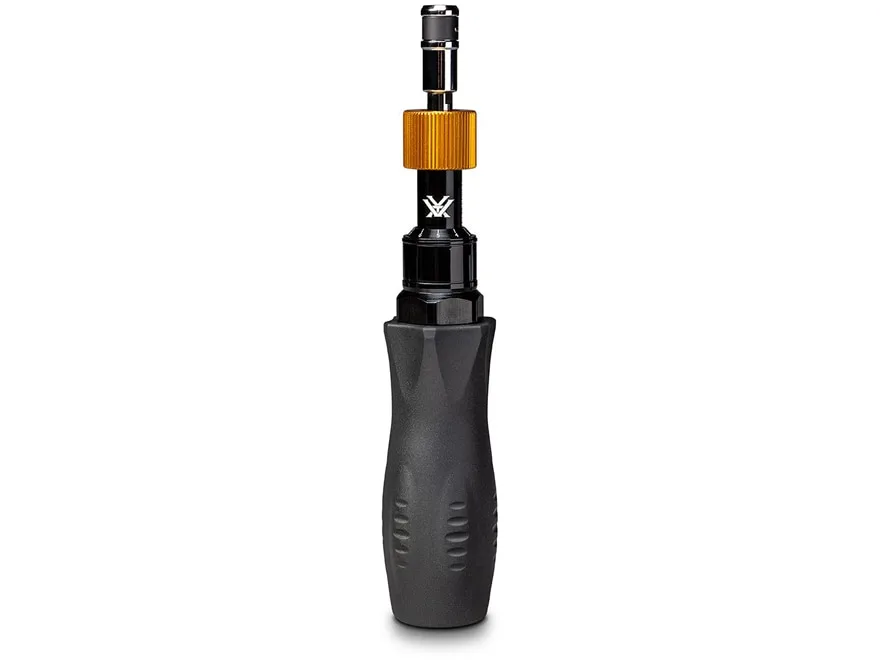
Image source: Bing (Web (fair-use with source credit))
Step 1: Unload and Remove the Scope
Unload your rifle completely. Remove the scope using a scope wrench or screwdriver. Loosen the ring screws evenly, alternating between top and bottom screws to avoid binding.
Keep the rifle and scope separate for shipping. You're only sending the scope itself to the repair center.
Step 2: Diagnose the Damage
Before shipping anything, figure out what's wrong. Take photos of the damage. Write down the symptoms: turrets clicking, fogging, reticle shift, or a stuck magnification ring.
Find your scope's model number and serial number. These are usually stamped on the objective bell or the main tube. You'll need both for any warranty claim.
Step 3: Check Warranty Status
Contact the manufacturer or check their website for warranty terms. Leupold, Vortex, and Burris all have online claim forms. Submit a claim with your photos and description.
Most warranty claims don't require you to ship the rifle. The scope alone is usually enough.
Step 4: Get a Quote and Compare
If the scope is out of warranty, ask for a repair estimate before shipping. Many shops will give you a quote based on photos and a description.
Compare that quote against the replacement price of the same model. This is where the 50% to 70% rule from earlier kicks in. If the repair exceeds that threshold, replacement is the smarter play.
Step 5: Package and Ship the Scope
Wrap the scope in foam or bubble wrap. Place it in a padded hard case if you have one. Double-box it for extra protection during transit.
Most manufacturers prefer you ship directly to their factory service center. Leupold's facility in Beaverton, Oregon is one example of a manufacturer shipping destination.
Step 6: Re-Mount and Re-Zero After Repair
Once your scope comes back, re-mount it using proper torque specifications. Scope ring screws typically require 15 to 25 inch-pounds. Use a torque wrench instead of guessing.
Boresight the scope at home before heading to the range. This saves time and ammunition. Then re-zero at the range and verify turret function, parallax adjustment, and reticle integrity.
Mistakes to Avoid When Repairing or Replacing a Scope
These mistakes cost people money, time, or warranty coverage. Avoid them and the process goes much smoother.
Letting an Unauthorized Repair Void Your Warranty
This is the biggest one. If your scope is under factory warranty and you take it to a third-party shop for a non-factory repair, you may permanently lose your warranty coverage. Vortex, Leupold, and most major brands require factory service for warranty claims.
Always send it to the manufacturer first.
Shipping the Rifle Instead of the Scope
You don't need to ship your rifle to a scope repair center. Scope manufacturers repair optics, not firearms. Sending the rifle adds unnecessary risk and shipping costs.
Leave the rifle at home. Ship the scope only.
Overtightening Scope Ring Screws
Scope tube crushing from overtightened rings is one of the most common causes of scope damage in the first place. When re-mounting after repair, use a torque wrench set to the manufacturer's specification, usually between 15 and 25 inch-pounds. Blue threadlocker on ring screws helps them stay put without requiring excessive force.
Skipping the Re-Zero After Reinstallation
A scope that comes back from repair isn't automatically zeroed to your rifle. The boresight and zero process must happen again. Skipping this step leads to surprises at the range.
Take the time to boresight at home first, then confirm the zero at the range.
Repairing a Budget Scope That Costs Less to Replace
If your $180 scope needs a $120 repair, that's 67% of replacement cost. For that money, you can buy a new scope, often with updated features or a better warranty. Run the math before committing to any repair.
Decision Guide: Repair It, Replace It, or Retire It?
At this point, you've got everything you need to make the call. Here's the final walk-through of the decision tree.
Step 1: Is the scope still under factory warranty?
- If yes, contact the manufacturer immediately. Send the scope for factory service. Don't waste time on alternatives.
- If no, move to Step 2.
Step 2: What's the scope worth today (used/retail replacement price)?
- If under $300, repair is rarely worth it. Buy a new scope.
- If $300 to $800, keep reading.
- If over $800, keep reading. Repair is almost certainly worth it.
Step 3: What does the repair cost?
- If repair exceeds 50% to 70% of the replacement price, buy new.
- If repair falls under that threshold, go ahead with the repair.
- If repair exceeds the replacement price entirely, replace immediately.
Step 4: What kind of damage is it?
- Mechanical issues like turrets and magnification rings: usually worth repairing.
- Optical fogging from seal breach: usually worth repairing at the factory.
- Severe water damage, lens corrosion, cracked housings: usually not worth repairing.
Step 5: Choose your repair path.
- Under warranty: factory service.
- Out of warranty, moderate damage: third-party shop or factory service with out-of-pocket cost.
- Out of warranty, severe damage: buy a replacement scope.
As of 2026, the scope repair market continues to support factory service for all major brands. Even discontinued models often get parts support for years after production ends. The key is always starting with warranty status before anything else.
Frequently Asked Questions
Can a fogged or water-damaged scope be fixed?
Fogging caused by a seal breach can usually be fixed. Factory service centers re-purge the scope with nitrogen or argon and replace worn seals. Water damage with internal corrosion is harder.
If lens coatings are affected, image quality may not fully recover. Send the scope to the manufacturer for evaluation.
Do I need to send my rifle or just the scope for factory repair?
Send only the scope. Scope manufacturers repair optics, not firearms. Your rifle stays at home.
Wrap the scope securely in foam and ship it double-boxed to the service center. This also avoids unnecessary shipping costs and carrier complications.
Will a third-party repair void my factory warranty?
In most cases, yes. Brands like Vortex, Leupold, and Burris require factory-authorized service for warranty claims. An unauthorized repair can permanently void your remaining coverage.
If your scope is still under warranty, always go through the manufacturer first.
How long does factory scope repair usually take?
Factory service typically takes 2 to 8 weeks. This covers inspection, repair, re-certification, and return shipping. European brands like Schmidt & Bender and Zeiss may take longer if the scope ships internationally.
Third-party shops can sometimes return work in 2 to 3 weeks.
Is it worth repairing a $150 scope?
Usually not. A $150 scope that needs a $100 repair costs 67% of replacement price. For that money, you can buy a new scope with a fresh warranty.
The math only works out if the repair cost falls below about $75 to $80, which is uncommon for most optical or mechanical issues.
Can a bent scope tube be straightened?
A minor bend from overtightened rings can sometimes be straightened at the factory. The tube gets realigned and re-checked for optical integrity. Severe bends that deform the tube wall are usually not repairable.
The internal lens alignment would be compromised, and the scope becomes unreliable.