Can humidity damage a rifle scope? Yes, and it does more damage than most shooters expect. Moisture works its way inside the tube over time, fogging lenses and corroding internal parts.
The worst part? You won't see it until your zero drifts or your image turns cloudy.
Manufacturers seal scope internals with nitrogen or argon gas to keep moisture out. But those O-ring seals wear down with age, heat cycles, and field use. Per ISO 9227 humidity testing standards, sustained relative humidity above 60% accelerates corrosion on unprotected metal surfaces.
If your scope sits in a humid garage with no desiccant, you're setting it up for failure.

Image source: Web (Bing) / qaqooking.wiki (Web image (fair-use with source credit))
Quick Answer
Yes, humidity can damage a rifle scope. Moisture causes internal fogging, lens coating degradation, and metal corrosion over time. Nitrogen-purged scopes resist moisture better than unpurged designs.
But O-ring seals degrade with age, heat cycles, and heavy field use. If your storage humidity stays above 55%, your scope is at risk.
Yes, Humidity Can Damage a Rifle Scope — Here's What Actually Happens
Sustained exposure to high humidity will eventually damage a rifle scope. It won't happen overnight. But over months or years, the effects compound in ways that are hard to reverse.
What Humidity Does Inside a Scope
Humidity attacks a scope from three directions at once. Moisture works past compromised O-ring seals into the optical chamber. Once inside, it condenses on lens surfaces, creating fog you can't wipe away.
Trapped moisture also corrodes the aluminum housing, brass adjustment components, and steel screws. And the anti-reflective lens coatings degrade, cutting light transmission and image clarity.
The Timeline of Damage
Damage follows a predictable pattern:
- Early stage: Slight lens haze during temperature swings. Clears after a few minutes.
- Mid stage: Persistent fog that takes longer to clear. Noticeable dimming in low light.
- Late stage: Visible rust or green oxidation on internal parts. Your zero drifts because turret components corrode.
Most moisture-related warranty claims fall into the early to mid stage, where seals have begun to fail but the scope still partially works.
Why "Waterproof" Doesn't Mean "Humidity-Proof"
Many scopes carry a waterproof rating. That means they're sealed against submersion for a set period. But submersion tests don't simulate years of sustained high humidity.
The seals that pass a 30-minute dunk test today can weaken over thousands of thermal cycles in a humid environment. As of 2026, most premium scope manufacturers still test to submersion standards rather than long-term humidity exposure.
How Moisture Gets Into a Scope: Purging, Seals, and Internal Fogging
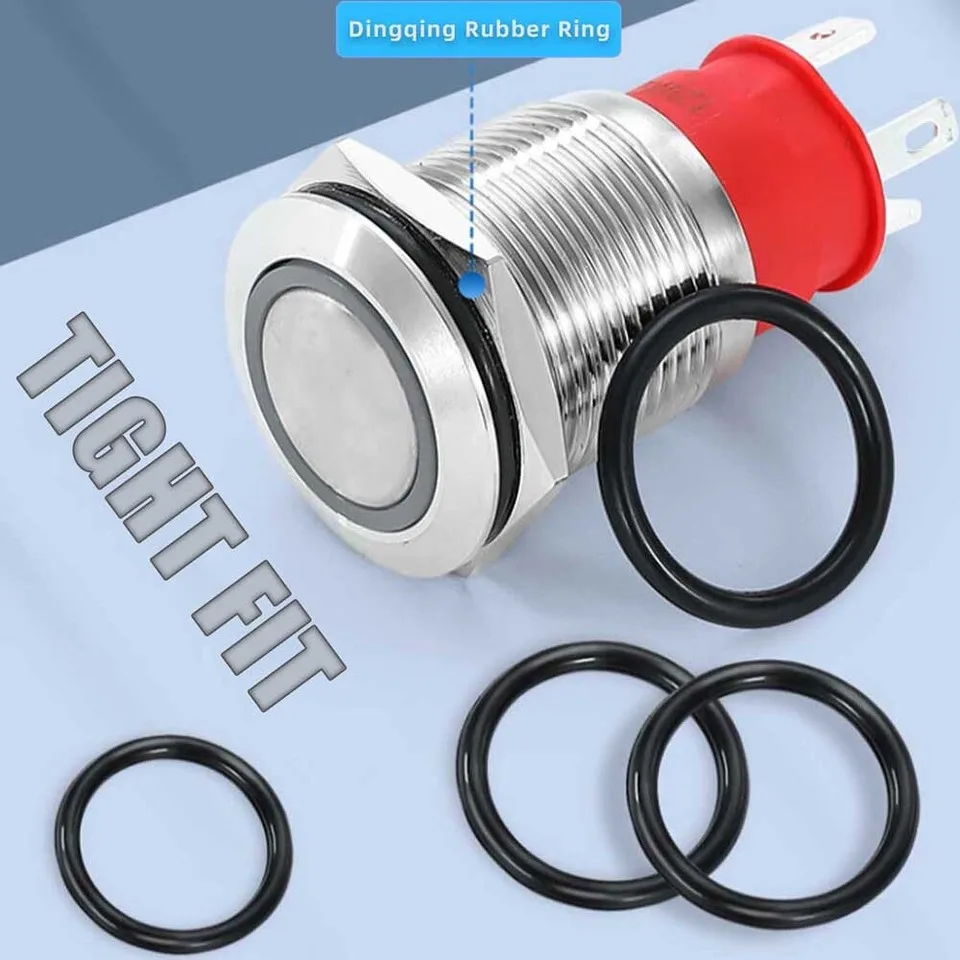
Image source: Web (Bing) / ebay.com (Web image (fair-use with source credit))
Most rifle scopes leave the factory filled with dry nitrogen gas and sealed with O-ring gaskets. The purge gas creates positive pressure inside the tube, which pushes moisture out. It's a simple system, and it works well as long as the seals hold.
Nitrogen-Purged vs. Argon-Purged Scopes
| Feature | Nitrogen-Purged | Argon-Purged |
|---|---|---|
| Gas molecule size | Smaller | Larger |
| Seal retention | Good | Better, slower leak rate |
| Common cost range | Lower | Slightly higher |
| Found in | Most mid-tier scopes | Premium optics |
Argon molecules are heavier than nitrogen molecules, so they leak through micro-gaps in seals more slowly. Argon-purged scopes tend to hold seal integrity longer. Both work well when fresh.
The difference shows up over years, not months.
How O-Ring Seals Degrade
O-ring seals are made of rubber or synthetic elastomers like nitrile or fluorocarbon. These materials harden over time, especially under temperature extremes. A scope stored in a garage that swings from 40°F in winter to 110°F in summer goes through hundreds of thermal cycles per year.
Each cycle stresses the seals. Eventually the O-ring loses elasticity and micro-gaps appear at the turret caps, objective bell, and eyepiece junction. That's all moisture needs to get inside.
The Fogging Mechanism
When humid air gets past a failing seal and enters the optical chamber, water vapor condenses on cooler lens surfaces. The dry purge gas inside gets displaced, reducing the pressure differential that was keeping moisture out.
Condensation on internal lens surfaces is harder to deal with than external fogging because you can't wipe it without disassembling the scope. Cycling the scope through warm and cold temperatures sometimes clears light fog. It won't fix corroded internals.
The Decision Variables: What Determines If Your Scope Is at Risk
Not every scope faces the same humidity risk. Several factors determine how quickly moisture damage occurs in your specific situation.
Climate and Regional Humidity
The National Weather Service publishes regional relative humidity data showing where risk is highest. Coastal and southern U.S. regions consistently run 60% to 90% relative humidity for much of the year.
If you live in Louisiana, coastal Texas, Florida, or the Carolinas, your scope faces constant moisture exposure. If you're in the arid West, the risk is significantly lower.
| Region | Typical Annual RH | Risk Level |
|---|---|---|
| Gulf Coast (LA, MS, AL) | 70-90% | High |
| Southeast (FL, GA, SC) | 60-80% | Moderate-High |
| Pacific Northwest | 60-75% | Moderate |
| Great Plains / Midwest | 40-60% | Low-Moderate |
| Desert Southwest | 10-30% | Low |
Storage Environment
A scope stored in an air-conditioned closet with a hygrometer reading below 45% is safe. A scope stored in an uninsulated garage in Georgia, where summer humidity hits 80%, is not.
The temperature swing matters as much as the humidity level. Hot, humid days followed by cool nights cause more condensation cycles inside a scope than steady humidity alone.
Scope Quality and Seal Construction
Entry-level scopes often use single O-ring seals at fewer junction points. Premium scopes from manufacturers like Nightforce and Schmidt & Bender use multi-point sealing, higher-quality elastomers, and more robust turret construction.
If your scope costs under $300, the seals are more likely to degrade early. A $1,000-plus optic gets better materials and more robust sealing from the manufacturer.
Field Use Conditions
Hunting in a Gulf Coast marsh exposes your scope to humidity and temperature extremes all day. Shooting at a dry flat range for two hours doesn't create the same stress.
How often you move between a conditioned vehicle and high humidity directly impacts thermal cycling and seal fatigue over time.
How to Assess and Protect Your Scope from Humidity Damage
You don't need to wait for visible fog to know if your scope is at risk. A few simple checks tell you whether moisture is already getting inside, and what steps to take next.
Step 1: Run the Breath Test
Breathe on the objective lens. If fog appears on the outside, that's normal. If you notice haze or fog inside the lens that doesn't clear within a few minutes, you likely have moisture trapped in the optical chamber.
This isn't a perfect diagnostic, but it catches early-stage issues before they turn into corrosion.
Step 2: Check Your Storage Humidity
Buy a basic digital hygrometer, which runs $10 to $20. Place it near your scope storage area and check the reading after 24 hours.
| Reading | What It Means | Action Needed |
|---|---|---|
| Below 40% RH | Safe for long-term storage | No changes needed |
| 40-55% RH | Moderate risk | Add desiccant |
| 55-70% RH | Elevated risk | Sealed container with desiccant |
| Above 70% RH | High risk | Climate-controlled storage |
Step 3: Choose the Right Desiccant
Silica gel packets are the most reliable option for scope storage. They absorb moisture effectively and recharge in an oven.
Place 2 to 4 packets in a sealed container with your scope. Check the color indicator beads every 3 to 6 months. When they turn from orange to blue, recharge them at 250°F for 2 to 3 hours.
Avoid rice, baking soda, and open containers. They don't control humidity and can introduce dust.
Step 4: Inspect Your Scope Seals
Look at the O-ring seals around turret caps and the objective bell. Cracks, brittleness, or visible deformation mean the seals are failing. Replace them before moisture gets in.
Many manufacturers sell replacement O-ring kits for $5 to $15. Most premium brands also offer factory re-sealing services if you're not comfortable doing it yourself.
Step 5: Know When to Send It In for Re-Purging
If the breath test shows internal fog that won't clear, the purge gas has been compromised. Factory re-purging typically costs $40 to $100, depending on the scope model and service shop.
That's much cheaper than replacement. Most manufacturers honor warranty claims for moisture damage as long as you haven't attempted a DIY repair. Leupold's warranty support page outlines their coverage terms in detail.
Common Mistakes That Make Scope Humidity Damage Worse
Some well-meaning practices actually accelerate scope damage. Here are the most common mistakes to avoid.
Storing Scopes in Sealed Hard Cases Without Desiccant
A sealed hard case seems protective. But without desiccant inside, it traps moisture. The air that goes in with your scope stays there and becomes saturated over weeks.
The fix: add 2 to 4 silica gel packets to every sealed case that holds a scope. Check and recharge them regularly.
Using High Heat to Dry a Fogged Scope
When you see internal fog, the instinct is to warm the scope quickly. Some shooters put a fogged scope on a dashboard or near a space heater. High heat damages lens coatings, dries out seals prematurely, and causes purge gas to escape past weakened seals.
Let the scope reach ambient temperature slowly. If fogging persists, it's time for factory re-purging.
Ignoring Early Warning Signs
A slight haze during cold mornings seems harmless. Most shooters write it off as normal condensation. But early internal fogging means the seals are already compromised, and the problem gets worse over time.
Treat early fogging as an action item, not a quirk to shrug off.
Mixing Desiccant Types
Not all desiccants work the same way. Calcium chloride packets, sold as closet moisture absorbers, release liquid brine as they work. Placed near optics, that brine damages lens coatings and corrodes metal components.
Stick with silica gel for scope storage. It absorbs moisture without releasing liquid byproduct.
Storing Scopes Alongside Cleaning Chemicals
Lens cleaners, gun oils, and bore solvents release volatile organic compounds that off-gas and damage lens coatings over time. Store optics separately from chemical maintenance supplies.
| Mistake | Damage Risk | Easy Fix |
|---|---|---|
| Sealed case, no desiccant | Moderate | Add silica gel packets |
| High heat drying | High | Cool down slowly |
| Ignoring early fogging | High | Schedule re-purging |
| Wrong desiccant type | Moderate-High | Switch to silica gel |
| Chemical storage nearby | Low-Moderate | Separate storage area |
Frequently Asked Questions
Can a scope fog and still work fine afterward?
Light internal fog that clears when the scope reaches room temperature usually means a minor seal issue. The scope still functions, but the seal is degrading and the problem will worsen without attention. Persistent fog that doesn't clear indicates the purge gas has been compromised and re-purging is needed.
How do I know if my scope is nitrogen or argon purged?
Check your manufacturer's product specifications or owner's manual. Argon-purged scopes are typically higher-priced premium optics. Some manufacturers mark the gas type on the scope tube itself, but not all do.
If the documentation doesn't specify, assume nitrogen, which is the industry standard for mid-tier scopes.
Can silica gel packets really prevent scope fogging?
Yes. Silica gel packets maintain low relative humidity inside a sealed container, which keeps moisture out of the scope's optical chamber. A container with 2 to 4 packets and a scope typically holds below 30% RH.
Recharge the packets when the indicator beads change color to keep them effective.
What humidity level is safe for long-term scope storage?
Aim for below 45% relative humidity for long-term storage. Scopes stored above 55% RH show accelerated seal degradation over time. A digital hygrometer placed near your storage area gives you an accurate reading.
If your home stays above 55% RH, invest in a sealed container with desiccant or a small dehumidifier.
Is it worth trying to dry a fogged scope myself?
Not really. Opening a scope to dry it internally almost always voids the warranty and introduces more moisture and dust into the optical chamber. External drying of exterior lens fog is fine.
Internal fogging requires factory re-purging, which typically costs $40 to $100.
Do all rifle scopes come sealed from the factory?
Most quality rifle scopes are purged with nitrogen and sealed with O-ring gaskets from the factory. Budget scopes under $150 may use less reliable sealing methods. If your scope wasn't purged at all, it will fog in any humid environment.
Check your product documentation to confirm.
Your Humidity Decision Guide: Match Your Situation to the Right Fix

Image source: Bing (Web (fair-use with source credit))
The right protection strategy depends on where you live, how you store your scope, and what type of optic you own. Here's how to match your situation to the correct action.
If You Live in a High-Humidity Climate (Above 60% RH Year-Round)
Your scope faces constant moisture pressure. You need active humidity control.
- Store in a sealed container with 2 to 4 silica gel packets
- Check and recharge desiccant every 3 to 4 months
- Run the breath test quarterly
- Consider factory re-purging every 3 to 5 years as preventive maintenance
If You Live in a Moderate-Humidity Climate (40-60% RH)
Your risk is lower but not zero. Seasonal changes and field use can still compromise seals.
- Store in a ventilated case with at least 1 silica gel packet
- Check hygrometer readings seasonally
- Inspect O-ring seals once per year before hunting season
- Re-purge only if the breath test shows internal fogging
If Your Scope Has Already Fogged Internally
The purge gas seal has failed and moisture is inside the optical chamber. External cleaning won't fix this.
- Stop using the scope for precision work until re-purged
- Contact the manufacturer about warranty coverage
- Budget $40 to $100 for factory re-purging
- Replace any damaged O-ring seals while the scope is open
If Your Scope Is a Budget Optic (Under $300)
Budget scopes have less robust sealing and are more vulnerable to humidity damage. Prevention matters more here because re-purging costs can approach the price of the scope itself.
- Store in a sealed container with desiccant at all times
- Avoid exposing the scope to extreme temperature swings
- Consider upgrading to a mid-tier scope with argon purging if you shoot in humid conditions regularly
- Check warranty terms before attempting any repair yourself
The bottom line: humidity damages rifle scopes when you let it. But with the right storage habits and regular checks, most of that damage is completely preventable. A $15 hygrometer and a $10 pack of silica gel go a long way toward protecting an investment worth hundreds or thousands of dollars.




