What are the signs of a damaged rifle scope? That question matters more than most shooters realize. A compromised optic can shift your point of impact without any obvious reason.
Modern scopes are built tough, but internal damage still happens. Catching it early saves you time, money, and missed shots in the field.
Manufacturer specifications indicate that quality optics survive MIL-STD-810G shock and vibration testing, yet lens separation and turret failures still show up in real use. As of 2026, rifle scopes range from $100 budget models to $3,000+ premium optics from brands like Nightforce and Schmidt & Bender. Knowing what to look for protects both your investment and your accuracy.
Image source: Bing (Web (fair-use with source credit))
Quick Answer: The Six Red Flags That Signal Scope Damage
The main signs of a damaged rifle scope include point-of-impact drift, internal lens fogging, scratched or separated glass, loose turret tracking, a stuck magnification ring, and a shifted or dim reticle. Each symptom points to a specific failure inside the optic. If you notice any of these, stop shooting and inspect the scope before trusting your zero again.
Why Missing Scope Damage Is a Bigger Risk Than Most Shooters Think
A damaged scope doesn't just cost you accuracy. It can cause a complete miss at critical moments. In hunting scenarios, a 2-inch point of impact shift at 100 yards translates to a 10-inch shift at 500 yards.
That gap decides whether you take a clean shot or wound an animal.
Most quality manufacturers back their optics with solid warranty programs. Vortex Optics and Leupold offer lifetime warranties on many models, with no-fault replacement in most cases. But if you keep shooting with a damaged scope and worsen the problem, warranty coverage gets tricky.
Here's what's at stake:
- Safety: An inaccurate rifle is dangerous, especially near other shooters on a shared range
- Financial loss: Premium scopes run $800 to $3,000+, and some internal repairs exceed $400
- Time: Diagnosing scope problems wastes range time and ammunition
- Confidence: Once you doubt your optic, every shot carries mental hesitation
- Hunting failure: Missed shots in the field can go undetected until it's too late
The National Shooting Sports Foundation emphasizes proper equipment maintenance as a core part of safe shooting. Regular scope checks fit right into that practice.
The Main Signs Your Rifle Scope Is Damaged
Damage shows up in three main ways: through the glass, through the mechanical parts, and through the reticle. Most shooters notice something wrong before they can name exactly what's happening.
Optical Damage: What You See Through the Glass
Internal fogging is one of the clearest warnings. If condensation appears between lens elements, the nitrogen purging seal has failed. Scratched or chipped glass also cuts light transmission and creates flare or ghost images.
You might also see a dim or uneven image at magnification levels that used to look sharp. This can point to lens cement failure, where the adhesive holding optical elements together has broken down.
Mechanical Damage: Turrets, Magnification, and Housing
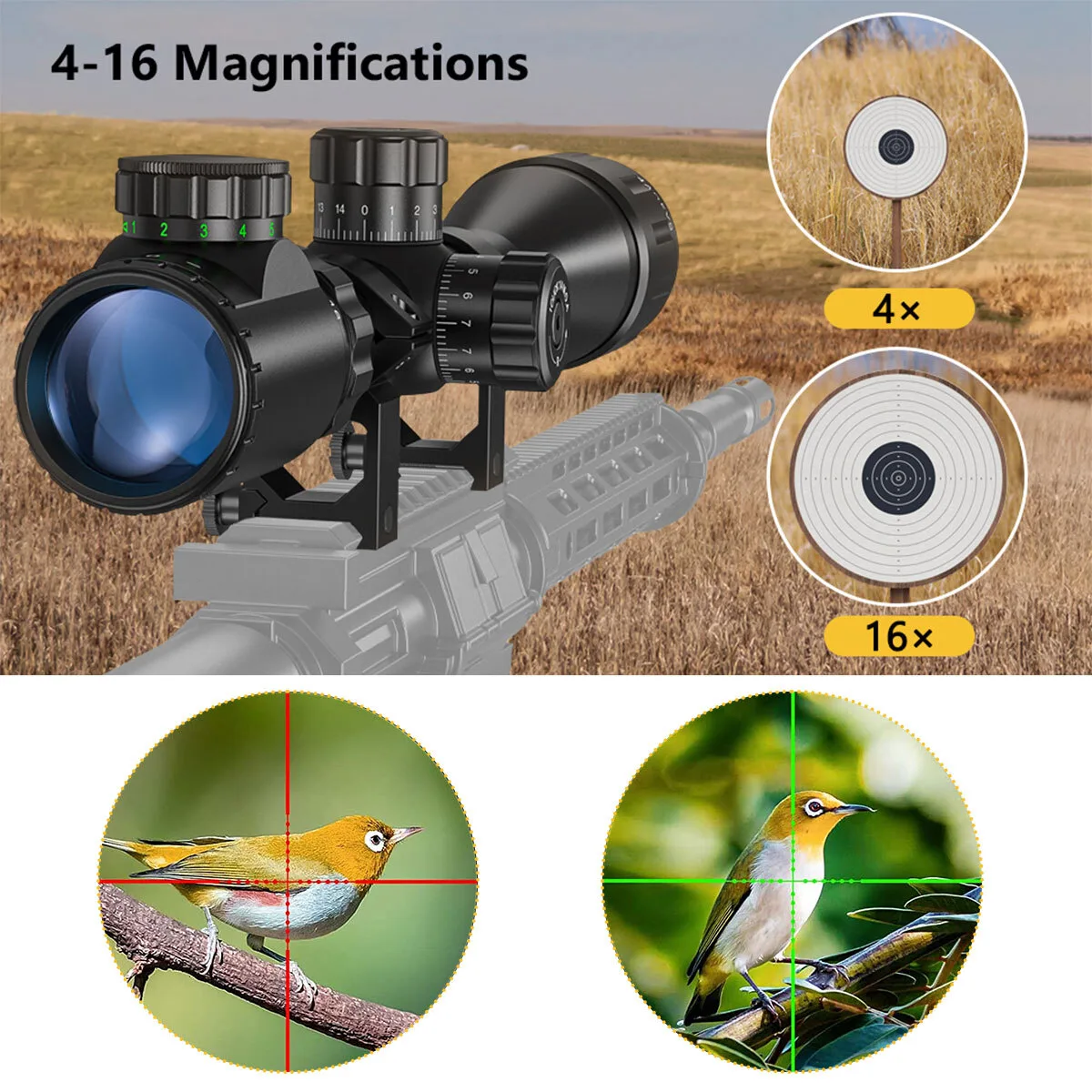
Image source: Web (Bing) / ebay.com (Web image (fair-use with source credit))
Turret problems are common after heavy recoil. If elevation or windage clicks feel mushy, gritty, or inconsistent, the internal click mechanism may be damaged. A magnification ring that turns stiff, loose, or won't move at all is another red flag.
Physical damage to the housing, like dents or bent rings, often signals deeper internal problems even if the glass still looks fine.
Reticle and Illumination Failures
A reticle that appears canted, shifted off-center, or no longer aligned with the point of aim suggests internal failure. Illuminated reticles that flicker, dim unexpectedly, or won't turn on can point to circuit damage.
If the reticle stays still while the scope body moves, that's normal. If it shifts within the image when you move the scope, something inside is broken.
Scope Damage vs. Mount Problems vs. Zero Issues: How to Tell the Difference
This is where most scope diagnoses go wrong. Shooters blame the optic when the real problem is the mount, the zero, or even the ammunition. Before tearing into your scope, rule out these alternatives first.
| Problem | Key Clue | Likely Culprit |
|---|---|---|
| POI drifts after impacts | Returns to zero after re-zeroing | Loose rings or base screws |
| Group opens up but POI stays centered | Consistent spread, no shift | Ammunition or shooter technique |
| POI shifts in one direction consistently | Won't return after re-zeroing | Scope internal damage |
| Reticle tilts when viewed through scope | Cant visible on level surface | Improperly mounted scope |
| Image blurs at certain magnifications | Changes with magnification setting | Internal lens failure |
If you've recently re-zeroed and still can't hold groups, swap to a known-good optic. If the rifle shoots fine with the backup scope, the original optic is likely the problem. Always check ring torque first.
Loose rings account for more "scope damage" reports than any internal failure in our research.
How to Inspect and Test Your Scope Like a Pro
You don't need a full workshop to check a scope. A few simple tests at home will tell you a lot before you head to the range.
Step-by-Step Bench Test After Suspecting Damage
Start with a visual inspection. Look at every lens surface for scratches, chips, or fog. Check the housing for dents and cracks.
Test the magnification ring through its full range. Feel each turret for consistent clicks.
Next, verify the mount. Use an inch-pound torque wrench set to 15-30 in-lbs for ring screws and 45-65 in-lbs for base screws. Loose hardware mimics scope damage more often than any internal failure in our research.
Then re-zero the rifle on a clean paper target at 100 yards. Shoot a five-shot group and record your POI. If you can't achieve a 1-inch group after proper zeroing, the scope needs professional attention.
Turret Tracking and Magnification Verification
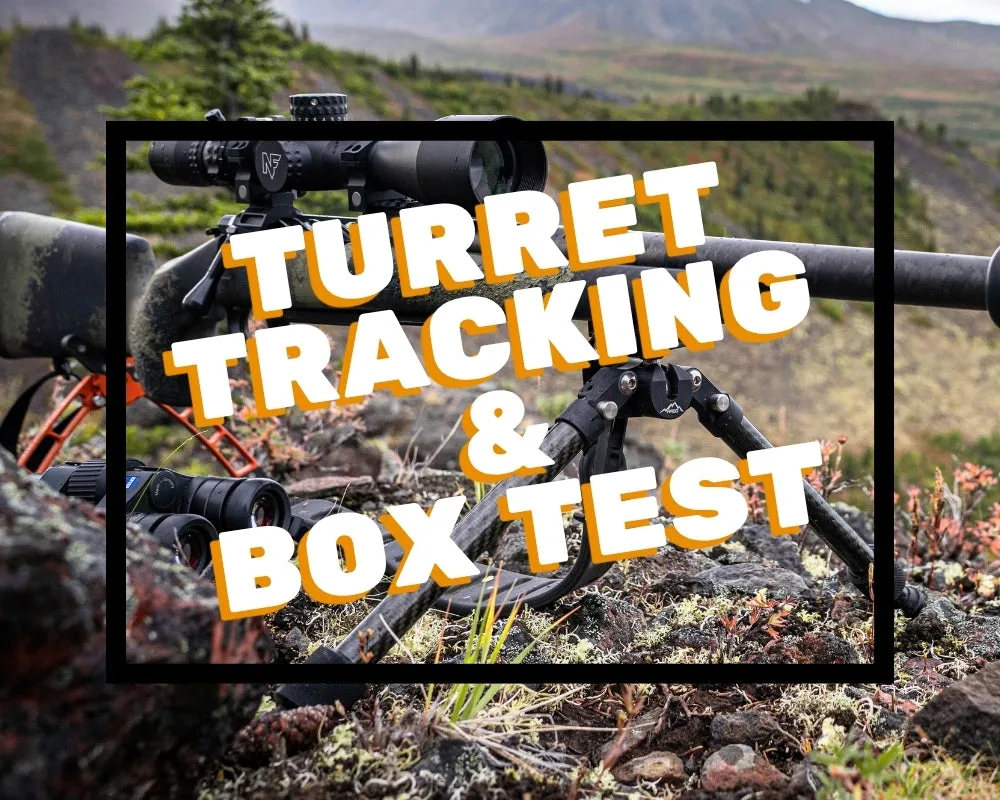
Image source: Bing (Web (fair-use with source credit))
Turret tracking confirms the internal mechanism works correctly. Dial up 10 clicks (2.5 MOA at 1/4 MOA per click) at 100 yards. The group should move exactly 2.5 inches up from your original zero.
| Test | Setting | Expected Result |
|---|---|---|
| Elevation tracking | 10 clicks up (2.5 MOA) | POI shifts 2.5 inches up at 100 yards |
| Windage tracking | 10 clicks right (2.5 MOA) | POI shifts 2.5 inches right at 100 yards |
| Return to zero | Dial back to original setting | Group returns to original POI |
| Magnification check | Low to max magnification | POI stays centered on reticle |
If any test fails, the turret mechanism or magnification tracking system has internal damage. Send the scope to the manufacturer for warranty inspection at that point.
When to Repair, Replace, or File a Warranty Claim
Deciding whether to repair, replace, or file a warranty claim comes down to three factors: the age of the scope, the extent of the damage, and what the manufacturer's warranty covers.
Here's a quick guide to help you decide:
| Situation | Best Action | Why |
|---|---|---|
| Scope under 5 years, internal damage confirmed | File a warranty claim | Most manufacturers repair or replace free |
| Damage from dropping or impact, scope is budget-tier | Replace the optic | Repair costs often exceed the scope's value |
| Mount-related symptoms, no internal damage found | Re-install with proper torque specs | Problem was never the scope itself |
| Older scope with multiple wear issues | Upgrade to a newer model | Repeated repairs cost more over time |
| Warranty expired, minor mechanical issue | Send to a qualified optical repair shop | Third-party repair shops often charge $100 to $300 |
Vortex Optics and Leupold both offer no-fault lifetime warranties. They repair or replace damaged optics regardless of cause. Nightforce covers manufacturing defects for the lifetime of the product and offers paid repair services beyond that.
Before filing, document everything. Photograph the damage, record serial numbers, and keep copies of your original purchase receipt. Manufacturers process claims faster with complete information.
Expert Tips to Catch Damage Early and Keep Your Scope Running
Most scope damage doesn't happen overnight. It develops gradually. Catching the early warning signs means fewer range days wasted and better long-term performance.
Run a turret tracking test every few months. Dial 10 clicks up at 100 yards. Confirm the group moves 2.5 inches for a 1/4 MOA turret. If it doesn't, something's shifting inside.
Catching this early means you don't discover it mid-season.
Check ring torque before every hunt season. Loose scope rings cause more accuracy problems than any internal failure in our research. Use an inch-pound torque wrench and follow your manufacturer's specs.
Clean lenses after every range session. Use a microfiber cloth and lens cleaner made for coated optics. Harsh chemicals or paper towels scratch multicoated lenses and cut light transmission.
Store scopes in temperature-stable environments. Extreme heat and cold cycling can weaken O-ring seals and lens cement over time. If your rifle lives in a truck cab year-round, you'll see condensation issues faster.
Avoid over-tightening anything. Scope rings tightened past manufacturer specs crush the tube and bind internal components. A 30mm tube needs roughly 20 in-lbs on ring screws. Going beyond 30 in-lbs risks permanent damage.
Replace the battery in illuminated reticles annually. A dead battery mimics illumination circuit failure. Testing with fresh batteries first saves you from an unnecessary warranty claim.
Frequently Asked Questions
What are the most common signs of a damaged rifle scope?
The most common signs are point-of-impact drift, internal lens fogging, inconsistent turret clicks, a stuck magnification ring, and a canted or dim reticle. Each symptom points to a different failure inside the optic. If you notice any of these, stop shooting and test the scope before continuing.
Can a rifle scope lose its zero without being damaged?
Yes. Loose scope rings, improper torque on base screws, and inconsistent ammunition are the three most common causes of unexplained zero drift. Re-torque your rings to manufacturer specs before assuming the scope itself has failed.
If the problem persists after remounting, then suspect internal damage.
How do I test if my rifle scope turret is broken?
Perform a turret tracking test. Zero the rifle at 100 yards. Dial 10 clicks up on the elevation turret.
Shoot a group and measure the shift. For a 1/4 MOA turret, the POI should move exactly 2.5 inches upward. Repeat with windage.
If the shift doesn't match the dial setting, the turret mechanism has failed.
Does dropping a rifle scope damage it internally?
It can. Quality optics survive drops better than budget models, but a hard impact can crack lens elements, separate optical cement, or shift internal components. After any drop, run a full tracking test and inspect the glass carefully.
MIL-STD-810G testing covers moderate shock exposure, but real-world impacts can exceed test limits.
Can I fix a scratched rifle scope lens myself?
No. Lens coatings and optical elements require factory-level equipment to repair. DIY cleaning or polishing risks removing coatings and worsening the damage.
Contact the manufacturer directly. Vortex Optics, Leupold, and several other brands offer warranty repair services for scratched or chipped glass.
How much does it cost to repair a damaged rifle scope?
Factory repair costs range from free under warranty to $200 to $400 for out-of-warranty service. Budget scopes under $300 are rarely worth repairing when replacement costs are similar. Premium optics ($800 to $3,000+) are almost always worth the repair investment.
Third-party optical repair shops typically charge $100 to $300 depending on the issue.




