Why does my rifle scope have poor eye relief? Almost every shooter hits this problem at some point, and the frustrating part is that the scope itself is rarely at fault. Poor eye relief usually traces back to how the optic is mounted, what magnification you're running, and how your stock lines up with the setup.
Manufacturer specifications list eye relief between 3.0 and 4.5 inches on most scopes, but that number shifts as you zoom. If you're getting a black ring around your sight picture or the scope is kicking back into your eye, something in your mounting chain needs to change before you buy anything new.
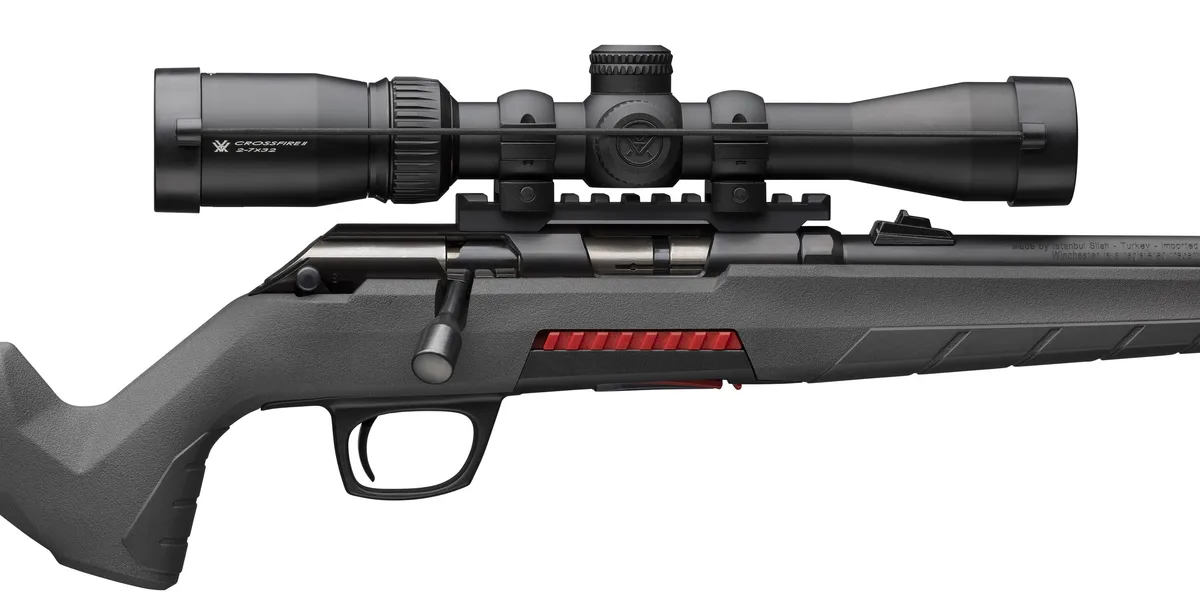
Image source: Bing (Web (fair-use with source credit))
Quick Answer
Poor eye relief means your eye sits too close or too far. The most common causes are wrong ring height and scope position. Eye relief also worsens at high magnification, typically losing 0.5 to 1.5 inches.
Most shooters fix it by remounting, not replacing the optic. Test worst case by setting your scope to max mag.
The Problem Is Almost Never the Scope Itself
When something goes wrong with your sight picture, the first thing many shooters do is suspect the scope. That instinct makes sense, but it's almost always wrong.
Modern rifle scopes go through rigorous optical testing before they ship. A Leupold, Vortex, or Nightforce optic will meet its published eye relief specification right out of the box, assuming you mount it correctly. The scope isn't failing you.
Your mounting setup is.
Eye relief is a relationship between three things: the scope, the mount, and the shooter. Change any one of those variables and the effective eye relief shifts. A ring height that works on one rifle won't necessarily work on another.
The same scope mounted on different stocks can give you a completely different experience.
The magnification factor is the big one. Eye relief is not a fixed distance across the zoom range. Manufacturer specs typically list eye relief at minimum magnification, where it's at its longest.
At maximum magnification, that same scope often loses half an inch to an inch and a half of relief.
Key insight: Always test your scope's eye relief at maximum magnification. If it's comfortable there, it'll be comfortable everywhere else in the zoom range.
If you're mounting your scope and testing it at maximum zoom, you're seeing the shortest eye relief the optic will ever produce. Many shooters mount at low magnification and assume everything will be fine when they zoom in. That assumption leads directly to scope bite.
First, Figure Out Which Symptom You're Dealing With
Eye relief problems show up in different ways, and the way it manifests tells you a lot about what's causing it. Before you start loosening screws, identify which of these three symptoms you're dealing with.
Symptom 1: Scope bite. The scope strikes your face or eye during recoil. This is the most serious version and usually means your eye relief is significantly too short, often less than 3 inches at high magnification. It's more common on high-recoil calibers like .300 Win Mag and .338 Lapua.
Symptom 2: Partial or black-ringed sight picture. You can see through the scope, but your view is cut off in a circle or crescent shape. This happens when your eye isn't positioned at the correct distance from the rear lens. Ring height is the usual culprit.
Symptom 3: Eye strain and fatigue. You can see the full picture, but your eye aches after a few rounds or you have to push your head hard against the stock. This often points to too much relief distance, forcing you to strain forward.
Many shooters experience more than one symptom at the same time. Partial sight picture at low magnification can morph into scope bite at high magnification when ring height is also wrong.
Each symptom points in a different direction. Scope bite means move the scope rearward or add ring height. Partial sight picture means adjust ring height or rail position.
Eye strain means move the scope forward or reduce relief distance.
Why Your Eye Relief Might Be Wrong: The Variables That Actually Matter
There are five variables that control eye relief on any rifle setup. Understanding which one is throwing things off makes the fix obvious.
Magnification level. Eye relief shrinks as you zoom in. This is the single most common reason shooters think their scope has bad eye relief. A scope rated at 4.0 inches at low magnification might only give you 2.5 inches at maximum zoom.
FFP scopes have reticles that scale with magnification, which can make the eye box feel tighter at high zoom. SFP scopes keep their reticle size constant but still lose relief across the zoom range.
Ring height. This is the vertical distance from the center of the scope tube to the rail centerline. Heights come in low, medium, high, and extra-high. As of 2026, they run from about 1.12 inches to 1.75 inches.
Getting this wrong forces your head into an unnatural position.
Rail position. How far forward or rearward you mount the scope on the Picatinny rail directly affects eye relief. Moving the scope forward pushes your eye farther from the lens. Moving it rearward brings your eye closer.
Stock geometry. Comb height and length of pull determine where your cheek naturally sits when you shoulder the rifle. If your stock has a high comb and you're running high rings, your eye might end up too high over the scope.
Recoil impulse. High-recoil calibers demand longer eye relief for safety. The National Shooting Sports Foundation emphasizes proper scope mounting as a core safety practice, especially on magnum rifles.
Check Vortex Optics for published eye relief specs on each model. Manufacturer spec sheets list exact values at both low and high magnification, which saves guesswork.
Diagnose Your Setup in 9 Steps
Stop guessing and run through this workflow instead. Each step narrows down the cause, so you fix the right thing the first time. Run these steps in order.
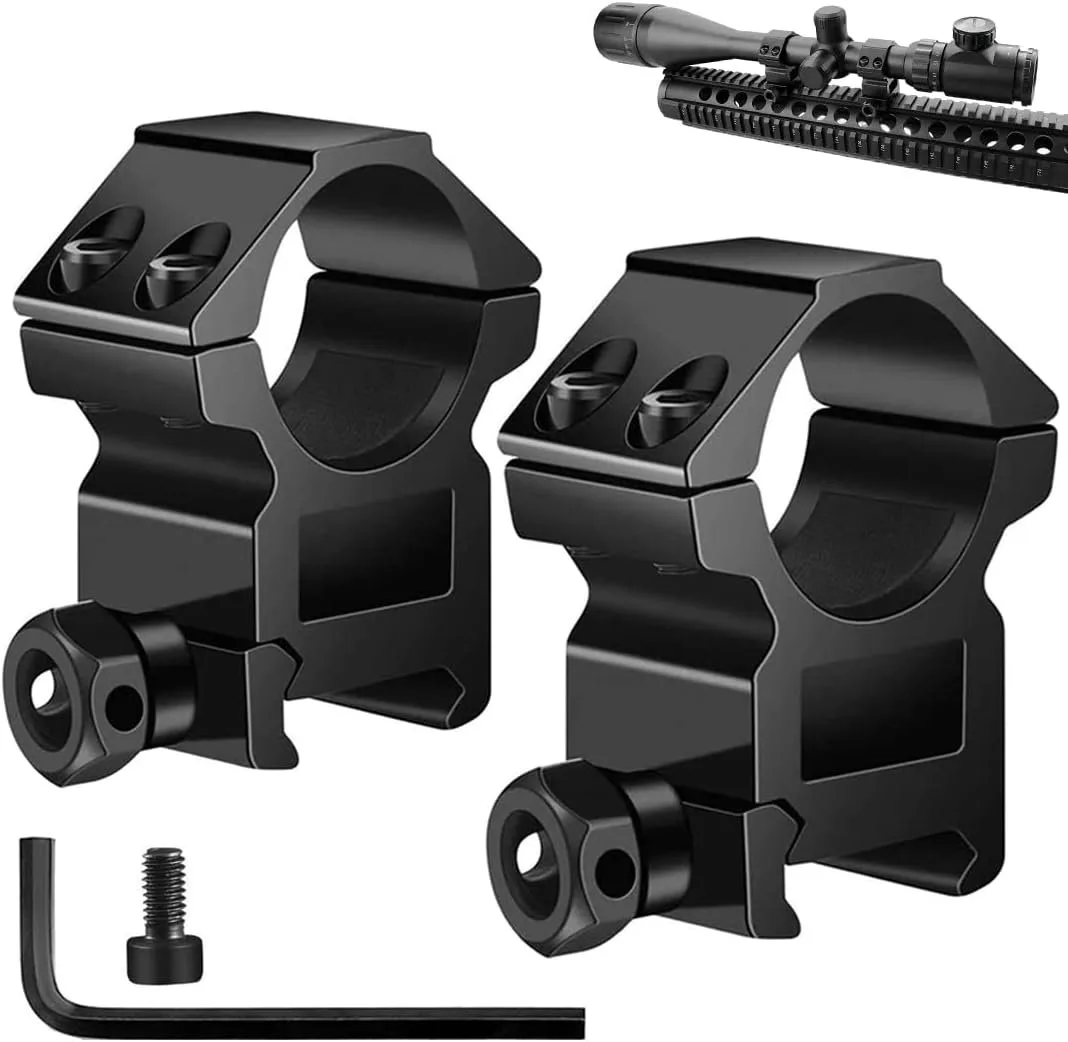
Image source: Web (Bing) / globalmarksman.com (Web image (fair-use with source credit))
Step 1. Set your scope to maximum magnification. This is your worst-case eye relief scenario.
Step 2. Shoulder the rifle normally. Place your cheek on the stock and look through the scope.
Step 3. Note the symptom. Is it scope bite, partial sight picture, or eye strain?
Step 4. Measure your eye-to-rear-lens distance. A quick ruler check tells you exactly how much relief you have.
Step 5. Check your ring height. Measure from the top of the Picatinny rail to the center of the scope tube.
Step 6. Verify your scope position on the rail. Is it too far forward, too far rearward, or correctly placed?
Step 7. Look at your stock comb height. Does your cheek rest naturally at the scope's height, or do you have to crane your head up?
Step 8. Re-torque your ring and base screws. Loose rings cause scope shift that mimics eye relief problems. Use 15 to 20 inch-pounds for rings and 25 to 35 inch-pounds for base screws.
Step 9. Test at multiple magnification levels. Set to 6x, 9x, and 12x. Note where the problem appears.
If the problem disappears at low magnification but appears at high magnification, the issue is almost certainly ring height or rail position, not the scope itself.
Fix It: Decision Guide Based on What You Found
Now that you've diagnosed the problem, here's what to change based on what you found.
| Symptom | Likely Cause | Fix |
|---|---|---|
| Scope bite at high mag | Eye relief too short | Move scope rearward, or use taller rings |
| Partial sight picture | Ring height mismatch | Swap to taller or shorter rings |
| Eye strain after firing | Too much relief distance | Move scope forward, or use shorter rings |
| Inconsistent relief across zoom | Normal for variable scopes | Test at max mag, adjust mount accordingly |
| Scope shift after firing | Loose ring or base screws | Re-torque to manufacturer specs |
If your ring height is the problem: Low rings usually work on bolt-action rifles with a traditional stock. High or extra-high rings are standard on AR-15 platforms where the stock line sits higher above the rail. Measure the distance from the top of your rail to the center of the stock comb, then choose a ring height that puts the scope tube at that centerline.
If your scope position is the problem: Slide the scope rearward in small increments. Re-test at max magnification each time. Most Picatinny systems allow enough rail adjustment to solve this without buying new hardware.
If your stock is the problem: An aftermarket adjustable cheek riser or stock comb can solve the geometry mismatch without touching the optic at all.
If your LPVO eye relief seems fine at 1x but tight at 6x or 8x: This is normal behavior for most low-power variable optics. The fix is adjusting your mount position to find a middle ground that works across the full zoom range.
Mistakes That Make Eye Relief Worse
Most eye relief complaints come down to one or two specific mistakes that repeat every time the scope gets remounted. These are the ones to watch out for.
Testing at the wrong magnification. If you set up your scope at minimum magnification and call it done, you're guaranteeing a problem at max zoom. Always test at the highest setting you'll actually shoot.
Choosing rings based on price, not height. Ring height isn't interchangeable on every platform. A set of low rings on an AR-15 will put your eye too low over the scope, while high rings on a traditional bolt-action rifle will push the optic too high above the bore.
Ignoring your stock's comb height. Your cheek position on the stock determines where your eye naturally lands. If you're fighting to get your cheek high enough or low enough, no amount of rail sliding will fix it cleanly.
Skipping torque specs. Loose ring screws let the scope shift under recoil. That shift creates inconsistent eye relief that feels like a mounting problem when it's really a hardware problem.
Sliding the scope without re-checking. Moving the scope rearward on the rail solves short eye relief, but it can also move the optic too far back. That makes target acquisition slower and harder.
Forgetting about cold-weather shooting. Heavy clothing or a thick winter layer changes your cheek weld position. What works at the range in July may fail in November.
Eye Relief Specs and Data You Should Know Before Buying or Mounting
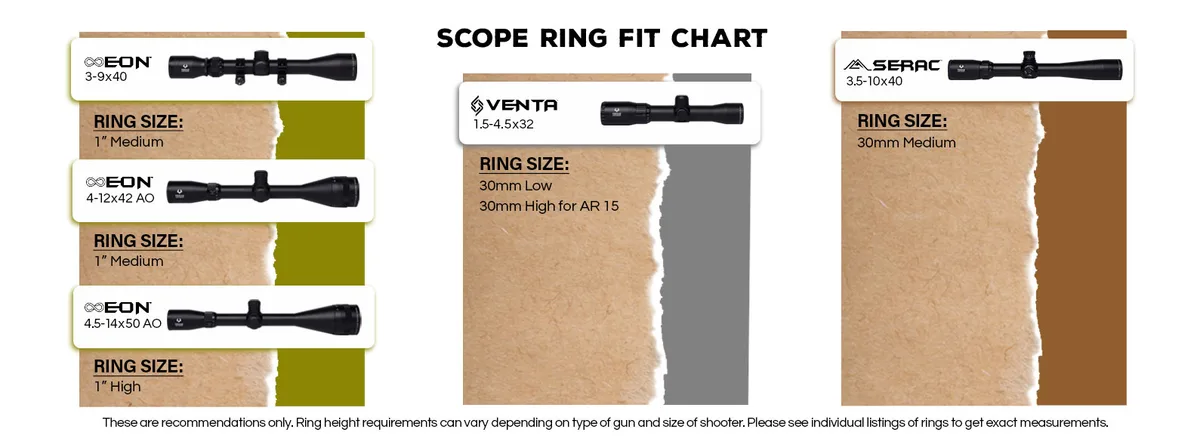
Image source: Web (Bing) / uchart.web.app (Web image (fair-use with source credit))
Having the right numbers in front of you takes the guesswork out of mounting. Here are the key specs to keep handy.
| Spec | Typical Range |
|---|---|
| Eye relief (standard scopes) | 3.0" to 4.5" |
| Eye relief reduction at max mag | 0.5" to 1.5" less |
| Safe eye relief on magnum calibers | 3.5" to 4.0"+ |
| Ring height (low) | ~1.12" centerline |
| Ring height (medium) | ~1.42" centerline |
| Ring height (high) | ~1.62" centerline |
| Ring height (extra-high) | ~1.75"+ centerline |
| Picatinny rail base height | ~0.4" |
| Ring screw torque | 15 to 20 in-lbs |
| Base screw torque | 25 to 35 in-lbs |
Manufacturer spec sheets, like those from Nightforce Optics, list eye relief values for every model. Always pull the spec sheet before buying a scope or ring set.
As of 2026, most major manufacturers list eye relief at minimum magnification only. This is worth remembering when you compare scopes. Two optics with identical specs can feel completely different at max zoom.
FFP scopes tend to have tighter eye boxes at high magnification than SFP models. If you shoot at long range at maximum zoom regularly, factor that into your mounting plan.
Eye Relief FAQs
Why does eye relief change when I zoom in?
Eye relief shortens as magnification increases on most variable scopes. The optical path inside the scope gets longer, pushing the exit pupil closer to the rear lens. Manufacturer specs usually list relief at low magnification where it's longest.
Can I fix bad eye relief without buying a new scope?
Yes, in most cases. Adjusting ring height, repositioning the scope on the Picatinny rail, or adding a cheek riser to your stock solves the majority of eye relief problems. Only consider a new optic if your current one lacks the relief range your rifle needs.
What ring height should I use for an AR-15?
High or extra-high rings are standard on AR-15 platforms. The stock comb sits higher above the Picatinny rail compared to traditional bolt-action rifles. Measure from the top of the rail to your cheek contact point, then choose the ring height that centers the scope tube at that line.
How do I know if my scope has enough eye relief?
Mount the scope at maximum magnification. Shoulder the rifle normally with your cheek firmly on the stock. If your eye is at least 3.5 inches from the rear lens and you see a full sight picture, you've got enough relief for most shooting scenarios.
Is eye relief the same on every scope model?
No. Eye relief varies between models, manufacturers, and magnification levels. Fixed-power scopes often have more consistent relief than variable models.
LPVO optics, like 1-6x and 1-8x models, tend to lose more relief across their zoom range than dedicated precision optics.
Does the caliber I shoot affect how much eye relief I need?
Higher-recoil calibers like .300 Win Mag.338 Lapua, and .450 Bushmaster demand longer eye relief for safety. The USMC marksmanship manual recommends minimum 3.5 to 4.0 inches on magnum rifles to prevent scope bite during recoil.




