How do I remove dust from a rifle scope? That's one of the most common questions shooters ask, and the answer depends on what kind of dust you're dealing with and where it's sitting. That might sound like a cop-out, but it's actually the key to cleaning your optic without wrecking it.
Fully multi-coated lenses on modern rifle scopes transmit 95 to 99 percent of visible light when they're clean. Manufacturer specifications confirm that figure across brands like Vortex, Leupold, and Nightforce. Dust eats into that margin, especially at dawn and dusk when every bit of light matters.
Let's get into how to handle it properly.
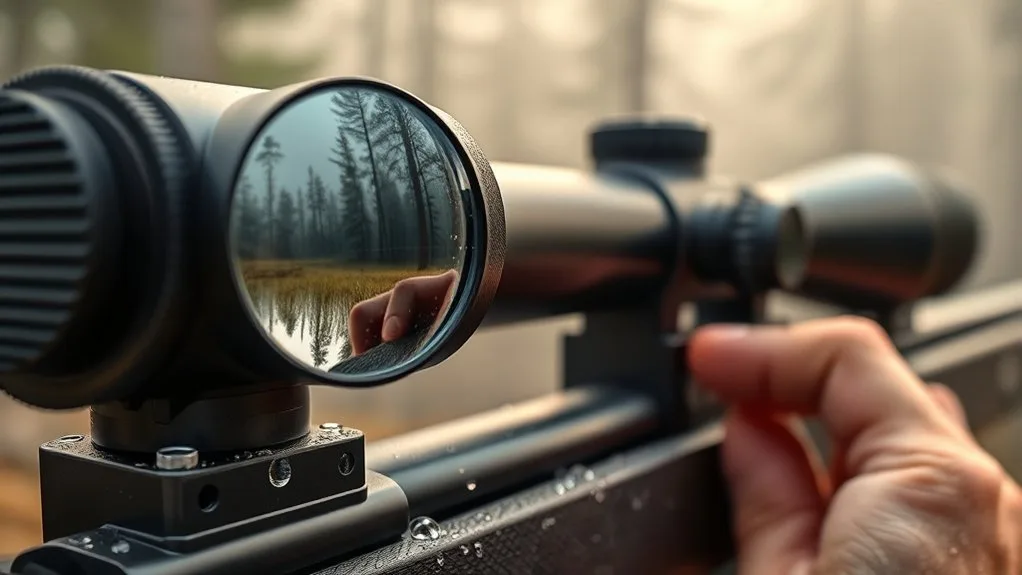
Image source: Bing (Web (fair-use with source credit))
The Quick Answer: Sometimes the Best Cleaning Move Is No Cleaning
Remove dust from a rifle scope by blowing off loose debris with a manual rocket blower first. Inspect the lens before touching it with any cloth. Leave dust alone if it only sits on the outer surface.
Aggressive cleaning causes more harm than cosmetic dust.
That last point deserves emphasis. In our research across manufacturer guides and shooter feedback, the most common source of scratch damage isn't neglect. It's over-cleaning.
People see a speck of dust and start rubbing. They grab whatever cleaner is handy, or they spray canned compressed air onto the lens, pushing debris deeper into the gap between optical elements.
Think of your scope lens like a camera lens. You don't wipe it every time you pick it up. You check it, and you clean only when the dust actively degrades your view.
That single habit prevents most lens damage you'll ever encounter.
Why Dust on Your Scope Is More Than a Minor Annoyance
Most shooters treat dust as cosmetic. It looks bad, sure, but the real problem runs deeper than that.
When fine grit sits on a lens surface, it scatters incoming light. Your image gets hazy and contrast drops. At close range you might not notice much.
Push out to 500 yards in fading light, and the problem becomes obvious.
Worse, dust can embed itself into the lens coating if you rub it with a dirty cloth or your shirt tail. Modern coatings are thin. Scratch-resistant, yes, but not scratch-proof.
One careless wipe with gritty debris can leave permanent marks.
There's also the warranty angle. Leupold's lifetime warranty policy is generous with optics issues, but it doesn't cover damage from careless maintenance. The same goes for Vortex Optics and most other major brands.
Clean optics aren't about looking polished. They're about performance, safety, and protecting an investment that can run several hundred to several thousand dollars.
First, Diagnose: What Kind of Dust Is It and Where Is It Sitting?
Before you touch anything, take thirty seconds to look. The type and location of dust changes your cleaning approach completely.
Where is the dust sitting?
- On the outer lens surface (objective or ocular face): Usually easy to deal with. Blow or wipe lightly.
- Around the edges where the lens meets the housing: A trap for grit. Needs careful attention but not aggressive cleaning.
- On the lens body, turrets, or magnification ring: Mostly cosmetic. Clean with a dry cloth.
- Between optical elements (internal dust): This one you can't fix yourself. Stop here.
What kind of dust are you dealing with?
| Dust Type | Risk Level | Best Response |
|---|---|---|
| Fine silica (desert/range dust) | High | Blow first. Gentle wipe only if needed |
| Organic (pollen, fibers, hair) | Low to medium | Light blow or gentle wipe |
| Workshop (concrete, metal shavings) | Medium | Treat with same caution as silica |
| Moisture mixed with dust | High | Do not clean in this state |
If your dust is mostly on the outer surface and you've got good light to inspect by, you're in the easy category. Move on to the decision tree.
If the dust appears between optical elements, you're looking at a professional service job. Don't attempt to disassemble the optic.
The Decision Tree: Matching Your Cleaning Method to the Situation
Your cleaning method should match your situation. There's no single recipe that works for everyone.

Image source: Web (Bing) / icollector.com (Web image (fair-use with source credit))
Field Situation: Dust on the Go
If you're mid-hunt or on the range, keep it simple.
- Blow off loose debris with a rocket blower.
- If a microfiber cloth is in your kit, wipe gently in small circles from center outward.
- Don't use your shirt. Clothing fabric drags grit across the coating.
- If dust isn't affecting your sight picture, leave it alone.
Bench Situation: Full Cleaning at Home
When you're back with full supplies, this is the time for a thorough clean.
- Inspect under good light. Decide if cleaning is actually needed.
- Blow off all loose dust first.
- Apply a few drops of lens cleaning solution to a clean microfiber cloth. Never directly onto the lens.
- Wipe gently in circular motions, working from the center outward.
- Flip the cloth to a dry section and buff lightly.
- Inspect again. If the image looks clear, stop.
Storage Dust: When the Scope Has Been Sitting for Months
Dust in a case or safe often mixes with settled grit and fibers. Use the same bench-cleaning process, but take extra care around the edges where dust accumulates.
Use lens covers or flip caps between sessions. As of 2026, most reputable scope brands ship with O-ring sealed flip caps for exactly this reason.
The Do-Nothing Branch: When Dust Is Cosmetic Only
If your scope lives in a range bag or gets carried through dusty terrain regularly, you'll see dust constantly. Cleaning every session is a bad habit. Use protective caps, wipe the lens cap clean rather than the glass, and save actual lens cleaning for when clarity suffers.
Mistakes That Scratched Lenses and Voided Warranties
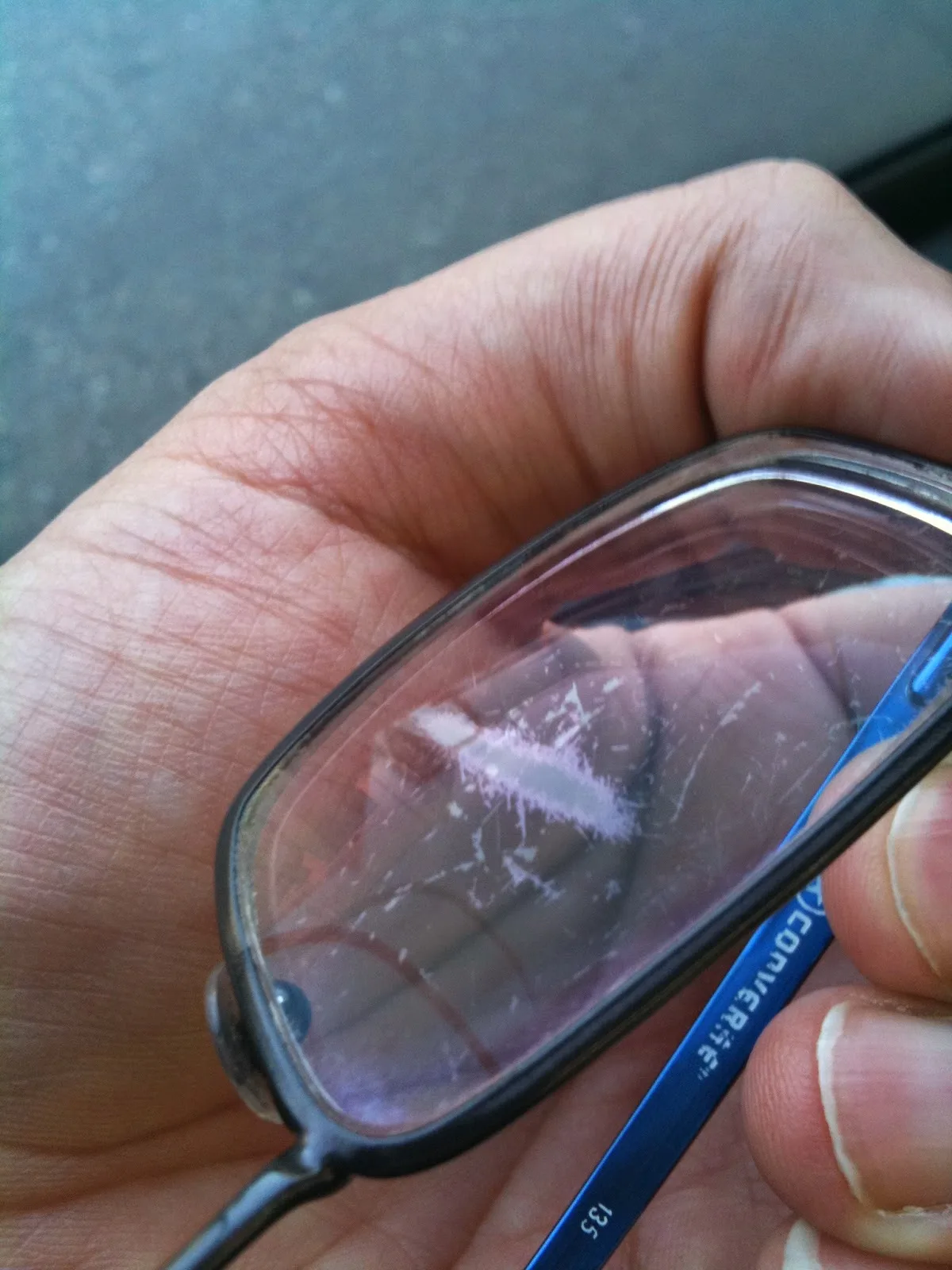
Image source: Web (Bing) / commonlab23.bitbucket.io (Web image (fair-use with source credit))
Scratched scope lenses are almost always preventable. Here are the mistakes that cause the most damage.
- Using household cleaners. Windex, dish soap, and vinegar contain chemicals that strip anti-reflective coatings over time. Stick to products designed for coated optics.
- Canned compressed air as your primary tool. The propellant in many canned air products leaves residue on glass. Worse, the concentrated blast can push fine debris into the lens gap where you can't reach it.
- Wiping without blowing first. Dragging a cloth across a dusty lens is essentially sanding the coating. Always blow loose debris off before any cloth touches glass.
- Over-cleaning. More isn't better. Each unnecessary wipe adds microscopic risk to the surface.
- Ignoring warranty terms. Vortex Optics and other manufacturers publish specific care guidelines. Damage from unapproved cleaners or improper techniques typically isn't covered.
- Cleaning between optical elements. If dust appears between lens elements, it requires professional service. Opening the scope housing leads to permanent damage in almost every case.
The pattern is clear. Most lens damage comes from cleaning decisions, not from the dust itself.
When to Stop and Send It In: Warranty, Safety, and Professional Cleaning
Not every scope problem is yours to fix. Knowing when to stop is just as important as knowing how to clean.
If dust appears between optical elements, you need professional service. Scope internals are nitrogen-purged and sealed to prevent fogging. Opening the housing breaks that seal permanently.
Vortex Optics, Nightforce, and Leupold all publish warranty policies covering manufacturing defects. Damage from unauthorized disassembly or unapproved cleaning chemicals typically falls outside that coverage.
If your lens shows visible scratches that affect your sight picture, that's another hard stop. Scratched coatings can't be restored by cleaning. A certified technician might be able to polish or replace the damaged element.
DIY repair on coated glass almost always makes it worse.
Here's the simple test. Blow off the dust. Wipe gently with proper materials.
If the problem persists, stop and contact the manufacturer. Some brands offer lens replacement at a fraction of the scope's cost.
What counts as damage under most warranties?
Scratches from user cleaning error, impact damage, and owner-performed disassembly are usually excluded. Coating defects and internal dust contamination present at purchase are typically covered.
Frequently Asked Questions
Should I use canned air to clean my rifle scope?
No. Canned compressed air often leaves chemical residue on lens surfaces. The concentrated burst can also push fine debris deeper between optical elements where you can't reach it.
A manual rocket blower delivers controlled airflow without any residue at all.
Can I use Windex or window cleaner on my scope lens?
Never. Household cleaners like Windex contain ammonia and other chemicals that strip multi-coated optics over time. Use a lens cleaning solution designed for coated glass, or try a few drops of distilled water on a clean microfiber cloth instead.
How often should I clean my rifle scope lenses?
Only when dust or debris actually degrades your sight picture. Most shooters don't need to clean lenses more than a few times per year. Protective flip caps and lens covers reduce cleaning frequency significantly.
Is it safe to disassemble a rifle scope to clean internal dust?
No. Modern scopes are nitrogen-purged and sealed for fog-proof performance. Opening the housing breaks that seal and causes internal fogging down the road.
Internal dust requires professional service from a certified optic technician.
What cloth should I use to clean scope lenses?
A high-quality microfiber cloth rated at 300 GSM or higher works best. Avoid paper towels, shirt fabrics, and tissues. These materials contain abrasive fibers that scratch coated glass surfaces during wiping.
Can scratches on a rifle scope lens be fixed?
Surface scratches on anti-reflective coatings are permanent. Some manufacturers offer lens replacement or refurbishment services at reduced cost. Contact the brand directly with proof of purchase and a description of the damage.




