What is the difference between 1-inch and 30mm scope tubes? The short answer is they differ in diameter, internal adjustment range, and which mounts you'll need. Choosing the wrong one can throw off your zeroing or leave you with rings that don't fit.
If you're shopping for a riflescope or switching optics between rifles, understanding these two standards saves you from expensive mistakes.
A 1-inch tube measures 25.4mm across. A 30mm tube adds roughly 4.6mm of diameter. That extra width translates into more internal elevation and windage travel on many modern scopes.
Per manufacturer specifications from Leupold, Vortex, and Nightforce, the tube size also dictates which rings and mounts you'll buy. Let's break down exactly how each one works.
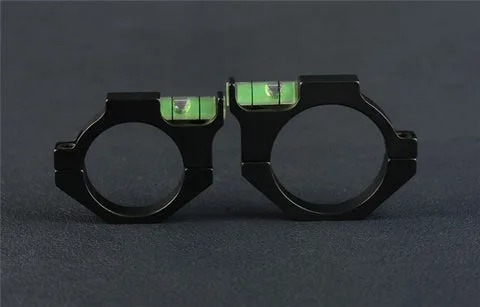
Quick Answer
What is the difference between 1-inch and 30mm scope tubes? A 1-inch (25.4mm) scope tube is lighter and sits lower on the rifle. A 30mm tube offers more internal adjustment travel for long-range shooting.
Neither gathers more light on its own. Light comes from the objective lens, not the tube.
Why the Tube Diameter Matters More Than You Think
The tube diameter affects three things you'll feel at the range: how much you can dial, what mounts you can use, and how heavy your rifle setup is. A 1-inch tube limits your internal elevation travel. A 30mm tube opens that up considerably.
Most 1-inch hunting scopes offer 10 to 45 MOA of elevation adjustment. That's plenty for deer at 300 yards. Push to 600 yards or beyond, and you'll run out of dial room before you run out of accuracy.
Manufacturer data from Leupold and Bushnell confirms this gap.
One common misconception is that a larger tube means better light gathering. It doesn't. Light gathering comes from the objective lens diameter, not the tube size.
The 30mm standard typically provides 60 to 100+ MOA of elevation travel. That gives competitive and long-range shooters the dial range they need for targets at 800, 1,000, or even 1,500 yards. Per Vortex's published spec sheets, many of their Precision Rifle Series scopes run 30mm tubes specifically for this reason.
As of 2026, competition shooters and tactical users overwhelmingly favor 30mm optics. Hunters and casual target shooters still gravitate toward 1-inch tubes for their lower weight and cost. Both standards remain healthy, so the choice comes down to your actual shooting distance and platform.
How the 1-Inch (25.4mm) Scope Tube Works
The 1-inch scope tube measures exactly 25.4mm across. It's the oldest widespread scope mounting standard, dating back to mid-20th century sporting rifles. Most hunting scopes under $400 still use this size today.
Weight is one of the 1-inch tube's biggest advantages. Manufacturer specs show 1-inch scopes typically run 0.5 to 1.5 ounces lighter than comparable 30mm models. On a lightweight rifle or a long day in the field, that difference adds up fast.
The other advantage is mounting height. A 1-inch tube sits closer to the bore than a 30mm tube. That means a lower cheek weld and faster target acquisition.
Shooters on brush guns and rimfire rifles especially benefit from this.
The main tradeoff is internal adjustment travel. Specs from Bushnell, Weaver, and Simmons typically show 10 to 45 MOA of elevation range on 1-inch tubes. That works fine for hunting distances.
It's limiting for long-range precision work.
Ring availability is excellent. 1-inch rings come in low, medium, and high variants from virtually every mount manufacturer. The aftermarket is deep, affordable, and easy to find even in smaller gun shops.
How the 30mm Scope Tube Works
The 30mm scope tube is a metric standard that came out of European and military optics design. It gained traction in the 1990s as long-range shooting grew popular. Today it's the dominant size for tactical, competition, and precision rifle optics.
The biggest advantage is internal adjustment travel. Vortex and Nightforce spec sheets show many 30mm tubes delivering 60 to 100+ MOA of elevation range. That's double or more what a typical 1-inch tube offers.
Long-range shooters can dial out to 1,500 yards and beyond without running out of clicks.
Wall thickness is another benefit. A 30mm tube has thicker aluminum walls than a 1-inch tube. Manufacturer durability testing shows this holds up better under heavy recoil, especially magnum calibers like .300 Win Mag or .338 Lapua.
The tradeoffs are real. A 30mm scope runs heavier by 0.5 to 1.5 ounces. It also sits higher off the rail when mounted in 30mm rings.
Shooters switching from 1-inch to 30mm must account for this shift in bore axis.
Aftermarket support is strong and growing. Every major mount manufacturer offers 30mm ring and cantilever mount options. Competition shooters and tactical users have embraced this standard almost universally.
1-Inch vs. 30mm Scope Tubes: Side-by-Side Comparison
Neither tube size is universally "better." They serve different shooting disciplines, and the right choice depends on your range, your platform, and your budget. Here's how they stack up across the specs that actually matter.
| Feature | 1-Inch (25.4mm) | 30mm |
|---|---|---|
| Tube diameter | 25.4mm | 30mm |
| Typical elevation travel | 10-45 MOA | 60-100+ MOA |
| Weight advantage | Lighter | Heavier |
| Mount height | Lower | Higher |
| Best suited for | Hunting, casual target | Long-range, competition |
| Price range | $50-$400 | $200-$3,000+ |
| Ring availability | Deep and affordable | Growing rapidly |
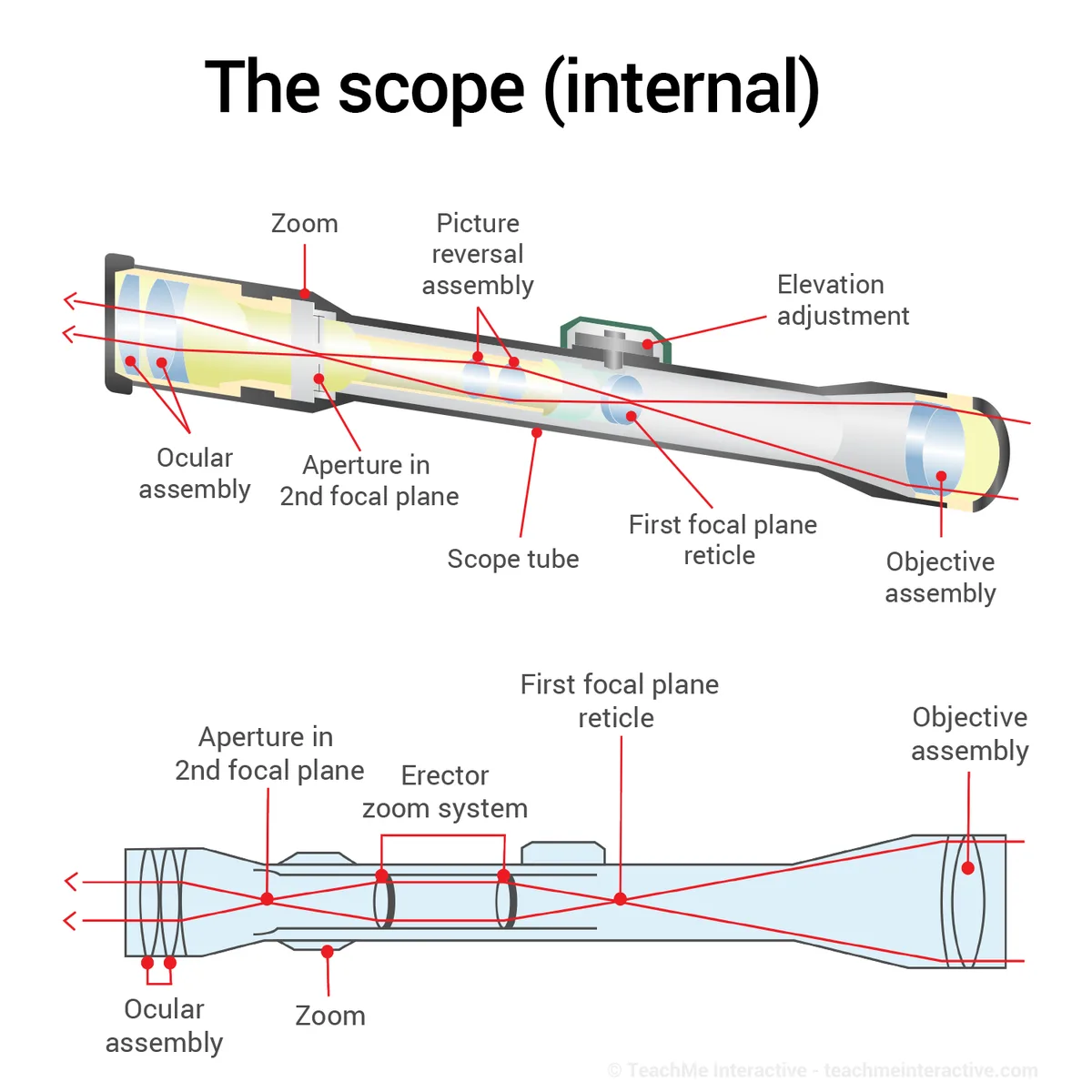
Internal adjustment travel is the single biggest differentiator. Per manufacturer specs, 30mm tubes provide roughly double the elevation range of 1-inch tubes. That gap matters when you're dialing for targets past 600 yards.
At closer hunting distances, the extra travel rarely shows up in practical results. Most deer hunting happens between 50 and 300 yards, where even a basic 1-inch scope has plenty of dial room.
Mount height is another key difference. A 30mm tube in standard rings sits higher off the rail than a 1-inch tube in matching rings. This changes your cheek weld and sight picture.
Shooters running heavy recoil loads may prefer the lower bore axis of a 1-inch setup.
Which Tube Diameter Is Right for Your Setup?

Use a 1-inch tube if you're hunting at typical ranges, shooting under 400 yards, or working with a lightweight rifle platform. Budget-conscious shooters also benefit from the lower cost of 1-inch scopes, rings, and mounts. The legacy aftermarket is deep and easy to navigate.
Go with 30mm if you shoot past 600 yards regularly, compete in PRS or NRL matches, or run a magnum-caliber rifle. The extra adjustment travel gives you room to dial at long range. The thicker walls also handle heavy recoil loads better.
If you're building an AR-15 or AR-10, 30mm is the practical choice. Most modern cantilever mounts for these platforms are designed around 30mm tubes. The adjustment range matches what AR shooters typically need.
The mounting workflow stays the same regardless of tube size. Clean the rail first. Set the rings.
Hand-tighten everything before applying torque. Then torque to the manufacturer's specification in the correct sequence. A torque wrench, typically rated at 15 to 20 inch-pounds for ring screws, prevents scope damage.
After any mount or ring change, re-check your bore axis and eye relief. Verify these at full magnification, where errors are most visible. Proper setup now saves you from chasing a shifting zero later at the range.
Common Mistakes to Avoid When Choosing a Scope Tube
The most common mistake is assuming a 30mm tube automatically means better optics. Light gathering comes from the objective lens, not the tube diameter. A 50mm objective lens on a 1-inch tube outperforms a 40mm objective on a 30mm tube in raw light transmission.
This confusion sends many shooters to the wrong optic.
Another frequent error is buying rings that don't match your tube size. 1-inch rings and 30mm rings are not interchangeable. Mixing them results in either a loose scope that shifts under recoil or a tube you've crushed by over-tightening. Manufacturer torque specs range from 15 to 20 inch-pounds for most ring screws, and crossing the line between sizes leaves you no safe middle ground.
Shooters also forget that mounting height changes when switching between the two standards. A 30mm scope sits higher off the Picatinny rail than a 1-inch scope in comparable rings. This changes your cheek weld, sight picture, and eye relief.
Moving from one standard to the other without adjusting your stock or cheek piece leads to discomfort and missed shots.
Budget mistakes happen too. New shooters often buy a 30mm tube when they only need a basic hunting setup. They pay more for rings, a heavier optic, and more mount height than their actual shooting distance requires.
A 1-inch scope handles most hunting ranges just fine at a fraction of the cost.
Overtightening ring screws is a silent scope killer. The tube walls on both 1-inch and 30mm scopes are aluminum. Squeezing past the manufacturer's torque spec permanently deforms the tube.
That deformation can bind the internal turret mechanisms or shift the reticle. Use a torque wrench and follow the manufacturer's sequence.
FAQs About 1-Inch and 30mm Scope Tubes
Can I use 1-inch rings on a 30mm scope tube?
No. 1-inch rings and 30mm rings are not compatible. The ring inner diameter must match the scope tube exactly. Using mismatched rings either leaves the scope loose or crushes the tube walls.
Always verify your scope's tube size in the manufacturer's spec sheet before buying rings.
Which tube size has more elevation adjustment?
A 30mm tube generally offers more internal elevation travel. Manufacturer specs show typical ranges of 60 to 100+ MOA on 30mm tubes. A 1-inch tube usually provides 10 to 45 MOA.
The exact range varies by model, but the pattern holds across major brands like Vortex, Nightforce, and Leupold.
Does a 30mm scope let in more light than a 1-inch scope?
No. Light gathering depends on the objective lens diameter, not the tube size. A larger objective lens collects more light.
The tube diameter affects adjustment range and mechanical robustness, not optical brightness. A 1-inch scope with a 50mm objective lens can outperform a 30mm scope with a 40mm objective in low-light conditions.
Can I switch between 1-inch and 30mm scopes on the same rifle?
Yes, but you'll need to buy new rings and possibly adjust your mount height. Different tube sizes require different ring diameters, and the bore axis shifts when you change tube sizes. Budget for a fresh bore-sighting and re-zeroing session after any scope swap.
Mount height changes can affect where your reticle sits on target.
Which tube size is better for long-range shooting?
A 30mm tube is the practical choice for long-range work. The increased internal adjustment travel lets you dial out to 800, 1,000, or 1,500 yards. The thicker tube walls also handle magnum recoil loads more reliably.
Per MIL-STD-1913 mount specifications and manufacturer data, 30mm optics dominate PRS and NRL competition setups as of 2026.
Do 30mm scope rings cost more than 1-inch rings?
Generally, yes. 30mm rings typically run $30 to $100 per pair for mid-range models. 1-inch rings are usually $20 to $60 per pair. The gap widens at the premium end, where 30mm cantilever mounts and QD systems can exceed $200. Factor ring and mount cost into the total price when comparing optics.




