Does scope tube size affect performance? It affects some things. It doesn't affect others.
And the difference matters more than most buyers realize when they're comparing price tags at the store.
The scope main tube is the cylindrical body that houses your lens assembly and adjustment turrets. It comes in three common diameters: 1-inch (25.4mm), 30mm, and 34mm. While larger tubes dominate long-range shooting as of 2026, the honest answer is more nuanced than most marketing suggests.
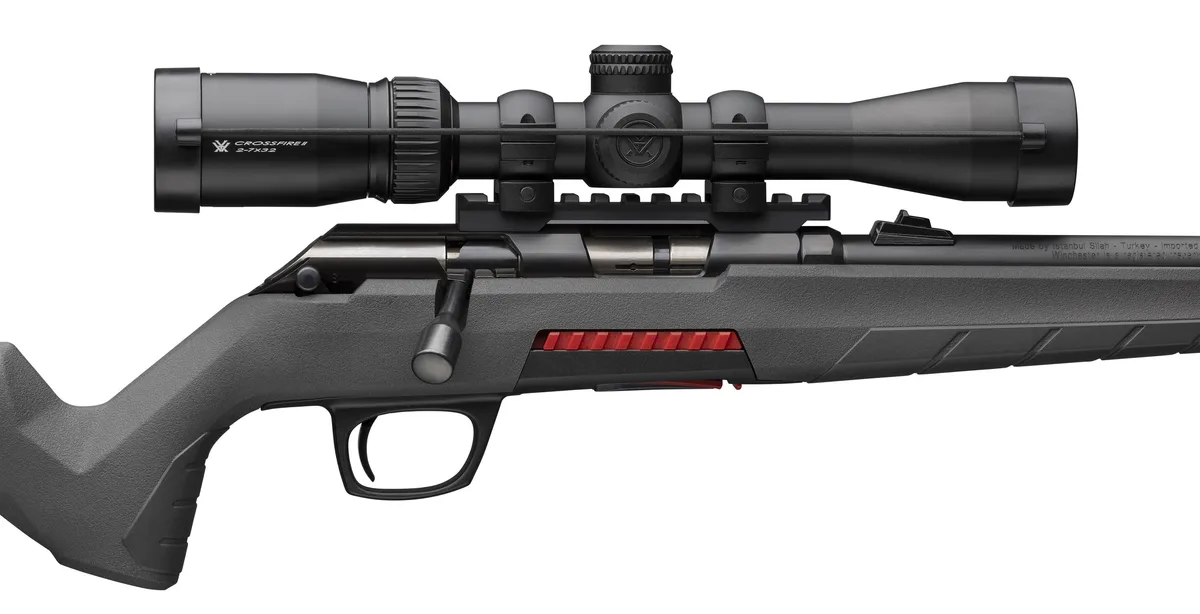
Image source: Bing (Web (fair-use with source credit))
Quick Answer
Yes, scope tube size affects performance, but not the way most people think. Larger tubes offer more internal space for turrets and elevation travel. Light transmission depends on glass quality and coatings, not tube diameter.
Weight and mounting height are the real trade-offs you'll feel in the field.
The Tube Size Myth That's Costing You Money
Walk into any gun shop and you'll hear it. "Get the 30mm. It lets in way more light." That's the most common scope tube misconception floating around, and it's flat wrong.
Light transmission is determined by lens quality, glass type, and coating technology. Not by how wide the tube is. A well-coated 1-inch scope with premium glass will outperform a cheap 34mm tube every time.
Manufacturer specifications from Leupold Optics, for instance, consistently report light transmission values of 90 to 97 percent regardless of tube diameter.
So why do shooters believe the myth? Because big-name scopes that happen to have 34mm tubes also happen to have better glass. The tube size didn't cause the optical quality.
It just came bundled with it.
The real cost of this misunderstanding shows up at the register. A 34mm tube typically runs $200 to $600 more than an equivalent 1-inch or 30mm model. If you're paying that premium for "better optics," you're not getting what you think you're getting.
Here's what buyers should be asking instead:
- What is the actual light transmission percentage?
- What type of glass and coatings does the scope use?
- How much elevation travel do I actually need?
- What rings are available for this tube diameter?
- What is the total weight on my rifle system?
Tube diameter is a real specification. It just isn't the optical specification that marketing makes it sound like.
What Tube Diameter Affects, and What It Doesn't
Understanding what tube size genuinely influences helps you spend money where it matters. Here's the honest breakdown.
What Bigger Tubes Actually Provide
- Turret mechanism space. A 34mm tube gives manufacturers room for larger, more precise turret assemblies. This often translates to more elevation travel for long-range shooting.
- Mechanical rigidity. A wider tube wall adds torsional strength. This matters under heavy recoil, especially on magnum calibers like .300 Win Mag or .338 Lapua.
- Ring availability. 30mm is now the industry standard. Most major scope brands offer extensive 30mm ring options. 34mm rings are common but slightly less universal.
What Bigger Tubes Do Not Change
- Light transmission. This is a glass and coating property. Per manufacturer data, tube diameter has negligible effect on how much light reaches your eye.
- Image clarity. Resolution, edge sharpness, and chromatic aberration control depend on lens engineering, not tube width.
- Optical coatings. Multi-coated and fully multi-coated lens systems do the heavy lifting here. Tube size plays no role.
The Real Trade-Off: Weight and Height
Bigger tubes mean heavier scopes. A 34mm tube scope often weighs 6 to 10 ounces more than an equivalent 1-inch model. On a lightweight hunting rifle, that weight sits right on top and affects balance and carry comfort.
Tube size also determines your scope height over bore. Larger tubes require taller rings to clear the objective lens. This changes your cheek weld and head position.
| Specification | Effect of Larger Tube |
|---|---|
| Light transmission | No meaningful change |
| Optical clarity | No meaningful change |
| Elevation travel | Often increased |
| Mechanical durability | Improved under heavy recoil |
| Scope weight | Heavier by 6-10 oz typical |
| Scope height over bore | Higher ring mounting needed |
| Price | $200-600 more typical |
| Ring availability | Very good for 30mm, good for 34mm |
Buy tube size for the reason you actually need it, not for an optical benefit it doesn't provide.
1-Inch vs 30mm vs 34mm Tube Comparison
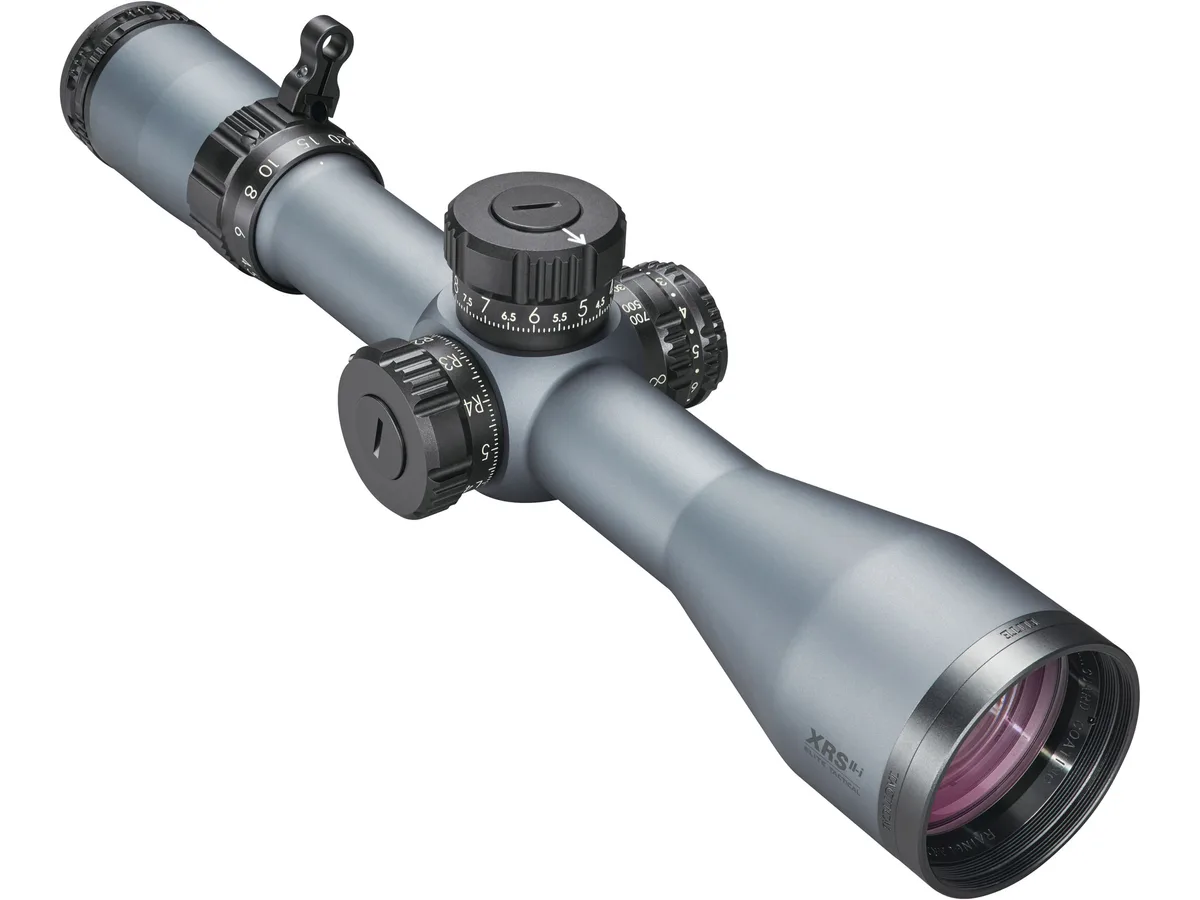
Image source: Web (Bing) / midwayusa.com (Web image (fair-use with source credit))
Each tube size serves a different purpose. Here's how they stack up when you're deciding what to mount on your rifle.
1-Inch (25.4mm) Tube
This is the traditional tube diameter, still widely used for hunting scopes. It's lighter, sits lower on the rifle, and costs less. The limitation is internal space.
Turret mechanisms are smaller, which usually means less elevation travel and coarser click values.
Best for: Hunting rifles where weight matters, short to medium-range shooting, and budget-conscious buyers who want reliable glass without paying for a larger tube.
Watch out for: Limited elevation travel for long-range work. Fewer precision turret options.
30mm Tube
This is the current industry sweet spot. Almost every major manufacturer offers extensive 30mm scope lines, from entry-level to professional-grade. The tube provides meaningfully more room for turret internals than 1-inch, with only a modest weight increase.
Best for: Most shooters across hunting, tactical, and precision disciplines. 30mm strikes the best balance of weight, mounting options, elevation travel, and price.
Watch out for: If you're shooting beyond 600 yards and need maximum elevation travel, 34mm may serve you better.
34mm Tube
This is the long-range precision standard. The extra diameter accommodates larger turret assemblies, often yielding 80 to 120+ MOA of elevation adjustment. Brands like Vortex Optics and Nightforce use 34mm in their long-range lines specifically for this reason.
Best for: Precision rifle series competition, long-range hunting beyond 800 yards, magnum calibers, and anyone who needs maximum mechanical travel.
Watch out for: Heavier weight, higher mounting height, higher price, and slightly less ring variety compared to 30mm.
Side-by-Side Summary
| Feature | 1-Inch | 30mm | 34mm |
|---|---|---|---|
| Typical weight range | 22-28 oz | 26-32 oz | 30-38 oz |
| Elevation travel (typical) | 40-60 MOA | 60-100 MOA | 80-120+ MOA |
| Mounting height | Low | Medium | Medium to high |
| Ring availability | Widest | Widest | Very good |
| Price range | $200-800 | $300-1,500 | $600-3,000+ |
| Best use case | Hunting, general | All-purpose | Long-range precision |
For most shooters, 30mm delivers the best value. If your use case is genuinely long-range, 34mm earns its weight and cost. If you're hunting and watching every ounce, 1-inch still makes perfect sense.
Best Tube Size for Each Shooting Scenario
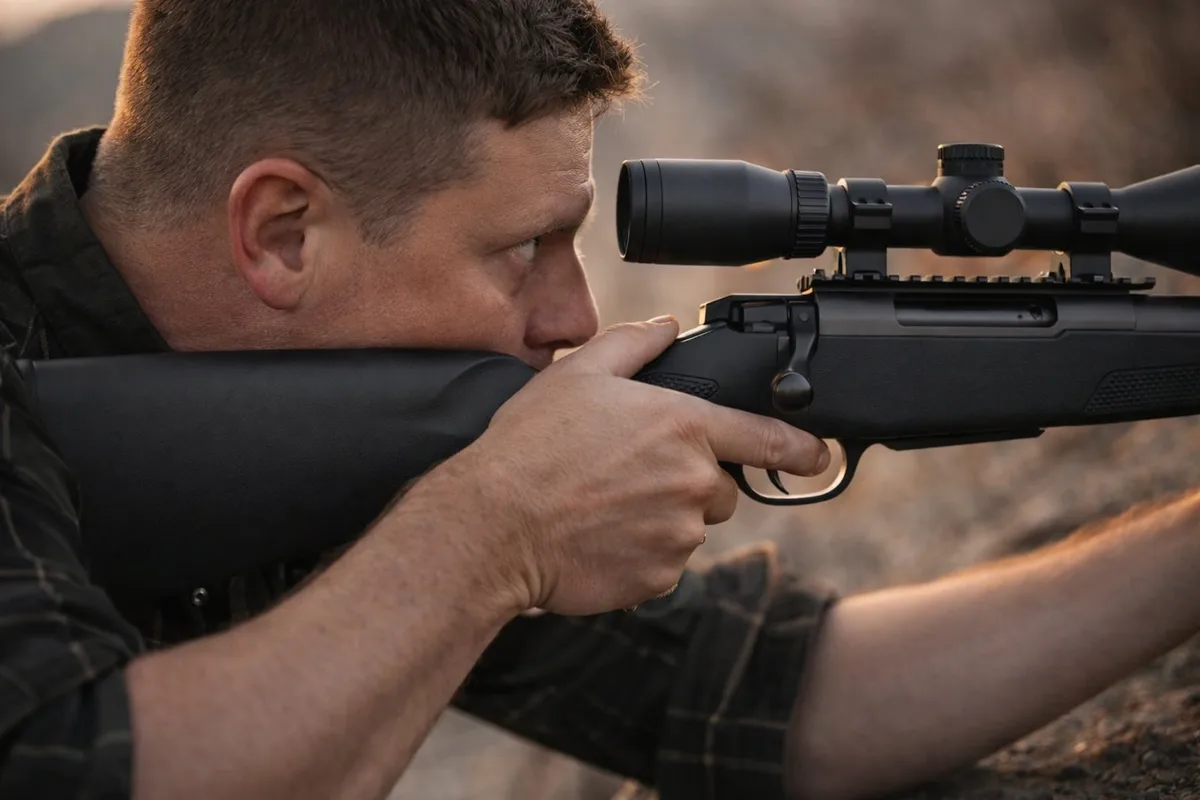
Image source: Bing (Web (fair-use with source credit))
Choosing the right tube size starts with how you actually shoot. Here's the scenario breakdown.
Hunting Deer or Elk at Under 400 Yards
Go with a 1-inch or 30mm tube. Weight matters when you're carrying a rifle through mountains for days. A 1-inch tube keeps your rifle balanced and comfortable.
Most hunting scopes in this range offer adequate elevation travel for shots well under 400 yards.
Long-Range Hunting Beyond 600 Yards
Move up to 30mm or 34mm. Elevation travel becomes critical when you're dialing for distance at high altitudes or across varying terrain. A 34mm tube with 100+ MOA of adjustment gives you room to dial for long shots without running out of internal travel.
Precision Rifle Competition (PRS)
34mm is the standard here for good reason. Competitors routinely engage targets at 800 to 1,200 yards. They need every MOA of travel they can get.
The added weight is acceptable on a competition rifle that's mostly bench or barricade-supported.
Rimfire and Air Rifle Scopes
1-inch is the right choice. These rifles generate minimal recoil. A 1-inch tube is lighter and sits lower, which matters on compact platforms.
There's no practical benefit to a 34mm tube on a .22 LR rifle.
Magnums (.300 Win Mag, .338 Lapua)
Consider 30mm or 34mm for mechanical strength. The added rigidity helps resist scope shift under heavy recoil. Manufacturer recoil ratings for magnum calibers often favor larger tube assemblies.
General-Purpose / One Rifle Setup
If you can only own one scope, choose 30mm. It handles most shooting scenarios without the weight or price penalty of 34mm. The mounting options are extensive and elevation travel covers the majority of applications.
Match tube size to your actual shooting distances and platform, not to what looks impressive on a shelf.
Common Tube Size Mistakes That Hurt Performance
Mistake 1: Paying Premium for Tube Size Alone
Buying a 34mm scope because it "sounds better" is expensive and unnecessary for most shooters. If your glass and coatings aren't premium, the larger tube doesn't save you from poor optics. Compare actual light transmission and glass specifications, not just the tube diameter on the box.
Mistake 2: Ignoring Ring Compatibility
A 34mm tube means you need 34mm rings. If your existing mount base only accepts 30mm, you're buying new rings and possibly a new mount system. This is especially relevant for non-standard tubes like 35mm or 36mm, where ring selection narrows quickly.
Mistake 3: Overlooking Scope Height Over Bore
Larger tube diameters often push your scope higher off the rifle. A high mount changes your cheek weld and head position. This can throw off your natural point of aim.
If you've never mounted a 34mm tube on your specific rifle, factor in the ring height before you buy.
Mistake 4: Ignoring Weight on Hunting Rifles
Adding 8 to 10 ounces to the top of a hunting rifle isn't trivial when you're carrying it for miles. Balance shifts backward and fatigue sets in faster. If your hunting rifle already weighs 8 pounds with optics, a 34mm setup could push you past 9 pounds.
Mistake 5: Assuming Elevation Travel Scales Linearly
Not every 34mm scope delivers more elevation travel than every 30mm scope. Turret design matters as much as tube diameter. Always check the actual MOA or MIL adjustment range in the manufacturer's spec sheet rather than assuming the larger tube automatically wins.
Quick Checklist Before You Buy
- Match tube size to your shooting distances
- Confirm ring availability for your chosen diameter
- Verify ring height works with your rifle and action
- Check total system weight
- Read the actual elevation travel specification
- Compare light transmission, not just tube diameter
Get these six things right and tube size becomes a supporting detail rather than the headline.
Real Specs: Turret Travel, Weight, and Price by Tube Size
The numbers below represent typical ranges across popular scope lines as of 2026. Exact values vary by model, but these are the patterns you'll see.
| Tube Diameter | Elevation Travel | Scope Weight | Typical Price Range |
|---|---|---|---|
| 1-inch (25.4mm) | 40-60 MOA | 22-28 oz | $200-800 |
| 30mm | 60-100 MOA | 26-32 oz | $300-1,500 |
| 34mm | 80-120+ MOA | 30-38 oz | $600-3,000+ |
Weight ranges assume variable-power scopes with moderate objective sizes (32mm to 50mm). Adding a 56mm objective lens adds 2 to 4 ounces across any tube size. Elevation travel figures come from manufacturer specifications.
They represent total internal adjustment available, not what you'll actually use in the field.
For context, a .308 Winchester zeroed at 100 yards typically needs about 30 to 40 MOA of elevation to reach 800 yards. A .338 Lapua zeroed at 100 yards can need 60+ MOA for the same distance. This is why tube size and turret travel matter more as ranges increase.
Frequently Asked Questions
Does a 30mm tube let in more light than a 1-inch tube?
No. Light transmission is determined by lens quality, glass type, and coatings, not tube diameter. A well-made 1-inch scope with premium glass can transmit more light than a cheap 34mm tube.
Check the manufacturer's light transmission percentage, not the tube size.
What tube size should a beginner buy?
30mm is the most versatile choice for a first scope. It works across hunting, tactical, and general shooting. Ring availability is excellent, weight is manageable, and elevation travel covers most applications.
You can always upgrade to 34mm later if long-range shooting becomes a priority.
Is a 34mm tube overkill for hunting?
For most hunting scenarios, yes. A 34mm tube adds weight and height that most hunters don't need. A 30mm or even 1-inch tube handles most hunting distances with adequate elevation travel.
Reserve 34mm for long-range hunting beyond 600 yards or magnum calibers.
Do scope rings come in all tube sizes?
1-inch and 30mm rings are available from virtually every manufacturer. 34mm rings are common from major brands but fewer in number. Non-standard tubes like 35mm and 36mm can be harder to find. Always check ring availability before buying a scope.
Can I mount a 34mm tube scope on a 30mm mount?
No. Rings must match the tube diameter exactly. A 34mm tube needs 34mm rings.
Mounting a 34mm scope in 30mm rings will damage the tube and compromise your zero. Always verify ring compatibility before purchase.
Final Recommendation: How to Pick the Right Tube Size
If you're hunting under 400 yards on a lightweight rifle, choose 1-inch or 30mm. The weight savings and lower mounting height serve you better than a larger tube ever will.
If you're shooting 400 to 800 yards across varied platforms, 30mm is your sweet spot. It balances weight, turret travel, and mounting options without overpaying for features you won't use.
If you're competing in precision rifle events or hunting beyond 800 yards with a magnum caliber, 34mm earns its place. The elevation travel and mechanical strength justify the added weight and cost.
If you can only buy one scope, go 30mm. It covers the vast majority of shooting scenarios with the fewest compromises.
Tube size is one variable among many. Glass quality, coatings, turret design, and mounting compatibility matter just as much. Look at the full specification sheet, match it to your shooting needs, and buy accordingly.