When should I replace my holster? That's a critical question for anyone carrying a firearm. Your holster is a vital piece of gear, and a worn-out one can compromise safety, security, and your ability to access your firearm when you need it most.
As of 2026, understanding holster degradation is key to safe and effective carry. A properly functioning holster ensures your firearm stays put and is accessible, but materials degrade over time, and usage plays a huge role.
Quick Answer
You should replace your holster when its retention is compromised. Look for cracks, fraying, or material warping. If your firearm is too loose or too difficult to draw, it's time for a new one.
Consistent wear and tear from daily use also dictates replacement frequency, typically every 1-3 years for active carriers.
Is Your Holster Still Doing Its Job? The Core Checklist
Your holster has one primary job: securely hold your firearm while allowing for a safe and efficient draw. If it falters in either regard, it's not performing its function. This checklist helps you identify the most common failure points that indicate it's time for a replacement.
Think of it as a diagnostic for your carry gear.
Retention Checks: Too Loose or Too Tight?
Secure retention is non-negotiable. It means your firearm stays put during normal movement but can be drawn deliberately when needed.
- Too Loose: If you can easily shake your firearm out of the holster, or it rattles around excessively when holstered, its retention is compromised. This poses a significant risk of accidental discharge or losing your firearm.
- Too Tight: Conversely, if it takes excessive force or wiggling to draw your firearm, that’s also a problem. In a stressful situation, you need a smooth, consistent draw. A holster that binds can cause fumbling, delay, and potentially an unsafe manipulation of your firearm.
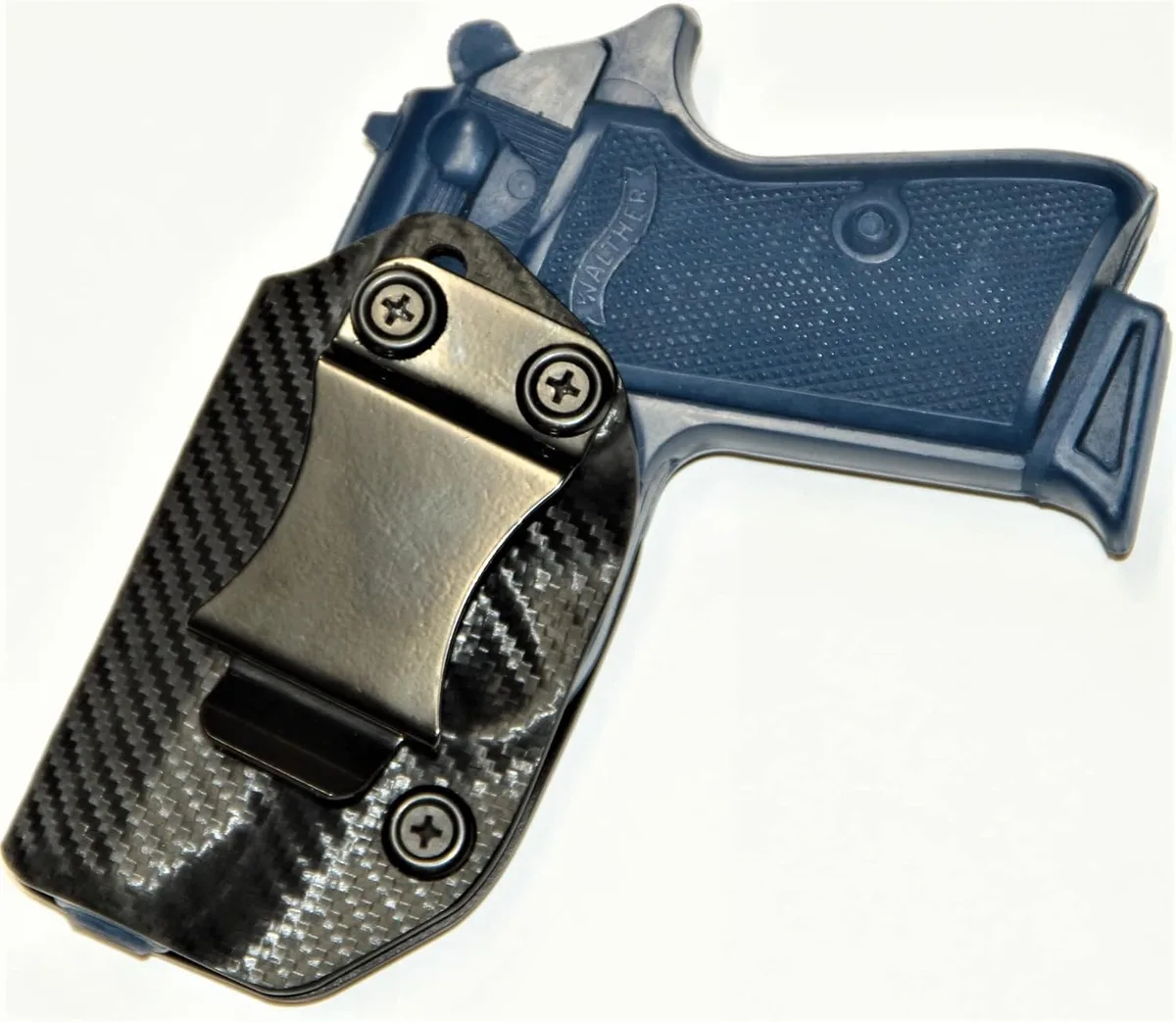
Visible Wear & Tear: What to Look For
Materials don't last forever, and the constant friction and stress of carrying can take their toll. Visible damage is often the most obvious indicator that a holster is nearing the end of its life.
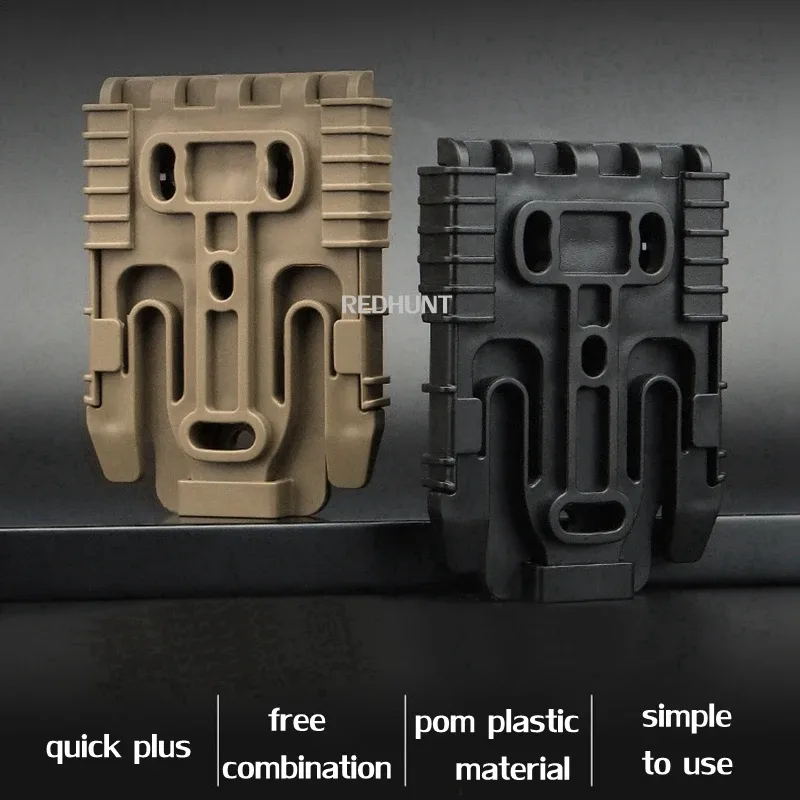
- Cracks and Splits: Especially common on Kydex or polymer holsters, cracks can appear from stress or impact. A crack, even a small one, can compromise the structural integrity and retention.
- Fraying and Loose Stitching: For leather or nylon holsters, look for frayed edges or stitching that is coming undone. This indicates the material is breaking down and the holster is losing its form and strength.
- Deep Scratches or Gouges: While minor cosmetic scratches are usually fine, deep gouges can snag on your firearm's finish or, more importantly, interfere with a smooth draw.
- Worn Edges: Edges that have become rounded or excessively worn can also affect retention and the security of the fit.
Material Integrity: Signs of Degradation
Beyond visible damage, the very nature of the holster's material can degrade, making it unsafe or unreliable. This often happens gradually and might not be as obvious as a crack.
- Kydex/Polymer: These plastics can become brittle over time, especially with repeated stress, exposure to extreme temperatures, or UV light. A brittle holster is more prone to cracking. They can also warp if left in high heat, affecting fit and retention. Manufacturer specifications for Kydex holsters, for example, often cite a lifespan of 3-5 years under ideal conditions, but real-world usage varies significantly.
- Leather: Leather needs conditioning and can dry out, becoming stiff and prone to cracking or tearing. Conversely, if constantly exposed to moisture and not dried properly, it can rot or weaken.
- Nylon: This synthetic material can stretch out over time, losing its form and the snug fit required for good retention. It can also wear down from abrasion.
How You Use It Matters: Usage Patterns and Holster Life
The lifespan of your holster isn't just about how old it is; it’s heavily influenced by how you use it, where you use it, and how you care for it. Aggressive daily use will wear out a holster much faster than occasional range trips.
Daily Carry (EDC) vs. Occasional Use: If your holster is on your person for 10-12 hours a day, every day, it's under constant stress from movement, sweat, and friction. This constant interaction will lead to wear on retention points, mounting hardware, and the holster's body. A holster used only for weekly range sessions will naturally last longer, assuming similar levels of care. Aggressive draws and re-holstering at the range also contribute to wear.
Environmental Factors: Where and how you carry can accelerate degradation.
- Sweat: Body moisture, especially in humid or hot climates, can break down leather and even affect some polymers over time.
- Dirt and Debris: Carrying in dusty or sandy environments can lead to abrasion, not just on the holster's exterior but also on the surfaces that interact with your firearm, potentially affecting the finish or retention.
- Heat: Leaving a polymer or Kydex holster in a hot car or direct sunlight can cause it to warp, permanently altering its fit and retention.
Your Holster Replacement Decision Tree
When it comes to deciding if your holster needs replacing, it's not always a black-and-white situation. It's more of a flow chart based on specific conditions. If you answer "yes" to any of the critical safety questions, it's time to move to replacement.
Branch 1: Safety & Security Compromised
This is the most critical branch. If your holster is no longer safely and securely holding your firearm, you cannot continue to use it.
- Condition: Firearm retention is significantly loose, or draw is excessively difficult.
- Action: Immediately cease use of the holster. Do not carry with it. Acquire a replacement before carrying your firearm again.
Branch 2: Significant Wear or Damage
This branch deals with visible structural issues that, while not immediately compromising retention, indicate a high likelihood of future failure or compromised performance.
- Condition: Cracks are visible in polymer/Kydex, significant fraying or tearing in stitching/seams for leather/nylon, or material has become noticeably warped.
- Action: While not always an immediate "stop carry" scenario, begin actively seeking a replacement. Monitor the damaged area closely for any signs of worsening retention.
Branch 3: Comfort & Fit Issues
This branch addresses issues that affect your ability to carry comfortably and consistently, which can indirectly impact safety by making you want to avoid carrying.
- Condition: Holster digs in uncomfortably, causes chafing, or the fit has become awkward due to body changes.
- Action: Consider a replacement that offers better ergonomics and a more suitable fit. While less critical than safety failures, consistent comfort encourages responsible carry habits.
Common Holster Mistakes That Cost You
Many people fall into a few common traps when it comes to their holsters, often leading to either unnecessary replacements or, worse, continued use of a compromised piece of gear. Avoiding these mistakes can save you money and improve your carry safety.
- Ignoring Minor Wear: A small scratch or a slightly less snug fit might seem insignificant. However, these are often early warning signs. Our research indicates that minor issues tend to propagate. A slightly loose retention point can widen over time, leading to a major retention failure later.
- Over-Reliance on Age, Not Condition: Some folks replace their holsters purely based on age (e.g., "It's two years old, so it must be bad"). While age is a factor, the actual condition of the holster is paramount. A holster used lightly might be in perfect shape after three years, while a heavily used one might need replacing after one. Always inspect for damage and functional compromise.
- Using the Wrong Holster for the Task: A minimalist appendix holster isn't ideal for a duty belt, and a bulky OWB holster might not be practical for deep concealment. Using a holster not suited for your specific carry method or environment can lead to premature wear or discomfort. For example, a leather holster worn in a very humid climate without proper care will degrade faster than one in a dry environment.
Real-World Holster Retirement Scenarios
Understanding how holsters fail in practice can help you recognize the signs in your own gear. These scenarios illustrate common failure points and the thought process behind deciding to replace a holster.
The Kydex Companion's Last Stand
Sarah carried her Kydex IWB holster daily for about 18 months. She noticed her firearm started to feel a bit looser than usual after a particularly hot summer where the holster spent time in a parked car. While there wasn't a visible crack, she performed the retention check.
By tilting her holster upside down and giving it a firm shake, she could feel her pistol shift noticeably, which it never used to do.
She also noticed a slight “catch” during her draw stroke that wasn't there before. Based on the increased looseness and the new drawing inconsistency, she decided it was time to retire the holster. She ordered a new one immediately, prioritizing a brand that offered a lifetime warranty on material defects.
The Leather's Long Goodbye
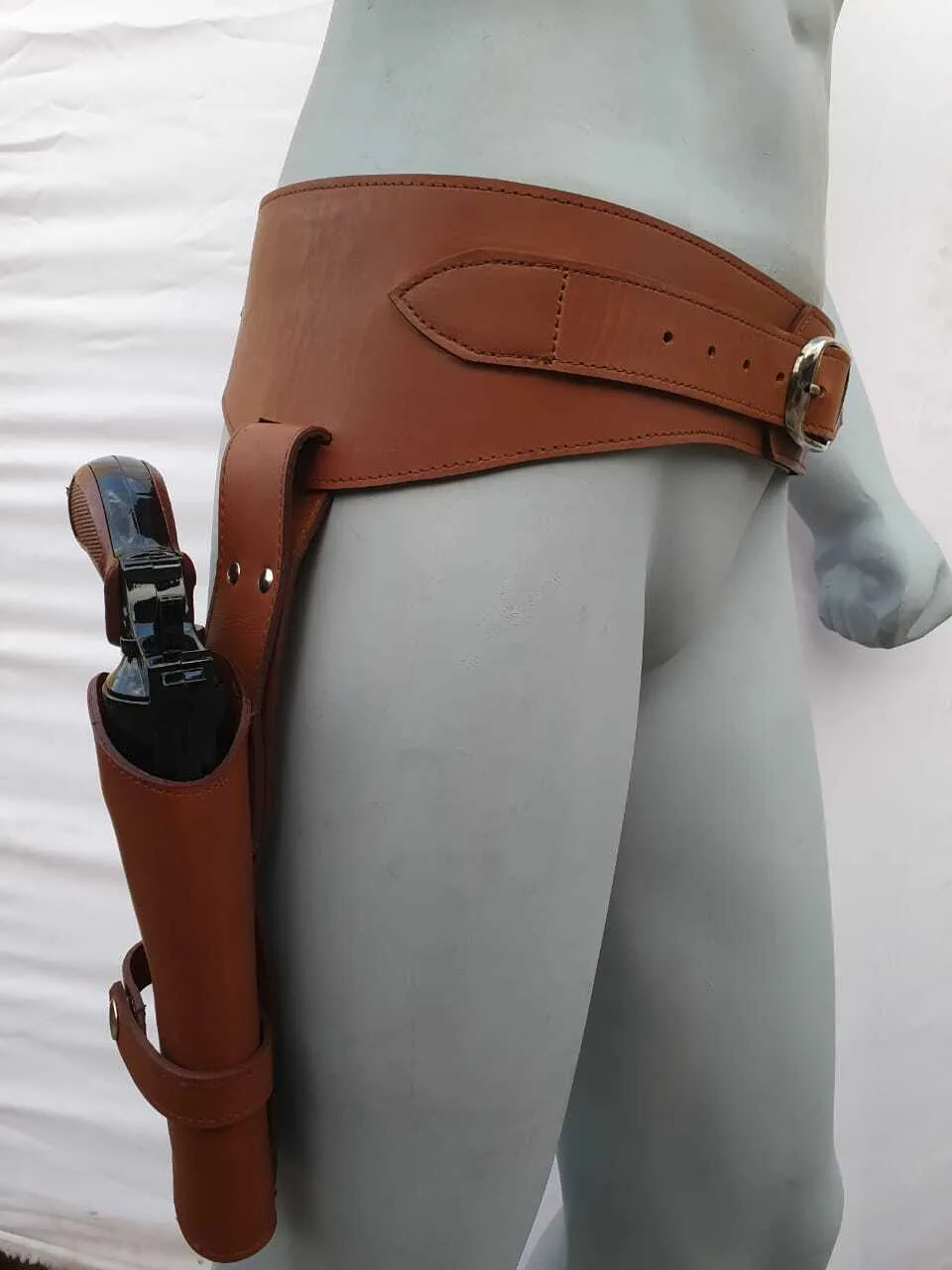
Mark had a quality leather shoulder holster he used for occasional field work. After about three years of moderate use, he started noticing the stitching around the strap attachment points looked a little frayed. He'd always kept the leather conditioned, but this was a sign of material fatigue.
He performed a flex test on the holster body and found it was still supple, but the stitching felt less secure. If the stitching failed, the holster’s shape would likely distort, impacting retention and potentially causing the firearm to shift or become exposed. Though the leather itself was in decent shape, the compromised stitching was enough for him to order a replacement.
He plans to keep the old one for practice at home, but not for active carry.
Frequently Asked Questions About Holster Lifespans
How long does a Kydex holster typically last?
A Kydex holster, under normal daily carry conditions, often lasts between 1 to 3 years before showing significant signs of wear affecting retention. Extreme heat exposure or frequent hard draws can shorten this lifespan.
Can leather holsters be repaired to extend their life?
Minor issues like drying or stiffness can often be addressed with proper leather conditioning. However, significant fraying, tearing, or loss of shape due to prolonged moisture or stress usually means it's time for a replacement rather than repair.
How often should I inspect my holster for wear?
You should inspect your holster at least once a month, or more frequently if you engage in strenuous activity or carry in harsh environments. A quick visual and tactile check should become part of your regular gear maintenance routine.
What is the biggest safety risk of a worn-out holster?
The primary safety risk is compromised retention, meaning your firearm could unexpectedly shift, fall out, or even discharge if the holster fails to adequately cover the trigger guard or secure the weapon.
Final Verdict: Trust Your Gut, Trust Your Gear
Deciding when to replace your holster boils down to a simple principle: if you have any doubt about its ability to perform its core functions safely and reliably, it's time for a new one. Don't wait for a critical failure to realize your holster has outlived its usefulness.
Regular inspection is your best defense against a compromised holster. Look for cracks, fraying, warping, and, most importantly, test the retention. If your firearm feels too loose or is a struggle to draw, that’s your cue.
Consider how you carry and the conditions your holster endures, as these factors significantly impact its lifespan. Investing in a new holster is a small price to pay for the security and confidence it provides for your daily carry.