Hey there! So, your holster is bugging you? Yeah, I get it.
Carrying a firearm should feel secure, not like you're trying to sneak a cactus into your waistband. It's a super common issue, and honestly, there's usually a pretty clear reason why it's happening. We just need to do a little detective work.
Think of it like this: your holster isn't just a passive holder; it's an extension of how you carry. If it's not sitting right, digging in, or rubbing you the wrong way, it can make carrying all day feel like a chore, or worse, make you avoid carrying altogether. That's definitely not what we want.
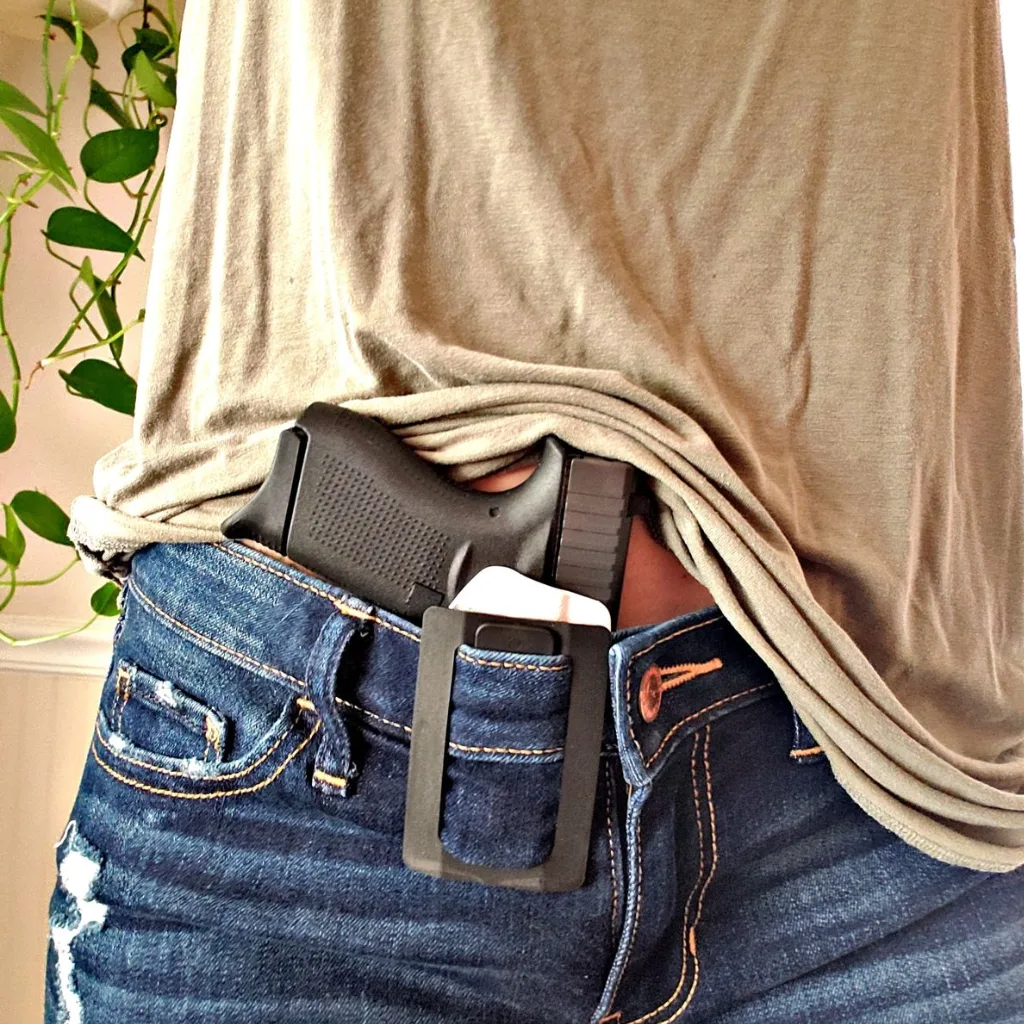
Image source: Web (Bing) / guncarrier.com (Web image (fair-use with source credit))
Quick Answer
Your holster is uncomfortable because of how its design, fit, or placement interacts with your body, firearm, and carry method. Common culprits include poor holster cant, incorrect ride height, material rigidity, or even the specific shape of your firearm's grip. Addressing these involves adjusting cant, ride height, exploring different carry spots, or considering alternative holster designs like hybrid models.
First Things First: Where's the Pain Point?
Before we dive into solutions, let's pinpoint where the discomfort is coming from. This helps us narrow down the possibilities real fast. Is it digging into your hip bone when you sit?
Rubbing your side when you move? Does it feel like the firearm itself is poking you from the inside, or is it just bulky and restricting natural motion? Knowing if it's a sharp pinch, a dull ache, or constant chafing will guide our troubleshooting.
Let's Break Down the Usual Suspects
Most holster discomfort boils down to a few key areas. Let's explore them.
The Holster Itself: Design & Fit
This is probably the biggest one. Not all holsters are created equal, and what works for one person or gun might not work for you. The cant, or the angle your holster sits at, can cause issues if it's too far forward or back, leading to awkward digging.
Similarly, the ride height, how high or low the holster sits on your belt, plays a huge role; too high can make the grip poke out, while too low can press uncomfortably.
Some holsters feature a concealment claw or wing designed to push the grip of the gun into your body for better concealment. While effective, this can be a source of discomfort if it presses too hard or in the wrong spot. The holster material itself, whether it's rigid Kydex, pliable leather, or a hybrid construction, greatly affects comfort.
Aggressive or ill-fitting retention can also create pressure points.
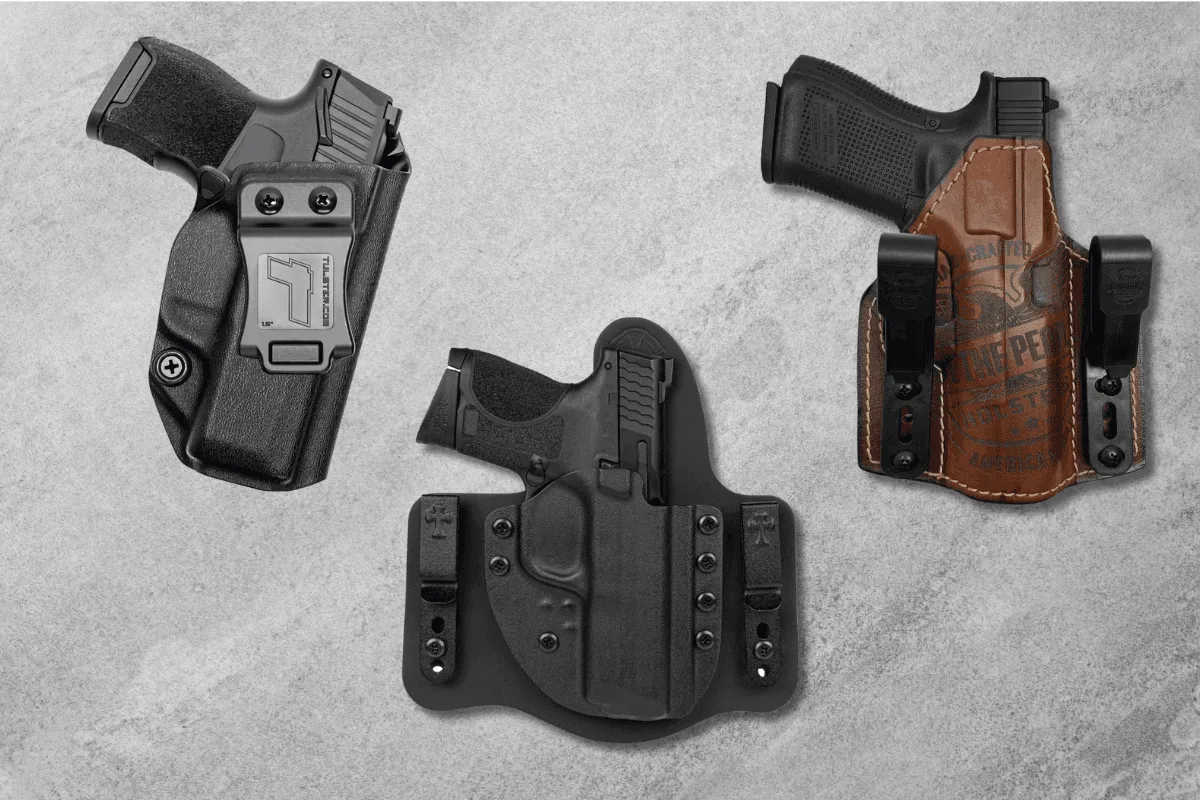
Image source: Web (Bing) / concealedcarrysociety.com (Web image (fair-use with source credit))
Your Body Shape & Size
This is super important and often overlooked. What feels great on one person might be totally different on yours. Your body fat distribution and bone structure, like hip bones and rib cages, are hard points a holster has to work around.
Where you carry a little extra padding or where you're leaner can make a huge difference in how a holster interacts with your curves.
Your flexibility also plays a part in how the holster moves with you throughout the day. Manufacturer specifications for holsters are often based on generalized body types, and they don't always account for individual variations. For example, a holster designed for a specific firearm might fit it perfectly but not conform well to a more pronounced hip curve, leading to discomfort.
How You Wear It
It's not just about shoving the holster on. The details matter immensely. A quality gun belt is crucial; a flimsy belt will let the holster flop around, creating friction and pressure. Proper holster placement on your waistband, often around the 3 to 4 o'clock position for many, but it can vary, also makes a significant difference.
The underneath layers you wear also change how the holster feels against your skin, from a thin t-shirt to a thick thermal shirt. A stiff, dedicated gun belt, often 1.5 inches wide, provides the stability needed for a holster to stay put and distribute weight evenly. Without it, even the best holster can feel uncomfortable due to constant shifting and rubbing.
The Firearm Itself
Sometimes, it's not the holster as much as the gun it's holding. If your pistol has an extended grip or an aftermarket base pad, it's going to stick out more and is more likely to cause discomfort by digging into your side. Less commonly, sharp edges on the slide or frame of the firearm can press into you.
Most modern firearms are designed with smooth contours, but accessories or specific models can present unique challenges. For instance, a firearm with a sharp corner on its slide stop lever might create a specific pressure point that a standard holster doesn't account for. Ensuring the holster is molded to the exact firearm model, including any modifications like extended magazine releases, is key.
Troubleshooting Time: Let's Fix It!
Okay, now that we've looked at the common causes, let's try some fixes.
If it's digging into your hip when sitting:
This is a super common problem, especially when you're driving or sitting down for extended periods. The first thing to try is adjusting the ride height of your holster to lower it slightly. If that doesn't help, play with the cant (angle).
Sometimes tilting it a little more vertical, or even slightly back, can make a big difference.
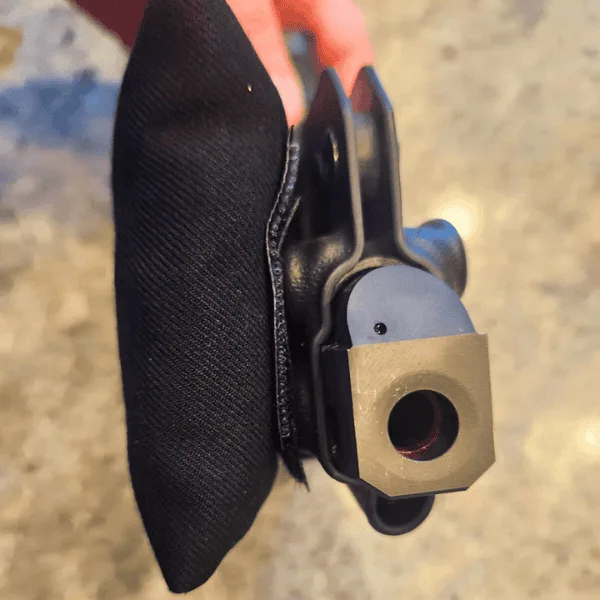
Image source: Web (Bing) / cloudsterpillow.com (Web image (fair-use with source credit))
You might also need to experiment with placement. Inch it forward or backward on your waistband; you could be right on top of a hip bone. If concealment is a major concern and you're using a holster with a concealment claw/wing, ensure it's not the source of the digging.
You might need to adjust its tension or even consider a different model with a softer claw. Sometimes, a hybrid holster, which has a softer backing, can flex better around your body.
If the gun grip is poking you:
This usually means the top of the firearm's grip is pressing into your side or abdomen. Your first step here is to adjust the ride height, trying to raise the holster slightly. Often, adjusting the cant by tilting the holster forward can help tuck the grip closer to your body, hiding it better and reducing the poke.
For many, a holster with a concealment claw or wing is the best solution for this specific issue. This feature is designed to push the grip of the firearm inwards towards your body, making it less noticeable and reducing the chance of it digging in. If you're already using one, try adjusting its position or the angle of the holster itself.
If it feels like constant chafing or rubbing:
This sensation often comes from friction, either from the holster material itself or from movement. First, check the inside of your holster material for any rough edges or burrs. Sometimes, a quick smoothing with fine-grit sandpaper can eliminate the problem.
A good quality, moisture-wicking undershirt can also act as a vital buffer between your skin and the holster.
Consider the holster material and its overall flexibility. A very rigid Kydex might rub more than a softer hybrid design. Ensure the retention is correct, if it's too loose, the holster moves and rubs; if it's too tight, it can pinch.
Proper fit is essential for preventing this kind of irritation.
If it's just generally "off" and uncomfortable:
When the discomfort isn't tied to a single, obvious spot, it’s often a combination of factors. First and foremost, get a good gun belt. Seriously, this is non-negotiable for comfortable, secure carry as it keeps everything stable and prevents the holster from shifting.
Experiment with your holster placement, you might be surprised how much moving it just an inch makes a difference.
Sometimes, your body just needs a little time to adapt to a new carry position or holster. Wear it around the house for a few days. But if it's genuinely painful, don't force it.
You might also want to explore a different carry method altogether, as what works for one person's body type might not work for yours.
When to Consider a New Holster
If you've tried adjusting everything, cant, ride height, placement, and it's still miserable, it might be time to look at a different holster. Not every holster is designed for every person or every gun. For example, if you carry a subcompact pistol but find your compact holster uncomfortable, the fit might be off.
The holster might not be hugging the smaller frame closely enough, leading to shifting and rubbing.
If you're trying to carry a larger pistol and are experiencing a lot of printing (the gun showing through clothes), you might need a holster specifically designed for better concealment, perhaps with an integrated concealment claw/wing. These features help tuck the grip of the firearm closer to your body. If your current holster is a basic, rigid design and you're finding it digs in, look into more adjustable options or those made with comfort in mind, like hybrid designs with a leather backing or those with built-in padding.
Some manufacturers, like DeSantis Gunhide, offer a range of options designed for different carry styles and body types, aiming to improve comfort through specific design features.
FAQs
### How long does setup take?
Setup for a holster typically involves attaching it to your belt or waistband. This process usually takes less than a minute once you're familiar with your holster's attachment method, whether it's clips, loops, or a different system. The real "setup" is finding the perfect spot on your waistband where it feels most comfortable and secure.
### What is the best holster material for comfort?
The best holster material for comfort often depends on personal preference and body type. Hybrid holsters, which combine a rigid shell (like Kydex) with a softer backing (like leather or neoprene), are frequently cited as very comfortable for all-day carry because they offer a balance of support and flexibility. Rigid Kydex can be great for retention but might dig if not perfectly molded, while all-leather can be comfortable but sometimes too stiff or prone to stretching.
### Can my firearm's accessories affect holster comfort?
Yes, absolutely. Accessories like extended magazine bases or lasers can significantly change how your firearm fits in a holster and how it interacts with your body. An extended base pad, for instance, will make the grip protrude more, potentially causing it to dig into your side or abdomen.
Some holsters are designed with specific cutouts or more generous molding to accommodate such accessories, but an ill-fitting holster with added gear is a common cause of discomfort.
### How often should I adjust my holster position?
You might find yourself adjusting your holster's position throughout the day as you move, sit, or stand. It's not uncommon to make minor tweaks to find the most comfortable spot, especially after a meal or when transitioning between activities. However, if you're constantly needing to adjust it significantly, it could indicate that the holster's cant, ride height, or even its attachment method isn't optimal for your needs.