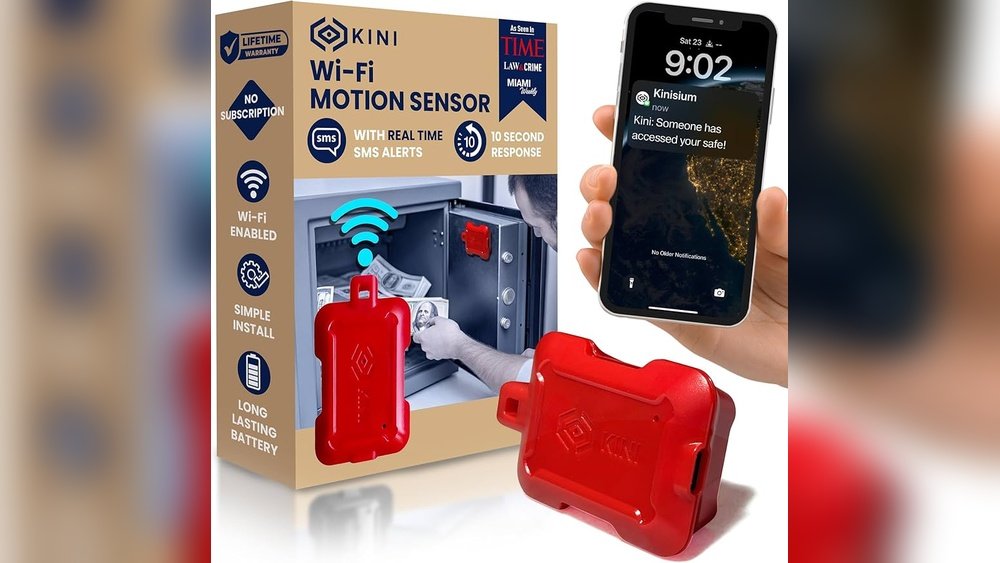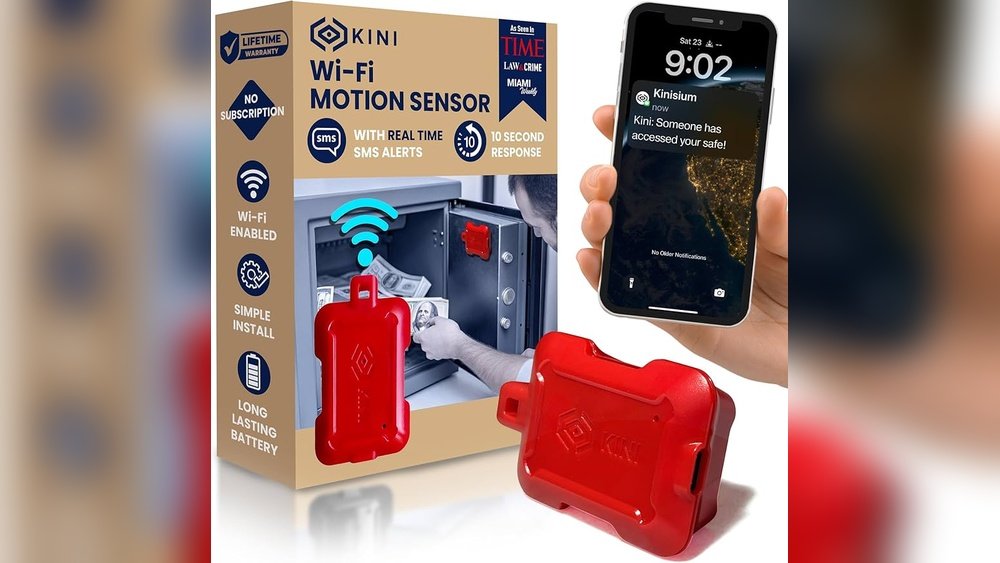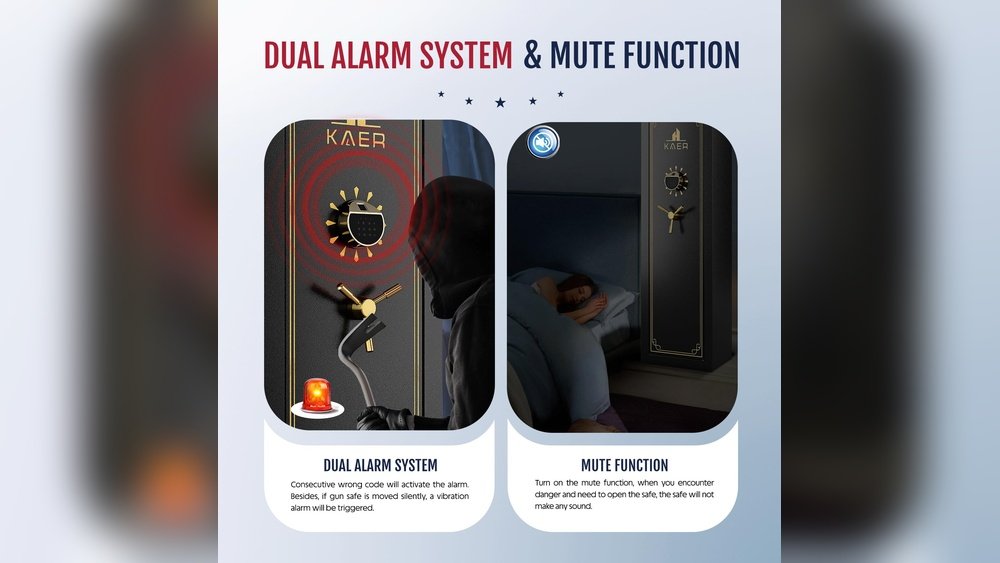
Are you looking to boost the security of your rifle safe but feel confused about which sensor to choose? Understanding the difference between a tilt sensor and a vibration sensor can make all the difference in protecting your firearms.
These two devices may seem similar, but they work in very different ways—and picking the right one could be the key to keeping your guns safe from unwanted access. You’ll discover how each sensor works, when to use them, and which one fits your needs best.
Keep reading, because your peace of mind depends on making the right choice.
Tilt Sensor Basics
Tilt sensors detect changes in the angle or position of an object. They are small devices that notice when something tilts beyond a set point. These sensors help protect rifle safes by alerting owners if the safe is moved or tipped over. Understanding how tilt sensors work can help users choose the right security for their firearms.
How Tilt Sensors Work
Tilt sensors contain a small ball or fluid inside a sealed container. When the sensor tilts, the ball or fluid moves. This movement changes the sensor’s electrical signal. The safe’s alarm system senses this change and triggers an alert. The sensor can detect even slight tilts, adding an extra layer of protection.
Common Uses In Rifle Safes
Tilt sensors alert owners if someone tries to move or steal the safe. They protect against theft by detecting forced movement. Some safes use tilt sensors to trigger alarms before a break-in. This early warning helps keep rifles secure and safe. Tilt sensors work well with other security features in safes.

Vibration Sensor Basics
Vibration sensors play a key role in protecting rifle safes. They detect movement by sensing vibrations. These sensors alert owners if someone tries to tamper with or move the safe. Understanding how vibration sensors work helps you see their importance in safe security.
How Vibration Sensors Work
Vibration sensors detect small shakes or vibrations. They use sensitive parts that move when the safe shakes. This movement triggers an alarm or sends a signal. The sensor can tell if the safe is being hit, dragged, or bumped.
Most vibration sensors use piezoelectric or accelerometer technology. Piezoelectric sensors create an electric charge from vibration. Accelerometers measure changes in speed or direction. Both types respond quickly to unusual movement around the safe.
Common Uses In Rifle Safes
Vibration sensors are common in rifle safes to prevent theft. They alert owners if the safe is struck or moved. This stops thieves before they can open the safe. Some safes connect vibration sensors to alarms or smartphone apps.
Vibration sensors also protect against accidental damage. They warn if the safe falls or is hit hard. This helps keep rifles and other valuables safe inside. Many users trust vibration sensors for early theft detection and damage alerts.
Key Differences
Understanding the key differences between tilt sensors and vibration sensors helps choose the right protection for rifle safes. Each sensor type detects different kinds of movements and reacts uniquely. Knowing these distinctions improves safe security and reduces unwanted alarms.
Sensitivity And Detection Range
Tilt sensors detect changes in angle or position. They sense when the safe is being tilted or moved from its normal place. Vibration sensors respond to shakes and knocks. Their sensitivity covers small to strong vibrations near the safe.
Tilt sensors have a narrow detection range focused on angle shifts. Vibration sensors cover a wider range, sensing all types of physical impacts. This makes vibration sensors more sensitive to nearby disturbances.
Response To Different Movements
Tilt sensors trigger alarms when the safe tilts beyond a set angle. They do not respond to light bumps or vibrations. Vibration sensors react to any shaking or banging on the safe’s surface. They alert to attempts to break in or move the safe roughly.
Tilt sensors work best for detecting relocation or theft attempts. Vibration sensors catch tampering or forced entry efforts. Each sensor targets specific unsafe actions around the safe.
False Alarm Potential
Tilt sensors produce fewer false alarms. Normal small movements or vibrations usually do not cause alerts. Vibration sensors may trigger false alarms from nearby heavy footsteps or loud noises. They require careful adjustment to avoid frequent false warnings.
Choosing the right sensor depends on the safe’s location and environment. Less busy areas suit vibration sensors. High-traffic spots benefit from tilt sensors to reduce false alerts.
Sensor Placement In Safes
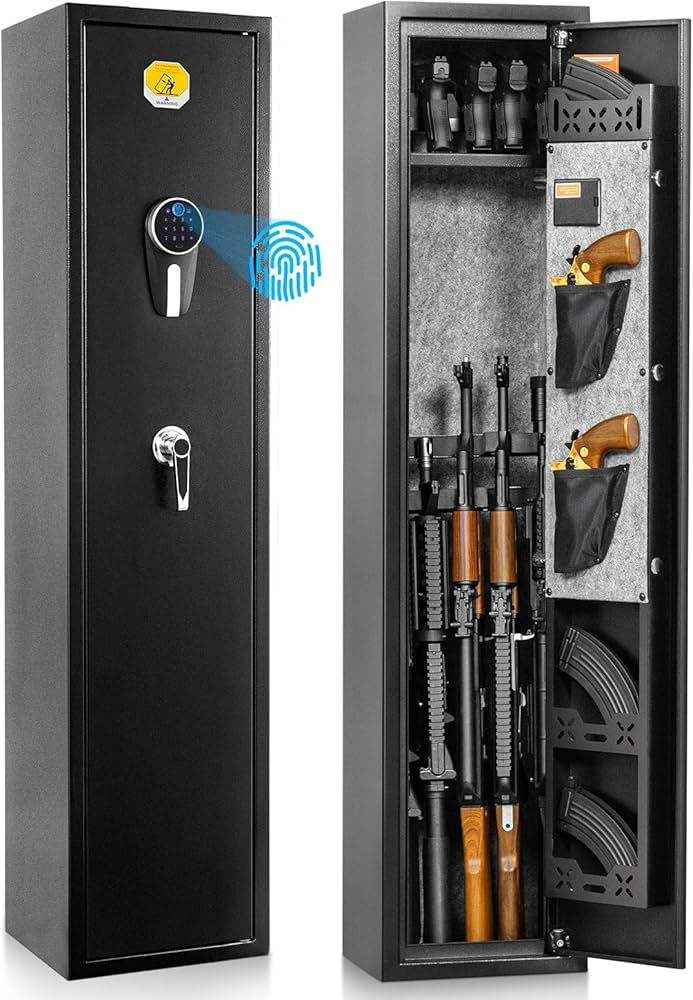
Proper sensor placement inside a rifle safe is key to effective security. Sensors must detect threats quickly and accurately. Placement affects how well a tilt sensor or vibration sensor works. Each sensor type needs a specific location to perform best. Understanding these locations helps protect your firearms better.
Optimal Locations For Tilt Sensors
Tilt sensors work by detecting changes in angle or position. Place them on a flat, stable surface inside the safe. The safe door or ceiling is a good choice. Avoid areas where normal safe movement can trigger false alarms. Position tilt sensors where any tilt or tipping is clear.
Optimal Locations For Vibration Sensors
Vibration sensors sense shaking or impacts on the safe. Place them on the walls or door where vibrations transfer well. Avoid soft or padded surfaces that absorb shock. Position vibration sensors near hinges or locking points. This placement catches tampering or forced entry attempts quickly.
Choosing The Right Sensor
Choosing the right sensor for your rifle safe is important. It helps protect your firearms and gives you peace of mind. Both tilt sensors and vibration sensors detect different types of movements. Picking the best one depends on your security needs and the environment where you keep the safe.
Security Needs And Environment
Think about the type of threats you want to prevent. A tilt sensor triggers an alert if the safe is moved or tilted. It is good for detecting theft attempts involving lifting or dragging. A vibration sensor reacts to knocks or shakes. It works well against forced entry or impacts.
Consider where you place your safe. In a busy area with lots of movement, a vibration sensor might give false alarms. A tilt sensor may be better in such cases. For quiet or low-traffic spots, a vibration sensor can quickly detect tampering.
Integration With Alarm Systems
Check if the sensor connects easily to your alarm system. Most modern sensors work with common security systems. A tilt sensor can send alerts when the safe is moved. A vibration sensor alerts on impact or force.
Choose a sensor that fits your current setup. Some sensors offer wireless connections for easy installation. Others need wiring. Make sure the sensor works smoothly with your alarm to avoid missed alerts.
Maintenance And Reliability
Maintenance and reliability are key factors for sensors in rifle safes. These sensors protect your firearms by detecting motion or tilt. Proper care ensures they work well for a long time. Understanding their durability and how to fix common problems helps keep your safe secure.
Durability Over Time
Tilt sensors and vibration sensors face wear from daily use and environment. Tilt sensors have fewer moving parts, making them less likely to fail. Vibration sensors can be more sensitive to dust and moisture, which may affect performance. Regular checks help spot any damage early. Keeping sensors clean and dry extends their lifespan.
Troubleshooting Common Issues
Sometimes sensors give false alarms or stop working. Check battery levels first; low power often causes problems. For tilt sensors, ensure they are firmly mounted and not loose. Vibration sensors may need recalibration if they trigger too easily. Resetting the sensor often solves minor glitches. If issues persist, consult the manufacturer’s guide for specific fixes.
Frequently Asked Questions
What Is A Tilt Sensor In Rifle Safes?
A tilt sensor detects changes in the safe’s angle or position. It triggers alarms when the safe is tilted or moved, helping prevent unauthorized handling or theft.
How Does A Vibration Sensor Work In Rifle Safes?
A vibration sensor detects shaking or impacts on the safe. It activates alarms if someone tries to forcefully move or break into the safe.
Which Sensor Is Better For Rifle Safe Security?
Both sensors enhance security differently. Tilt sensors detect movement angles, while vibration sensors detect impacts. Using both provides comprehensive protection.
Can Tilt And Vibration Sensors Be Combined In One Safe?
Yes, many rifle safes integrate both sensors. This combination improves detection of unauthorized access attempts through motion or force.
Conclusion
A tilt sensor detects changes in angle or position of your rifle safe. A vibration sensor senses shakes or knocks on the safe’s surface. Both sensors protect your firearms but work differently. Choose the sensor that fits your security needs best.
Understanding these differences helps you keep your rifle safe. Simple and clear choices lead to better protection. Always prioritize safety and peace of mind.