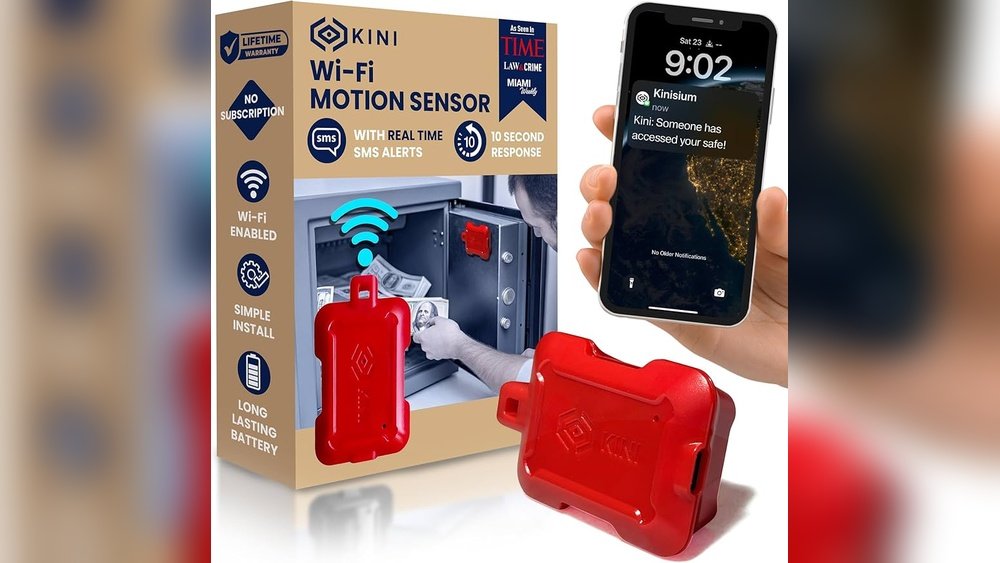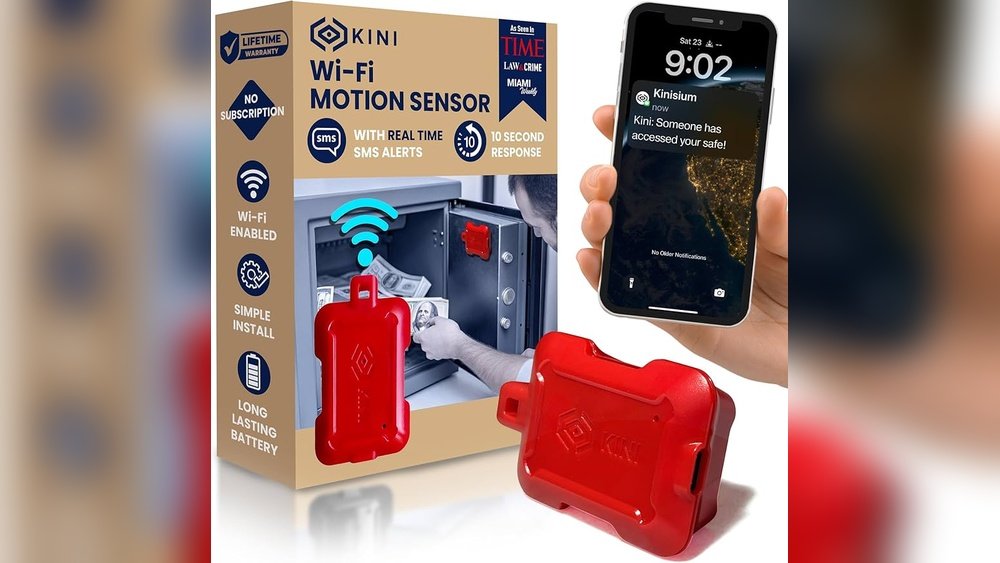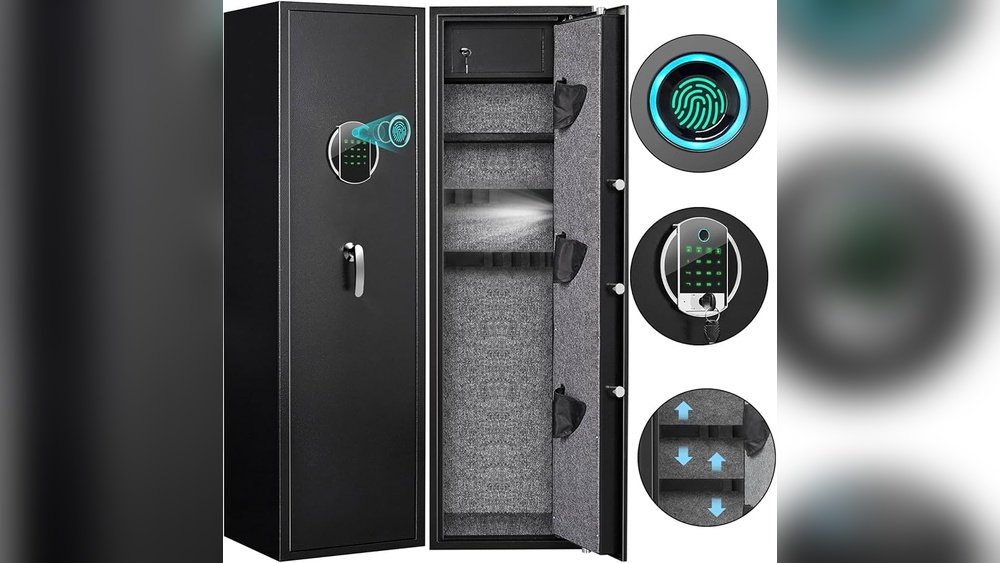
Are you worried about the security of your rifle safe, whether it’s big or small? You might be wondering if vibration sensors can protect your valuable firearms from unwanted tampering or theft.
The good news is, these sensors are designed to detect even the slightest movement or impact, giving you an extra layer of security. But do they work equally well on both large and small rifle safes? Keep reading to discover how vibration sensors can fit your needs and help keep your firearms safe—no matter the size of your safe.
Vibration Sensors Basics
Vibration sensors detect movements and shakes. They help protect rifle safes by sensing tampering or forced entry. These sensors work by measuring vibrations caused by impacts or attempts to open the safe. Understanding how they operate is key to knowing if they fit both large and small rifle safes.
How Vibration Sensors Work
Vibration sensors pick up tiny movements on surfaces. When a safe is hit or moved, the sensor detects the vibration. It sends a signal to an alarm or monitoring system. This alert warns the owner of a possible break-in. Sensors can adjust sensitivity to avoid false alarms from small shakes.
Types Of Vibration Sensors
There are several types of vibration sensors. Piezoelectric sensors generate voltage when they bend. Accelerometers measure the speed and direction of movement. Capacitive sensors detect changes in electric fields caused by vibrations. Each type suits different environments and security needs.
Benefits For Rifle Safes
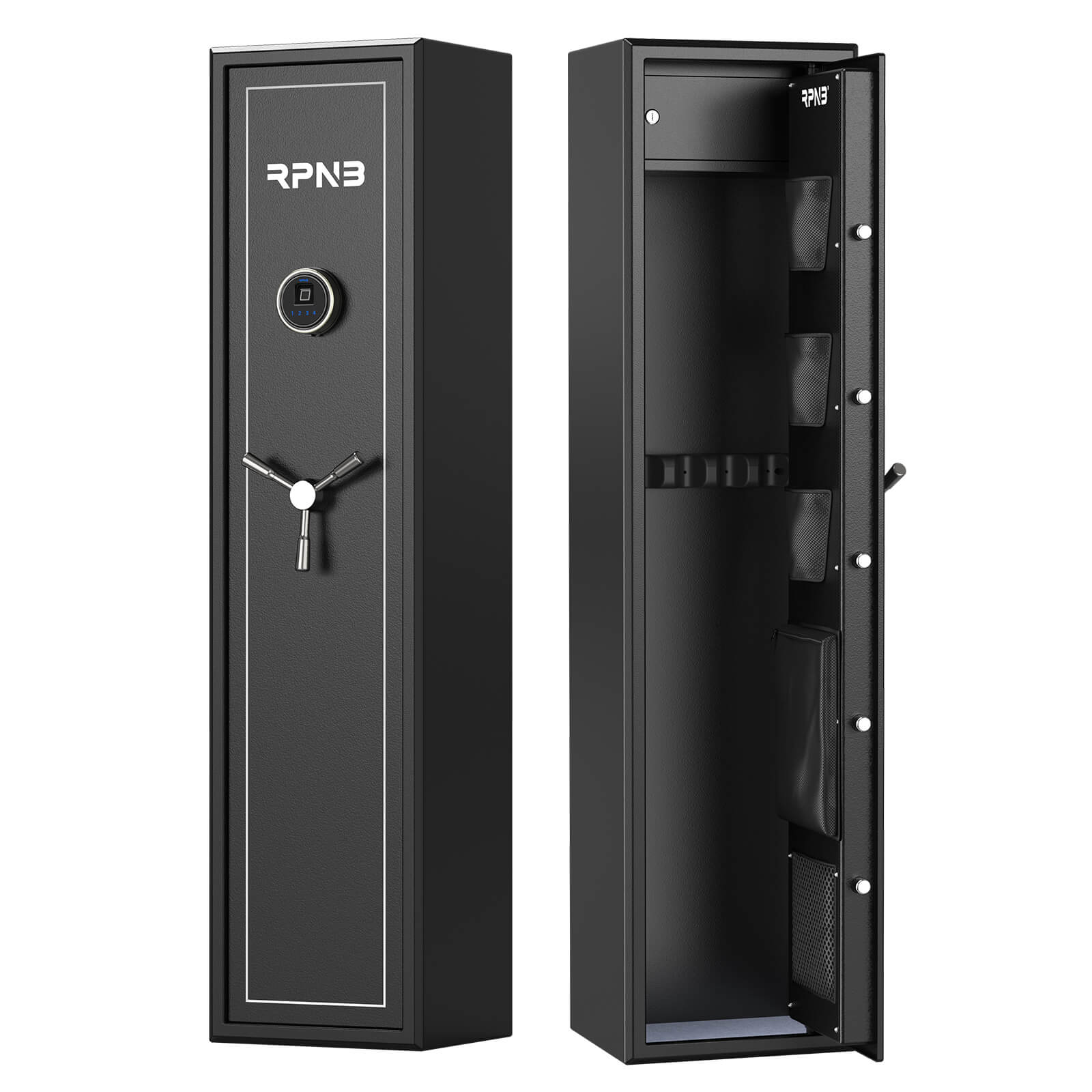
Vibration sensors add strong protection to rifle safes. These sensors detect any unusual movement or vibration. They work well on both large and small rifle safes. The benefits help keep rifles safe from theft or damage.
Enhanced Security Features
Vibration sensors increase safe security by sensing even small shakes. They alert owners to any attempt to break in. This feature stops thieves before they open the safe. Small safes get the same level of protection as large ones. Sensors work quietly and do not disturb the safe’s use. They add an extra layer of security beyond just locks and codes.
Real-time Alerts
These sensors send alerts instantly to the owner’s phone or device. Immediate alerts allow quick action to protect the rifles. Real-time warnings reduce the risk of theft or damage. Both large and small safes benefit from fast notifications. Owners can check their safes anytime and anywhere. This feature helps keep rifles safe and gives peace of mind.
Compatibility With Large Safes
Vibration sensors work well with large rifle safes. These safes have thick walls and strong doors. This can affect how sensors detect movement or vibrations. Choosing the right sensor and placing it correctly is important. Large safes need sensors that cover more area and respond accurately to any tampering. Understanding compatibility helps keep your valuables secure.
Installation Considerations
Place the sensor where it senses vibrations best. The safe’s metal walls can block signals. Attach the sensor on solid parts, like the door or frame. Avoid spots with padding or insulation. Use strong adhesive or screws to keep the sensor steady. A loose sensor may give false alarms or miss real ones.
Sensor Sensitivity And Range
Sensors for large safes need higher sensitivity. They must detect slight movements or tapping. The sensor range should cover the entire safe surface. Some sensors allow adjusting sensitivity levels. This helps avoid false alarms from small, harmless vibrations. A good sensor balances sensitivity and false alarm reduction well.
Suitability For Small Safes
Small rifle safes need protection that fits their size. Vibration sensors can work well in these compact spaces. They detect movement or tampering quickly. This helps keep your firearms safe without taking up too much room.
Space Constraints
Small safes have limited space inside. Sensors must be small and easy to install. Many vibration sensors are compact and lightweight. They fit neatly without blocking shelves or locks. This makes them ideal for safes with tight spaces.
Wires and bulky devices can cause clutter inside. Wireless vibration sensors reduce this problem. They stay out of the way while still providing strong protection.
False Alarm Prevention
Small safes can shake from normal use or nearby noise. Sensors need to avoid false alarms. Good vibration sensors have adjustable sensitivity settings. This lets you set them to ignore minor vibrations.
Proper placement also helps prevent false triggers. Mount sensors on solid parts of the safe. This reduces alerts from small bumps or vibrations outside the safe.
Power And Connectivity Options
Choosing the right power and connectivity options is important for vibration sensors on rifle safes. These options affect how well the sensor works and fits your safe size. Both large and small safes need reliable sensors that stay active without frequent interruptions.
Power sources and connection types determine sensor placement and ease of use. Understanding these factors helps you pick sensors that suit your needs and safe dimensions.
Wired Vs Wireless Sensors
Wired sensors connect directly to power and alarms. They offer steady power and strong signals. These sensors work well for large safes where wiring is easier to hide.
Wireless sensors use batteries and send signals through Wi-Fi or Bluetooth. They are easy to install and move. Wireless sensors suit small safes or places without wiring options.
Both types detect vibrations well, but choose based on your safe’s size and installation needs.
Battery Life And Maintenance
Battery life is key for wireless vibration sensors. Longer battery life means less frequent changes. Most sensors last months to years on one battery set.
Check battery status regularly to avoid sensor downtime. Some models alert you when batteries run low.
Wired sensors need no battery changes but depend on power stability. Choose sensors with easy maintenance to keep your safe secure.

Integration With Existing Security Systems
Integrating vibration sensors with existing security systems enhances protection for both large and small rifle safes. These sensors detect unusual movements or tampering attempts. This adds an extra layer of security beyond standard locks.
Effective integration allows vibration sensors to work seamlessly with your current setup. It improves response time and alert accuracy. This section covers how these sensors fit into smart homes and alarm systems.
Smart Home Compatibility
Vibration sensors often connect easily to smart home networks. They can link with devices like smart locks and cameras. This connection creates a unified security system for your rifle safe.
You can control and monitor the sensors using your smartphone. This makes managing security simple and convenient. Both large and small safes benefit from this smart home integration.
Alarm And Notification Systems
Vibration sensors trigger alarms if they detect movement. These alarms can alert you instantly through your phone or other devices. This quick notification helps prevent theft or damage.
Many sensors work with existing alarm systems. This ensures all security alerts come through one channel. It helps keep your rifle safe protected at all times.
Cost Factors And Budgeting
Cost plays a big role in choosing vibration sensors for rifle safes. Knowing the expenses helps you plan your budget well. Both large and small safes need sensors that fit the price range without losing quality.
Think about the sensor cost and extra charges like installation and maintenance. These affect your overall spending. Careful budgeting ensures your safe stays protected without overspending.
Sensor Pricing
Vibration sensors vary in price based on size and features. Small safes may need simpler, less costly sensors. Large safes often require advanced sensors that cost more. Quality sensors last longer and work better. Avoid the cheapest options to ensure safety and durability.
Installation And Upkeep Costs
Installing vibration sensors can add to the total cost. Some sensors are easy to install, saving money. Complex sensors may need professional help, raising expenses. Regular upkeep keeps sensors working well but costs time and money. Budget for occasional repairs or replacements to avoid surprises.
Common Challenges And Solutions
Vibration sensors offer great security for both large and small rifle safes. Yet, some challenges arise when using them on different safe sizes. Understanding these challenges helps in choosing the right sensor and setup. It also ensures the sensor works effectively without causing trouble.
Avoiding False Positives
False positives happen when sensors react to harmless movements. Small safes might cause more false alarms due to vibrations from nearby activities. Large safes can pick up distant vibrations, causing unnecessary alerts. To avoid this, choose sensors with adjustable sensitivity. Position sensors carefully to reduce interference from normal movements. Testing the sensor in the actual environment also helps to fine-tune settings.
Durability In Different Environments
Vibration sensors must handle various conditions. Large safes in garages or basements face moisture and temperature changes. Small safes inside homes may deal with dust or accidental knocks. Choose sensors with strong casing and weather resistance. Look for models that work well in both dry and humid places. Durable sensors last longer and keep protecting your valuables without failing.
Frequently Asked Questions
Can Vibration Sensors Protect Large Rifle Safes Effectively?
Yes, vibration sensors can protect large rifle safes by detecting unauthorized movements. They alert owners immediately to potential break-ins, enhancing security and preventing theft.
Are Vibration Sensors Suitable For Small Rifle Safes?
Absolutely. Vibration sensors are ideal for small rifle safes as they monitor any tampering or forced entry attempts. Their compact size fits well without compromising safe space.
How Do Vibration Sensors Improve Rifle Safe Security?
Vibration sensors detect unusual vibrations or impacts on the safe. This instant detection triggers alarms, deterring intruders and alerting owners to unauthorized access quickly.
Can Vibration Sensors Be Installed Easily On Rifle Safes?
Yes, most vibration sensors are easy to install on both large and small rifle safes. They often come with adhesive pads or mounting options for quick setup.
Conclusion
Vibration sensors fit well on both large and small rifle safes. They help detect any unwanted movement quickly. This makes your guns safer no matter the safe size. These sensors are easy to install and use. They add an extra layer of security without much effort.
Choosing the right sensor depends on your specific needs. Both sizes of safes benefit from this smart protection. Safe and secure—peace of mind is worth it.