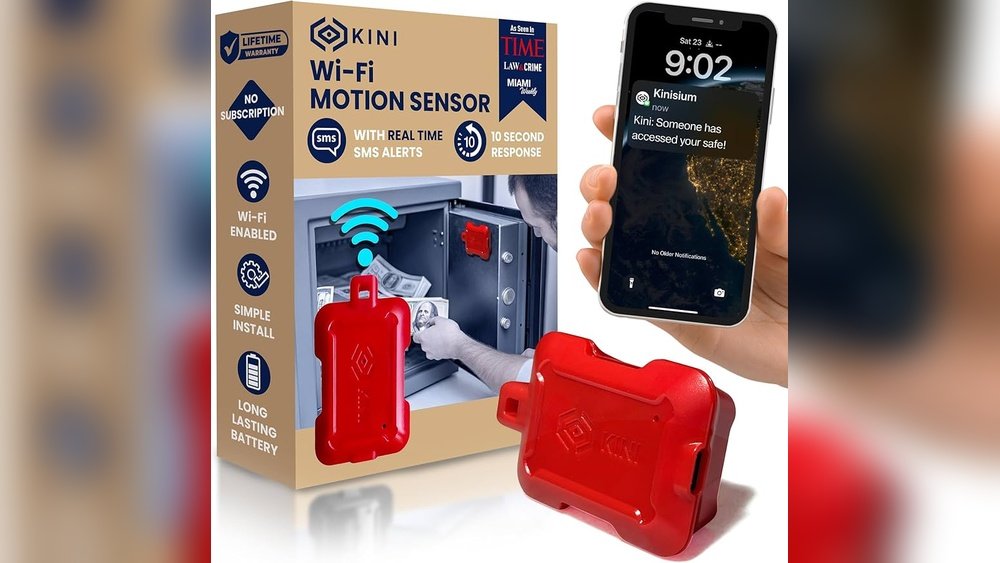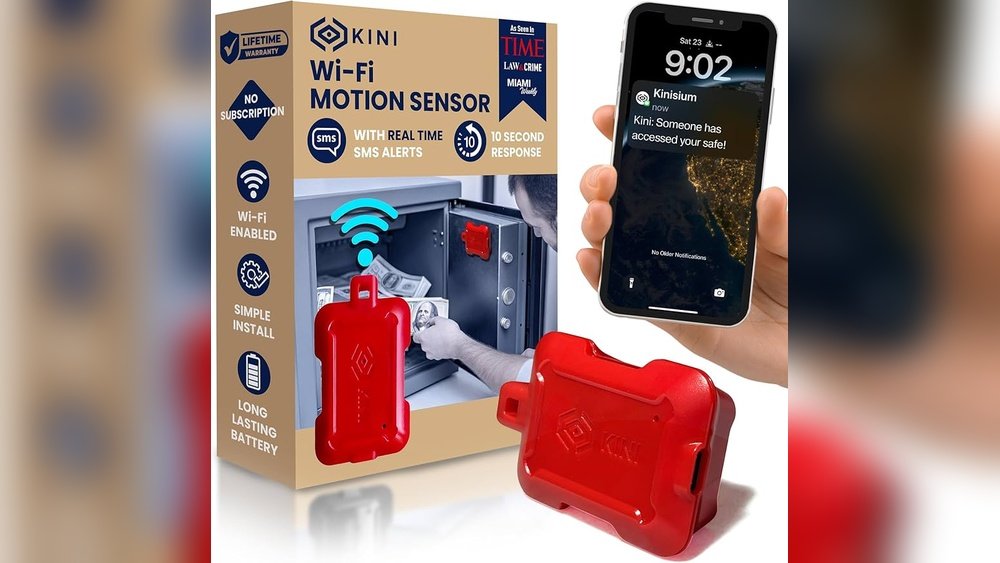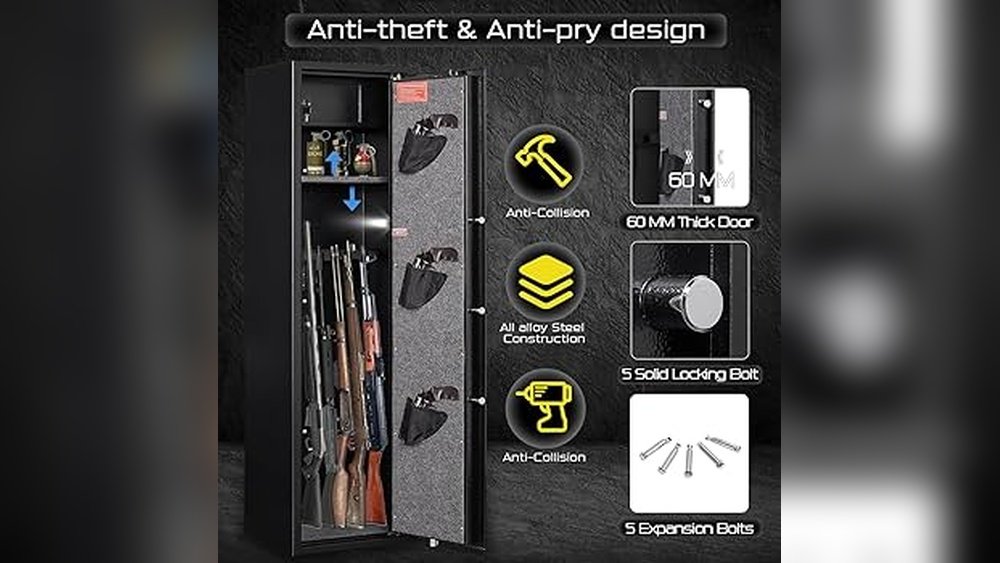
Have you ever worried about someone trying to break into your rifle safe? Protecting your firearms is more than just locking the door—it’s about knowing if someone is tampering with it.
That’s where vibration sensors come in. These small devices can sense even the slightest prying attempts, giving you an early warning before any damage is done. You’ll discover how vibration sensors work and why they might be the key to keeping your rifle safe truly secure.
Keep reading to find out if this technology is right for your peace of mind.
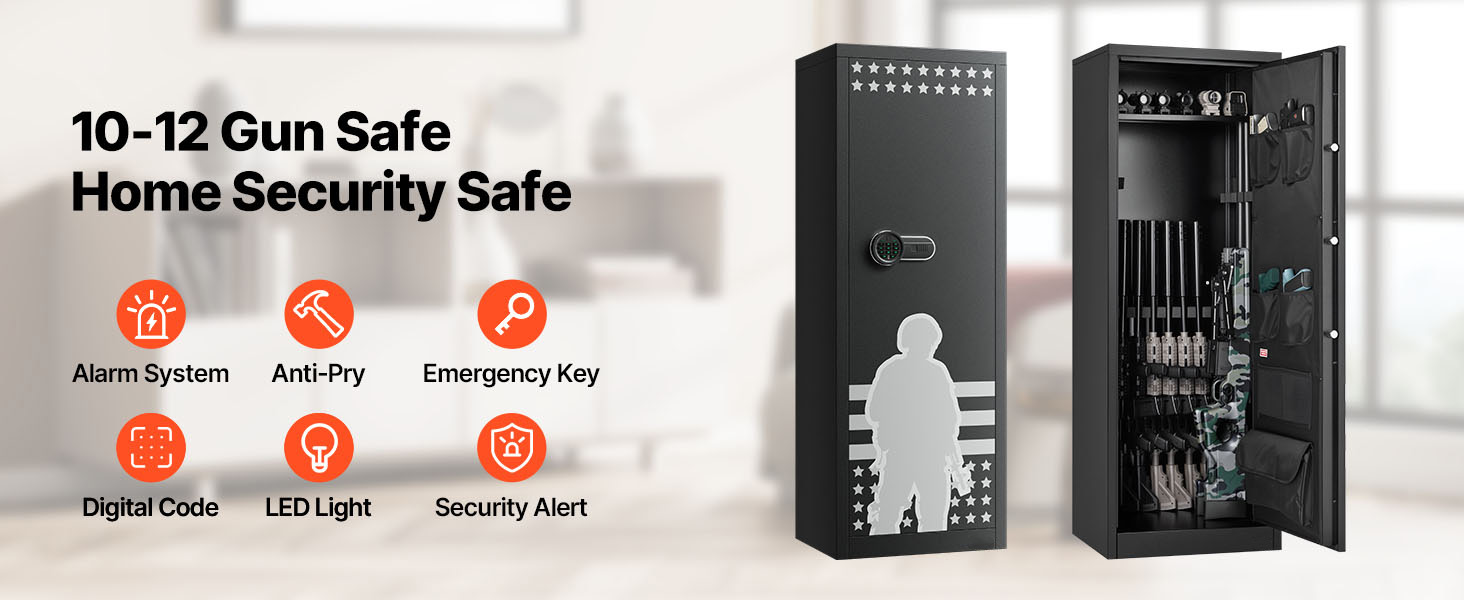
Vibration Sensors Basics
Vibration sensors are key tools for protecting rifle safes from prying attempts. These sensors detect unusual movements or shocks to the safe. They alert owners if someone tries to tamper with or break into the safe. Understanding the basics of vibration sensors helps in choosing the right protection for your valuables.
These sensors work by sensing vibrations or impacts on the safe’s surface. They send signals to an alarm system or smartphone app. This quick detection can stop theft before it happens. Knowing how vibration sensors function and the types available guides better security decisions.
How Vibration Sensors Work
Vibration sensors detect small movements and shocks. Inside, a tiny mass moves when the safe shakes. This movement changes an electrical signal. The sensor sends this signal to an alarm or control panel. The system then alerts the owner of possible tampering. Some sensors can sense different levels of vibration strength. This helps avoid false alarms from normal activity.
Types Of Vibration Sensors
There are several common types of vibration sensors. Piezoelectric sensors generate an electric charge when bent or pressed. They are very sensitive to vibrations. Capacitive sensors detect changes in electrical capacitance due to movement. These sensors work well for small vibrations. Accelerometers measure changes in speed or direction. They provide detailed data about the vibration. Each type suits different security needs. Choosing the right one depends on the safe and environment.
Rifle Safe Vulnerabilities
Rifle safes protect valuable firearms. Yet, they have weak points that thieves try to exploit. Understanding these weaknesses helps improve safe security. Many prying methods focus on these vulnerabilities. Detecting prying attempts early is crucial to prevent theft.
Vibration sensors can spot suspicious activity by sensing unusual movements. Knowing common prying techniques and weak points in safe design reveals why sensors are important.
Common Prying Techniques
Thieves use tools like crowbars and screwdrivers to open safes. They try to force open the door or pry away the frame. Repeated tapping or shaking can weaken locks or hinges. Some use drills to break locks or create holes. Listening devices may help find weak spots in the safe.
These actions cause vibrations that sensors can detect. Early alerts help owners act quickly before damage occurs.
Weak Points In Safe Design
Doors and hinges are common weak points in rifle safes. Thin metal or poor welds make safes easier to pry open. Locks with exposed parts can be tampered with directly. The safe’s base or walls may have gaps or thin spots. These spots allow tools to slip in and cause damage.
Vibration sensors placed near these weak points catch unusual movement. This increases the chance to stop prying before entry.
Detecting Prying With Vibration Sensors
Vibration sensors offer a smart way to detect prying attempts on rifle safes. These sensors pick up unusual movements or shocks that signal forced entry tries. They alert the owner early, helping to stop theft before it happens. Understanding how to place and set these sensors is key to their success.
Sensor Placement Strategies
Place sensors where prying is most likely. Common spots include the safe door edges and hinges. These areas feel the most force during an attack. Avoid placing sensors on parts that move during normal use. Sensors should sit on firm surfaces for accurate readings. Multiple sensors improve coverage and detection chances.
Sensitivity And Calibration
Sensitivity controls how much vibration triggers an alert. Set it too low, and false alarms occur. Set it too high, and real threats go unnoticed. Calibration helps find the right balance. Test sensors with light taps and stronger impacts. Adjust sensitivity based on safe location and environment. Proper calibration keeps alerts meaningful and reliable.

Advantages Of Vibration Sensors
Vibration sensors offer key benefits for protecting rifle safes. They detect subtle shakes and movements quickly. This makes them useful for spotting prying attempts early. These sensors can improve safety by sending alerts before a break-in occurs.
Early Intrusion Alerts
Vibration sensors sense even light tapping or shaking. They send instant alerts to owners or security systems. Early warnings help stop intruders before they open the safe. This quick response reduces the chance of theft or damage.
Integration With Security Systems
These sensors connect easily with alarms and cameras. They trigger alarms and start recording during suspicious activity. This coordination improves the overall security of the safe area. It also helps law enforcement respond faster to threats.
Limitations And Challenges
Vibration sensors offer an added layer of security for rifle safes. They alert owners to possible prying attempts by detecting unusual movements. Still, these sensors face some limits and challenges that affect their reliability and performance.
Understanding these drawbacks helps in setting realistic expectations and improving safe security strategies.
False Alarms And Environmental Factors
Vibration sensors can trigger false alarms from everyday activities. Loud noises, heavy footsteps, or nearby construction can cause unwanted alerts. These sensors may also react to vibrations caused by storms or passing vehicles.
Such false alarms reduce trust in the system and may lead users to ignore real threats. Proper sensor placement and sensitivity adjustments can help but not fully eliminate these issues.
Bypassing Vibration Detection
Skilled intruders may bypass vibration sensors by using quiet or slow methods. They might use tools that do not produce strong vibrations. Some may try to disable the sensor before attempting to open the safe.
Vibration sensors alone cannot guarantee full protection. Combining them with other security measures increases overall safety. Awareness of these challenges helps users stay prepared and cautious.

Enhancing Safe Security
Vibration sensors add a strong layer of security to rifle safes. They detect unusual shaking or tapping that might mean someone is trying to open the safe. This helps stop theft before it happens. But sensors work best when combined with other security measures. A smart setup keeps your weapons safer and gives you peace of mind.
Combining Sensors For Better Protection
Vibration sensors work well with alarms and cameras. Alarms alert you if the safe is tampered with. Cameras capture who is near the safe. Motion sensors can detect movement close to the safe. Together, these tools create a strong shield. Thieves find it harder to break in. This mix helps catch prying attempts early and warns you fast.
Regular Maintenance And Testing
Check sensors often to make sure they work right. Dirt, dust, or loose parts can stop sensors from working. Test alarms and sensors to confirm they trigger correctly. Replace batteries or broken parts quickly. Regular care keeps your security strong. Without checks, sensors might fail when you need them most.
Choosing The Right Sensor
Choosing the right vibration sensor for your rifle safe is very important. The sensor must detect real prying attempts and avoid false alarms. A good sensor helps protect your firearms and gives peace of mind. Several features and brands stand out in this area. Understanding these helps pick the best sensor for your needs.
Features To Consider
Sensitivity is key. The sensor must react to strong impacts but ignore small vibrations. Too sensitive sensors cause false alarms.
Look for sensors with adjustable sensitivity. This lets you set the right level for your safe.
Power source matters. Battery life should last long to avoid frequent changes. Some sensors use rechargeable batteries.
Size and installation ease matter. The sensor should fit your safe without complex setup. Some sensors come with adhesive mounts or screws.
Check if the sensor has a delay feature. It prevents alarms during normal safe handling.
Top Sensor Brands For Safes
VibraSafe offers reliable sensors designed for gun safes. Their products are easy to install and adjust.
GuardTech makes sensors with strong sensitivity control and long battery life. They work well for home safes.
SafeGuard Sensors provide models with delay features and compact sizes. They suit small and large safes.
AlertPro is known for durable sensors that resist tampering. They often include quick alarm triggers.
Choosing from trusted brands ensures quality and better protection for your rifles.
Frequently Asked Questions
Can Vibration Sensors Detect Rifle Safe Tampering?
Yes, vibration sensors detect unusual movements indicating tampering or prying attempts on rifle safes. They trigger alarms promptly.
How Sensitive Are Vibration Sensors On Rifle Safes?
Vibration sensors are highly sensitive to even minor impacts or vibrations, ensuring quick alerts during unauthorized access attempts.
Do Vibration Sensors Reduce Rifle Safe Break-ins?
Yes, vibration sensors act as deterrents by alerting owners and scaring off intruders, significantly reducing break-in risks.
Can Vibration Sensors Integrate With Home Security Systems?
Absolutely, many vibration sensors connect with home security systems for real-time alerts and enhanced rifle safe protection.
Conclusion
Vibration sensors help detect prying attempts on rifle safes early. They sense unusual movements and alert owners quickly. This adds an extra layer of protection to your safe. Sensors work best combined with strong locks and solid construction. They give peace of mind knowing your firearms stay secure.
Choosing a safe with vibration detection improves overall security. It’s a smart step for anyone serious about safety. Simple technology, big impact. Safety matters.