Are you wondering how long your .223 ammo will stay reliable and safe to use? Whether you’re a seasoned shooter or just starting out, knowing the shelf life of your ammunition is crucial.
Using old or degraded ammo can affect your shooting accuracy and even your safety. You’ll discover exactly how long. 223 ammo lasts, what factors can shorten its lifespan, and how to store it properly to keep it in top condition.
Keep reading to make sure your ammo is always ready when you are.
Factors Affecting Ammo Shelf Life
The shelf life of .223 ammo depends on several important factors. These factors affect how long the ammo stays safe and reliable. Knowing them helps you store ammo properly and use it safely.
Storage Conditions
Storage plays a big role in ammo lifespan. Ammo lasts longer in cool, dry places. Heat and moisture cause damage over time. Avoid storing ammo in places with high humidity or temperature swings. Use airtight containers or sealed plastic bags for best results.
Ammo Quality
High-quality ammo usually lasts longer. Factory-made ammo with good materials resists corrosion better. Cheap or old ammo may break down faster. Look for reputable brands and proper packaging to ensure longer shelf life.
Caliber And Components
The caliber and materials in ammo affect its life too. Different powders and primers age at different rates. .223 caliber ammo often uses specific powders that stay stable for years. Still, primers and bullets can degrade and affect performance over time.
Typical Shelf Life Of .223 Ammo
The typical shelf life of .223 ammo depends on several factors. How it is stored and the quality of the ammo matter a lot. Proper storage can keep ammo usable for many years. Poor storage can reduce its life quickly.
Understanding manufacturer guidelines and real-world longevity helps ammo owners plan better. It also ensures safety and reliability during use.
Manufacturer Guidelines
Manufacturers often give a shelf life estimate for .223 ammo. Most suggest 5 to 10 years if stored correctly. Ideal conditions include cool, dry places away from sunlight. Ammo boxes should be sealed tight to avoid moisture. Following these guidelines keeps ammo stable and safe to use.
Real-world Longevity
Many shooters report that .223 ammo lasts longer than the official shelf life. With good storage, ammo can work well after 10 or even 20 years. Some have used ammo stored for decades without problems. Still, always check for signs of damage or corrosion before use. Real-world tests show that keeping ammo dry is key to longevity.
Signs Of Ammo Degradation
Ammo does not last forever. Over time, .223 ammo can show signs of wear. Knowing these signs helps keep shooting safe and reliable. Here are the main signs of ammo degradation to watch for.
Corrosion And Rust
Look for any rust or corrosion on the cartridge case. This usually appears as orange or brown spots. Corrosion weakens the metal and can cause the ammo to fail. Keep ammo dry to avoid this problem.
Powder Deterioration
Old gunpowder can break down and lose power. This makes the ammo less effective or even dangerous. Sometimes, the powder inside looks clumpy or changes color. Such ammo should not be used.
Primer Issues
The primer is the small cap that ignites the powder. If it looks damaged, dented, or corroded, the ammo may not fire properly. A bad primer can cause misfires or jams. Always check primers before use.
Best Practices For Storing .223 Ammo
Proper storage of .223 ammo extends its shelf life and ensures reliable performance. Poor storage can cause moisture damage, corrosion, and misfires. Follow these best practices to keep your ammunition safe and ready for use.
Optimal Temperature And Humidity
Store .223 ammo in a cool, dry place. High temperatures can degrade gunpowder and primers. Avoid areas where temperatures rise above 80°F (27°C). Keep humidity low, ideally under 50%. Moisture causes rust and powder damage. Use a dehumidifier if needed.
Use Of Ammo Cans And Containers
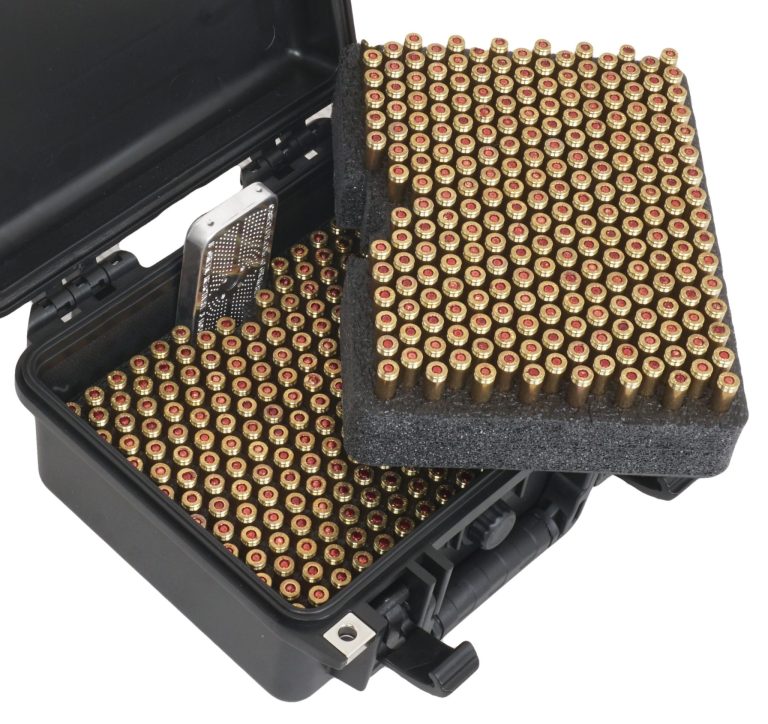
Ammo cans protect against moisture and physical damage. Use sealed metal or plastic containers with rubber gaskets. These keep air and water out. Label containers clearly for easy identification. Store ammo cans off the floor to prevent dampness.
Avoiding Exposure To Elements
Do not store ammo outdoors or in unprotected places. Rain, snow, and dirt harm cartridges. Avoid direct sunlight to prevent heat buildup. Keep ammo away from chemicals and solvents. Proper storage safeguards your investment and safety.
Testing And Maintaining Old Ammo
Testing and maintaining old .223 ammo is important for safety and performance. Ammo can last many years if stored well, but problems may develop over time. Regular checks help you know if your ammo is still good. These checks also prevent accidents and misfires.
Start by looking closely at the cartridges. Then, test fire a few rounds in a safe place. Finally, know the signs that mean it is time to dispose of the ammo. These steps keep you safe and your gun working well.
Visual Inspection
Look at each cartridge carefully. Check for rust, corrosion, or dents on the casing. Make sure the primer is not damaged or loose. Bullets should be firmly attached and not cracked. Any discoloration or powder leakage is a bad sign. If the ammo looks bad, do not use it.
Test Firing
Fire one round at a shooting range with safety gear. Watch how the gun reacts. If the bullet fires smoothly and hits the target, the ammo is likely fine. If there is a misfire, weak shot, or strange sound, stop using that ammo. Test a few rounds before trusting old ammo for important use.
When To Dispose
Throw away ammo that shows damage or fails test firing. Also dispose of ammo stored in poor conditions like damp or hot places. Old ammo with cracked casings or loose primers is unsafe. Take old ammo to a local shooting range or police station for safe disposal. Never burn or throw ammo in the trash.
Impact Of Ammo Age On Performance
The age of .223 ammo affects how well it performs. Over time, chemicals inside the cartridge change. This can change how the bullet flies and hits the target. Old ammo may not shoot as straight or as far as fresh ammo.
Ammo that sits for years can lose power. This loss can make shots less accurate. Understanding how age impacts your ammo helps you choose the best rounds for shooting.
Accuracy Changes
Old .223 ammo often shows less accuracy. The powder inside can clump or weaken. This causes inconsistent bullet speed and flight path. Your shots might scatter or miss the target more often. Clean and fresh ammo usually gives tighter groupings and better precision.
Reliability Concerns
Aged ammo may fail to fire or load properly. Corrosion can affect the casing and primer. This leads to misfires or jams in the gun. Using fresh ammo reduces the risk of these problems. Reliable ammo keeps your shooting experience smooth and safe.
Myths And Facts About Ammo Longevity
Ammo storage brings many questions about how long .223 ammo lasts. Myths and facts about ammo longevity often confuse gun owners. Knowing the truth helps keep your ammo safe and reliable.
Some say ammo stays good forever. Others claim it expires quickly. Let’s clear up these doubts with simple facts.
Is Ammo Shelf Life Unlimited?
No. Ammo does not last forever. Over time, gunpowder and primers can degrade. This can cause misfires or weak shots. Proper storage extends ammo life but does not make it last forever.
Does Ammo Expire Like Food?
Ammo does not spoil like food. It won’t smell bad or change color like expired milk. Instead, it loses reliability slowly. Moisture and heat speed up this process.
How Does Storage Affect Ammo Longevity?
Storage is key for ammo life. Keep ammo dry and cool. Use airtight containers with silica gel packs. Avoid extreme heat or humidity to prevent corrosion and damage.
Can Old Ammo Still Be Used Safely?
Old ammo can work but may be less reliable. Test old ammo in a safe place before use. If it misfires or looks damaged, do not use it. Safety is the top priority.
Frequently Asked Questions
How Long Does .223 Ammo Last Unopened?
Unopened. 223 ammo can last 5 to 10 years if stored properly. Keep it in a cool, dry place away from humidity and extreme temperatures for optimal shelf life.
Does Humidity Affect .223 Ammo Shelf Life?
Yes, humidity can cause corrosion and degrade. 223 ammo quality. Store ammo in airtight containers with desiccants to minimize moisture exposure and extend shelf life.
Can Expired .223 Ammo Still Be Used Safely?
Expired. 223 ammo may still fire but can be less reliable. Use caution and avoid critical situations; always inspect and test before use.
How Should I Store .223 Ammo For Longevity?
Store. 223 ammo in a cool, dry, dark place with stable temperatures. Use sealed containers with moisture absorbers to preserve quality and extend shelf life.
Conclusion
. 223 ammo lasts many years if stored right. Keep it dry and cool to stay safe. Avoid moisture and heat to protect the bullets. Old ammo may still work but can fail sometimes. Check your ammo regularly to spot damage early.
Proper storage helps your ammo stay reliable longer. Remember, safe handling is key for all firearms. Store ammo in sealed containers for best results. This simple care keeps your shooting ready anytime.