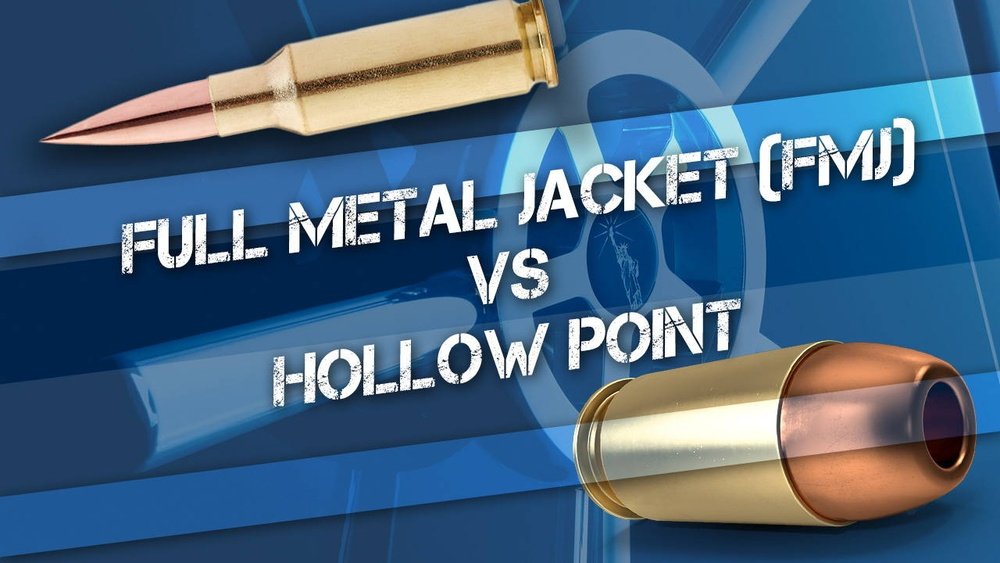
When it comes to choosing .223 ammo, you might find yourself stuck between FMJ and Hollow Point rounds. But what exactly sets these two apart?
Understanding the difference can make a big impact on your shooting experience, whether you’re at the range, hunting, or thinking about self-defense. You’ll discover the key features, benefits, and best uses for FMJ and Hollow Point. 223 ammo. By the end, you’ll feel confident picking the right ammo that fits your needs perfectly.
Keep reading to unlock the ammo secrets that could change the way you shoot.
Full Metal Jacket Ammo
Full Metal Jacket (FMJ) ammo is a popular type of bullet used in many firearms. It has a solid metal shell covering the core. This design helps the bullet keep its shape after firing. FMJ rounds are known for their reliability and consistent performance. They are often used for training and practice.
Design Features
FMJ bullets have a soft lead core inside a hard metal jacket. The jacket is usually made of copper or a copper alloy. This metal shell covers the entire bullet except the base. The design helps reduce barrel fouling and prevents the bullet from deforming.
Performance Characteristics
FMJ ammo offers deep penetration. The bullet stays intact on impact and travels through targets easily. It does not expand or break apart. This results in less stopping power compared to hollow points. FMJ rounds fly straight and maintain velocity well.
Common Uses
Many use FMJ ammo for target shooting and training. It is also popular for military and law enforcement practice. FMJ rounds are cheaper than hollow points. They are not ideal for self-defense due to limited stopping power.

Hollow Point Ammo
Hollow point ammo is popular for its unique design and specific uses. It differs from other bullets by having a hollowed-out tip. This small feature changes how the bullet behaves on impact. It is made to expand upon hitting a target.
This expansion helps transfer energy quickly. It can cause more damage inside the target compared to full metal jacket (FMJ) bullets. Hollow point ammo is often chosen for self-defense and hunting.
Design Features
The hollow tip creates space inside the bullet. This space allows the bullet to expand or “mushroom” on impact. The jacket around the bullet is usually thinner at the tip. This encourages controlled expansion.
Some hollow point bullets have small holes or petals to help the expansion. The design aims to slow the bullet inside the target. This reduces the chance of over-penetration and increases stopping power.
Performance Characteristics
Hollow point ammo expands on impact, creating a larger wound channel. It transfers energy faster to the target. This expansion reduces the risk of passing through the target and hitting something else. It offers better stopping power than FMJ rounds.
Its performance depends on the bullet’s design and velocity. Hollow points work best at moderate speeds. They may not expand well if they travel too slow or too fast. Proper expansion helps stop threats more effectively.
Common Uses
Hollow point ammo is widely used in self-defense. Law enforcement agencies often choose it for this reason. Hunters use hollow points to ensure quick, humane kills. It is suitable for small to medium game.
Target shooters rarely use hollow points due to higher cost. It is less common in military applications because over-penetration is sometimes preferred. Civilian users value hollow points for personal safety and hunting.
Ballistic Performance Comparison
Comparing ballistic performance helps understand how FMJ and hollow point .223 ammo behave. This affects shooting goals like target practice or self-defense. Each bullet type has traits that influence flight, impact, and effect on targets.
Examining accuracy, range, penetration, and expansion shows the key differences. This guides the best choice for different needs and situations.
Accuracy And Range
FMJ bullets usually fly straighter and farther. Their full metal jacket design keeps the bullet stable in flight. This makes them popular for long-range shooting and target practice. Hollow point bullets can be less stable. Their hollow tip changes air flow around the bullet. This often reduces range and accuracy. Hollow points work best at shorter distances where stopping power is needed.
Penetration And Expansion
FMJ bullets penetrate deeply. They keep their shape and pass through targets easily. This is good for shooting through barriers or tough materials. Hollow point bullets expand on impact. Their hollow tip opens up, creating a larger wound channel. This slows the bullet and reduces penetration. The expansion causes more damage to soft targets, making hollow points better for self-defense or hunting small game.
Legal And Practical Considerations
Choosing the right .223 ammo involves legal and practical factors. Different ammo types have rules and uses. Knowing these helps you pick ammo that fits your needs and follows the law. Understanding how each type performs is also important for safety and effectiveness.
Regulations On Ammo Types
Some places restrict hollow point ammo due to its design. Hollow points expand on impact, which can be illegal in certain areas. Full metal jacket (FMJ) rounds are often allowed for general use. Always check local laws before buying or carrying ammo.
Suitability For Self-defense
Hollow point ammo is better for self-defense. It stops threats quickly by expanding inside the target. FMJ rounds can pass through and cause less immediate damage. Choosing ammo that stops danger fast is crucial for safety.
Impact On Target
FMJ bullets keep their shape and penetrate deeply. They can go through targets, risking unintended damage. Hollow points expand and create larger wound channels. This reduces the chance of hitting something behind the target.
Choosing The Right Ammo
Choosing the right .223 ammo depends on your specific needs and conditions. Each type of bullet serves a unique role. Understanding these roles helps you pick the best option for your situation.
Purpose-based Selection
Full Metal Jacket (FMJ) rounds suit target practice and training. They fly straight and penetrate deeply. Hollow Point (HP) bullets expand on impact, causing more damage. HP ammo works well for self-defense and hunting. Choose ammo based on what you need to do.
Environmental Factors
Weather and terrain affect ammo performance. FMJ rounds handle windy or open areas better. Hollow Points may lose energy faster in tough conditions. Consider where you will shoot. Match ammo type to the environment for best results.
Cost And Availability
FMJ ammo is usually cheaper and easier to find. It suits frequent practice without high costs. Hollow Point rounds cost more due to design and purpose. Availability can vary by region. Balance your budget with your needs when buying ammo.

Frequently Asked Questions
What Is Fmj .223 Ammo Used For?
FMJ. 223 ammo is mainly used for target shooting and training. It features a full metal jacket that improves feeding reliability and reduces barrel wear. FMJ rounds penetrate targets deeply but cause less tissue damage compared to hollow points.
How Does Hollow Point .223 Ammo Work?
Hollow point. 223 ammo expands on impact, creating a larger wound channel. This expansion maximizes stopping power and reduces the risk of over-penetration. It’s commonly used for self-defense and hunting because it causes more damage to the target.
Which Ammo Is Better For Self-defense: Fmj Or Hollow Point?
Hollow point ammo is better for self-defense due to its expansion and stopping power. FMJ rounds penetrate more but may over-penetrate, risking collateral damage. Hollow points reduce this risk and cause greater damage to the threat.
Are Fmj And Hollow Point .223 Ammo Interchangeable?
Yes, FMJ and hollow point. 223 ammo can be used interchangeably in most rifles chambered for. 223. However, their performance and purpose differ. Choose FMJ for training and hollow points for defense or hunting scenarios.
Conclusion
FMJ and hollow point. 223 ammo serve different purposes. FMJ rounds are good for practice and target shooting. Hollow points expand on impact, causing more damage. Choosing depends on your need—accuracy or stopping power. Always follow local laws and safety rules.
Understanding these basics helps you pick the right ammo. Stay informed and shoot responsibly.