If you own .223 ammo and live in a humid climate, you know how tricky it can be to keep your rounds in good shape. Moisture can cause rust, corrosion, and even make your ammo unsafe to use.
But don’t worry—storing your. 223 ammo safely doesn’t have to be complicated. You’ll discover simple, practical tips that protect your ammo from humidity and keep it ready when you need it most. Keep reading to learn how to preserve your investment and ensure your ammo performs perfectly every time.

Risks Of Humidity On Ammo
Storing .223 ammo in humid climates brings certain risks. Moisture in the air can harm the ammunition in several ways. Understanding these risks helps keep your ammo safe and reliable. Protecting your ammo means avoiding problems that affect shooting performance.
Corrosion And Rust
Humidity causes metal parts of ammo to corrode and rust. The cartridge case and bullet can develop rust spots. Rust weakens the metal, making ammo unsafe to use. Corroded ammo may not feed properly in your firearm. Preventing moisture exposure reduces the chance of rust.
Powder Degradation
Gunpowder inside the cartridge absorbs moisture from humid air. Wet powder burns unevenly or may not ignite at all. This leads to poor bullet performance or misfires. Over time, damp powder loses its power. Keeping ammo dry preserves the powder’s quality and strength.
Primer Sensitivity
The primer is sensitive to humidity and can become less effective. Moisture can cause the primer to fail or misfire. A weak primer may not ignite the powder properly. This causes unreliable shots and potential safety risks. Storing ammo in low humidity keeps primers stable and ready.
Choosing The Right Storage Container
Choosing the right storage container is key to keeping .223 ammo safe in humid climates. Moisture damages ammo and causes rust. A good container stops air and water from reaching the bullets. This helps keep your ammo reliable and ready to use.
Several options work well for ammo storage. Each has benefits that protect against humidity. Understanding these choices helps you pick the best container for your needs.
Airtight Ammo Cans
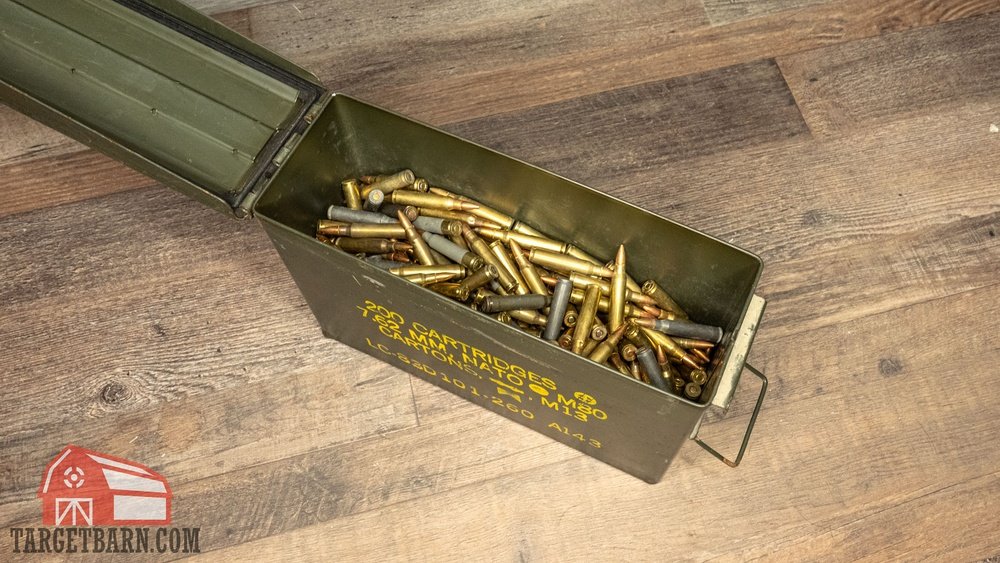
Airtight ammo cans are strong and durable. They seal tightly to block out moisture and dust. Most have rubber gaskets that create a secure seal. These cans are easy to stack and store. They keep ammo dry even in wet weather. Metal cans also protect ammo from physical damage.
Vacuum-sealed Bags
Vacuum-sealed bags remove air around the ammo. Without air, moisture cannot reach the bullets. These bags are lightweight and take up little space. They are great for long-term storage. Use a vacuum sealer to get the best result. Keep the sealed bags inside a sturdy container for extra protection.
Desiccant Packs
Desiccant packs absorb moisture inside storage containers. They reduce humidity and prevent rust. Silica gel packs are common and safe for ammo. Place several packs inside the container with your ammo. Check them regularly and replace when they lose effectiveness. Desiccants work best with airtight containers.
Controlling Moisture Levels
Controlling moisture levels is key to keeping .223 ammo safe in humid climates. Moisture causes rust and corrosion, which can damage ammo. Proper moisture control keeps your rounds dry and ready to use. Here are practical ways to manage moisture effectively.
Using Dehumidifiers
Dehumidifiers remove excess moisture from the air. They are useful in storage rooms or gun safes. A small electric dehumidifier fits well in tight spaces. It keeps humidity below 50%, the ideal level for ammo storage. Regularly check and empty the water reservoir to keep it working well.
Silica Gel And Other Absorbents
Silica gel packets absorb moisture from the air. Place several packets inside ammo containers or boxes. Replace them every few months for best results. Other absorbents like clay or activated charcoal also work well. These are cheap and easy solutions to keep ammo dry.
Temperature Regulation
Stable temperature helps control moisture buildup. Avoid storing ammo in places with extreme heat or cold. Fluctuating temperatures cause condensation inside storage containers. Keep ammo in a cool, dry spot to prevent moisture damage. Use insulated storage if needed to maintain steady temperatures.

Best Locations For Ammo Storage
Choosing the right place to store .223 ammo is very important, especially in humid climates. Proper storage protects your ammo from moisture and damage. It keeps the ammo reliable and safe for use. The location should stay dry and cool to stop rust and corrosion.
Cool And Dry Areas
Ammo lasts longer in cool and dry places. Heat and moisture cause metal parts to rust. A room with steady temperature works well. Avoid spots near windows or heating devices. A closet inside the house is a good example.
Avoiding Basements And Garages
Basements and garages often have high humidity. Water leaks and damp floors add moisture. These places can make ammo corrode fast. Mold and mildew grow easily in these areas. It is better to keep ammo away from basements and garages.
Elevated Storage Solutions
Keep ammo off the ground to avoid dampness. Use shelves or cabinets to raise ammo boxes. Elevation helps air flow under the storage. It reduces the risk of moisture damage. Small plastic bins with seals add extra protection.
Regular Inspection And Maintenance
Regular inspection and maintenance keep your .223 ammo safe in humid climates. Moisture causes rust and damage over time. Checking your ammo often helps catch problems early. Simple steps like replacing desiccants and rotating stock improve storage quality. These habits extend ammo life and ensure performance when needed.
Checking For Signs Of Rust
Look closely at each cartridge for rust spots or discoloration. Rust weakens the casing and can cause misfires. Use a bright light and a magnifier if needed. Clean any mild rust with a soft cloth and oil. Discard heavily rusted rounds to avoid safety risks.
Replacing Desiccants Periodically
Desiccants absorb moisture inside your ammo container. Over time, they lose effectiveness and hold water. Change desiccant packs every few months or after opening the container. Store new desiccants in airtight bags until use. This keeps humidity low and ammo dry.
Rotating Ammo Stock
Use older ammo first and move fresh rounds to the back. This rotation prevents ammo from sitting too long in humid conditions. Write dates on your containers to track age easily. Regular rotation reduces the risk of stale or damaged ammo.
Additional Safety Precautions
Taking extra safety steps protects your .223 ammo in humid areas. Moisture can cause damage and risk. Proper safety helps keep ammo reliable and secure. Focus on clear labeling, safe storage, and following laws.
Labeling And Organization
Label each ammo box with type and date stored. Clear labels help find ammo fast and avoid mix-ups. Organize ammo by batch or purchase date. This practice ensures older ammo gets used first. Good organization reduces handling and damage risk.
Fireproof Storage Options
Choose fireproof safes or containers for ammo storage. Fireproof storage protects ammo from heat damage and fires. Use containers with tight seals to block moisture. Keep ammo off cold floors to avoid condensation. These steps increase ammo safety in humid climates.
Legal And Safety Regulations
Know local laws about ammo storage limits and rules. Follow guidelines for safe amounts and storage locations. Store ammo away from children and unauthorized people. Check fire codes and regulations regularly. Compliance avoids fines and keeps your home safe.

Frequently Asked Questions
How To Prevent Moisture Damage To .223 Ammo?
Store. 223 ammo in airtight containers with desiccant packs. Use sealed plastic or metal ammo cans to block humidity. Keep ammo in a cool, dry place away from direct sunlight. Regularly check and replace desiccants to maintain dryness and prevent corrosion.
What Type Of Containers Work Best For Humid Climates?
Metal ammo cans with rubber seals are ideal for humid climates. Airtight plastic containers also work well when combined with desiccants. These containers protect ammo from moisture, dust, and pests, ensuring long-term preservation and reliable performance.
Can Silica Gel Help Store Ammo Safely?
Yes, silica gel is effective in absorbing moisture. Place silica gel packs inside ammo containers to reduce humidity. Replace them regularly to maintain their moisture-absorbing ability. This simple method helps prevent rust and corrosion on. 223 ammo.
Is Refrigeration A Good Storage Method For .223 Ammo?
Refrigeration is not recommended due to condensation risks when removing ammo. Sudden temperature changes can cause moisture buildup on cartridges. Instead, focus on airtight containers and desiccants to control humidity safely without temperature fluctuations.
Conclusion
Storing. 223 ammo safely in humid climates protects your investment. Use airtight containers to stop moisture damage. Add desiccant packs to absorb extra humidity. Keep ammo in cool, dry places away from sunlight. Check your storage regularly for signs of rust or corrosion.
Proper care helps ammo stay reliable and ready to use. Small steps make a big difference in ammo safety. Stay safe and keep your ammunition in top shape.