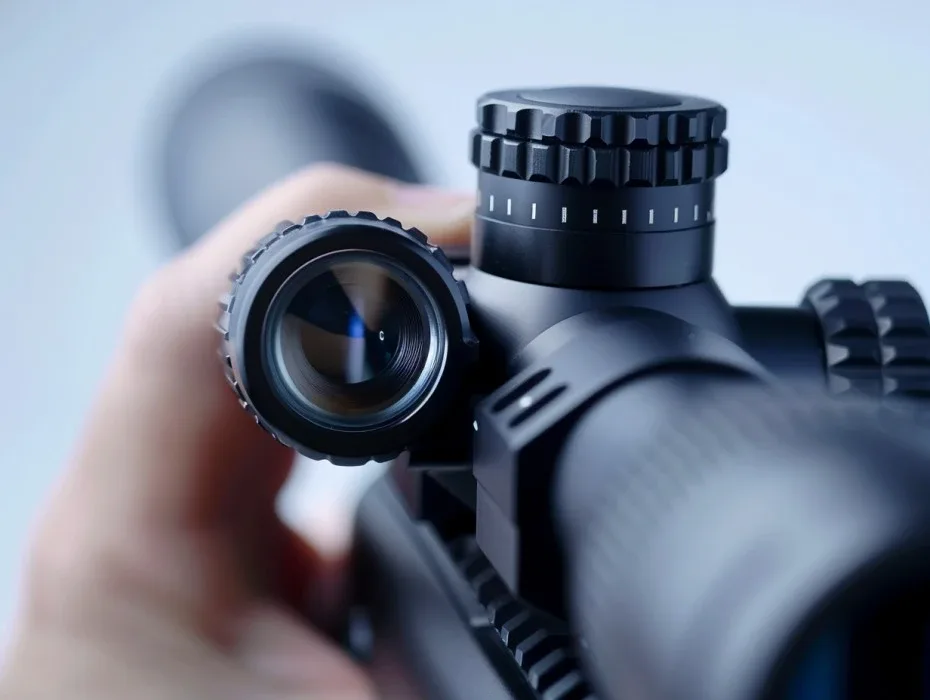
Image source: Web (Bing) / billingsoptics.com (Web image (fair-use with source credit))
What is the ideal magnification for target shooting? The honest answer is that no single number fits every shooter. It depends on your distance, your target size, and what rules your competition runs under.
Most precision rifle shooters land between 10x and 25x for matches at 200 to 600 yards.
A 50mm objective lens paired with 10x magnification produces a 5mm exit pupil. That's the brightness level most shooters need in daylight. The NRA High Power Rifle rules cap magnification at 25x for Palma-class competition.
Let's break down how to find your ideal power.
Quick Answer: There's No Single "Ideal" Magnification, But There Is a Formula
What is the ideal magnification for target shooting? It depends on your distance and competition rules. One useful formula: objective lens diameter divided by magnification equals exit pupil.
For daylight target shooting, aim for an exit pupil of 3mm or higher. Rimfire competition typically caps magnification at 6x.
Why Maximum Magnification Doesn't Always Win (and What Actually Limits Your Accuracy)
Here's the mistake most shooters make first. They buy a 5-25x scope thinking more zoom equals better accuracy. In practice, high magnification introduces problems that actively hurt your shooting.
Mirage is the number one killer. On a hot day at 20x or higher, heat shimmer over the target becomes impossible to ignore. Your crosshair bounces around like you're shooting through water.
Mirage management is a real skill, and it gets much harder at high magnification.
Your field of view shrinks too. At 25x, you see roughly 3 to 4 feet at 100 yards. At 10x, you see 8 to 10 feet.
A narrow FOV makes it harder to spot impacts and track follow-up shots. It also makes the scope feel cramped.
Exit pupil shrinks with magnification as well. A 50mm objective at 25x gives you a 2mm exit pupil. That's dark and tiring in overcast light.
Pair that same objective with 10x, and you get a 5mm exit pupil. Bright and comfortable.
The sweet spot for most target shooting is 8x to 16x magnification. It gives you enough zoom to read targets at 300 to 600 yards without the mirage, FOV, and brightness penalties of higher settings.
Magnification by Distance: What Each Shooting Range Actually Needs
The right magnification for your scope is tied directly to how far you're shooting and how big your targets are. Here's a practical breakdown by distance tier.
50 to 100 Yards
At these distances, magnification matters less than fundamentals. A 3-9x scope dialed to 6x to 8x works fine for rimfire steel and smallbore targets. Many rimfire competitions, including the Steel Challenge Shooting Association, cap magnification at 6x.
Don't overscope close targets. You'll spend more time fighting eye relief than shooting.
200 to 400 Yards
This is where variable magnification starts paying off. Most precision rifle shooters prefer 10x to 16x for this range. At 10x, you can clearly see a 1 MOA target at 400 yards.
It's the most versatile setting for club matches and practice. A 4-16x scope shines here.
500 to 1000+ Yards
Long-range shooting demands more zoom. Most competitive long-range shooters use 16x to 25x for targets past 500 yards. Mirage becomes a real factor above 15x on hot days.
You'll also need reliable parallax adjustment and canted scope bases for elevation headroom. The Civilian Marksmanship Program publishes magnification rules for high-power rifle matches.
Side-by-Side: How 1-4x, 3-9x, 4-16x, and 5-25x Scope Ranges Compare
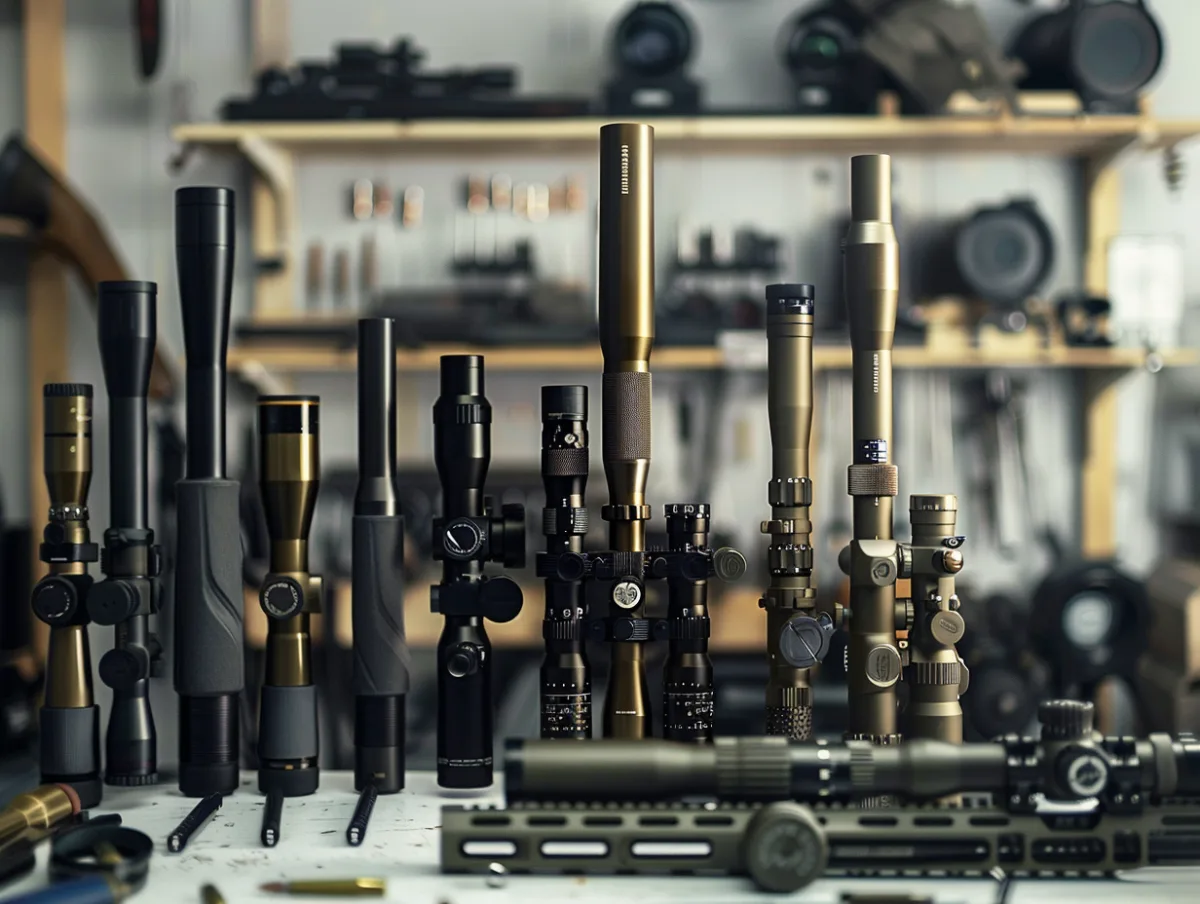
Image source: Bing (Web (fair-use with source credit))
Each magnification range fills a different role. Here's how the most common options stack up:
| Scope Range | Best For | FOV at 100 Yds | Exit Pupil (50mm Obj.) | Mirage Impact | Primary Discipline |
|---|---|---|---|---|---|
| 1-4x | Close-range LPVO work | Wide (30+ ft) | Very wide (12-16mm+) | Minimal | Action pistol, 3-gun |
| 3-9x | General-purpose shooting | Moderate (15-25 ft) | Wide (5.5-12.5mm) | Low | Club matches, hunting |
| 4-16x | Multi-distance precision | Moderate (8-18 ft) | Moderate (3-12.5mm) | Moderate at high end | PRS, precision rifle |
| 5-25x | Long-range precision | Narrow (3-10 ft) | Narrow (2-10mm) | High above 15x | Benchrest, F-Open |
The 1-4x range is a low-power variable optic (LPVO) best suited for close-range action shooting. It offers the widest field of view but can't read small targets past 200 yards.
The 3-9x is the classic general-purpose scope. It covers club matches and most practical situations. If you shoot at 100 to 300 yards, this range does everything you need.
The 4-16x is the most versatile choice for serious target shooting. Dial to 8x for wind calls. Bump to 14x to read impacts at 500 yards.
As of 2026, this range dominates PRS and general precision rifle competition.
The 5-25x is built for benchrest, F-Open, and extreme long-range work. It requires high-quality glass, a 34mm tube, and a stable shooting position to justify the magnification.
The Features That Make High Magnification Work (or Fail You)
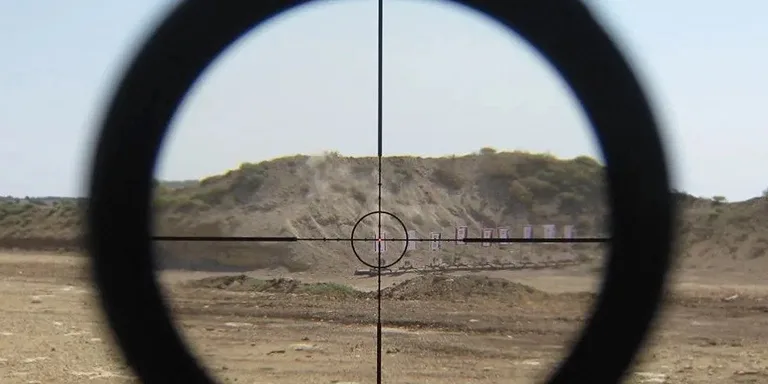
Image source: Bing (Web (fair-use with source credit))
High magnification is only useful if your optic handles it properly. Four features determine whether your zoom works or fights you.
Exit Pupil and Brightness
Exit pupil is objective lens diameter divided by magnification. A 50mm lens at 20x gives a 2.5mm exit pupil. That's workable in bright daylight but noticeably dim in overcast conditions.
For general target shooting, aim for at least a 3mm exit pupil at your working magnification.
Field of View and Eye Relief
Higher magnification narrows your field of view dramatically. At 20x, you might see only 3 to 4 feet at 100 yards. Eye relief stays constant, but a cramped FOV makes target acquisition slower.
Look for scopes with at least 3.5 inches of eye relief for comfortable shooting positions.
Parallax Adjustment and Mirage
Parallax error at high magnification causes your reticle to shift off-target if your eye position changes. Side parallax adjustment, often marked in yards, is essential for any scope above 10x. Mirage management becomes critical above 15x.
Wait for calm conditions or drop to lower magnification during heat.
FFP vs. SFP Reticles at High Zoom
First focal plane (FFP) reticles scale with magnification. Your holdovers and subtensions stay accurate at every setting. Second focal plane (SFP) reticles only measure correctly at one magnification, usually the highest.
For precision target shooting, FFP is the better choice when you shoot at varied distances.
Mistakes to Avoid When Picking Scope Magnification
Buying maximum magnification instead of usable magnification is the most common error. A 5-25x scope feels impressive on the shelf. At the range on a windy, mirage-heavy day, you'll wish you'd dialed lower.
Ignoring exit pupil is a close second. Shooters assume brighter glass solves the problem. It doesn't.
If your magnification crushes the exit pupil below 2mm, no amount of glass quality fixes the dim image.
Buying for one distance only creates a trap. Pick a scope that covers your realistic shooting range, not the once-a-year long-range session. A 4-16x handles both scenarios.
Parallax oversight matters more at high magnification than most beginners realize. If your parallax dial isn't set for your target distance, you'll get subtle reticle shifts that ruin precision. Always dial parallax to match your shooting distance.
Also avoid choosing magnification without checking your competition rules. The International Shooting Sport Federation and domestic governing bodies publish specific limits per discipline. Shoot a 6x-capped rimfire match with a 14x scope, and you're disqualified.
Frequently Asked Questions
What magnification do I need for 100-yard target shooting?
Most shooters do well with 6x to 10x for 100-yard targets. At that distance, a 1 MOA target subtends about one inch through the scope at 10x. Higher magnification doesn't improve accuracy here.
Focus on fundamentals instead.
Is 25x too much for target shooting?
For most club and practical shooting, yes. At 25x, mirage, narrow field of view, and a small exit pupil make shooting harder. It's useful for benchrest and F-Open classes where distances run 200 to 600 yards.
Otherwise, 10x to 16x covers nearly everything.
Should I buy a fixed magnification or variable scope?
Variable magnification scopes give you flexibility across distances. Fixed magnification scopes, like a 10x or 15x, offer simpler mechanics and often sharper glass at a given price point. For target shooting with varied distances, a variable scope like 4-16x is the more practical choice.
What does exit pupil have to do with magnification?
Exit pupil equals your objective lens diameter divided by magnification. A 50mm lens at 10x gives a 5mm exit pupil. At 25x, that same lens drops to 2mm.
Higher magnification shrinks the pupil, which darkens the image in low light.
Does first focal plane or second focal plane matter for target shooting?
FFP scopes scale their reticle with magnification, so holdovers stay accurate at every setting. SFP reticles only measure correctly at one magnification level. If you shoot at multiple distances with the same scope, FFP is the better choice for precision work.
Final Recommendation: How to Choose the Right Magnification for Your Shooting
Match magnification to your longest realistic shooting distance, then add margin. If you regularly shoot at 300 yards, a 4-16x scope gives you room to grow. If your discipline caps magnification, stay within the rule.
Prioritize exit pupil over zoom power. A 3-9x scope with a 50mm objective gives you a 5mm+ exit pupil at working magnification. That's comfortable to shoot through for hours.
| Shooting Distance | Recommended Magnification | Suggested Scope Range |
|---|---|---|
| 50 to 100 yards | 4x to 8x | 3-9x or 1-6x LPVO |
| 200 to 400 yards | 8x to 14x | 4-16x |
| 500 to 1000+ yards | 14x to 25x | 5-25x with canted rail |
Buy for your realistic shooting. Most target shooters get the best results from a 4-16x or 5-25x scope dialed to 10x to 16x. That's where magnification adds precision without punishing your accuracy.




