What is rifle scope objective lens size? In short, it's the diameter of the front glass on your scope, measured in millimeters. That number determines how much light your optic collects, how bright the image appears, and how high the scope sits on your rifle.
Scopes come with objectives from 24mm to 56mm. Per published manufacturer specs, going from a 40mm to a 50mm objective shifts both twilight brightness and mounting height noticeably. Here's what each size really does.
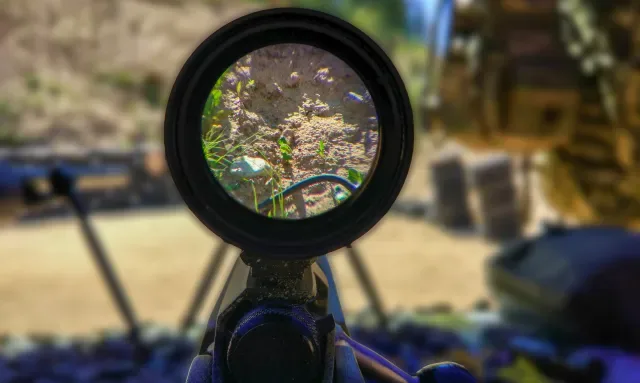
Image source: Web (Bing) / billingsoptics.com (Web image (fair-use with source credit))
Quick Answer: What Rifle Scope Objective Lens Size Means
Rifle scope objective lens size is the diameter of the front lens, measured in millimeters. Most scopes run between 24mm and 56mm. Larger objectives gather more light for a brighter image, especially at lower magnification.
But objective size alone doesn't determine performance.
Exit pupil is the number that matters most. It's your objective diameter divided by your current magnification. A 50mm objective at 5x delivers a 10mm exit pupil.
But your eye only accepts about 7mm in daylight.
Push that same scope to 10x and the exit pupil drops to 5mm. So the extra objective diameter stops helping once magnification climbs. Brands like Vortex Optics publish exit pupil calculations on their spec pages to help buyers connect the dots.
For most hunters as of 2026, the practical sweet spot sits at a 40mm to 50mm objective paired with a 3-9x magnification range. That balance gives enough light gathering without excessive weight or height.
How Objective Lens Diameter Shapes What You See Through Your Scope
The objective lens is your scope's main light collector. Its diameter directly controls how much ambient light enters the optical system. Bigger glass means more photons reach your eye, producing a brighter image at dawn, dusk, and under overcast skies.
But that brightness gets filtered by magnification. The exit pupil formula is simple. Divide your objective diameter by your magnification.
A 40mm objective at 8x produces a 5mm exit pupil. At 2x, the same objective produces 20mm, but your eye caps out at roughly 7mm.
Manufacturers also use a twilight factor to rank low-light performance. It's the square root of objective diameter multiplied by magnification. Higher twilight factors mean better detail in dim light.
But glass quality and coatings matter just as much as diameter.
Here's the takeaway. A large objective helps most when you're shooting at lower magnification. At higher magnifications, exit pupil shrinks fast and the extra objective diameter stops delivering brightness benefits.
Side-by-Side Comparison: Common Objective Sizes From 24mm to 56mm

Image source: Web (Bing) / targettamers.com (Web image (fair-use with source credit))
| Objective Size | Typical Use | Light Gathering | Weight Impact |
|---|---|---|---|
| 24mm to 32mm | LPVO (Low Power Variable Optic), rimfire, close-range | Low | Minimal |
| 36mm to 40mm | General hunting, mid-range | Good | Moderate |
| 44mm to 50mm | Low-light hunting, predator | Very good | Noticeable |
| 56mm | Long-range precision | Best | Significant |
The weight gap is real. An LPVO with a 24mm objective typically weighs 8 to 12 ounces total. A 56mm objective on a 4-16x scope can push past 24 ounces.
That difference matters on a long hunt or when shooting from unsupported positions.
Mounting height follows the same trend. Larger objectives need taller rings to clear your rifle's barrel or handguard. As of 2026, most mainstream hunting scopes cluster in the 36mm to 50mm range.
Anything beyond 50mm serves a narrow audience of long-range shooters who prioritize magnification over portability.
Which Objective Size Fits Your Shooting Scenario
If you're hunting at dawn or dusk where every lumen counts, choose a 40mm to 50mm objective. Pair it with a 3-9x or 4-12x magnification range for the best balance of light gathering and practical weight.
If you're running an LPVO on an AR platform, stick with 24mm to 30mm. Speed matters more than light gathering in those scenarios. The lower profile also helps with mounting on flat-top rails and reduces snag risk in brush.
If you're focused on long-range precision, a 44mm to 56mm objective makes sense. Higher magnification ranges (15x and above) benefit most from the extra light a larger objective provides.
If weight and carry comfort matter most, like on backcountry hunts or mobile setups, a 32mm to 36mm objective keeps things light without a serious brightness penalty at moderate magnification.
Ask yourself three questions before choosing. What time of day will you shoot most? How far do your shots typically reach?
How much weight can you carry comfortably? Per industry guidance from the National Shooting Sports Foundation, most hunters shoot within 200 yards in variable light conditions, which makes the 40mm to 50mm range the safest bet for beginners.
Common Mistakes to Avoid When Choosing Objective Lens Size
Picking the biggest objective available. A 56mm objective on a 3-9x scope adds weight and mounting height without meaningful brightness gains. You're paying for glass you won't benefit from at higher magnifications.
Confusing objective size with tube diameter. The objective lens diameter measures the front glass. The tube diameter (1 inch, 30mm, or 34mm) affects turret size and mechanical robustness.
They're separate specs that solve different problems.
Ignoring mounting clearance. Large objective bells need taller scope rings to avoid contact with your rifle's barrel or handguard. Always check your ring height math before purchasing a scope.
Overlooking glass quality and coatings. A 40mm objective with premium ED glass and fully multi-coated lenses outperforms a 56mm objective with standard glass in real-world low-light situations. Glass type often matters more than raw diameter.
Skipping the low-light test. Specs on paper can't fully predict real-world brightness. If possible, view a scope in actual dawn or dusk conditions before committing to a purchase.
Also check that eye relief feels comfortable at your maximum magnification.
How to Calculate Exit Pupil and Check Mounting Clearance for Your New Scope
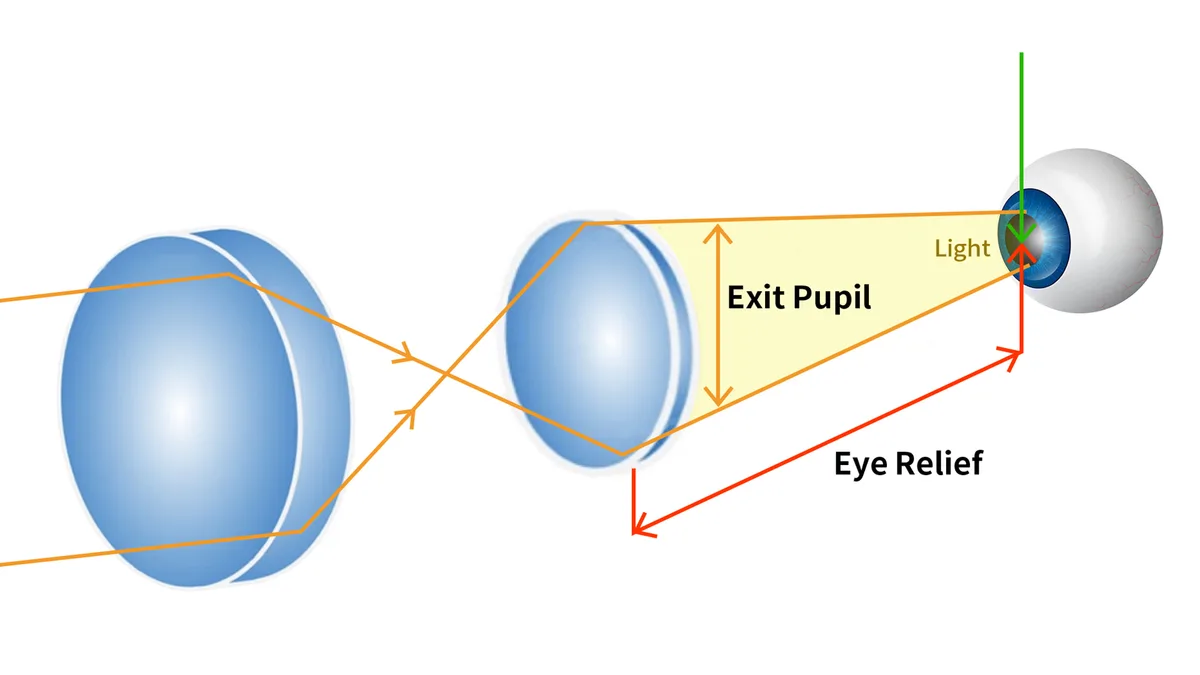
Image source: Web (Bing) / focuhunteroptics.com (Web image (fair-use with source credit))
Exit pupil tells you how much light actually reaches your eye at any given magnification. The formula is simple. Divide your objective diameter by the magnification you're shooting at.
| Objective | 3x Magnification | 9x Magnification | 16x Magnification |
|---|---|---|---|
| 40mm | 13.3mm | 4.4mm | 2.5mm |
| 50mm | 16.7mm | 5.6mm | 3.1mm |
| 56mm | 18.7mm | 6.2mm | 3.5mm |
Your eye can only accept about 7mm in daylight. So numbers above 7mm mean the objective is gathering more light than your pupil can use. That's wasted diameter at that magnification level.
At low magnification, a larger objective genuinely helps. At 3x with a 50mm objective, you get a 5.6mm exit pupil, which your eye fully accepts. Push to 16x and even a 56mm objective gives you only 3.5mm.
The brightness advantage shrinks fast.
Now for mounting clearance. Large objective bells sit wider than your tube diameter. A 50mm objective on a 30mm tube creates an outer diameter around 57mm to 58mm at the bell.
You'll need higher mounting rings to clear your rifle's rail or handguard.
Measure the distance from your rifle's bore center to the top of your rail or handguard. Compare that to your chosen ring height. Many scope manufacturers publish bell diameter specs on their product pages to make this math easier.
Frequently Asked Questions About Rifle Scope Objective Lens Size
What is the most common objective lens size for hunting scopes?
Most hunting scopes use a 40mm to 50mm objective. This range gives solid low-light performance without excessive weight. Brands like Leupold, Vortex, and Bushnell center most of their popular hunting lines around 36mm to 50mm objectives as of 2026.
Does a larger objective lens always mean a brighter image?
No. Brightness depends on objective diameter, magnification, glass quality, and lens coatings together. A larger objective helps most at lower magnifications.
At higher magnifications, exit pupil shrinks and the brightness benefit drops off.
What's the difference between objective lens size and tube diameter?
Objective lens size measures the front glass diameter. Tube diameter measures the main body of the scope. They solve different problems.
The objective affects light gathering. The tube diameter affects turret adjustment range and mechanical strength.
Can I mount a 50mm objective scope on any rifle?
You can, but you'll likely need higher mounting rings to maintain clearance over your barrel or handguard. Check the distance between your rifle's bore line and the top of your rail or handguard before buying rings.
What exit pupil is ideal for daytime shooting?
A 2mm to 4mm exit pupil works well in bright daylight. Anything larger becomes harder to use because your pupil constricts in bright light. For low-light conditions, 4mm to 7mm is the better target range.
Do more expensive scopes always have larger objectives?
Not necessarily. Premium glass and coatings make a bigger difference than raw objective size. A 40mm scope with ED glass and fully multi-coated lenses outperforms a 56mm scope with cheaper optics in most real-world situations.
Final Verdict: Picking the Right Objective Lens Size for Your Rifle and Mission
For most shooters, a 40mm to 50mm objective paired with a 3-9x or 4-12x magnification range hits the sweet spot. It balances low-light performance, manageable weight, and practical mounting height.
If you're shooting LPVO scenarios or running an AR platform, stay in the 24mm to 30mm range. Speed and profile matter more than light gathering in those situations.
If you're serious about long-range precision, go 44mm to 56mm. Just make sure your magnification range justifies the extra glass and weight. A high objective only pays off when you're actually shooting at high magnification.
Start with your use case, then work backward to the objective size. Magnification range, mounting height, eye relief, and weight budget all matter as much as raw light gathering. Pick the objective size that fits your real shooting conditions, not the biggest number on the box.




