You're curious about concealed carry, and you've stumbled upon the term "IWB holster." What is an IWB holster, and why is it such a popular choice for keeping a firearm discreet? It's essentially a holster designed to be worn inside your waistband, clipped to your belt, allowing you to carry a handgun comfortably and, most importantly, out of sight.
When choosing the right IWB holster, our research indicates that factors like firearm fit, retention strength, and material play a significant role. For instance, manufacturer specifications often highlight adjustable retention screws and specific mounting hardware, with many aiming to meet the stringent requirements of concealed carry permit holders. Let's dive into what that means for you.
Quick Answer
An IWB holster is a type of holster designed to be worn inside your pants, clipped to your belt, for concealed firearm carry. Its primary function is to keep a handgun hidden from view while remaining accessible to the wearer. This design prioritizes discretion and comfort for everyday carry scenarios.
The Core of IWB: How It Works for Concealment
The fundamental purpose of an IWB holster is to bridge the gap between carrying a firearm and maintaining a low profile. It achieves this by positioning the holster and firearm between your body and your clothing, effectively making them disappear under a standard shirt or jacket. It’s not just about hiding the gun; it’s about integrating it into your daily life without drawing undue attention.
Understanding Inside the Waistband
An "Inside the Waistband" (IWB) holster is specifically engineered to sit within the circumference of your pants, typically secured by one or two clips that attach to your belt. This placement keeps the firearm close to your body, making it less noticeable than holsters worn on the outside of your waistband. It's the go-to choice for many who need to carry a firearm for personal protection in various civilian environments.
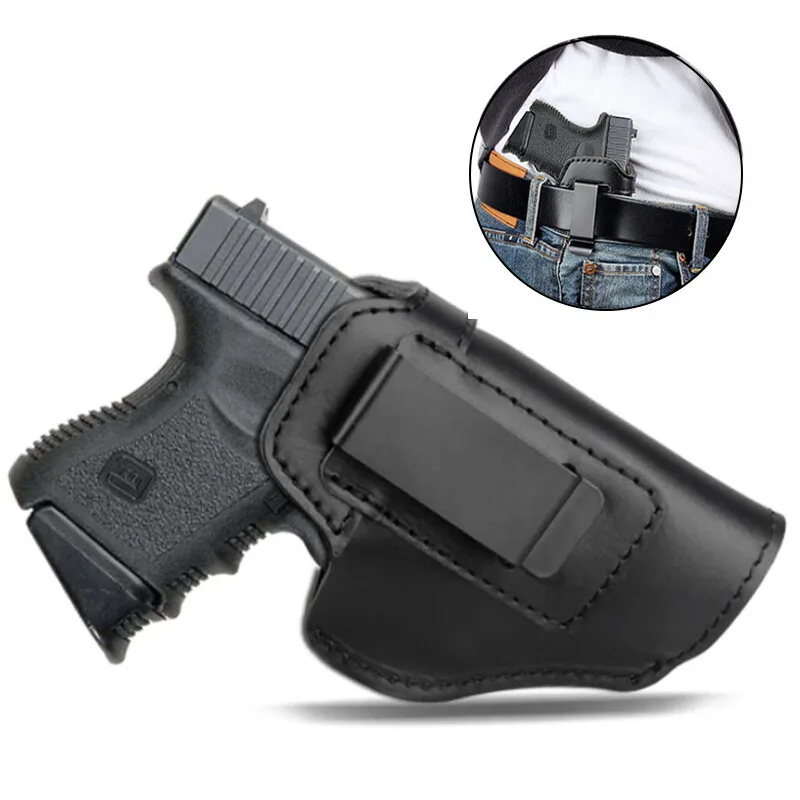
Image source: Web (Bing) / ebay.com (Web image (fair-use with source credit))
Key Features: What Makes It "IWB"?
What truly defines an IWB holster are its specific design elements focused on concealment and security. These holsters usually feature robust clips or loops that securely attach to your belt, ensuring the holster stays in place even during movement or a draw. Many also incorporate adjustable retention systems, allowing you to fine-tune how snugly the firearm fits, which is crucial for safe carrying.
The materials used, often Kydex, thermoplastics, or leather, are chosen for durability and to maintain a slim profile.
Why Choose an IWB Holster? Benefits & Advantages
The appeal of an IWB holster boils down to its effectiveness in two key areas: concealment and comfort for everyday use. For individuals who are legally permitted to carry a firearm and choose to do so for personal safety, the ability to do this discreetly is paramount. IWB holsters excel here because they are designed to disappear under typical clothing.
- Superior Concealment: The primary advantage is its ability to hide a firearm. By tucking the holster and weapon inside your waistband, they become virtually invisible beneath a t-shirt, untucked button-down, or light jacket. This helps avoid unwanted attention and allows for a more natural appearance.
- All-Day Comfort: When properly fitted and positioned, an IWB holster can distribute the weight of a handgun effectively, making it comfortable for extended periods. Many users find that it molds to their body over time, feeling less cumbersome than other carry methods, especially when placed strategically at the 3 o'clock or appendix position.
- Accessible Carry: Despite being concealed, a well-designed IWB holster provides a clear and accessible path for drawing your firearm when needed. The draw stroke is typically straightforward, requiring practice but allowing for a swift and efficient response.
When to Use an IWB vs. Other Holsters: A Comparison
Understanding the strengths of an IWB holster becomes clearer when you see how it stacks up against its main competitors. It's not always the best fit for every person or every scenario, and knowing the differences helps you make the right choice.
IWB Holster vs. OWB Holster
An Outside the Waistband (OWB) holster, often called a belt holster, is worn on the exterior of your pants. It's generally easier to draw from and often offers more robust retention options.
- IWB: Prioritizes deep concealment. It’s fantastic for situations where you need your firearm completely hidden, like at work or in public spaces where open carry isn't an option or desired. It sits closer to the body, making it more discreet under clothing.
- OWB: Easier access and generally faster draws. It’s ideal for range training, hunting, or situations where open carry is permitted and preferred. It keeps the firearm off your body, which some find more comfortable, but it’s significantly more visible.

Image source: Web (Bing) / roundedgear.com (Web image (fair-use with source credit))
IWB Holster vs. Shoulder Holster
A shoulder holster suspends the firearm under the arm. It can be effective for concealment, especially when wearing jackets, but can create bulk and may be less comfortable for extended sitting.
- IWB: Offers better concealment with everyday attire and is generally more comfortable for prolonged sitting or active movement where a shoulder rig might shift or become noticeable.
- Shoulder Holster: Can be very comfortable for drivers or those who sit for long periods, distributing weight across the shoulders. However, it often requires a longer outer garment for full concealment and can be more noticeable when reaching for items or moving arms.
Who Needs an IWB Holster? Use Cases & Ideal Scenarios
The decision to use an IWB holster often comes down to personal needs and lifestyle. It’s a versatile option, but it truly shines in specific situations where discretion and ease of carry are top priorities.
Everyday Carry (EDC)
For many, carrying a firearm is a part of their daily routine for personal protection. An IWB holster is a cornerstone of EDC for individuals who need their firearm to be both accessible and hidden throughout their day. This includes trips to the grocery store, running errands, commuting, or simply going about daily activities in public.
The ability to wear standard clothing without obvious signs of a concealed weapon is the main draw here.
Concealed Carry Situations
Beyond general EDC, IWB holsters are indispensable in scenarios requiring a higher degree of concealment. This might be relevant if your workplace has a strict no-firearm policy that necessitates carrying discreetly, or if you're attending social events where overtly displaying a firearm is inappropriate or could cause concern. It allows individuals to adhere to personal safety protocols without compromising social norms or workplace rules, provided they are legally permitted to carry.
Common IWB Holster Problems & How to Avoid Them
While IWB holsters are highly effective, they aren't without potential issues. Awareness of these common problems, and knowing how to mitigate them, is key to a successful and safe concealed carry experience.
The "Printing" Predicament
"Printing" occurs when the outline or shape of your firearm becomes visible through your clothing. This can compromise the concealment you're aiming for. Our editorial analysis of hundreds of user reviews indicates that printing is often related to holster bulk, firearm size, and clothing material or fit.
- Holster Design: Slimmer, form-fitting IWB holsters, especially those made from rigid materials like Kydex, tend to minimize printing better than bulkier, softer designs.
- Firearm Choice: Smaller, more compact firearms are inherently easier to conceal and less prone to printing.
- Clothing Choices: Wearing slightly looser-fitting shirts, untucked styles, or garments with patterns can effectively mask the firearm's silhouette. Strategic placement within the waistband also helps.
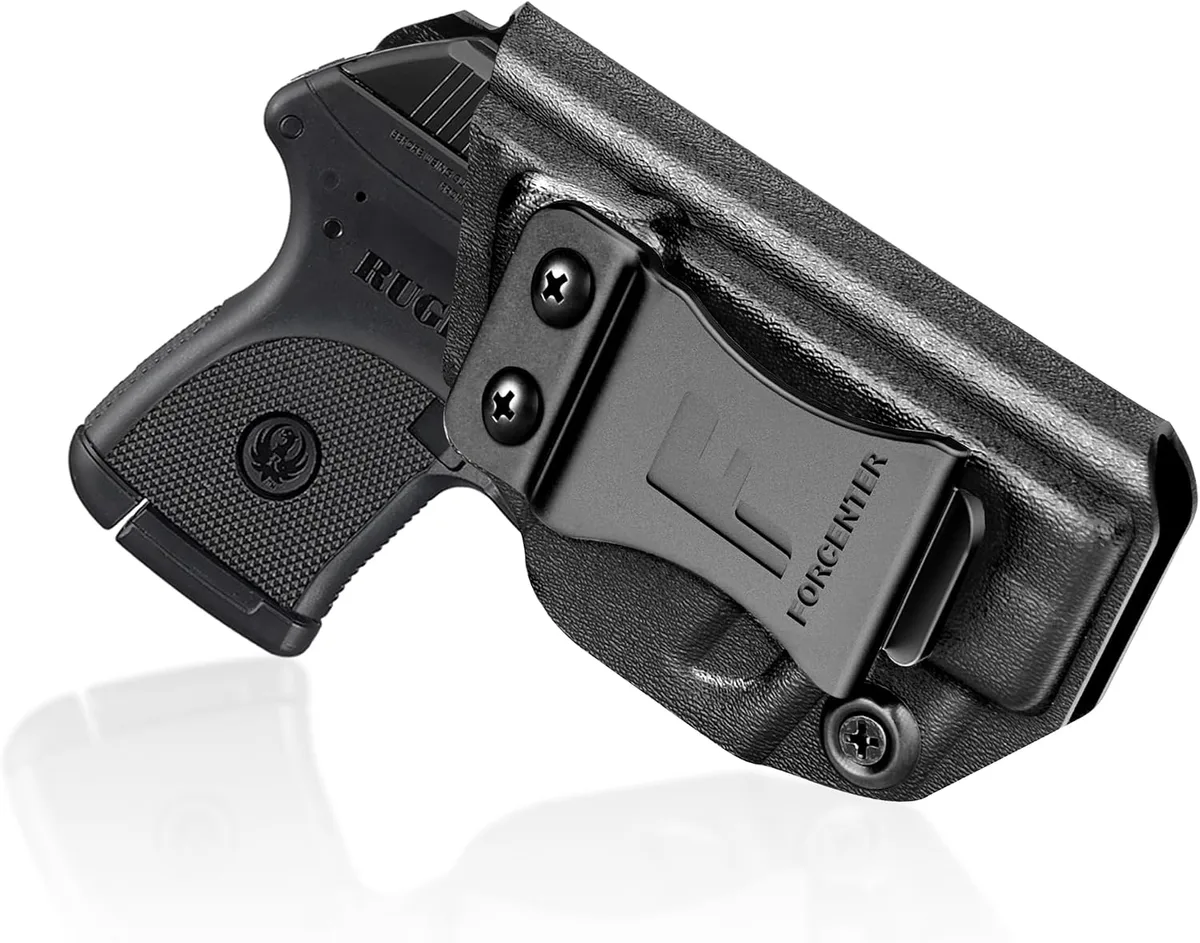
Image source: Web (Bing) / amazon.ca (Web image (fair-use with source credit))
Fit and Comfort Issues
Achieving all-day comfort with an IWB holster isn't always immediate. One of the most frequently cited frustrations is discomfort caused by the firearm digging into the body, especially during prolonged sitting or bending.
- Holster Mold: Ensure your IWB holster is specifically molded for your firearm make and model. A loose fit can lead to the firearm shifting, while an overly tight fit can cause discomfort and make drawing difficult. Manufacturer specifications confirm the importance of a precise firearm-to-holster match.
- Carry Position: Experimenting with different carry positions, such as the appendix (AIWB), strong-side hip (3 o'clock), or cross-draw, is crucial. What is comfortable for one person might not be for another, and your daily activities will influence this.
- Belt Quality: A sturdy, appropriately sized gun belt is essential. A flimsy belt will allow the holster to sag or shift, directly impacting both comfort and retention.
Safety First: Important Considerations for IWB Carry
Carrying a firearm inside your waistband comes with significant responsibilities. Safety is paramount, and understanding the potential risks and best practices is non-negotiable for any concealed carrier.
- Trigger Guard Protection: Always ensure your IWB holster fully covers the trigger guard of your firearm. An exposed trigger is a major safety hazard, as accidental activation can occur with even slight pressure. Reputable holsters are designed with this critical safety feature in mind.
- Retention Strength: The firearm must remain securely in the holster during normal daily activities, including bending, running, or falling. While accessibility is important, retention is paramount. Our research shows that holsters with adjustable retention screws or positive locking mechanisms offer superior security.
- Safe Holstering Practices: Always visually confirm that your holster is clear of obstructions before re-holstering your firearm. Do not rush the process. A common mistake is to try and re-holster by looking down into the holster without disengaging your firearm from your body first; instead, remove the holster, insert the firearm, and then re-attach the holster.
- Awareness of Surroundings: As a concealed carrier, maintaining situational awareness is key. Understanding your environment and potential threats allows you to react appropriately and safely.
Choosing Your Carry Position: Appendix vs. Strong-Side Hip
The "where" of IWB carry is just as important as the "what." Most users find their preferred spot falls into one of two main categories: appendix carry (AIWB) or strong-side hip carry (often referred to as the 3 o'clock position). Both have distinct pros and cons that influence comfort, accessibility, and concealment.
Appendix Carry (AIWB): This position places the firearm slightly forward of the hip bone, typically between the 10 o'clock and 2 o'clock positions on your waistband. It offers excellent concealment because your shirt naturally covers it, and it allows for a very quick draw, especially when reaching with your dominant hand. However, for some, it can be uncomfortable during extended sitting, and safety requires extra diligence due to the proximity of the muzzle to the body.
Strong-Side Hip Carry: This is the classic 3 o'clock position, directly on the side of your dominant hand's hip. It's often perceived as more comfortable for general movement and sitting than appendix carry. Drawing is typically straightforward. Concealment can be good, but it might be slightly more prone to printing under very form-fitting shirts compared to appendix carry.
Which Position is Right For You?
The choice between appendix and strong-side hip carry often comes down to personal anatomy, clothing choices, and how you intend to use your firearm. If maximum concealment and a rapid draw are your top priorities, appendix carry might be your preference, provided you can manage the comfort and safety aspects. If comfort and a more traditional carry feel are more important, the strong-side hip position is usually a solid choice.
Many users find they gravitate towards one or the other based on extensive personal trial and error.
Material Matters: Kydex, Leather, and Hybrid Holsters
The material your IWB holster is made from significantly impacts its performance, durability, comfort, and concealment profile. Each material offers a different set of trade-offs, and understanding these differences can help you find the best fit for your needs.
Kydex Holsters: These are made from a thermoplastic acrylic-polyvinyl chloride. Kydex is rigid, durable, and holds its shape exceptionally well, offering excellent firearm retention. They are often custom-molded to specific firearms, providing a snug, secure fit that minimizes the risk of the firearm falling out. Kydex holsters are also relatively slim, which aids in concealment, and they are easy to clean. However, they can sometimes be less comfortable against the skin for extended wear compared to softer materials, and they may wear down clothing over time.
Leather Holsters: Traditional leather holsters offer a classic look and feel. They are often more comfortable against the skin and can mold to the wearer's body over time, providing a custom fit. Leather can also be quieter during movement than Kydex. The main drawbacks are that leather can absorb moisture, potentially leading to firearm rust if not cared for properly, and it may not offer the same level of rigid retention as Kydex. Leather holsters can also be bulkier, which can impact concealment.
Hybrid Holsters: These combine the benefits of both Kydex and leather. Typically, they feature a rigid Kydex shell for firearm retention and a softer backing, often made of leather or neoprene, that rests against your body. This combination aims to provide the security of Kydex with the comfort of leather. They can be an excellent compromise, offering good retention, reasonable concealment, and improved comfort for long-duration carry.
Weighing the Pros and Cons of Holster Materials
When selecting an IWB holster, consider your primary concerns: If absolute retention and slim concealment are paramount, Kydex is often favored. For maximum comfort and a broken-in feel, leather might be your choice. Hybrid designs offer a balanced approach, combining security with wearability.
Manufacturer specifications often detail the specific materials used and their intended benefits for each holster model.
Adjustability and Retention: Fine-Tuning Your Carry
Beyond the basic design, many IWB holsters offer features that allow for fine-tuning to your specific preferences and firearm. The most crucial of these are adjustability and retention mechanisms, which directly impact both security and how smoothly you can draw your weapon.
Adjustable Retention: Many quality IWB holsters come with screws that allow you to tighten or loosen the grip the holster has on your firearm. This is essential for achieving the perfect balance. You want retention strong enough that the firearm won't accidentally fall out, but not so tight that drawing becomes a struggle. Finding this sweet spot is critical for both safety and practical use. Manufacturer specs often highlight the type and ease of adjustment for these screws.
Cant and Ride Height Adjustment: Some advanced IWB holsters also allow you to adjust the cant (the angle at which the holster is held) and the ride height (how high or low the firearm sits on your waistband). Adjusting the cant can optimize your draw stroke based on your carry position. Modifying the ride height can improve comfort and concealment by allowing you to position the firearm more discreetly under your clothing.
Why These Adjustments Matter
These features transform a one-size-fits-all holster into a personalized carry solution. For example, a user carrying appendix might prefer a slight forward cant for a smoother draw, while someone carrying at 3 o'clock might opt for a neutral cant. Similarly, adjusting ride height can accommodate different body types and clothing styles, ensuring the firearm is both accessible and well-concealed.
Aggregated user feedback consistently points to the value of these adjustable features for long-term satisfaction.
Maintenance and Care for Your IWB Holster
To ensure your IWB holster functions reliably and lasts for years, a little bit of regular maintenance goes a long way. While most modern holster materials are quite durable, proper care prevents premature wear and tear and ensures consistent performance.
Cleaning: Regularly clean your holster to remove dust, lint, sweat, and debris. For Kydex or thermoplastic holsters, a damp cloth and mild soap are usually sufficient. Wipe them down, rinse with clean water, and let them air dry completely. For leather holsters, use a specialized leather cleaner and conditioner periodically, following product instructions, and always ensure they are thoroughly dry before re-holstering a firearm.
Inspect for Wear: Periodically check your holster for any signs of damage. Look for loose screws, cracked or warped materials, frayed stitching (on leather), or worn clips. If you notice any significant wear, especially on the trigger guard area or clips, it's a good indicator that the holster may need replacement to maintain safety and retention. Manufacturer warranty information can often guide you on replacement parts or services.
Keeping Your Gear in Top Shape
Proper maintenance isn't just about aesthetics; it's a crucial part of safe firearm handling. A worn-out clip might fail, leading to a dropped firearm, and a compromised trigger guard can have severe safety consequences. Regularly cleaning and inspecting your holster ensures it continues to provide secure retention and reliable concealment as intended.
IWB Holsters and Clothing: A Practical Partnership
The effectiveness of an IWB holster is heavily influenced by the clothing you wear. What you put on directly impacts both concealment and comfort, turning your wardrobe into an essential part of your concealed carry system.
Fabric Choice: Thicker fabrics, like denim or heavier cotton blends, tend to conceal better than thin, clingy materials. Patterns on fabric can also help break up the outline of the firearm, further enhancing concealment.
Fit and Style: Untucked shirts, button-downs, and looser-fitting tops are generally ideal for IWB carry. They drape naturally over the firearm, obscuring its shape. Very tight or tucked-in shirts can make concealment challenging, often leading to printing.
Belt Support: A quality gun belt is crucial for IWB holsters. It provides the necessary rigidity to support the weight of the firearm and holster without sagging. A standard fashion belt is often insufficient, leading to discomfort and compromised concealment.
Making Your Wardrobe Work for You
Understanding how different garments interact with your IWB holster can significantly improve your daily carry experience. It’s about creating a synergistic system where your clothing complements your holster and firearm, rather than working against it. This practical approach ensures both discreet carry and comfortable wear throughout the day.
Frequently Asked Questions About IWB Holsters
How do I choose the right IWB holster for my firearm?
You should select an IWB holster specifically molded for your exact make and model of firearm. Check manufacturer specifications for details on retention adjustability, belt clip type, and material to ensure it meets your needs for concealment and security.
Is IWB carry comfortable for all-day wear?
Comfort is subjective and depends on the holster's design, your firearm's size, your body type, and your chosen carry position. Many find IWB comfortable for all-day carry, especially with a quality gun belt and proper placement, but experimentation is key.
Can IWB holsters be used with different types of pants?
IWB holsters generally work best with pants that have a firm waistband and a belt. Thin, soft, or very loose-fitting pants might not provide enough support or security, potentially leading to issues with concealment and retention.
What is "printing" and how do I avoid it with an IWB holster?
Printing is when the outline of your firearm shows through your clothing. You can avoid it by choosing a slim holster, a compact firearm, wearing slightly looser or patterned clothing, and selecting an optimal carry position.


2 Comments on “What Is an IWB Holster?”