Getting the most out of your firearm for self-defense means knowing how to wear a holster correctly. It's about balancing accessibility with comfort and concealment, ensuring your gear works with you, not against you, in real-world situations. Improper wear can lead to discomfort, hinder your ability to draw, or even compromise safety.
In our research, aggregate user feedback and manufacturer specifications consistently highlight that proper holster placement is paramount for both functionality and user experience. According to various industry best practices, a firearm should always be carried in a manner that completely covers the trigger guard. This ensures that nothing can accidentally depress the trigger while it's holstered.
Quick Answer
To wear a holster correctly, select a comfortable and accessible carry position on your body. Securely attach the holster to a sturdy belt, ensuring it covers the firearm's trigger guard completely. Practice drawing and re-holstering to confirm smooth function and comfort.
Why Getting Your Holster Right Matters So Much
Wearing a holster isn't just about having a place to put your firearm; it's a critical component of safe and effective concealed carry. The way you position and secure your holster impacts everything from your ability to draw quickly in an emergency to your daily comfort. If a holster is too loose, your firearm could shift or even fall out.
Too tight, and drawing becomes a struggle.
The goal is a secure, accessible, and comfortable setup. For instance, many reputable holster manufacturers, like those adhering to standards set by organizations such as the Sporting Arms and Ammunition Manufacturers’ Institute (SAAMI), ensure their holsters provide robust retention to prevent accidental dislodging. As of 2026, the emphasis remains on a secure fit that allows a swift, unimpeded draw.
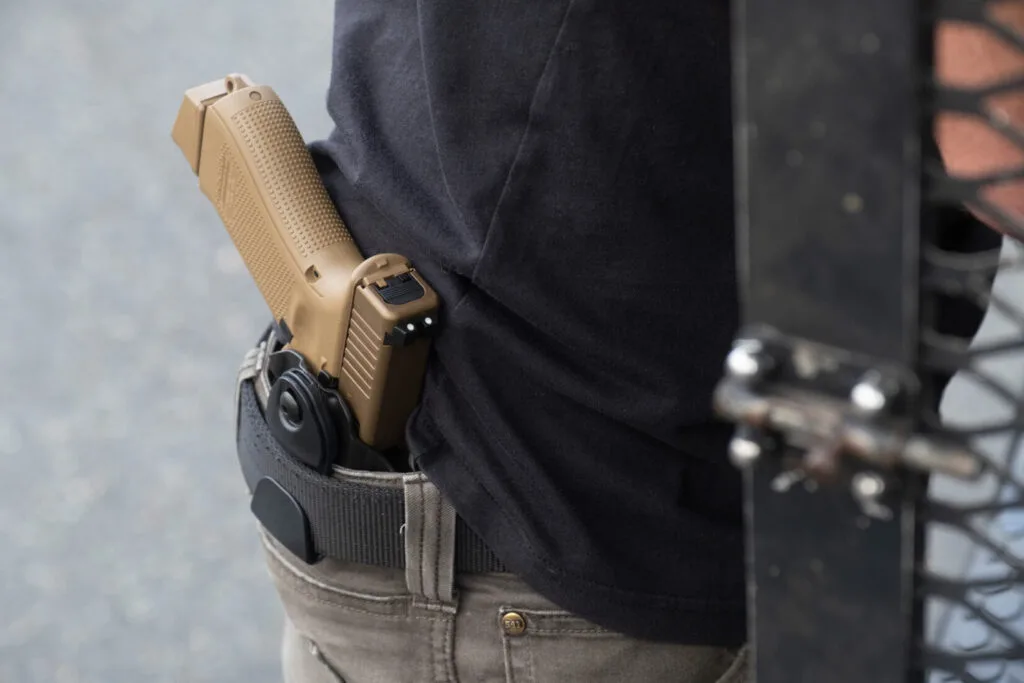
Image source: Web (Bing) / inside.safariland.com (Web image (fair-use with source credit))
Choosing Your Holster's Spot: Where to Carry
The most significant decision you'll make is where on your body you'll wear your holster. This choice influences your firearm's accessibility, its concealability, and your overall comfort throughout the day. What works perfectly for one person might be a non-starter for another, depending on body type, clothing, and daily activities.
Appendix Carry (AIWB)
Appendix carry, often abbreviated as AIWB, places the holster directly in front of your body, typically between your belt buckle and your dominant-side hip bone. This position is highly favored by many for its potential for quick access.
- Pros: It's generally considered one of the most accessible positions for drawing your firearm rapidly. Many also find it easier to conceal their firearm effectively in this location, and you have a direct line of sight to your gun.
- Cons: Appendix carry can be uncomfortable when sitting, bending over, or even during deep breathing. It requires careful holster selection and practice to ensure safe handling, particularly regarding the firearm's muzzle direction when holstered.
Hip Carry (Strong Side)
This is the classic, traditional spot for carrying a firearm, usually situated on your dominant hand side at the "3 o'clock" or "4 o'clock" position relative to your belt buckle. It's a position many people find natural for drawing.
- Pros: Hip carry is often comfortable for a wide range of body types and activity levels. The drawing motion is generally intuitive, and it can be relatively easy to conceal depending on your build and clothing.
- Cons: Concealment can be more challenging if you have a slim build or prefer to wear tighter clothing. For some, drawing from this position might feel slightly less immediate compared to AIWB.
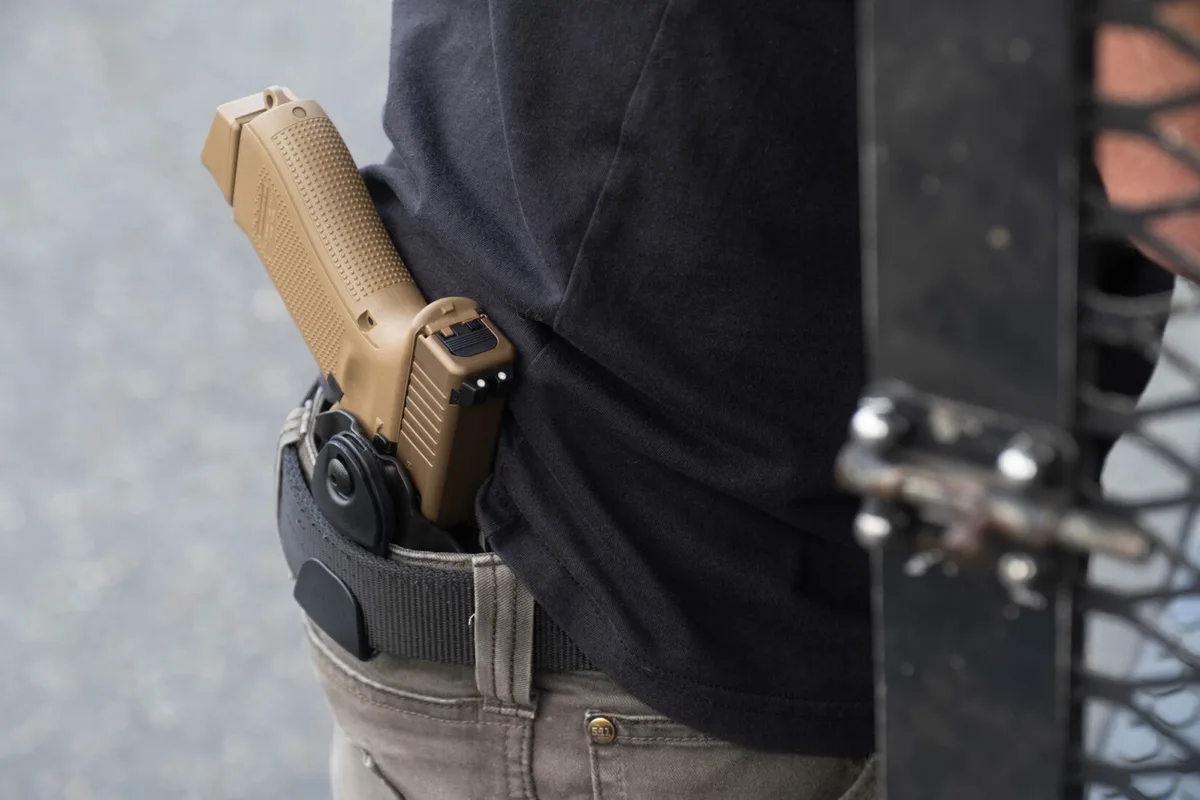
Image source: Web (Bing) / inside.safariland.com (Web image (fair-use with source credit))
Small of Back (SOB)
Carrying in the small of your back, right in the curve of your lower spine, is another option. While it can offer good concealment, it comes with significant drawbacks.
- Pros: It can be very concealable, especially for certain body shapes, as it keeps the firearm hidden behind you.
- Cons: This position is widely considered the least ideal for practical use. Drawing from the SOB is often awkward and slow, particularly when seated. It's also uncomfortable and can be dangerous if you fall backward, putting direct pressure on the firearm. Access is severely limited in many common scenarios.
Cross Draw Carry
Cross draw involves wearing the holster on the opposite side of your body from your dominant hand, generally around the "10 o'clock" or "11 o'clock" position. This placement allows you to draw across your body.
- Pros: This position can be comfortable and surprisingly easy to draw from, especially while seated, such as in a vehicle.
- Cons: Concealment can sometimes be tricky, and the drawing motion might feel less natural for those accustomed to strong-side draws. There's also a potential for accidental contact with your firearm or others if the draw is not executed with strict discipline.
What Makes a Holster Fit Your Firearm and Body?
Once you've decided on a carry location, the holster itself needs to be the right fit, both for your firearm and for your personal anatomy. A holster is essentially the bridge between your firearm and your body, and its design dictates how safely and effectively you can carry.
Firearm Fit & Retention
The most fundamental aspect is how well your firearm fits within the holster. Your gun should slide in with moderate resistance and, ideally, produce an audible "click" when fully seated. This indicates proper retention.
- Secure Hold: The holster must hold your firearm firmly so it doesn't wobble, shift, or fall out, even when you move or bend. Aggregate user reviews often highlight that a firearm should remain secure even when the wearer is upside down, though this is a dramatic test of retention.
- Adjustable Retention: Many modern holsters, particularly those made from Kydex, feature adjustable retention screws. These allow you to fine-tune how much force is needed to draw, balancing security with accessibility.
Trigger Guard Coverage
This is non-negotiable and a critical safety feature. A properly designed holster must completely cover the trigger guard of your firearm.
- Safety First: The trigger is the most sensitive part of a firearm. Full trigger guard coverage prevents any external object, a stray finger, a piece of clothing, a foreign object, from accidentally making contact with the trigger and causing a discharge. Per SAAMI standards, this coverage is a fundamental safety requirement for all holsters intended for carrying firearms.
Comfort & Adjustability
Even the most secure and accessible holster is useless if it's so uncomfortable you can't wear it for extended periods. Comfort often comes down to the holster's design and its adjustability.
- Body Contours: Holsters designed for inside-the-waistband (IWB) carry often have features like padded backing or specially shaped edges to conform to your body without digging in.
- Cant and Ride Height: Many holsters allow you to adjust the cant, which is the angle at which the holster sits on your belt. You can also adjust the ride height, determining how high or low the firearm sits. Tweaking these can significantly improve comfort and drawing ergonomics.
Putting It On: A Step-by-Step Guide to Wearing Your Holster
Wearing a holster correctly involves a methodical approach to ensure safety, comfort, and functionality. It’s a process that needs attention to detail, especially when you're first getting started with concealed carry. Following these steps will help you establish a reliable and secure method for carrying your firearm.
Attaching Your Holster to the Belt
The foundation of wearing a holster is a sturdy belt. You'll want a belt that's rigid enough to support the weight of your firearm without sagging or deforming. Dedicated gun belts are often made from thicker leather or reinforced nylon for this purpose.
- IWB Holsters: For inside-the-waistband holsters, this usually involves sliding the holster's clips or loops over and onto your belt. Ensure the clips fully engage with the belt's top edge and are securely fastened.
- OWB Holsters: Outside-the-waistband holsters typically use belt loops that thread through your belt. Some paddle holsters clip directly over the belt. Make sure the attachment mechanism is fully secured to the belt and the holster sits flush against your body or clothing.
Seating Your Firearm Safely
With the holster attached, you can now carefully seat your firearm. This step requires your full attention.
- Clear the Area: Ensure there are no distractions. Your finger should be off the trigger, and the firearm should be pointed in a safe direction at all times.
- Proper Grip: Grasp the firearm firmly.
- Holster Insertion: Guide the firearm into the holster, ensuring the trigger guard is the first part to enter the holster's protective channel. You should feel and often hear a distinct "click" as the firearm seats fully and the retention mechanism engages.
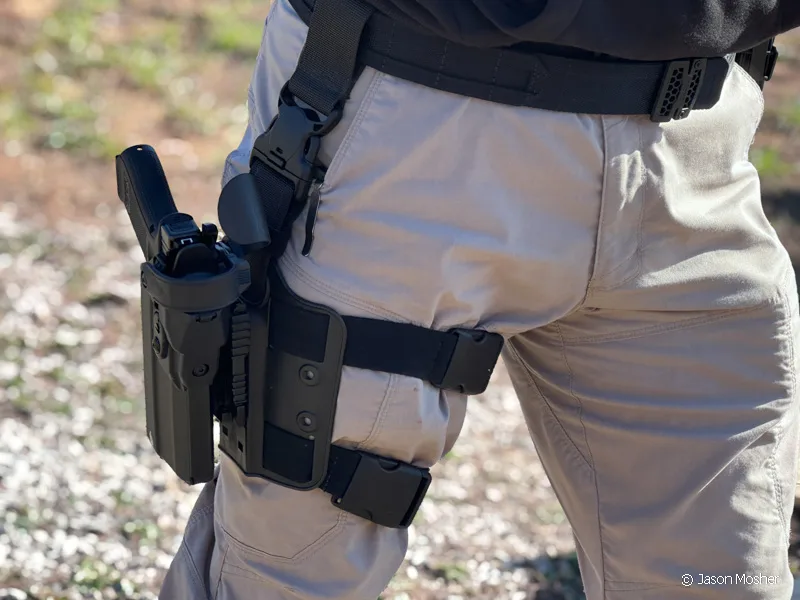
Image source: Web (Bing) / inside.safariland.com (Web image (fair-use with source credit))
Checking Fit, Comfort, and Concealment
Once the firearm is seated, the final step is to assess how it feels and looks. This is where you make any necessary adjustments.
- Movement Test: Stand up, sit down, bend forward, and twist your torso. Pay close attention to any pinching, rubbing, or uncomfortable pressure points. The holster should move with you without shifting excessively.
- Concealment Check: Look in a mirror to see if the firearm is printing, meaning its outline is clearly visible through your clothing. Adjusting the holster's position on your belt or changing your clothing can often resolve printing issues.
- Draw Test (Unloaded): With an unloaded firearm, practice drawing. The motion should feel natural and relatively unobstructed. If it's a struggle, you may need to adjust the cant, ride height, or retention.
Common Mistakes When Wearing a Holster
Even experienced carriers can fall into bad habits. Recognizing common mistakes is the first step to avoiding them and ensuring safe, effective carry. Many of these errors stem from prioritizing one aspect of carry over others, like comfort over security, or vice versa.
- Using a Weak Belt: A flimsy belt will sag under the weight of a firearm, causing the holster to tilt and potentially print or shift. A dedicated gun belt provides the necessary rigidity.
- Ignoring Trigger Guard Coverage: This is perhaps the most dangerous mistake. If the trigger guard isn't fully enclosed by the holster, anything that contacts the trigger can cause an accidental discharge. Always visually confirm complete coverage.
- Over-Tightening Retention: While secure retention is vital, making it so tight that you can't draw smoothly in an emergency is counterproductive. Practice drawing to find the sweet spot where the firearm is secure but accessible.
- Choosing the Wrong Carry Position for Activities: A position comfortable for standing might be unbearable when seated for hours. Matching your carry spot to your daily routine is key for consistent carry.
- Not Practicing Draw Strokes: A holster is only as good as your ability to draw from it. Regular practice with an unloaded firearm builds muscle memory and ensures you can access your weapon efficiently when needed.
- Wearing Loose or Baggy Clothing Solely for Concealment: While certain clothing aids concealment, relying solely on overly baggy garments can sometimes look suspicious or make drawing more difficult. A balance is usually best.
Expert Tips for Comfortable and Secure Carry
Beyond the basic steps, several expert insights can elevate your holster-wearing experience, making it more comfortable and secure for daily, long-term carry. These are the little things that often get overlooked but make a significant difference.
- Invest in Quality Holster Materials: Kydex holsters offer excellent retention and durability, while some leather options provide superior comfort for all-day wear, especially for IWB. Many users find hybrid holsters (combining leather/silicone backing with Kydex shells) offer a good balance of both.
- Understand Your Firearm's Profile: Different firearms have unique shapes that interact differently with holsters. A holster designed for a slim, single-stack pistol won't fit a wider, double-stack model correctly. Always ensure the holster is specifically made for your make and model.
- Consider a Concealment Claw or Wing: Some IWB holsters come with or can be fitted with a "claw" or "wing." This small attachment presses against the inside of your belt, helping to rotate the holster grip into your body, which significantly reduces printing.
- Adjust Your Belt for Holster Placement: When wearing a holster, it’s often best to position your belt slightly differently than you might for everyday wear. This ensures the holster clips or loops have a solid anchor point and sit correctly without being too tight or too loose.
- Break-In Period: For leather holsters, a brief break-in period might be necessary. Following the manufacturer's instructions for conditioning and use can help mold the leather to your firearm and body for optimal comfort.
FAQs About Wearing a Holster
How long does it take to get used to wearing a holster?
Most people find they adjust within a few days to a couple of weeks. Initial discomfort is common, but with proper fit and regular wear, it typically fades as your body adapts and you find the most comfortable position.
Can I wear a holster with any pants?
While you can attach a holster to most pants, a sturdy belt is crucial for proper support. Pants with a stiffer waistband and a belt that fits snugly will provide the best foundation for carrying a holster securely.
Is it safe to carry a firearm in the small of my back?
Industry experts generally advise against carrying in the small of the back due to limited accessibility and increased risk of injury if you fall. Safer and more accessible positions like AIWB or strong-side hip carry are widely recommended.
How often should I practice drawing from my holster?
Practicing drawing from your holster once a week with an unloaded firearm is a good baseline. Regular, safe practice builds the muscle memory needed for quick and efficient access when necessary. Always ensure your practice environment is safe and free of live ammunition.