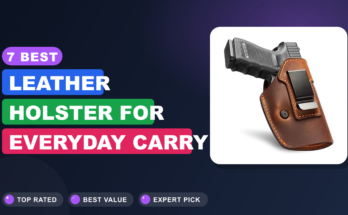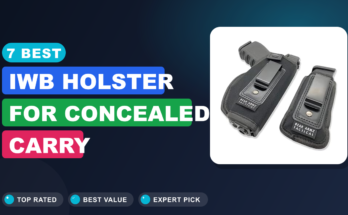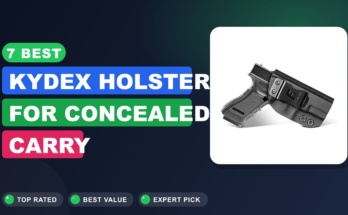
Image source: Web (Bing) / midwayusa.com (Web image (fair-use with source credit))
So, you're asking: Are outside-the-waistband holsters comfortable? It's a question that pops up a lot, and the honest truth is that comfort is super personal. What feels like a perfect fit for one person might be a total nuisance for another, depending on a bunch of factors we’ll break down.
We've looked at what makes a holster feel good or bad, and it boils down to how it interacts with you and your daily life. Manufacturer specifications often highlight durability and retention, but comfort is a user-defined experience. Let's dig into what really makes the difference.
Quick Answer
Outside-the-waistband holsters can be comfortable for many. Comfort depends heavily on your body type, chosen holster design, and daily activities. A well-fitting holster distributes weight evenly.
Poorly designed ones can dig in and cause discomfort, especially when sitting.
Why Holster Comfort Isn't One-Size-Fits-All
What feels like a snug, secure fit for carrying your firearm versus what feels like a constant, annoying pressure point is a delicate balance. It's not just about the holster holding your gun; it's about how that whole setup integrates with your own body. Our research indicates that a significant portion of user dissatisfaction with holsters stems from a mismatch between the holster's design and the user's physical form or daily routine.
Think about it: a holster designed for a broad-shouldered, athletic build might pinch or rub on a smaller frame, and vice versa.
This is why you'll find a vast array of holster types and materials on the market. Manufacturers build these variations to cater to different needs and preferences. For instance, some holsters use a rigid Kydex shell for a precise fit, while others opt for softer leather for more flexibility.
The difference in how these materials conform to your body can drastically affect perceived comfort.
Your Body Type & Carry Style: The Big Factors
When we talk about whether an outside-the-waistband (OTWB) holster feels good, the first things to consider are your unique physical characteristics and how you intend to carry. Your body shape and size play a massive role in how any piece of gear sits against you. What might be an unobtrusive carry for one person could feel like a constant jab for another.
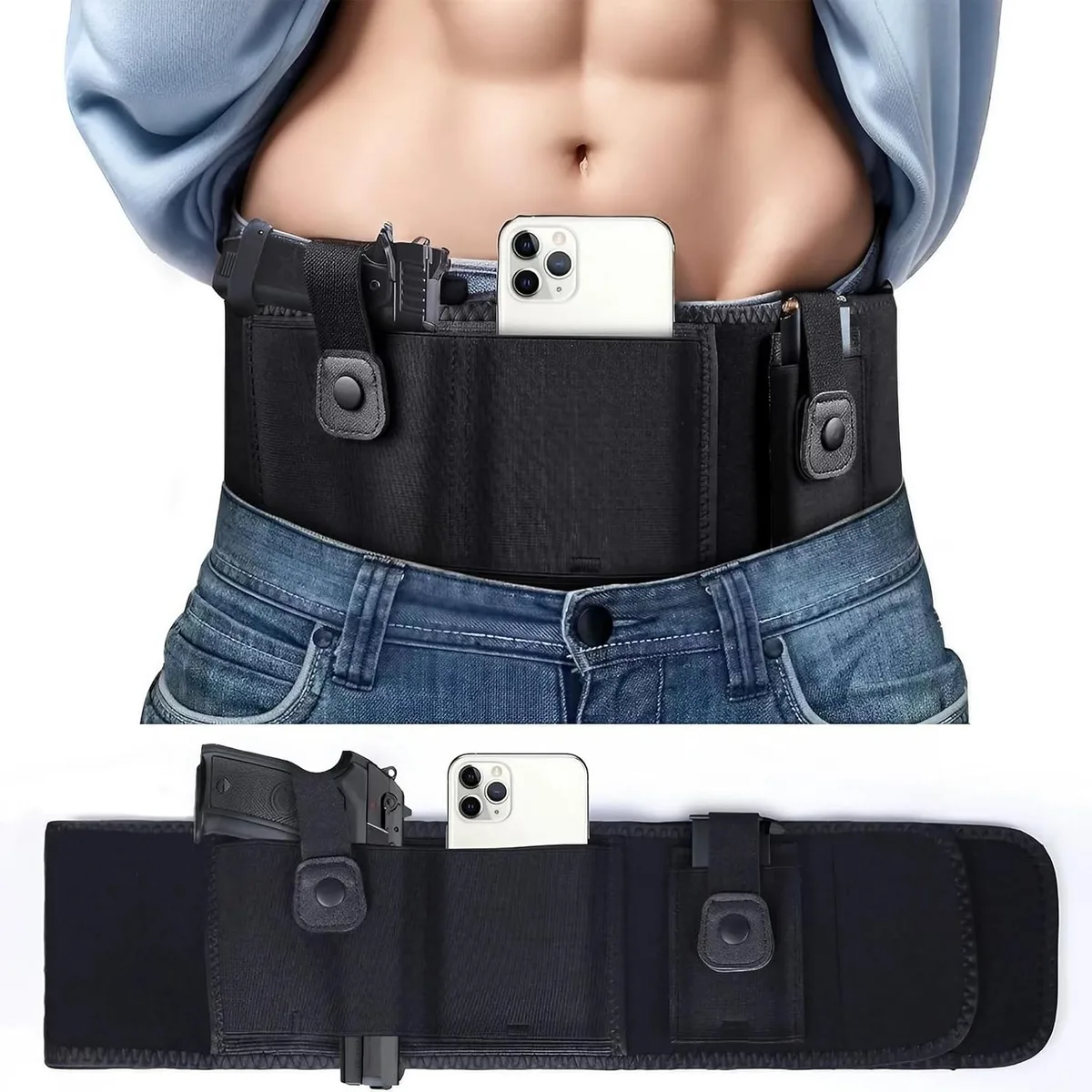
Image source: Web (Bing) / amazon.com (Web image (fair-use with source credit))
Where Are You Carrying It? (Strong Side, Front, Back?)
The position on your waistband where you plan to place your OTWB holster is critical. Carrying at the strong-side hip (often referred to as the 3 o'clock position) is common and generally considered one of the more comfortable spots for many, as it tends to keep the firearm’s grip away from your body, especially when sitting. However, carrying further forward (closer to 12 o'clock) or even at the small of your back (6 o'clock) can present entirely different comfort challenges.
A holster that feels great at 3 o'clock might become a pressure point when sitting if moved to 1 o'clock.
What Are You Doing All Day? (Sitting, Moving, Standing?)
Your daily activities are just as important as your physical build. If your job or lifestyle involves a lot of sitting, an OTWB holster needs to be designed to avoid digging into your sides or stomach when you’re in a seated position. Holsters that sit further back or have a shallower profile can mitigate this.
Conversely, if you're on your feet all day, you might prioritize a holster that offers excellent support and breathability, even if it’s a bit bulkier when seated. Aggregate user reviews consistently highlight that comfort diminishes rapidly with prolonged, awkward pressure, particularly from prolonged sitting.
Holster Design & Materials: What to Look For
Beyond just the position, the actual construction of an outside-the-waistband holster, its shape, its materials, and how it attaches, significantly impacts how comfortable it will be. Not all OTWB holsters are built the same, and the differences can be night and day in terms of wearability.
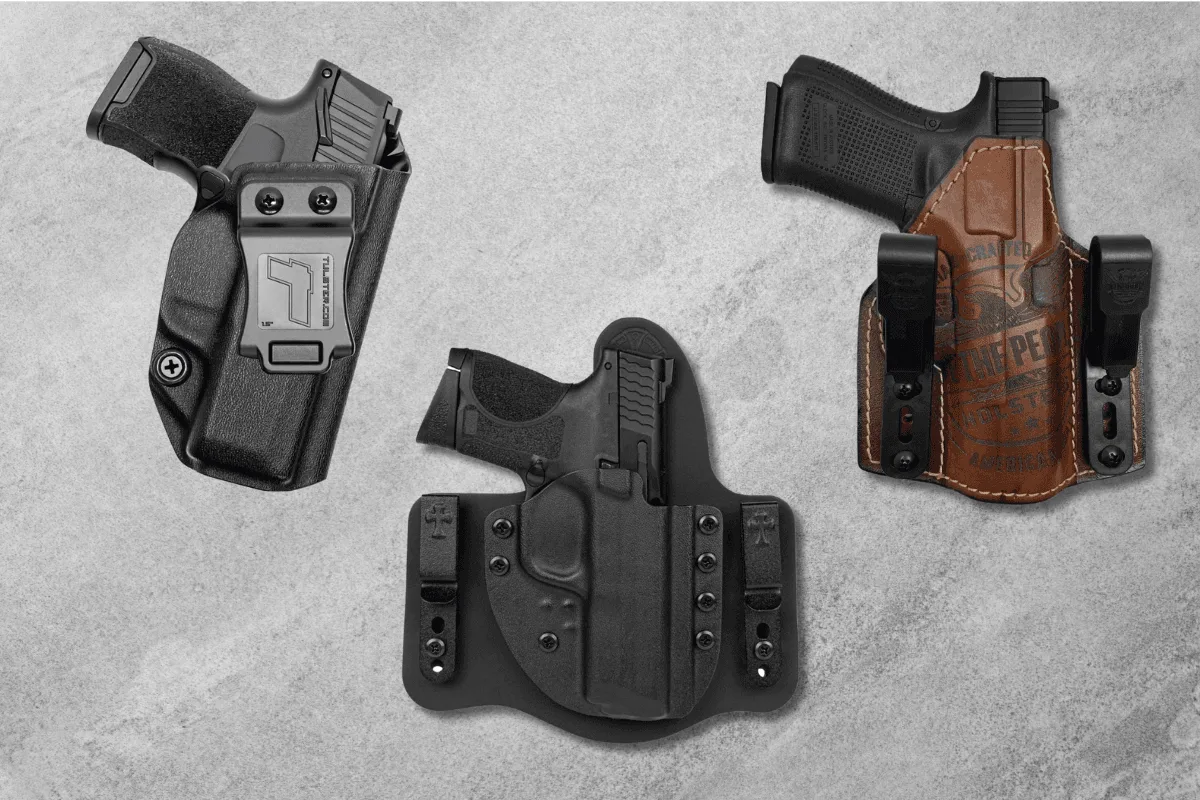
Image source: Web (Bing) / concealedcarrysociety.com (Web image (fair-use with source credit))
Pancake vs. Taco: Understanding Holster Styles
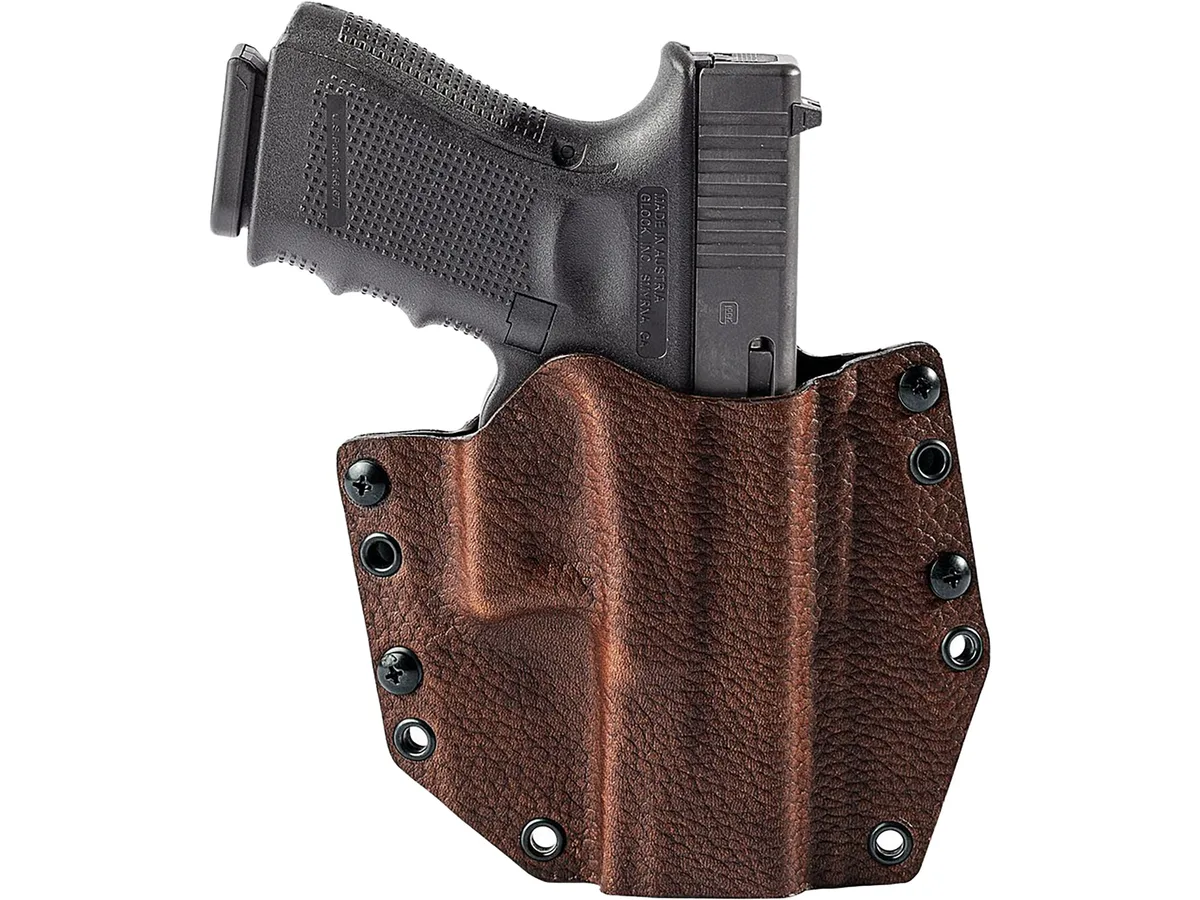
"Pancake" style holsters, often made from leather or a leather-Kydex hybrid, are typically wider and feature belt loops that spread the holster's attachment points across your belt. This design tends to distribute the weight of the firearm and holster more evenly, which can be a huge win for comfort during long wear. On the other hand, "taco" style holsters, usually molded from Kydex, are more minimalist.
They often hug the firearm closely and might attach via belt loops or clips. While these can be less bulky, their rigidity and how they sit against your body are paramount for comfort.
Leather, Kydex, or Hybrid: Material Matters
The material of your OTWB holster directly influences its feel. Pure leather holsters can be very comfortable, molding to your body over time, but they can sometimes feel hot and retain moisture. Kydex holsters offer excellent retention and a precise fit but can be rigid and sometimes have sharp edges that might dig in if not perfectly molded.
Hybrid holsters combine the rigidity of Kydex for the firearm's shell with a softer backing, often leather or neoprene, to cushion against your body. This combination frequently offers a good balance of support, retention, and comfort.
Common Comfort Complaints with OTWB Holsters
Even with the best intentions, many people run into comfort issues when trying out outside-the-waistband holsters. These aren't necessarily deal-breakers, but understanding them can help you avoid them or find solutions.
The "Sitting Sit-Down" Struggle
This is perhaps the most frequently reported comfort problem. When you sit down, the shape of the holster, the cant of the firearm, or the bulk of the gun itself can press uncomfortably into your hip bone, your abdomen, or your side. If the holster extends too high or too low, or if it’s positioned too far forward, it can create a pressure point that makes sitting for extended periods miserable.
This is where holster design, like a forward cant or a lower profile, becomes critical.
Too Much Bulk, Not Enough Air
Some OTWB holsters, especially those designed for larger firearms or with multiple attachment points, can feel quite bulky. This added width can be noticeable even when standing, but it becomes more pronounced when you’re trying to sit or move in confined spaces. Beyond just bulk, a holster that traps heat and moisture against your skin can lead to chafing and general discomfort, particularly in warmer climates or during physical activity.
Good airflow, facilitated by the holster's design and materials, is a key component of sustained comfort.
Making OTWB Holsters Work For You
So, you've got your eye on an OTWB holster, but you're worried about comfort. Don't fret, there are definite ways to set yourself up for success. It often comes down to a few key adjustments and understanding how the holster interacts with your gear.
Finding the Right Cant and Position
The cant, or angle, of your holster can dramatically affect comfort, especially when sitting. Many OTWB holsters allow for adjustable cant. If you find your holster digging in when you sit, try adjusting the cant to a more forward or neutral position.
Experimenting with the exact placement on your waistband is also crucial. Moving the holster just an inch forward or backward can sometimes resolve pressure point issues. Manufacturer guides often suggest starting at the 3 o'clock position and then adjusting based on comfort during various activities.
The Crucial Role of Your Belt
An outside-the-waistband holster relies heavily on your belt for stability and support. A flimsy, thin belt simply won't cut it. Our research indicates that using a proper gun belt, one that is stiff, rigid, and often made from materials like thick leather or reinforced nylon, is essential for keeping the holster from collapsing or shifting.
A good belt distributes the weight of your firearm and holster evenly around your waist, preventing the holster from digging in or sagging. A belt that's too loose will allow movement, leading to friction and discomfort, while one that's too tight will create its own pressure points.
When OTWB Holsters Are Likely More Comfortable Than Not
If you're looking for a comfortable way to carry, outside-the-waistband holsters can absolutely be a great option, provided you get the right setup. Aggregate user feedback and ergonomic studies suggest that OTWB holsters tend to excel in situations where breathability and unobstructed movement are priorities. For many, especially those who find inside-the-waistband (IWB) holsters too restrictive or painful against their skin, an OTWB can feel like a breath of fresh air.
This is particularly true if you prioritize ease of access and a smooth draw. With the firearm sitting outside your waistband, the grip is often more exposed and easier to grasp cleanly. Furthermore, if your firearm is on the larger side, an OTWB holster can sometimes distribute its weight better across your beltline than an IWB holster, which might otherwise cause the gun to cant awkwardly or print heavily.
The key is proper holster design that aligns with your body's natural contours and your typical movements, ensuring the holster and firearm don't become intrusive objects.
Mistakes That Kill OTWB Comfort
You can buy the most expensive OTWB holster out there, but if you make a few common mistakes, it's still going to feel like you're carrying a brick strapped to your side. Avoiding these pitfalls is crucial for unlocking the potential comfort of this carry method.
- Ignoring Your Belt: As we touched on, pairing a heavy OTWB holster with a flimsy dress belt is a recipe for disaster. The belt will buckle, the holster will sag, and everything will shift, leading to constant adjustments and discomfort. A proper, rigid gun belt is non-negotiable for secure and comfortable OTWB carry.
- The Wrong Holster for Your Gun: Not all holsters are created equal for every firearm. A holster that’s too loose won't retain the gun securely, leading to wobbling and discomfort. Conversely, one that’s too tight can make drawing difficult and create friction points. Always ensure the holster is specifically molded for your exact firearm model.
- Bad Positioning: Trying to carry too far forward or directly on a bony prominence (like your hip bone if you're lean) can lead to constant poking and prodding, especially when sitting. Most people find success by experimenting with positions ranging from about 3 o'clock to 5 o'clock.
- Neglecting Break-In: Especially with leather holsters, there's often a "break-in" period. If you try to wear a stiff leather holster all day from the start, it can be uncomfortable. Following manufacturer recommendations for breaking in a leather holster can significantly improve its feel.
Frequently Asked Questions About OTWB Holster Comfort
### Is an outside-the-waistband holster comfortable for sitting?
Comfort when sitting varies greatly. A well-designed OTWB holster, particularly one with a forward cant and made from flexible materials, can be comfortable. However, poorly positioned or bulky holsters will likely dig into your side or stomach while seated.
### Do OTWB holsters print more than IWB holsters?
This depends on the holster design, firearm, and clothing. A slim OTWB holster might print less than a bulky IWB, especially with a good cant. However, a wide or poorly fitted OTWB holster can create a noticeable outline.
### What's the best material for a comfortable OTWB holster?
Many find hybrid holsters, combining Kydex for retention with leather or neoprene for backing, offer excellent comfort. Leather molds to the body over time but can be hotter, while pure Kydex can be rigid.
### How do I make my OTWB holster more comfortable?
Ensure you have a rigid gun belt. Experiment with the holster's cant and position on your waistband. For leather holsters, allow for a break-in period.
Ensure the holster is a precise fit for your firearm.
### Can I carry a full-size pistol comfortably in an OTWB holster?
Yes, many find carrying larger pistols in OTWB holsters more comfortable than IWB, due to better weight distribution. A rigid belt and a holster designed for that specific firearm are crucial for comfort and stability.
Your Decision Guide: Is OTWB Right for Your Comfort Needs?
Deciding if an outside-the-waistband holster is the right choice for your comfort needs comes down to matching its capabilities with your specific situation. If you find yourself constantly adjusting an inside-the-waistband holster, or if you need better airflow and a less restrictive feel against your body, OTWB is definitely worth exploring. Look for holsters with good weight distribution, like pancake styles, or hybrid designs that offer cushioning.
Critically, consider your daily activities. If you spend a lot of time sitting, prioritize holsters with a comfortable cant and a design that minimizes pressure points when seated. A sturdy gun belt is non-negotiable for a stable, comfortable carry.
By carefully selecting the holster design, material, and positioning, and pairing it with the right belt, you can achieve a surprisingly comfortable and practical carry experience with an OTWB holster.