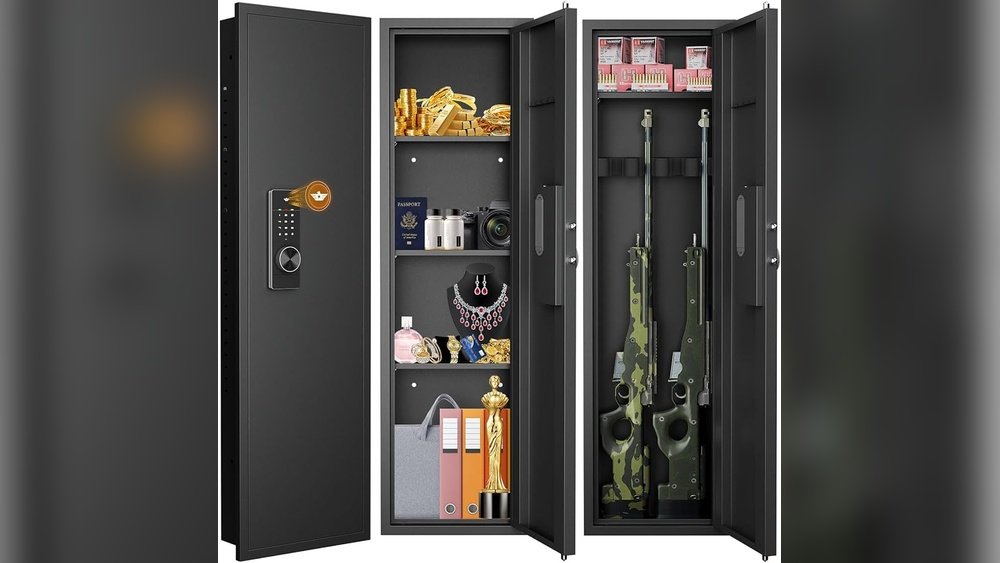
Are you concerned about the safety of your firearms? Protecting your guns goes beyond just locking them away.
A gun safe security alarm can be a game-changer for your peace of mind. But what exactly is it, and how does it work to keep your valuables secure? If you want to learn how this smart device can alert you to any unauthorized access and add an extra layer of protection, keep reading.
By the end of this article, you’ll understand why a gun safe security alarm might be the essential upgrade your home needs.
Gun Safe Security Alarms
Gun safe security alarms help protect your firearms from theft and unauthorized use. They alert you immediately if someone tries to open or move the safe without permission. This added layer of security gives you peace of mind and keeps your weapons out of the wrong hands.
These alarms work by detecting unusual activity, such as forced entry or movement. Once triggered, they emit a loud sound to scare off intruders and notify you of the breach. Some models also send alerts to your phone or security system.
Most alarms use sensors to monitor the safe’s status. These sensors can detect vibrations, door openings, or tilting. When any of these actions happen, the alarm activates immediately. The quick response helps stop theft before it happens.
Types Of Gun Safe Security Alarms
There are different types of alarms available. Some are built into the safe, while others can be added on later. Basic alarms sound a loud noise. Advanced alarms connect to your home security or smartphone for instant alerts.
Alarms increase the safety of your firearms. They help prevent accidents by stopping unauthorized access. They also deter thieves who want to avoid noisy alarms. Overall, alarms improve your gun safe’s protection and your home’s security.
Types Of Gun Safe Alarms
Gun safe security alarms come in various types. Each type uses different technology to protect your firearms. These alarms alert you if someone tries to access your safe without permission. Knowing the types helps you pick the best alarm for your needs.
Motion Sensors
Motion sensors detect movement near the safe. They trigger an alarm if the safe is moved or tampered with. These sensors work well in quiet rooms to catch any unusual activity. They help stop theft before it happens.
Door Sensors
Door sensors monitor the safe’s door. The alarm sounds if the door opens without a code or key. These sensors are simple but effective. They provide direct protection against unauthorized entry.
Vibration Detectors
Vibration detectors sense shaking or hammering on the safe. They alert you if someone tries to break in using force. These alarms protect against physical attacks on the safe. They are useful for safes placed in less secure areas.
Biometric Triggers
Biometric triggers use fingerprint or retina scans. The safe unlocks only for authorized users. These alarms combine security with convenience. They prevent access by anyone without registered biometrics.
Key Components Of The Alarm System
The key components of a gun safe security alarm work together to protect your firearms. Each part plays a special role in detecting threats and alerting you. Understanding these parts helps you choose the right alarm system.
Control Panel
The control panel acts as the system’s brain. It receives signals from sensors and decides when to trigger the alarm. You use it to arm or disarm the system. Some panels have keypads or touchscreens for easy use.
Sensors
Sensors detect any unauthorized access or movement. Common types include door sensors, motion detectors, and vibration sensors. They send alerts to the control panel when triggered. Sensors are crucial for early warning.
Alarm Siren
The alarm siren makes a loud noise to scare off intruders. It also alerts you and others nearby. The siren activates only after the control panel confirms a threat. Its sound helps prevent theft or damage.
Power Source
The power source keeps the alarm system running at all times. Many systems use batteries or plug into the main electricity. Some have backup batteries for power outages. Reliable power ensures the alarm stays active.

How Gun Safe Alarms Detect Threats
Gun safe security alarms protect your firearms by detecting unusual activity. These alarms use smart technology to spot threats quickly. They keep your gun safe secure and alert you immediately. Understanding how they detect threats helps you choose the right alarm for your needs.
Triggering Mechanisms
Gun safe alarms use sensors to detect motion, vibration, or opening. If someone tries to force open the safe, the sensors trigger the alarm. Some alarms respond to loud noises or sudden impacts. These mechanisms ensure the alarm activates only during real threats.
Signal Processing
After sensors detect a threat, the alarm processes the signals. It filters out false alarms caused by minor bumps or normal movement. The system analyzes the strength and type of sensor input. This step helps the alarm decide if it should send an alert.
Alert Notifications
Once the alarm confirms a threat, it sends alerts instantly. Notifications can be loud sirens or messages to your phone. Some systems connect to monitoring services for quick response. These alerts help you act fast to protect your firearms and home.
Installation And Setup
Installing a gun safe security alarm is a key step to protect your firearms. The setup process is simple if you follow clear steps. Proper installation ensures the alarm works well and alerts you quickly.
Each part must be placed correctly. Sensors need to detect any unauthorized access. Power must be stable to keep the alarm active. Testing the system confirms everything functions as it should.
Choosing The Right Alarm
Select an alarm that fits your safe size and security needs. Some alarms have loud sirens, others send alerts to your phone. Check if the alarm works with your safe’s design and locking system. Choose one that is easy to install and use.
Mounting Sensors
Place sensors on the safe door and body. These detect if the door opens or the safe is moved. Use strong adhesive or screws to fix sensors firmly. Position sensors where they cannot be easily tampered with or removed.
Connecting Power
Most alarms use batteries or plug into a power source. For battery-powered alarms, use fresh batteries and replace them regularly. If your alarm plugs in, ensure the cord is safe and hidden. Power connection must be secure to avoid false alarms.
Testing The System
After installation, test the alarm by opening the safe door. The alarm should sound or notify you immediately. Test all sensors to confirm they trigger the alarm. Fix any sensor or power issues before relying on the system.

Benefits Of Using A Gun Safe Alarm
Using a gun safe alarm adds an extra layer of protection for your firearms. It helps keep your guns secure and reduces the risk of theft or misuse. Many gun owners find these alarms essential for safety and control.
Preventing Unauthorized Access
A gun safe alarm stops people without permission from opening the safe. It acts as a barrier against burglars and curious children. This feature helps keep your firearms away from anyone who should not have them.
Immediate Alerts
The alarm sends alerts as soon as someone tries to open the safe. This quick warning lets you act fast. Immediate alerts can prevent theft or misuse by notifying you right away.
Enhanced Safety
Gun safe alarms improve overall safety in your home. They reduce the chance of accidents by keeping guns locked and monitored. This added security helps protect your family and visitors.
Peace Of Mind
Knowing your guns are secured brings calm and confidence. You don’t need to worry about unauthorized access. Peace of mind is one of the main reasons many choose a gun safe alarm.
Common Challenges And Solutions
Gun safe security alarms offer great protection but come with some challenges. These issues can affect their performance and reliability. Understanding these common problems helps users keep their alarms effective and secure.
Solutions to these challenges ensure the alarm works as intended. Proper care and knowledge are key to avoiding common pitfalls.
False Alarms
False alarms happen often with gun safe security systems. Dust, vibrations, or small movements can trigger the alarm. This can cause frustration and reduce trust in the alarm.
To reduce false alarms, adjust the sensitivity settings carefully. Place the safe on a stable surface away from heavy foot traffic. Regularly clean sensors to remove dust or debris.
Battery Life
Battery life is a big concern. If batteries die, the alarm won’t work. Alarms with low battery can also trigger warning signals.
Use high-quality batteries for longer life. Check battery levels regularly. Replace batteries before they run out to keep the alarm active at all times.
Maintenance Tips
Maintaining your gun safe alarm boosts its reliability. Test the alarm monthly to ensure it functions properly. Clean the external and internal parts gently.
Keep the alarm dry and free from dust. Follow the manufacturer’s guidelines for care. Proper maintenance extends the life of your alarm system.
Integrating Alarms With Home Security
Integrating a gun safe security alarm with your home security system boosts overall safety. It creates a strong barrier against unauthorized access. This combination helps protect your firearms and your home efficiently.
Such integration allows alarms to work together. They provide instant alerts and quick responses. This setup ensures peace of mind and better control over security.
Smart Home Compatibility
Many gun safe alarms connect easily with smart home devices. They work with systems like Alexa, Google Home, or Apple HomeKit. This lets you control your safe alarm using voice commands or apps. You can check the status anytime without opening the safe.
Remote Monitoring
Remote monitoring lets you watch your gun safe from anywhere. Using your smartphone, you get alerts if someone tries to open it. This feature helps you act fast during emergencies. It adds a layer of protection even when you are away.
Professional Monitoring Services
Some gun safe alarms link to professional monitoring centers. These centers watch your alarm 24/7. If the alarm triggers, they contact you and emergency services immediately. This service offers extra security and quick help when needed.
Frequently Asked Questions
What Is A Gun Safe Security Alarm?
A gun safe security alarm is a device that alerts you to unauthorized access. It protects firearms by sounding an alarm when the safe is tampered with. This enhances security and prevents theft or misuse of your guns.
How Does A Gun Safe Alarm Work?
The alarm triggers sensors inside the safe, detecting movement or forced entry. When activated, it emits a loud sound to deter intruders and notify owners. Some models also send alerts to your phone for immediate response.
Are Gun Safe Alarms Easy To Install?
Yes, most gun safe alarms are easy to install. They often require minimal tools and can be attached inside or outside the safe. Many models are battery-powered and do not need professional installation.
Can Gun Safe Alarms Prevent Theft Effectively?
Gun safe alarms act as a strong deterrent by alerting owners and scaring off thieves. While they can’t physically stop theft, the loud alarm and notifications increase the chances of preventing unauthorized access.
Conclusion
A gun safe security alarm helps keep your firearms safe and secure. It alerts you quickly if someone tries to open the safe without permission. These alarms use sensors to detect movement or tampering. They provide peace of mind and add an extra layer of protection.
Choosing the right alarm depends on your needs and budget. Protecting your guns is important for safety at home. A good alarm can make a big difference. Stay safe and secure with the right gun safe alarm.