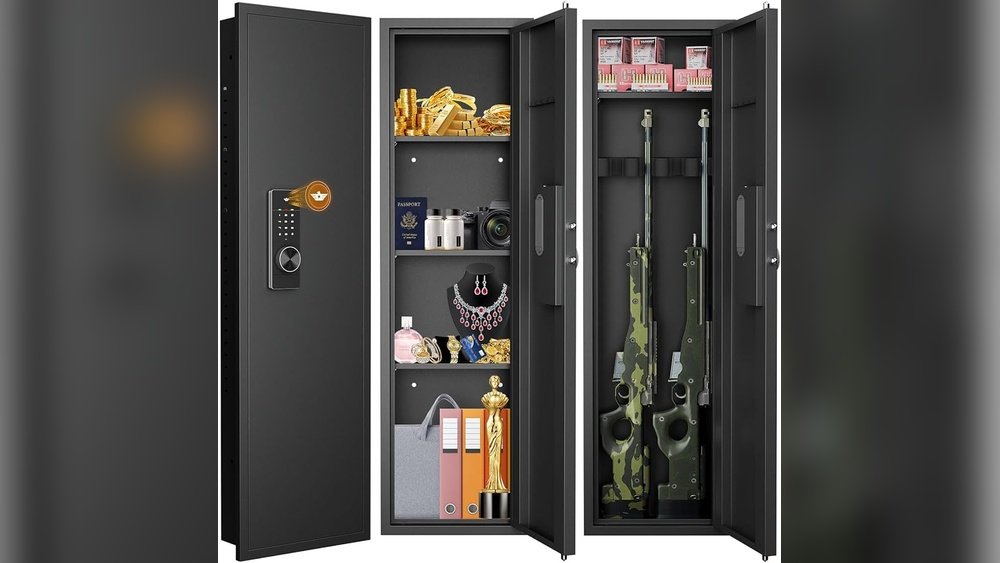
When it comes to protecting your valuables, your gun safe alarm plays a crucial role. But have you ever wondered what type of sensor can give you the best security?
Choosing the right sensor isn’t just about technology—it’s about peace of mind. You want to make sure your safe responds instantly and accurately to any threat. You’ll discover which sensor type stands out for keeping your gun safe secure, so you can feel confident that your protection is always one step ahead.
Keep reading to find the perfect match for your safety needs.

Types Of Sensors For Gun Safe Alarms
Choosing the right sensor for a gun safe alarm is essential. Sensors detect any unauthorized access or tampering. Different sensors work better in different situations. Understanding each type helps pick the best one for your safe. Below are common sensor types used in gun safe alarms.
Motion Sensors
Motion sensors detect movement inside or near the safe. They use infrared technology to sense heat and motion. These sensors trigger an alarm if someone moves too close. Motion sensors are good for active protection. They alert you before anyone can open the safe.
Vibration Sensors
Vibration sensors detect shaking or banging on the safe. They sense any attempt to break or force it open. These sensors are sensitive to small vibrations. Vibration sensors work well against theft or vandalism. They trigger alarms quickly to stop intruders.
Door Contact Sensors
Door contact sensors monitor whether the safe door is open or closed. They use magnetic switches to detect door status. If the door opens without permission, the alarm sounds. These sensors provide direct protection for the safe door. They are reliable for basic security needs.
Glass Break Sensors
Glass break sensors listen for the sound of breaking glass. They protect safes with glass panels or nearby windows. These sensors react to sharp sounds of glass breaking. Glass break sensors add extra protection for safes in visible areas. They alert you to forced entry attempts.
Key Features To Consider
Choosing the right sensor for a gun safe alarm requires careful thought. Key features affect how well the sensor works and protects your valuables. These features impact reliability, ease of use, and response speed. Understanding these aspects helps you pick the best sensor for your needs.
Sensitivity Levels
Sensitivity controls how easily the sensor detects movement or tampering. High sensitivity catches small actions but may cause more false alarms. Low sensitivity reduces false alarms but might miss subtle threats. Choose a sensor with adjustable sensitivity for better control.
False Alarm Prevention
False alarms can be annoying and reduce trust in the system. Good sensors include features to avoid false alerts. Look for sensors with motion filters, delay timers, or multi-factor detection. These help ensure alarms trigger only for real threats.
Power Source Options
Sensors need a reliable power source to stay active. Some use batteries, while others connect to the main power supply. Battery-powered sensors offer flexibility but require regular replacement. Wired sensors provide constant power but may be harder to install.
Connectivity And Alerts
How the sensor communicates alerts is crucial. Some sensors connect via Wi-Fi, Bluetooth, or cellular networks. Immediate alerts sent to your phone or security system help you react fast. Pick a sensor with reliable and clear alert options.
Top Sensor Picks For Gun Safes
Choosing the right sensor for a gun safe alarm improves security. Sensors detect any unauthorized access or movement. Each sensor type serves a unique purpose. Understanding the best options helps protect your valuables effectively.
Best Motion Sensor
Motion sensors detect any movement near the safe. They work well if the safe is hidden. These sensors alert you before someone touches the safe. Look for sensors with adjustable sensitivity to avoid false alarms.
Best Vibration Sensor
Vibration sensors pick up shaking or banging on the safe. They trigger alarms if someone tries to break in. These sensors are great for safes stored in quiet rooms. Choose models that sense even small vibrations.
Best Door Contact Sensor
Door contact sensors monitor when the safe door opens. They send alerts instantly if the door is opened without permission. These sensors work well for safes used often. Pick sensors with strong magnets for reliable detection.
Best Glass Break Sensor
Glass break sensors detect the sound of breaking glass. They protect safes with glass panels or nearby windows. These sensors add an extra layer of security. Select sensors with clear sound recognition to reduce false alarms.
Installation Tips
Installing a sensor for a gun safe alarm requires care. Proper setup ensures the alarm works well. This section covers key tips to install sensors correctly. Follow these steps to protect your safe effectively.
Sensor Placement
Place the sensor where it detects movement or opening clearly. Avoid spots near metal parts that can block signals. Keep the sensor away from heat sources or moisture. Position it on the door frame or inside edges. This helps catch any unauthorized access fast.
Calibration And Testing
Calibrate the sensor according to the manufacturer’s instructions. Set sensitivity to avoid false alarms from small movements. Test the sensor multiple times after installation. Open and close the safe door to check alarm response. Adjust settings if needed for best accuracy.
Maintenance And Battery Replacement
Regular maintenance keeps your sensor working properly. Clean the sensor surface gently to remove dust. Check batteries every few months and replace when low. Use high-quality batteries for longer life. Always test the alarm after changing batteries to confirm function.
Combining Sensors For Maximum Security
Combining different sensors in a gun safe alarm boosts security significantly. Each sensor type detects unique threats. Together, they cover more risks and make your safe harder to breach. Mixing sensors reduces false alarms and improves response accuracy. A smart setup uses the strengths of each sensor to protect your valuables effectively.
Multi-sensor Systems
Multi-sensor systems use several sensor types in one alarm. Common sensors include motion detectors, vibration sensors, and door sensors. Motion sensors spot movement near the safe. Vibration sensors sense attempts to shake or break the safe. Door sensors alert if the safe door opens without permission. Combining these sensors creates a strong defense against break-ins.
These systems reduce false alarms by cross-checking signals from different sensors. For example, motion alone may not trigger an alarm unless the door sensor also detects an opening. This makes alerts more reliable and trusted. Multi-sensor setups offer wide protection and peace of mind for gun owners.
Integration With Smart Home Devices
Many gun safe alarms now connect with smart home systems. Integration lets you control and monitor your safe remotely. You can receive alerts on your phone instantly. Smart devices like voice assistants and cameras add extra security layers.
Smart home integration allows automatic actions, such as turning on lights or sounding alarms during a break-in. It also helps track who accesses the safe and when. This technology brings convenience and stronger protection to your gun safe alarm.
Frequently Asked Questions
What Type Of Sensor Is Best For Gun Safe Alarms?
The best sensor for gun safe alarms is a vibration sensor. It detects unauthorized tampering and movement, triggering the alarm instantly. Vibration sensors offer reliable protection against break-ins and are highly sensitive to suspicious activity.
How Do Magnetic Sensors Work In Gun Safes?
Magnetic sensors detect when the safe door is opened or closed. They trigger the alarm if the door is forced open without authorization. These sensors are simple, effective, and commonly used in gun safe alarm systems for secure monitoring.
Are Motion Sensors Effective For Gun Safe Alarms?
Motion sensors can detect movement near the safe but are less precise for internal protection. They are better suited for room security rather than directly sensing tampering with the safe itself.
Can Combination Sensors Improve Gun Safe Security?
Yes, combining vibration and magnetic sensors enhances security. This approach covers door opening and physical tampering, providing comprehensive protection against different types of unauthorized access.
Conclusion
Choosing the right sensor keeps your gun safe secure and reliable. Motion sensors catch movement fast and alert you quickly. Vibration sensors sense shaking or tampering with the safe. Door sensors detect if the safe is opened without permission. Each sensor type fits different needs and budgets.
Think about your environment and how you use the safe. A good sensor helps protect your valuables and peace of mind. Simple, smart choices make your gun safe alarm work best.