
Image source: Bing (Web (fair-use with source credit))
It's easy to overlook, but your gun holster is more than just a way to carry your firearm; it's a critical component of your personal safety system. Over time, sweat, dust, lint, and general grime can build up inside, potentially affecting both your firearm's finish and its reliable function. Knowing how to clean a holster properly keeps your gear in top shape and ensures a smooth, safe draw every time.
A dirty holster can compromise weapon function and even damage your firearm's finish. For instance, manufacturer specifications often recommend a bi-monthly cleaning for leather holsters to prevent material degradation and rust. Keeping your holster clean is a fundamental part of responsible firearm ownership and maintenance.
How to Clean Your Holster: A Material-Specific Guide
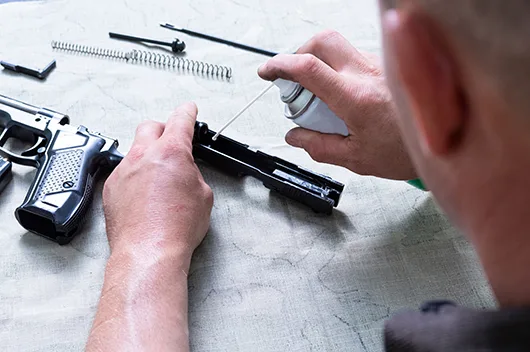
Image source: Bing (Web (fair-use with source credit))
This guide breaks down how to clean your holster based on its material, because leather, Kydex, and nylon all require different approaches to avoid damage. Getting this right means your holster lasts longer and your firearm stays protected.
Quick Answer
Clean your holster by removing the firearm, then wiping the interior and exterior with a dry or damp cloth, or specific cleaners depending on the material. Leather holsters need conditioning; Kydex and nylon often just need mild soap and water. Always ensure the holster is completely dry before reinserting your firearm.
What's Actually Hiding in Your Holster?
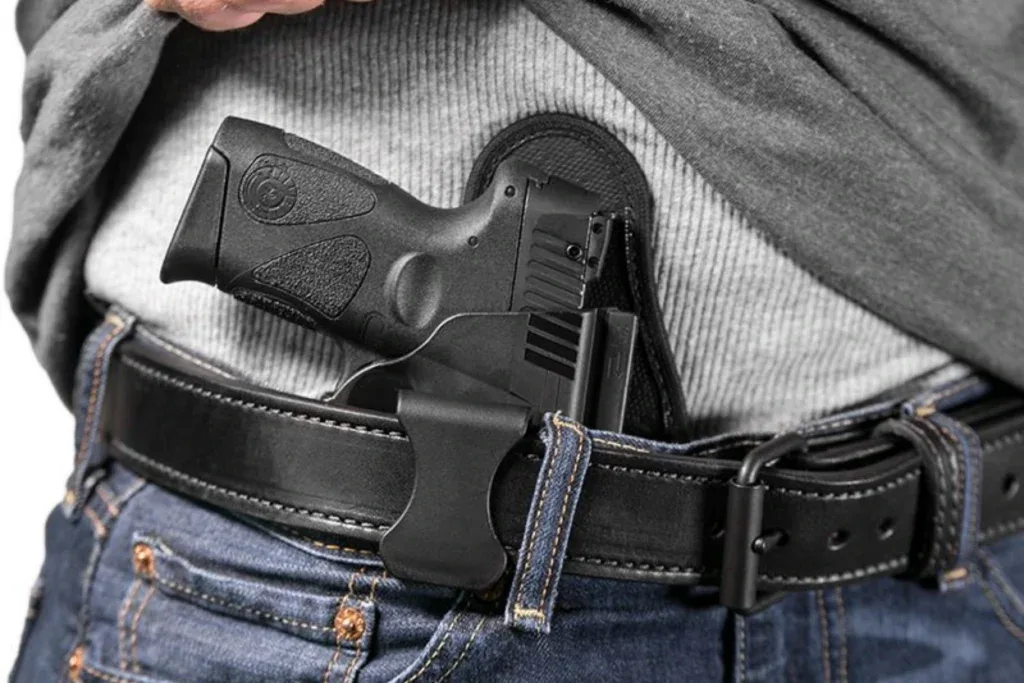
Image source: Bing (Web (fair-use with source credit))
You might think your holster stays pretty clean just sitting there, but think about where it lives. It's pressed against your body, absorbing sweat and collecting lint from your clothing. Dust from the air settles in.
If you're at a range or out in nature, dirt, sand, or even small debris can find their way in.
Over time, this buildup isn't just unsightly.
- Sweat: Contains salts that can corrode metal. If your holster is constantly damp with sweat, that moisture can transfer to your firearm's slide and other steel components, leading to rust.
- Lint and Dust: These fine particles can act like sandpaper against your firearm's finish, causing micro-scratches. They can also accumulate around the trigger guard or near the muzzle, potentially causing a malfunction.
- Dirt and Debris: Larger particles like sand or grit can impede your draw, making it sticky or difficult. They can also damage the holster's retention mechanism or the firearm's finish.
Aggregate reviews of firearm maintenance practices consistently highlight that neglecting holster cleaning is a common oversight. This oversight can lead to costly repairs or, more importantly, a failure to deploy your firearm reliably when needed.
Cleaning Leather Holsters: Saddle Soap & Beyond
Leather holsters are classic for a reason, they're durable, comfortable, and mold to your specific firearm. But they need a bit more TLC than synthetic materials. The primary goal here is to clean without drying out or damaging the leather, and then to replenish its natural oils.
Our research indicates that most leather care professionals recommend cleaning leather holsters at least once a month, or more frequently if you sweat heavily or are exposed to harsh elements.
Step-by-Step Leather Care
- Remove Firearm: Always unload your firearm completely. Remove the firearm from the holster.
- Wipe Down Interior: Use a soft, dry, lint-free cloth to wipe away any loose dust or debris from the inside of the holster. If there's stubborn grime, slightly dampen a cloth with clean water (don't soak it!) and gently wipe.
- Clean Exterior: For the outside, use a specialized leather cleaner or saddle soap. Apply a small amount to a clean, soft cloth.
- Gentle Scrubbing: Work the cleaner into the leather in a circular motion. For tougher spots, a soft-bristled brush (like a horsehair brush) can be used. Be gentle; you don't want to abrade the leather's surface.
- Wipe Off Residue: Use another clean, slightly damp cloth to wipe away any soap residue.
- Condition: This is crucial. Once the holster is clean and air-dried (never use heat!), apply a quality leather conditioner. This restores moisture and flexibility, preventing cracking. Work it in gently with a clean cloth.
- Buff and Dry: After the conditioner has had a chance to penetrate (check the product instructions, usually 15-30 minutes), buff the holster with a clean, dry cloth.
- Full Dry Time: Allow the holster to air dry completely, ideally for 24 hours, before reinserting your firearm. Manufacturer specifications, like those from Bianchi holsters, often note that full curing can take up to 48 hours before optimal use.
Leather Holster Mistakes to Sidestep
- Soaking the Leather: Never submerge a leather holster in water or use excessive amounts of liquid cleaner. This can warp the holster and weaken the material.
- Using Harsh Chemicals: Avoid household cleaners, alcohol, or abrasive products. They can strip the leather of its natural oils and damage its finish.
- Forcing it Dry: Never use a hairdryer, oven, or direct sunlight to speed up drying. Heat causes leather to become brittle and can shrink or warp the holster.
- Skipping Conditioning: Leather needs its oils replenished. Without conditioner, it will dry out, crack, and become prone to breaking.
Cleaning Kydex & Polymer Holsters: Simple and Speedy
Kydex and other polymer-based holsters are popular for their durability, water resistance, and consistent retention. Cleaning these materials is generally straightforward, as they don't absorb moisture or oils like leather does.
Most manufacturers, including those for DeSantis holsters, suggest that Kydex holsters can be cleaned with basic household materials, making maintenance quick and easy.
Quick Kydex/Polymer Cleaning Steps
- Unload and Remove Firearm: As always, ensure your firearm is safely unloaded and removed from the holster.
- Initial Wipe Down: Use a soft, dry microfiber cloth to remove loose dust and debris from both the inside and outside of the holster.
- Mild Soap and Water: For a deeper clean, mix a small amount of mild dish soap (like Dawn) with warm water.
- Gentle Cleaning: Dip a clean cloth or a soft-bristled brush (an old toothbrush works well) into the soapy water. Gently scrub the interior and exterior surfaces. Pay attention to any nooks and crannies where dirt might collect.
- Rinse: Wipe down the holster with a separate cloth that has been dampened with clean water to remove all soap residue.
- Thorough Drying: This is critical. Use a dry microfiber cloth to thoroughly dry the holster. Ensure there's no moisture left in any crevices. You can also let it air dry for a few hours to be absolutely sure.
- Check Retention: Once completely dry, reinsert your firearm to check that the retention is still secure and the draw is smooth.
Kydex/Polymer Holster Pitfalls
- Abrasive Cleaners: Avoid using anything abrasive, like scouring pads or harsh chemicals. These can scratch or dull the surface of the polymer.
- Excessive Heat: While Kydex is heat-formed, prolonged exposure to high heat from tools like heat guns or ovens can warp the material. Stick to room temperature cleaning.
- Leaving Moisture: Even though polymers are water-resistant, any trapped moisture can potentially transfer to your firearm. Always dry thoroughly.
Cleaning Nylon & Fabric Holsters: Fabric-Safe Methods
Nylon, Cordura, and other fabric-based holsters are common, especially for concealed carry or tactical applications. They offer flexibility and comfort but can be prone to absorbing sweat and holding onto dirt.
Cleaning fabric holsters requires a gentle touch to avoid damaging the material or its stitching. Per industry best practices, fabric holsters should ideally be cleaned every 1-2 months, depending on usage and environmental conditions.
Fabric Holster Refresh Process
- Unload and Remove Firearm: Always start with an unloaded firearm removed from the holster.
- Shake Out Loose Debris: Turn the holster inside out and shake vigorously to dislodge as much dust, lint, and dirt as possible. You can also use a vacuum with a brush attachment for stubborn particles.
- Spot Cleaning: For minor dirt spots, use a soft cloth lightly dampened with cool water. Gently dab the affected area.
- Mild Detergent Wash (if needed): If the holster is particularly grimy or smells, you can wash it using a small amount of mild detergent (like a gentle fabric wash or even a bit of Woolite).
- Hand Wash Preferred: Mix the detergent with cool water and gently agitate the holster with your hands. Avoid vigorous scrubbing that could damage the fabric fibers or stitching.
- Rinse Thoroughly: This is a critical step. Use cool, clean water to rinse the holster repeatedly until absolutely no soap residue remains. Any leftover soap can attract dirt or potentially affect your firearm.
- Absorb Excess Water: Gently squeeze out excess water, do not wring or twist the holster, as this can distort its shape. You can also press it between clean, dry towels to absorb more moisture.
- Air Dry Completely: Hang the holster or lay it flat in a well-ventilated area away from direct sunlight or heat. Ensure it's bone dry before reinserting your firearm. This could take 24-48 hours, depending on humidity.
What Not to Do With Fabric Holsters
- Machine Washing/Drying: Unless the manufacturer explicitly states it's machine washable, avoid it. The agitation and heat can damage the material, stitching, and shape.
- Harsh Chemicals/Bleach: These can degrade the fabric fibers and compromise the holster's integrity.
- Using Heat to Dry: Similar to leather, never use heat sources like hairdryers or direct sun to speed up drying. This can shrink or warp the fabric.
- Reinserting While Damp: This is a major no-no for fabric holsters, as residual moisture is a prime cause of firearm rust. Patience during the drying phase is essential.
When to Clean Your Holster: A Regular Routine
Thinking about cleaning your holster should be as routine as cleaning your firearm itself. It’s not just about appearance; it's about functionality and safety. As of 2026, most firearm training organizations emphasize consistent holster maintenance as part of a comprehensive gun safety and care plan.
Here's a breakdown of when you should be reaching for your cleaning supplies:
- Monthly Check-Up: A quick visual inspection and wipe-down every month is a good baseline. This catches early signs of dirt or sweat buildup.
- After Heavy Sweating: If you've had a particularly strenuous day, exercised while carrying, or are in a very humid climate, clean your holster as soon as possible afterward. Sweat is corrosive.
- After Exposure to Elements: If you've been in dusty, sandy, or wet environments, clean your holster immediately to prevent debris from grinding into your firearm or causing damage.
- When You Notice Issues: If your draw feels sticky, if you see visible grime or stains, or if you notice any unusual wear, it's time for a thorough cleaning.
- Before Long-Term Storage: If you're storing your firearm and holster for an extended period, ensure both are meticulously clean and dry. This prevents issues down the line.
Following a schedule prevents small issues from becoming big problems, ensuring your holster always performs as intended.
Cleaning Leather Holsters: Saddle Soap & Beyond
Leather holsters are classic for a reason, they're durable, comfortable, and mold to your specific firearm. But they need a bit more TLC than synthetic materials. The primary goal here is to clean without drying out or damaging the leather, and then to replenish its natural oils.
Our research indicates that most leather care professionals recommend cleaning leather holsters at least once a month, or more frequently if you sweat heavily or are exposed to harsh elements.
Step-by-Step Leather Care
- Remove Firearm: Always unload your firearm completely. Remove the firearm from the holster.
- Wipe Down Interior: Use a soft, dry, lint-free cloth to wipe away any loose dust or debris from the inside of the holster. If there's stubborn grime, slightly dampen a cloth with clean water (don't soak it!) and gently wipe.
- Clean Exterior: For the outside, use a specialized leather cleaner or saddle soap. Apply a small amount to a clean, soft cloth.
- Gentle Scrubbing: Work the cleaner into the leather in a circular motion. For tougher spots, a soft-bristled brush (like a horsehair brush) can be used. Be gentle; you don't want to abrade the leather's surface.
- Wipe Off Residue: Use another clean, slightly damp cloth to wipe away any soap residue.
- Condition: This is crucial. Once the holster is clean and air-dried (never use heat!), apply a quality leather conditioner. This restores moisture and flexibility, preventing cracking. Work it in gently with a clean cloth.
- Buff and Dry: After the conditioner has had a chance to penetrate (check the product instructions, usually 15-30 minutes), buff the holster with a clean, dry cloth.
- Full Dry Time: Allow the holster to air dry completely, ideally for 24 hours, before reinserting your firearm. Manufacturer specifications, like those from Bianchi holsters, often note that full curing can take up to 48 hours before optimal use.
Leather Holster Mistakes to Sidestep
- Soaking the Leather: Never submerge a leather holster in water or use excessive amounts of liquid cleaner. This can warp the holster and weaken the material.
- Using Harsh Chemicals: Avoid household cleaners, alcohol, or abrasive products. They can strip the leather of its natural oils and damage its finish.
- Forcing it Dry: Never use a hairdryer, oven, or direct sunlight to speed up drying. Heat causes leather to become brittle and can shrink or warp the holster.
- Skipping Conditioning: Leather needs its oils replenished. Without conditioner, it will dry out, crack, and become prone to breaking.
Frequently Asked Questions
How often should I clean my holster?
A monthly inspection and quick wipe-down is a good baseline. Clean more often if you sweat heavily, are in humid conditions, or have been exposed to dirt and debris.
Can I use baby wipes to clean my holster?
For leather holsters, avoid baby wipes as they can contain chemicals that damage the material. For Kydex or nylon, very mild, fragrance-free wipes might be okay for a quick spot clean, but soap and water is generally better.
What happens if I put my firearm back in a wet holster?
This is a significant risk. Residual moisture can lead to rust and corrosion on your firearm's metal components, potentially causing malfunctions or permanent damage. Always ensure the holster is completely dry.
Does cleaning affect my holster's retention?
Proper cleaning and conditioning, especially for leather, should improve retention by restoring the material's integrity. Harsh cleaning or damage can weaken it. Always test retention after cleaning.