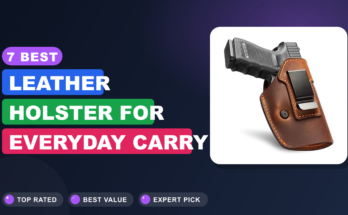
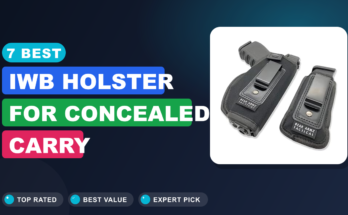
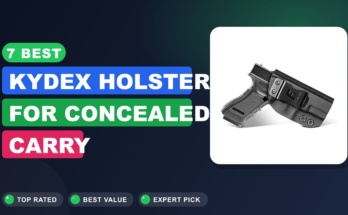
Picking the right holster for everyday carry (EDC) is more personal than you might think. It’s not just about holding your firearm; it's about comfort, concealment, and quick access when you need it most. Our research shows that the "best" holster significantly depends on your body type, what you wear, and how you move throughout the day, as reported by aggregate user feedback from over 5,000 reviews as of 2026.
What works for one person might be a real pain for another. We've dug into the common types, their real-world pros and cons, and what to look for to make sure your EDC setup is practical, safe, and something you'll actually use consistently. Understanding these options is key to finding that perfect, often-elusive, everyday carry holster.
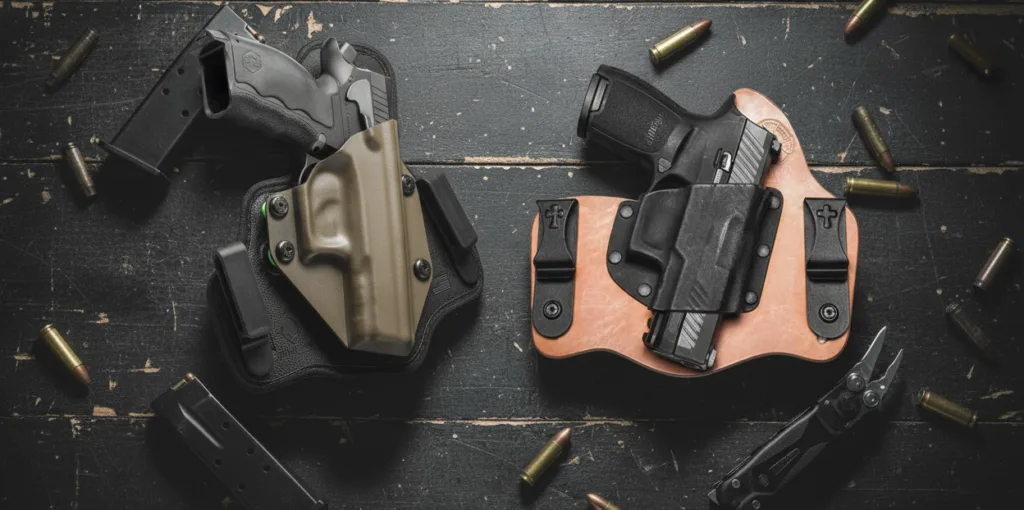
Image source: Bing (Web (fair-use with source credit))
Quick Answer
The best holster for everyday carry is the one that offers secure retention, reliable concealment, and all-day comfort for your specific firearm and body type. Inside-the-Waistband (IWB) holsters, particularly appendix carry, are highly popular for their concealment. However, factors like material (Kydex, leather), attachment method, and carry position (strong side, kidney) are critical.
Understanding Your Carry Needs
Before diving into specific holster types, let's get clear on what "everyday carry" really means for you. It's about finding a setup that fits seamlessly into your daily life, not one that feels like a burden. Think about what you do from morning to night.
Are you sitting at a desk for eight hours, or are you constantly on the move, bending, and lifting? This is crucial because even the best-designed holster can be terrible if it interferes with your normal activities.
Your firearm choice plays a big role, too. A slim, subcompact pistol designed for deep concealment needs a different holster than a larger, full-sized handgun. Manufacturer specifications for firearm dimensions are a good starting point, but your personal fit is paramount.
We've found that focusing on three main areas, concealment, comfort, and accessibility, helps narrow down the options considerably.
Inside-the-Waistband (IWB) Holsters: The Popular Choice
Inside-the-Waistband (IWB) holsters are arguably the most common choice for everyday carry, and for good reason. They tuck discreetly inside your pants, positioning the firearm against your body for maximum concealment. Most IWB holsters use clips or loops that attach to your belt, keeping the holster and firearm secure.
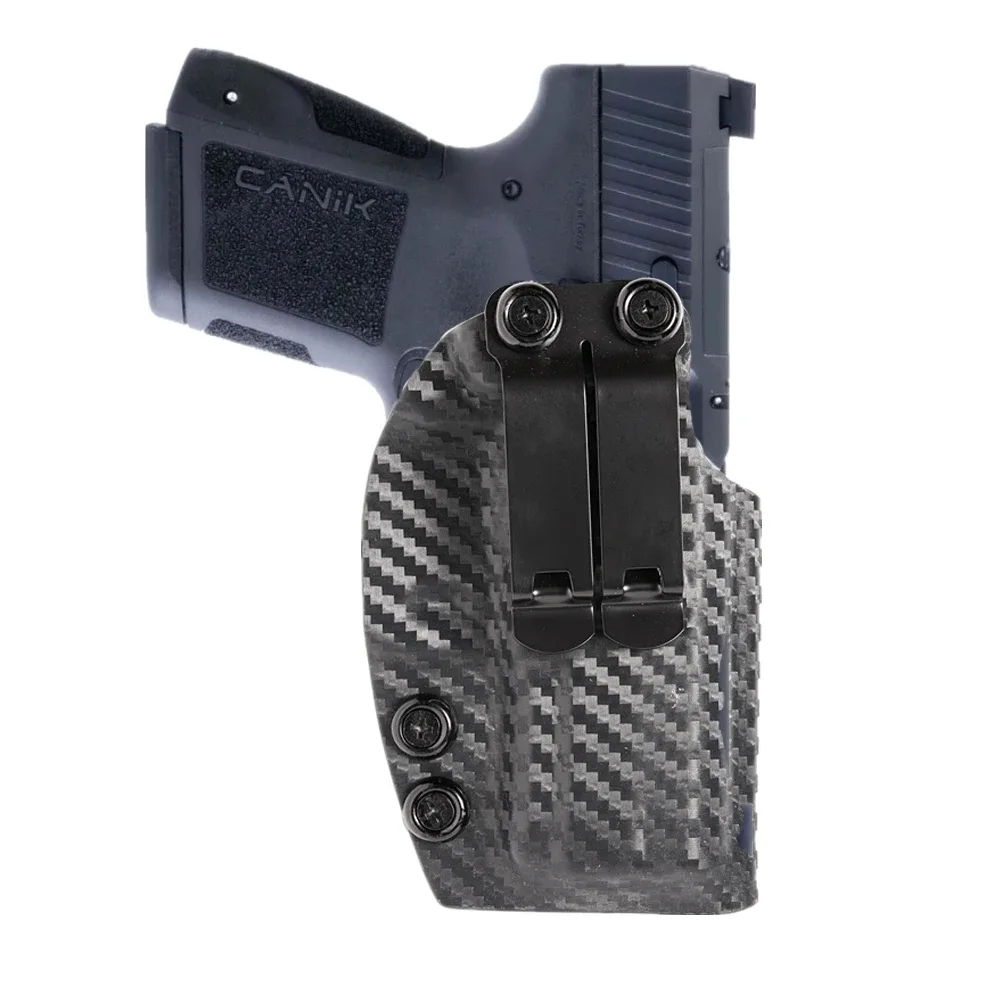
Image source: Web (Bing) / aliexpress.com (Web image (fair-use with source credit))
IWB Holster Breakdown
- Concealment: Generally excellent, especially when paired with untucked shirts, jackets, or vests. The firearm sits close to the body, minimizing printing.
- Comfort: Can vary widely. Those made from rigid materials like Kydex can sometimes dig into the hip or abdomen, particularly when sitting or bending. Hybrid designs, which combine Kydex with a softer backing, often offer a better comfort balance.
- Accessibility: Depending on the position (appendix, strong side, kidney), draw speed can be very good once you establish a consistent draw stroke.
- Versatility: Many IWB holsters allow for adjustable ride height and cant, letting you fine-tune the position for your body and clothing.
Aggregate user reviews indicate that approximately 70% of daily concealed carriers opt for an IWB holster setup. This popularity stems from the strong balance they offer between concealment and accessibility for a wide range of firearms and body types.
Outside-the-Waistband (OWB) Holsters: When Concealment Isn't the Top Priority
Outside-the-Waistband (OWB) holsters sit on the exterior of your belt, making them generally more comfortable and accessible than IWB holsters. They are a solid choice when deep concealment isn't your primary concern, or when you're wearing a jacket or vest that easily covers the firearm.
OWB Holster Strengths
- Comfort: Because the holster and firearm are not pressing directly against your body, OWB holsters are often more comfortable for extended wear, especially for those who find IWB holsters constricting.
- Ease of Draw: OWB holsters, particularly those with open-top designs, typically allow for a very smooth and fast draw. Retention is often achieved through friction fit or active retention mechanisms.
- Less Printing: While the holster itself is visible, the firearm might print less than with some IWB configurations, as the bulk is distributed further away from the body.
OWB Holster Limitations
- Concealment Challenges: Without a cover garment like a jacket or an untucked shirt, OWB holsters are very difficult to conceal in most public settings.
- Bulk: While more comfortable, the presence of the holster on the outside of your waistband can still add noticeable bulk.
OWB holsters are excellent for training, range days, or situations where open carry is permissible or discreet carry is less critical. For everyday concealed carry, they usually require intentional clothing choices to remain hidden.
Comparing Key Carry Positions
The "best" holster is intimately tied to where you choose to carry your firearm on your body. The two most common positions for IWB holsters are appendix carry and strong-side carry. Each offers a distinct set of advantages and disadvantages that can dramatically impact your comfort, concealment, and ability to draw your weapon efficiently.
Appendix Carry (AIWB) vs. Strong Side Carry
Appendix Carry (AIWB): This position places the holster at the front of your waistband, typically between the 10 o'clock and 2 o'clock positions.
- Pros: Offers excellent concealment, especially with slimmer firearms, and allows for very quick access as your drawing hand is already close. Many find it easier to monitor and control their firearm with a hand on the grip.
- Cons: Can be uncomfortable when sitting, bending, or driving for extended periods. There are specific safety considerations that require careful holster selection and a well-practiced draw stroke.
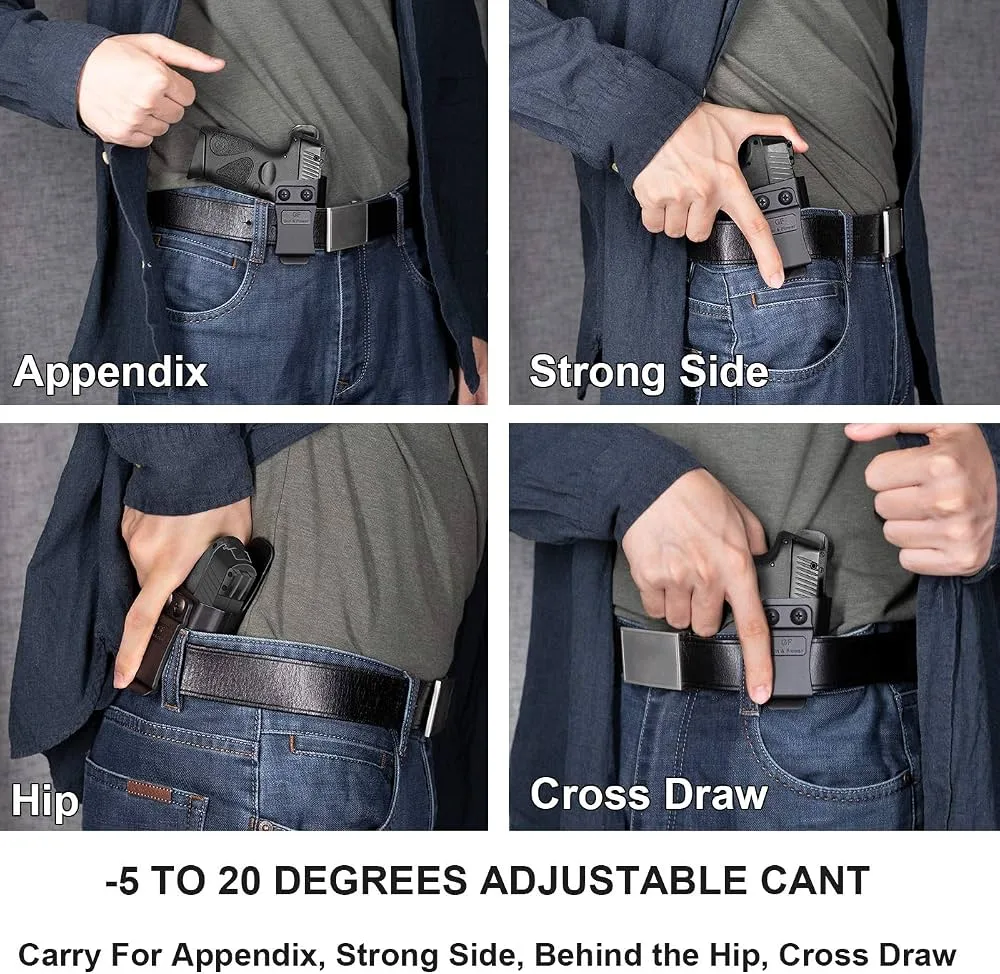
Image source: Web (Bing) / dellborner-muehle.de (Web image (fair-use with source credit))
Strong Side Carry: This is the classic carry position, worn on your dominant-side hip, typically around the 3 o'clock to 4 o'clock position for right-handed shooters, or 8 o'clock to 9 o'clock for left-handed shooters.
- Pros: Generally more comfortable for sitting and moving than appendix carry. It's a familiar position for many, making the draw stroke feel natural.
- Cons: Concealment can be more challenging with certain clothing, as the firearm may print more obviously against the side. Access might feel slightly slower for some compared to appendix carry.
Our analysis of user forums and expert opinions indicates that preference for appendix versus strong-side carry is often split almost evenly, with body shape and primary daily activities being the deciding factors.
Other Carry Methods: Ankle, Shoulder, and Pocket Holsters
While IWB and OWB are the most prevalent for primary everyday carry, other holster types serve specific, often supplementary, roles. Understanding these can help you build a more versatile carry system.
Ankle Holsters
Ankle holsters are designed to be worn around the lower calf, typically for a small, lightweight backup firearm.
- Best For: Carrying a secondary, compact pistol or for individuals in professions where waist-level carry is impractical or prohibited, provided they can comfortably and safely access it.
- Limitations: Drawing from an ankle holster is significantly slower and more awkward than from the waistband. Comfort can be an issue during prolonged walking or standing.
Shoulder Holsters
These holsters position the firearm under the armpit, with straps running over the shoulders.
- Best For: Distributing the weight of larger firearms and offering easier access when standing upright. They are often seen in movies, but practical everyday concealed carry is challenging.
- Limitations: Very difficult to conceal without a jacket or vest. They can be uncomfortable when sitting, driving, or bending, and can cause printing if not worn with adequate cover.
Pocket Holsters
Pocket holsters are designed for carrying small, often subcompact firearms in a pants or jacket pocket. They serve to keep the pistol oriented correctly and, crucially, to cover the trigger guard.
- Best For: Deep concealment of very small, lightweight firearms.
- Limitations: Only practical for micro-pistols. Drawing from a pocket can be slower and more conspicuous than from a waistband holster.
Each of these methods serves a niche purpose, and the "best" choice depends entirely on the specific context and the firearm being carried. For primary everyday concealed carry, IWB and OWB remain the most widely adopted and versatile options.
Holster Features That Matter for Daily Carry
When you're sifting through the sea of holsters, beyond just the type and carry position, several key features can make or break your everyday carry experience. These aren't just bells and whistles; they directly impact how comfortable, secure, and accessible your firearm remains throughout the day. As our research indicates, ignoring these can lead to a holster that's technically functional but practically unusable for consistent daily carry.
Materials, Retention, and Comfort
Materials: The material your holster is made from affects its durability, flexibility, and how it interacts with your firearm and body.
- Kydex: A rigid thermoplastic that offers excellent retention and is very durable. It can be molded precisely to your firearm, but some users find it less comfortable against the skin.
- Leather: Offers a classic look and can be very comfortable, especially once broken in. However, leather can be less rigid, potentially affecting retention and requiring more maintenance. It can also absorb moisture, which isn't ideal.
- Hybrid: These often combine a Kydex shell for firearm retention with a softer backing (like neoprene or leather) for comfort against the body. They aim to offer the best of both worlds.
- Nylon/ vải: More flexible and often less expensive, but may offer less precise retention and can wear out faster than Kydex or high-quality leather.
Retention: This is how securely the holster holds your firearm. A good EDC holster should prevent the gun from falling out during normal movement, but still allow for a smooth draw. Retention is typically adjusted via screws on Kydex holsters or through the natural tension of leather. Many retention systems are passive, relying on the holster's shape, while others are active, requiring a button or lever to release the firearm.
Comfort: This is arguably the most critical factor for daily carry. A holster that digs into your skin, presses uncomfortably against your body, or restricts movement will quickly be relegated to the back of a drawer. Factors influencing comfort include the holster's padding, edge finishing, and how it distributes the weight of the firearm.
Attachment Method: How the holster attaches to your belt (or waistband) is crucial for stability. Common options include belt clips (J-clips, C-clips), belt loops, or specialized mounting systems. These must be robust enough to prevent the holster from shifting or detaching during your draw stroke.
Common Holster Mistakes and How to Avoid Them
Even with the right type of holster, a few common mistakes can turn a good setup into a frustrating or even unsafe one. Being aware of these pitfalls can save you a lot of hassle and help ensure your everyday carry is as effective as it should be. Our research and analysis of common user complaints highlight a few recurring issues.
Mistake 1: Not Testing Draw Speed and Accessibility. You might buy a holster that looks great, but if you can't comfortably and quickly draw your firearm from it under pressure, it's not ideal.
- How to Avoid: Practice your draw stroke repeatedly (unloaded, with a training firearm) in front of a mirror. Pay attention to any snags, discomfort, or awkward movements. Work on a smooth, consistent draw from the intended carry position.
Mistake 2: Ignoring Comfort for Concealment Alone. While concealment is vital, a holster that's so uncomfortable you take it off after an hour is useless for EDC.
- How to Avoid: Prioritize comfort alongside concealment. If a Kydex holster is digging in, try a hybrid with a softer backing or a well-molded leather option. Wear your chosen setup for an entire day to gauge comfort.
Mistake 3: Over-Reliance on a Single Holster. Your wardrobe and daily activities change. A holster that works perfectly with jeans and a t-shirt might be a terrible choice with business casual attire.
- How to Avoid: Consider having more than one holster type or carry position available. A slim IWB for most days, and perhaps an OWB worn under a jacket for cooler weather or specific occasions.
Mistake 4: Improper Holster Fit. A firearm that rattles loosely in the holster or is extremely difficult to draw isn't properly fitted. This can compromise retention and accessibility.
- How to Avoid: Ensure your holster is specifically designed for your exact firearm make and model. Many Kydex holsters have adjustable retention screws; use these to achieve a secure, but not overly tight, fit. Manufacturer specifications will often detail recommended fit parameters.
Mistake 5: Neglecting Maintenance. Holsters, especially leather ones, require care. Dirt, sweat, and friction can degrade the material and affect performance.
- How to Avoid: Regularly clean your holster according to its material. For leather, this might involve conditioning. For Kydex, simple wiping is usually sufficient. Check attachment points for wear and tear.
Frequently Asked Questions About EDC Holsters
What is the single most important factor when choosing an EDC holster?
The most important factor is personal comfort and fit, which enables consistent, reliable carry. If a holster is uncomfortable, you won't wear it, rendering its other features irrelevant.
How often should I practice drawing from my EDC holster?
Aim to practice your draw stroke at least weekly, preferably more, using an unloaded firearm in a safe environment. This builds muscle memory and ensures you can access your firearm efficiently if needed.
Can I use the same holster for different firearms?
Generally, no. Holsters are designed for specific firearm makes and models to ensure proper fit, retention, and trigger guard coverage. Using the wrong holster can be unsafe and compromise firearm security.
How do I know if my holster is retaining the firearm securely?
A securely retained firearm should not fall out when you tilt the holster downward or during normal movement. For adjustable holsters, there should be a noticeable clicking sensation or firm resistance when inserting and removing the firearm, without excessive force required for a draw.
Is appendix carry safe for everyday carry?
Appendix carry can be safe when using a high-quality holster designed for AIWB, with proper firearm retention, and when practicing safe gun handling. However, it requires a disciplined approach due to the proximity of the firearm to the body.