How tight should a holster be? It's a question that strikes at the heart of safe and effective firearm carriage. Get it too loose, and you risk a dangerous unsecured firearm; too tight, and you compromise your ability to draw when you need it most.
We’re aiming for that crucial balance: a secure fit that keeps your firearm in place, yet allows for a swift, unobstructed draw.
Finding this balance isn't just about preference; it's about function and safety, especially when considering standards like those for law enforcement duty gear, which often emphasize both retention and rapid accessibility. This guide will help you figure out what "just right" feels like for your specific needs, steering you away from common pitfalls.
Quick Answer
A holster should be tight enough to retain your firearm securely when inverted, but loose enough to allow a smooth, unimpeded draw. This means feeling a slight resistance as the firearm seats and a clean pull when drawing. Over-tightening impedes speed; over-loosening compromises safety.
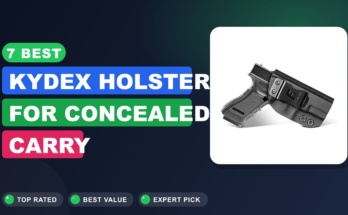
Adjustments are typically made via screws on Kydex holsters.
What's the Goal? Secure Firearm, Smooth Draw
At its core, your holster's job is twofold: keep your firearm secure and make it accessible. "Tightness" is really a measure of retention, how effectively the holster grips your gun. You need enough retention to prevent the firearm from falling out during normal movement, or even during a struggle.
Manufacturer specifications for duty holsters, for instance, often outline specific retention requirements to ensure against accidental loss.
However, retention alone isn't the whole story. If drawing your firearm feels like wrestling a bear, that retention is too high for practical use. We're looking for that satisfying "click" or "snap" when the gun seats, and a clean, unobstructed pull when you need it.
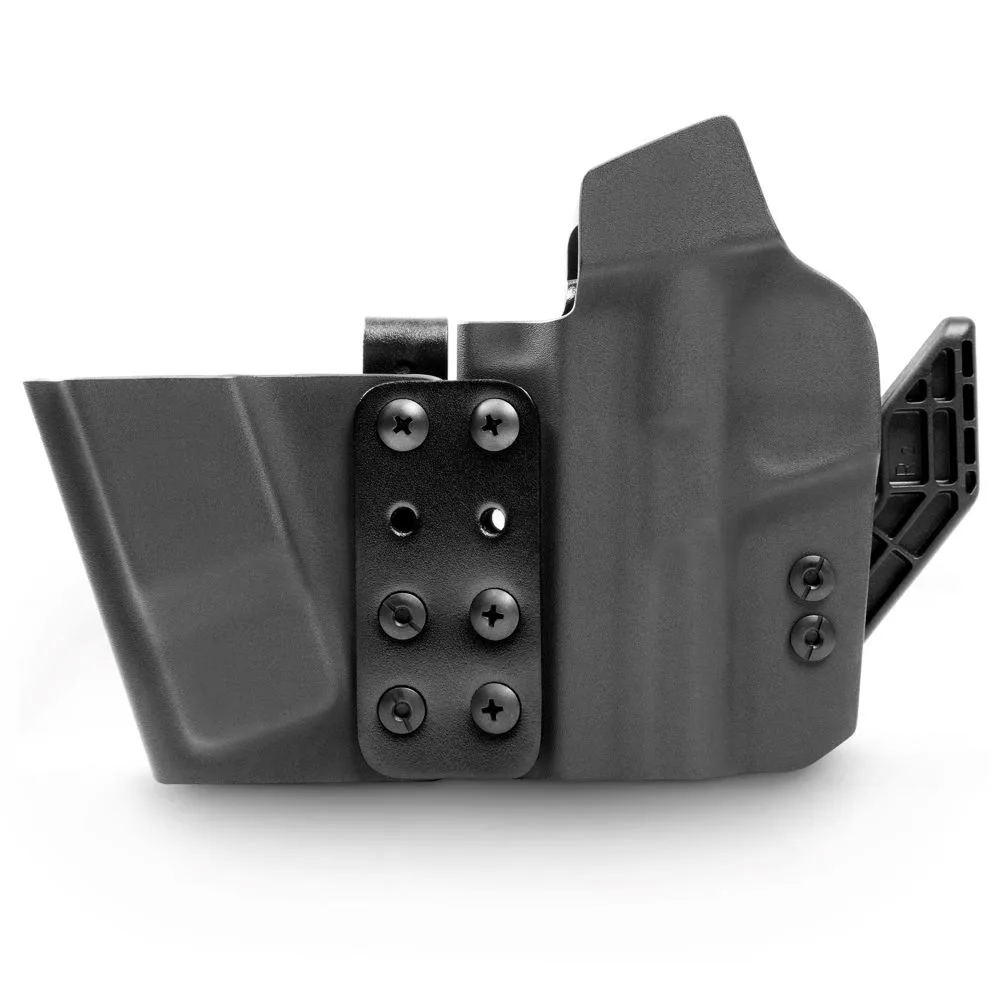
Image source: Web (Bing) / ebay.com (Web image (fair-use with source credit))
How Your Carry Style Shapes Holster Tightness
The way you carry your firearm drastically influences the ideal holster retention. What works for concealed carry might be too loose for range training, and vice-versa. Understanding these different scenarios helps you tune your holster correctly.
Everyday Carry (EDC) & Concealed Holsters
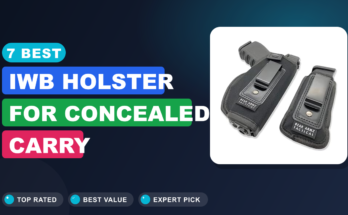
For everyday concealed carry (EDC), you're balancing security with discretion and speed. The holster needs to hold the firearm firmly against your body under clothing, preventing it from shifting or printing. Aggressive retention might make drawing difficult or noticeable through fabric.
Conversely, a holster that's too loose could allow the firearm to move, affecting concealment and potentially dislodging the gun during movement. Finding that sweet spot means you can draw efficiently if needed, without broadcasting your intentions.
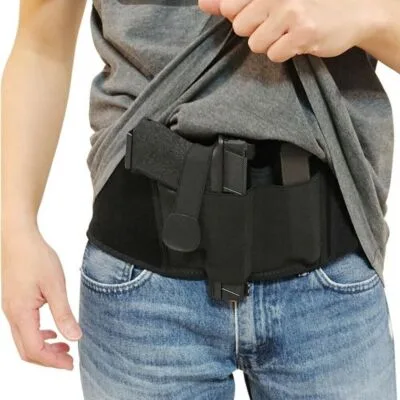
Image source: Bing (Web (fair-use with source credit))
Open Carry & Range Holsters
When carrying openly or spending time at the shooting range, your primary concerns shift slightly. Security is still paramount, ensuring the firearm remains holstered under all conditions. However, since concealment isn't an issue, you might opt for a slightly higher retention setting than you would for EDC.
This ensures maximum security. The key is still a smooth draw; you don't want to be fumbling when you need to present your firearm on the range or if a situation arises while you're openly carrying.
Competition Holsters
Competition shooting often emphasizes speed above all else, while still requiring absolute security. Many competition holsters are designed with adjustable retention screws, allowing shooters to fine-tune the fit to their exact preference. The goal here is to set retention just high enough to prevent the firearm from ejecting during dynamic movement, but low enough to facilitate the fastest possible draw.
This often requires a nuanced understanding of the firearm's profile and the holster's grip points.
Firearm Type & Holster Material: Does It Matter?
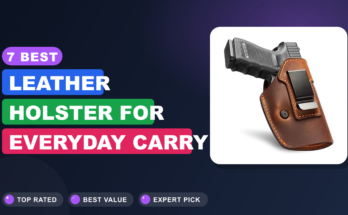
Your firearm's specific shape and the material your holster is made from significantly impact retention and how you'll adjust it. Kydex holsters, for example, are known for their precise molding, offering consistent retention that can often be adjusted. Leather holsters, on the other hand, can conform to your firearm over time, offering a different feel and sometimes requiring break-in to achieve optimal retention.
Different firearm types also present unique challenges. A striker-fired pistol with a consistent trigger guard shape might offer more predictable retention points compared to a hammer-fired pistol with external safeties or a revolver with its cylinder and grip profile. The holster is typically designed to grip specific points on the firearm, most commonly the trigger guard and often parts of the slide or frame.
Adjusting Your Holster: The Hands-On Guide
Finding your ideal holster tightness is an iterative process, primarily involving minor adjustments and consistent testing. Most modern Kydex holsters feature adjustment screws, usually located along the muzzle end or body of the holster. These screws control how tightly the holster grips the firearm.
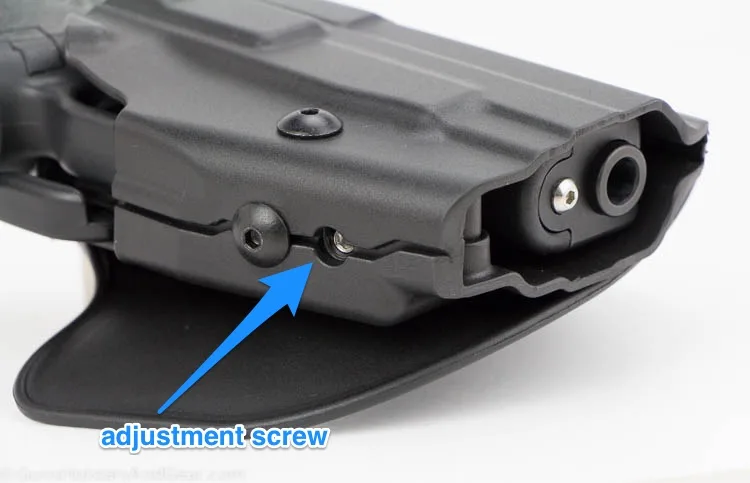
Image source: Bing (Web (fair-use with source credit))
Here’s a practical approach to getting that perfect fit:
- Start with a Baseline: Ensure your firearm is unloaded. Insert it into the holster. Does it seat fully and without excessive force? Does it feel reasonably snug?
- The Invert Test: Hold the holster with the firearm inserted and gently invert it. Does the firearm stay securely in place? If it falls out, the retention is too low. If it requires a significant shake or a hard pull to dislodge, it might be too tight.
- Practice Your Draw: With the firearm still unloaded, practice drawing from the holster. Aim for a smooth, consistent motion. Does the firearm clear the holster without snagging? Do you feel a distinct "snap" as it seats and an unobstructed pull when drawing? If you’re muscling it out, it's likely too tight.
- Make Small Adjustments: If needed, use a suitable screwdriver to turn the adjustment screws. Tighten them clockwise to increase retention, and loosen them counter-clockwise to decrease it. Make only small turns (e.g., a quarter turn) at a time.
- Retest and Repeat: After each adjustment, repeat the invert test and draw practice. Continue this cycle until you achieve a balance where the firearm is held securely but draws smoothly and quickly.
Common Holster Fit Problems and How to Fix Them
Even with adjustable holsters, issues can arise. Understanding these common problems can save you frustration and ensure your setup is reliable.
When Your Holster is Too Loose
If your firearm falls out when you invert the holster, or feels excessively wobbly while holstered, it's too loose. This is a significant safety concern.
- The Fix: Tighten the retention adjustment screws. If your holster doesn't have adjustable retention, or if tightening the screws doesn't provide enough grip, you might need to consider a different holster. For some Kydex holsters, slight heating and re-molding of the retention points can sometimes help, but this requires care and skill.
When Your Holster is Too Tight
A holster that makes drawing difficult, requires excessive force, or feels like it's snagging the firearm is too tight. This can impede your ability to draw effectively in a critical situation.
- The Fix: Loosen the retention adjustment screws. If there are no adjustment screws, or if loosening them doesn't yield a smooth draw, inspect the holster for any internal obstructions or areas that might be binding on the firearm's slide or frame. Sometimes, a bit of polishing or a slight modification of the holster's interior can resolve this, but proceed with caution.
Dealing with Inconsistent Retention
You might notice your firearm seats firmly at one point but is loose at another, or the draw has a "sticky" spot. This inconsistency can be frustrating and a potential safety issue.
- The Fix: This often indicates the holster wasn't perfectly molded to your firearm or there's a burr or imperfection inside. Carefully inspect the interior of the holster for any sharp edges or rough spots, especially around where the firearm makes contact. Gently smoothing these areas with fine-grit sandpaper or a polishing compound can sometimes resolve the issue. If the inconsistency persists, the holster itself might be flawed.
Safety First: Avoiding Draw-Related Risks
When your holster retention is too loose, the risks are significant and immediate. Your firearm could inadvertently fall out during everyday activities, potentially leading to loss, damage, or, worst-case scenario, unauthorized access by someone else. This is particularly critical for concealed carry, where an unsecured firearm poses a threat to yourself and others around you.
Manufacturer specifications for duty-grade holsters, often developed with input from law enforcement agencies, frequently address specific passive and active retention mechanisms to mitigate these risks, aiming for a retention force of around 15-20 pounds for Level II retention devices as of 2026.
Conversely, while less immediately dangerous, a holster that is too tight presents its own set of problems. In a self-defense situation, a slow or failed draw due to an overly tight holster can have dire consequences. Precious seconds can be lost struggling to free your firearm, potentially leaving you vulnerable.
This highlights why finding that precise balance isn't just about comfort; it's a fundamental aspect of safe and effective firearm carriage.
Frequently Asked Questions About Holster Tightness
What is "retention" in the context of a holster?
Retention refers to how well a holster holds onto your firearm, preventing it from accidentally dislodging during movement, physical activity, or even a struggle. It’s a key safety feature designed to keep your gun secure.
How can I tell if my holster is too tight?
If drawing your firearm requires excessive force, feels jerky, or you notice the firearm snagging, your holster is likely too tight. You should be able to achieve a smooth, consistent draw with minimal effort once your grip is established.
Can I make a leather holster tighter?
Leather holsters often conform to the firearm over time. While they can be stiff initially, they typically don't have adjustment screws like Kydex. If a leather holster becomes too loose, it might require professional adjustment or replacement.
How often should I check my holster's retention?
It’s good practice to check your holster’s retention regularly, especially if you’ve subjected it to significant stress or if you’ve made any changes to your firearm or the holster itself. A quick invert test before heading out can offer peace of mind.
Are there different levels of holster retention?
Yes, holsters are often categorized by retention levels. Level I typically involves friction retention. Higher levels (Level II, III, etc.) incorporate active retention devices like thumb straps or hood mechanisms that require a deliberate action to disengage, often seen in duty or law enforcement holsters.