Are you feeling uncomfortable in your own home? Is the air around you often damp, sticky, or heavy?
These might be signs that your space needs a dehumidifier. But how do you really know if you need one? Understanding the subtle clues your home gives you can make a big difference in your comfort and health. Keep reading, and you’ll discover the simple ways to tell if a dehumidifier is right for you—and why it could change the way you live every day.
Signs Of Excess Humidity
Excess humidity in your home causes many problems. It can damage walls, furniture, and your health. Knowing the signs helps you decide if you need a dehumidifier. Look for these common signs to spot high humidity early.
Condensation On Windows
Water droplets on windows show high indoor moisture. This happens when warm air meets cold glass. Condensation often appears in mornings or cold weather. It may cause paint to peel and wood to rot.
Musty Odors
A musty smell means damp air. This odor comes from mold and mildew growth. It often hides in closets, basements, or behind furniture. A fresh smell should replace the musty scent once humidity drops.
Visible Mold Growth
Mold spots appear on walls, ceilings, or corners. They look like black, green, or white patches. Mold harms your health and weakens building materials. Removing mold needs controlling the moisture source first.
Health-related Symptoms
Health issues can signal the need for a dehumidifier in your home. High humidity creates a perfect place for mold and dust mites. These can cause many health problems. Recognizing these symptoms helps you act fast. Reducing humidity can improve your comfort and health.
Frequent Allergies Or Respiratory Issues
Do you often suffer from sneezing, coughing, or itchy eyes? These symptoms can worsen in humid spaces. Moist air helps mold grow on walls and furniture. Mold spores irritate your lungs and skin. Asthma attacks might increase with high humidity. Using a dehumidifier reduces these triggers. It helps you breathe easier and feel better.
Increased Dust Mites
Dust mites thrive in damp places. They feed on dead skin and live in bedding and carpets. Their waste causes allergic reactions and breathing problems. High moisture supports their growth and spread. A dry environment stops dust mites from multiplying. A dehumidifier keeps your home less friendly to these pests. This lowers allergy symptoms and improves indoor air quality.
Home Damage Indicators
High humidity can harm your home in many ways. It affects walls, floors, and the air you breathe. Recognizing early signs helps stop damage fast.
Watch closely for changes in your home’s condition. These hints show when a dehumidifier can protect your space.
Warped Wood Or Peeling Paint
Wood swells and bends with too much moisture. Floors and furniture may lose their shape. Paint starts to bubble, peel, or crack. These signs mean humidity is too high. Ignoring them leads to costly repairs later.
Damp Or Stuffy Rooms
Rooms feel wet or heavy in the air. Clothes and fabrics smell musty or stale. Condensation collects on windows and walls. These conditions can cause mold growth. A dehumidifier helps clear the air and dry out the space.

Benefits Of Using A Dehumidifier
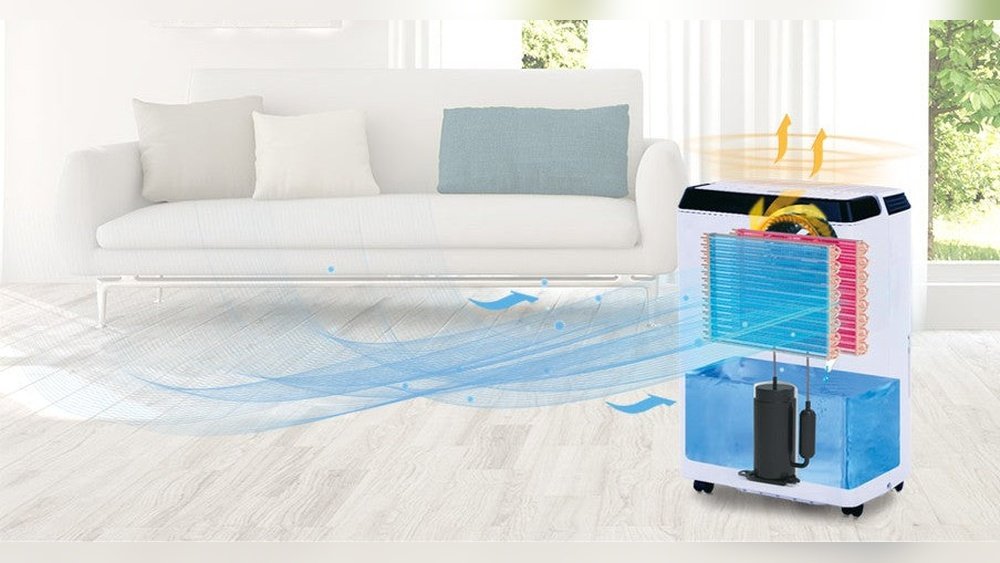
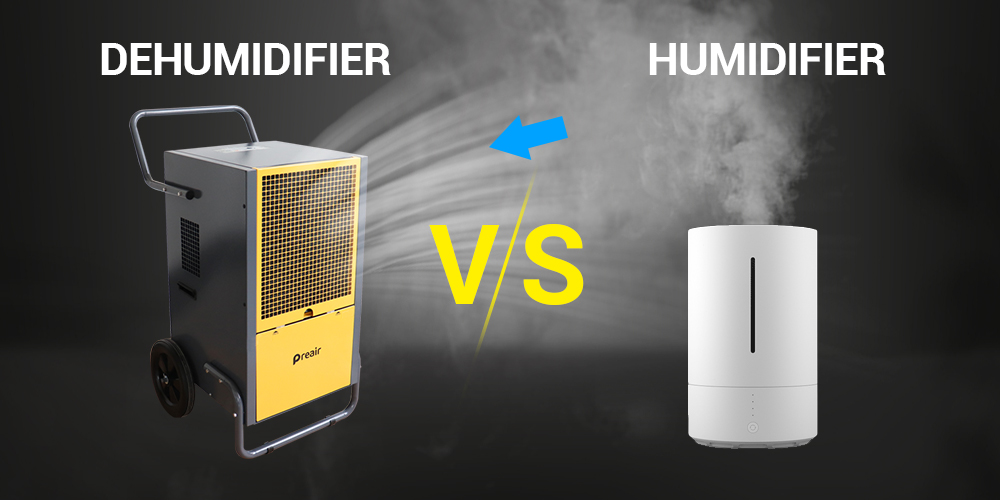
Using a dehumidifier brings many benefits to your home and health. It helps control moisture in the air. This control stops problems caused by excess humidity. Dehumidifiers make your living space more comfortable and safer.
Improved Air Quality
High humidity allows mold and dust mites to grow. These can cause allergies and breathing problems. A dehumidifier lowers humidity levels. It reduces these harmful particles in the air. Cleaner air means easier breathing and less irritation. This is especially helpful for people with asthma or allergies.
Protection Of Property
Too much moisture damages walls, floors, and furniture. It can cause paint to peel and wood to rot. A dehumidifier helps keep these problems away. It protects your home and belongings from moisture damage. This saves money on repairs and keeps your space looking good.

Frequently Asked Questions
How Do I Identify High Humidity In My Home?
High humidity often causes condensation on windows and walls. You might notice a musty smell or mold growth. Using a hygrometer can help measure indoor humidity levels accurately. Ideal indoor humidity is between 30-50%.
What Health Issues Indicate I Need A Dehumidifier?
Excess humidity can worsen allergies, asthma, and respiratory problems. Mold spores and dust mites thrive in moist environments. If you experience frequent sneezing or coughing, a dehumidifier might help improve air quality.
Can A Dehumidifier Prevent Mold And Mildew Growth?
Yes, a dehumidifier reduces moisture that mold and mildew need to grow. Lowering indoor humidity below 50% inhibits their development. This helps protect your home’s structure and your health.
Where Should I Place A Dehumidifier For Best Results?
Place your dehumidifier in damp, poorly ventilated areas like basements or bathrooms. Ensure it has space for air circulation. Positioning it near moisture sources maximizes efficiency and improves overall comfort.
Conclusion
High humidity can cause many problems at home. Mold, dust mites, and bad smells often mean you need a dehumidifier. It helps keep the air dry and healthy. Feeling sticky or noticing damp walls? These are clear signs. A dehumidifier also protects your furniture and clothes from damage.
Choosing the right one keeps your space comfortable all year. Don’t wait for big issues. Act early for a fresher, cleaner home environment.