Are you tired of that sticky, uncomfortable feeling in your home? You might wonder, how long does it take a dehumidifier to lower humidity?
Knowing the answer can help you feel comfortable faster and protect your home from mold and damage. You’ll discover exactly what affects the time it takes for a dehumidifier to work, so you can set the right expectations and enjoy fresh, dry air sooner.
Keep reading to find out how to make your dehumidifier work best for you!
Factors Affecting Dehumidifier Speed
Several factors influence how fast a dehumidifier lowers humidity. Understanding these factors helps set the right expectations for performance. Each element plays a role in the speed and efficiency of moisture removal.
Room Size And Layout
The size of the room greatly affects dehumidifier speed. Larger rooms take longer to dry than small ones. Open spaces allow better airflow, helping the device work faster. Rooms with many corners or furniture block air movement, slowing down moisture removal.
Initial Humidity Levels
Higher humidity means the dehumidifier must remove more moisture. This increases the time needed to reach the desired level. If the air feels very damp, expect a longer drying process. Lower starting humidity means the device works faster and uses less energy.
Dehumidifier Capacity
Each dehumidifier has a capacity rating, usually in pints per day. A unit with higher capacity removes moisture faster. Using a small dehumidifier in a large, damp room causes slower results. Choosing the right size for your space is key to quick humidity control.
Air Circulation
Good air circulation helps the dehumidifier pull in moist air. Fans or open windows can improve airflow. Stagnant air traps moisture, making the device work harder. Keep doors and vents open for better air movement and faster drying.

Average Time To Reduce Humidity
Understanding the average time for a dehumidifier to lower humidity helps set realistic expectations. Several factors affect this time. Room size is one of the main factors. The bigger the room, the longer it takes to reduce moisture. The starting humidity level also plays a role.
Dehumidifiers work by pulling moisture from the air. They run until the humidity reaches the desired level. The time varies by room size and the dehumidifier’s capacity. Below is a simple breakdown of average times for different room sizes.
Small Rooms
Small rooms up to 150 square feet dry out quickly. A typical dehumidifier can lower humidity in 1 to 3 hours. These rooms include bathrooms, closets, or small bedrooms. The dehumidifier removes moisture faster because of the limited space.
Medium Rooms
Medium rooms between 150 and 300 square feet take longer. It usually takes 3 to 6 hours to reduce humidity. Living rooms, larger bedrooms, or offices fall into this size. The dehumidifier works steadily to pull moisture from the larger volume of air.
Large Rooms
Large rooms over 300 square feet need more time. It can take 6 to 12 hours or more to lower humidity. Basements, large living areas, or open floor plans fit here. A high-capacity dehumidifier helps speed up the process in these spaces.
Tips To Speed Up Humidity Reduction
Reducing humidity quickly makes your home more comfortable. A dehumidifier works faster with a few simple steps. These tips help lower moisture in the air efficiently. Follow these easy ideas to speed up the process.
Optimal Placement
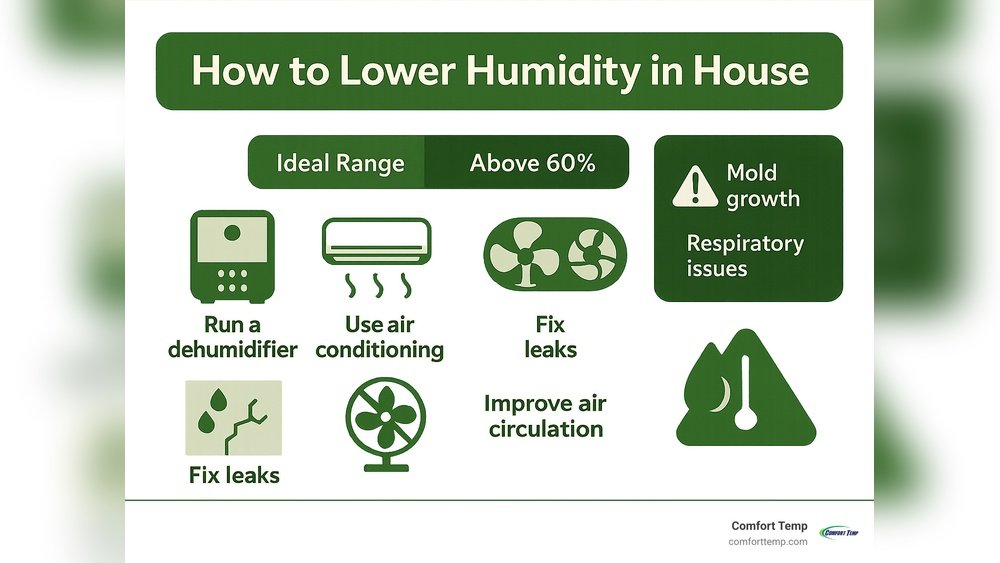
Place the dehumidifier in the most humid room. Keep it away from walls and furniture. Allow air to flow freely around the device. The better the airflow, the faster it works. Avoid placing it near heat sources or direct sunlight.
Using Fans
Use fans to move air across the room. Fans help spread dry air and reduce damp spots. They improve circulation and help the dehumidifier work faster. Position fans to push moist air toward the dehumidifier. This simple step speeds up humidity removal.
Sealing Windows And Doors
Close windows and doors tightly to stop humid air from entering. Check for gaps or cracks and seal them well. Preventing outside moisture keeps indoor humidity lower. This helps the dehumidifier maintain dry air more quickly and effectively.

Signs Your Dehumidifier Is Working Efficiently
Knowing if your dehumidifier works well helps keep your home comfortable. It also stops mold and damp smells. Signs show if the machine does its job properly. Watch closely to see if it meets your needs.
Droplet Collection
Water drops form inside the dehumidifier tank. This means it pulls moisture from the air. Check the tank after a few hours. A steady water level shows the machine works well. No water or little water means a problem.
Noise Levels
Dehumidifiers make some sound when running. A soft hum is normal and shows it works. Loud or strange noises can mean trouble. Listen to the machine often. Quiet operation means smooth functioning.
Humidity Readings
Use a hygrometer to check room humidity. The number should drop after turning on the dehumidifier. The goal is a comfortable range, usually 30% to 50%. If humidity stays high, the machine might not work right.
Common Issues Slowing Down Dehumidification
Dehumidifiers work to lower humidity by removing moisture from the air. Sometimes, they take longer than expected. Certain problems can slow down this process. Identifying these issues helps improve efficiency and speed up dehumidification.
Clogged Filters
Dirty or clogged filters block air flow. This reduces the machine’s ability to pull moisture from the air. Regular cleaning or replacement keeps the dehumidifier working well. Check filters monthly to avoid slow performance.
Improper Size
Using a dehumidifier that is too small limits its power. It struggles to handle large or very damp spaces. This causes it to run longer without lowering humidity effectively. Choose the right size based on room area and moisture levels.
High Ventilation
High ventilation means fresh air constantly enters the room. This air may carry more moisture inside. The dehumidifier then works harder to remove it. Closing windows and doors helps the device lower humidity faster.
Frequently Asked Questions
How Long Does A Dehumidifier Take To Reduce Humidity?
A dehumidifier typically takes 2 to 4 hours to noticeably lower humidity. Exact time depends on room size, humidity level, and device capacity.
What Factors Affect Dehumidifier Drying Speed?
Room size, initial humidity, temperature, and dehumidifier power impact drying speed. Larger spaces and higher humidity require more time to reduce moisture.
Can A Dehumidifier Work Faster In Small Rooms?
Yes, dehumidifiers work faster in smaller rooms. Less air volume allows quicker moisture removal and faster humidity reduction.
How Often Should I Run My Dehumidifier?
Run your dehumidifier continuously until desired humidity (30-50%) is reached. Regular use maintains optimal indoor air quality and prevents mold growth.
Conclusion
A dehumidifier can lower humidity in a few hours. The exact time depends on room size and humidity level. Small rooms dry faster than large spaces. Running the device continuously helps reach the desired comfort. Keep doors and windows closed for best results.
Regular maintenance keeps the dehumidifier working well. Watch the humidity gauge to track progress. A dry room feels healthier and more comfortable. Simple steps make a big difference in air quality.