Have you ever walked into a room and immediately noticed that unpleasant musty smell? It can make your entire space feel uncomfortable and even affect your health.
You might wonder if a dehumidifier can be the simple solution to eliminate that stubborn odor for good. You’ll discover how a dehumidifier works, why musty smells happen, and whether this device can truly freshen up your home. Keep reading to find out how you can breathe easier and enjoy a cleaner, fresher environment starting today.
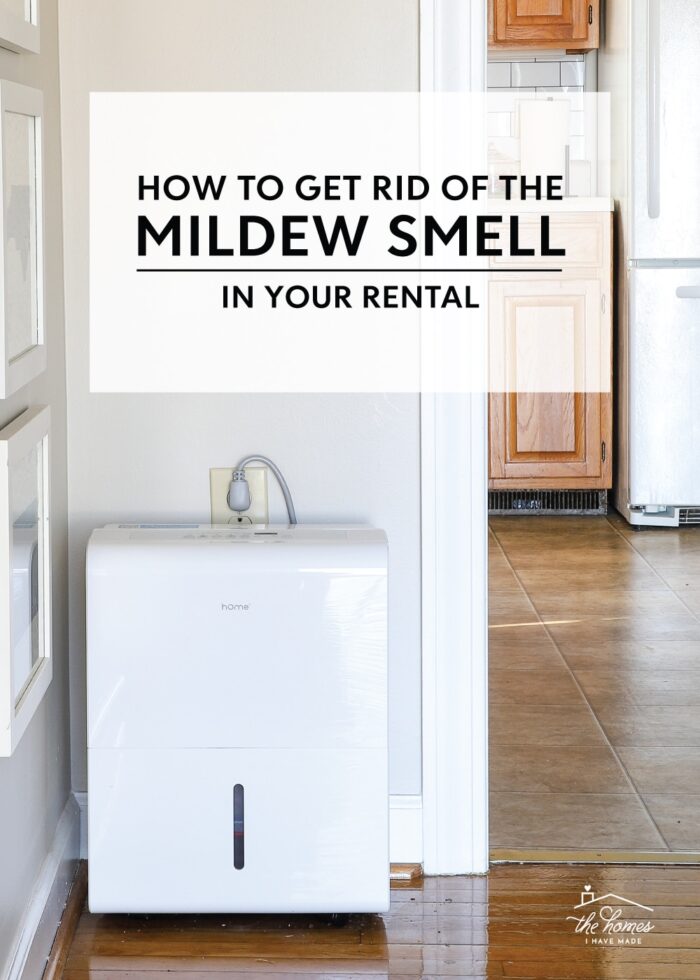
How Musty Smells Develop
Musty smells often appear in homes and buildings without clear causes. These odors usually come from unseen problems. Understanding how these smells develop helps to control and remove them effectively.
Musty odors come from tiny mold spores and bacteria. These grow in damp, dark places. The smell is a sign that moisture is present where it should not be.
Sources Of Mustiness
Musty smells start in places with poor air flow. Basements, closets, and bathrooms are common spots. Wet clothes, old furniture, and carpets can also hold these odors.
Hidden leaks in pipes or roofs cause damp walls and floors. This creates a perfect home for mold and mildew. Dust and dirt mixed with moisture also add to the smell.
Role Of Moisture In Odors
Moisture is the main cause of musty smells. It helps mold and bacteria grow quickly. Without moisture, these organisms cannot survive.
High humidity levels make the air feel heavy and damp. This encourages mold to spread on surfaces. Controlling moisture helps reduce and stop musty odors.
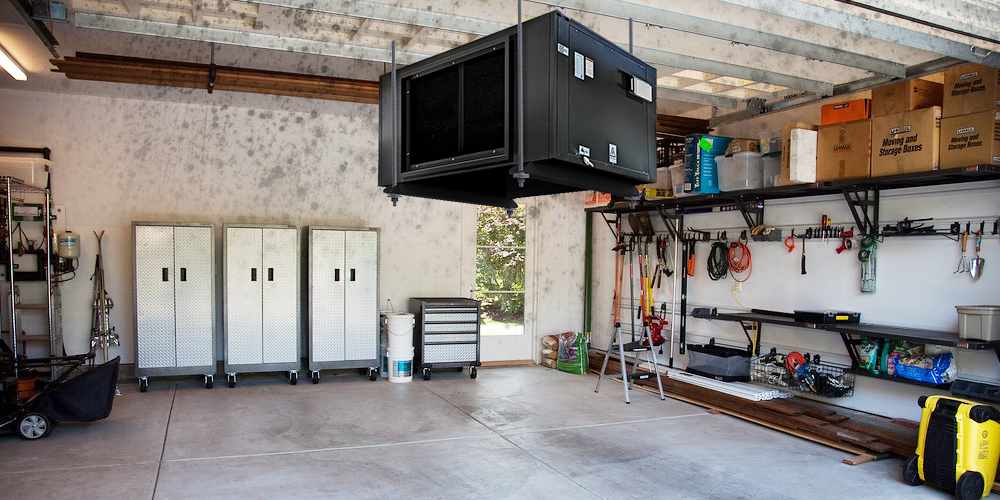
Dehumidifiers And Odor Removal
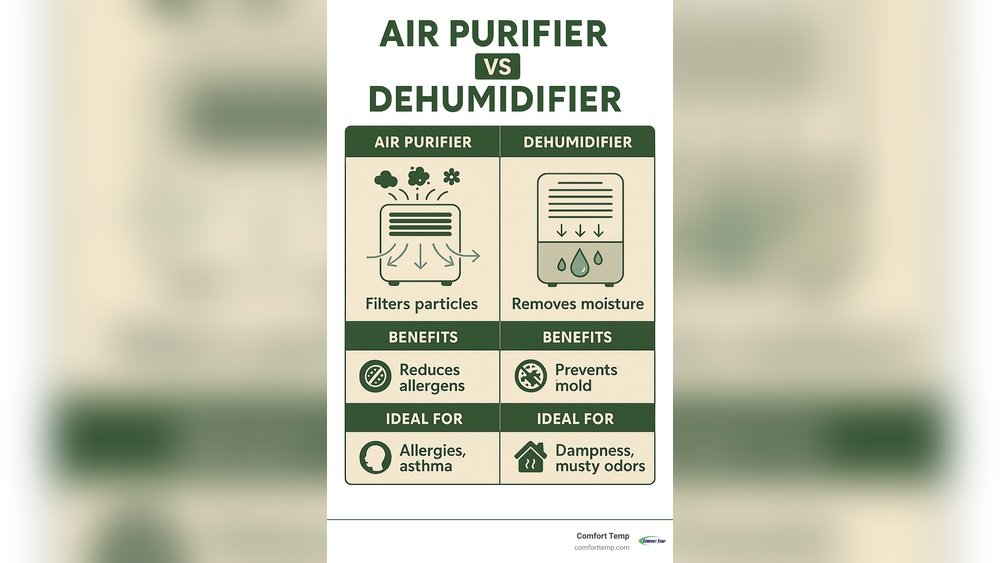
Musty smells often come from damp air and moisture. These odors can make a room feel uncomfortable and unhealthy. Dehumidifiers help by reducing moisture in the air. Less moisture means less chance for mold and mildew to grow. These fungi cause many musty smells. Using a dehumidifier can improve air quality and reduce bad odors.
Dehumidifiers do not mask smells with fragrance. Instead, they remove the cause of the odor. This makes the air fresher and cleaner. Understanding how dehumidifiers work helps explain their role in odor removal.
How Dehumidifiers Work
Dehumidifiers pull moist air from a room. Inside, they cool the air to condense water vapor. The water collects in a tank or drains away. The dry air then returns to the room. This cycle lowers humidity levels. Lower humidity stops mold and mildew from growing. It also slows down dust mites and bacteria. All these can cause bad smells. Dehumidifiers run automatically to keep humidity steady.
Effectiveness Against Musty Smells
Dehumidifiers reduce the moisture that mold and mildew need. Without moisture, these fungi die or stop growing. This cuts down musty odors at the source. Dehumidifiers work best in closed spaces with poor airflow. They help prevent new odors but do not clean old stains. For strong smells, cleaning surfaces is also needed. Using a dehumidifier alongside cleaning improves results. It keeps the air dry and fresh longer.
Choosing The Right Dehumidifier
Choosing the right dehumidifier is key to removing musty smells effectively. The right model can reduce dampness and stop mold growth. It also keeps your space fresh and comfortable. Picking the best dehumidifier depends on your room size and specific needs. Understanding capacity and useful features helps you make the best choice.
Capacity And Size Considerations
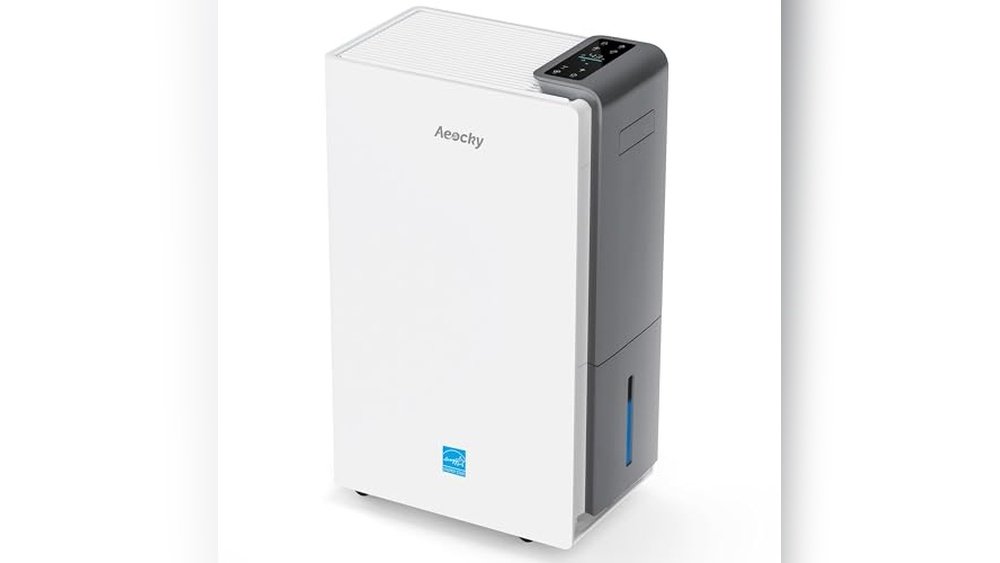
Dehumidifiers come in different sizes and capacities. Choose one that fits the room where you want to use it. Small units work well for bedrooms or bathrooms. Large units suit basements or living rooms. Capacity is measured in pints of moisture removed per day. A higher number means more moisture can be taken out. Too small a unit will not clear the air well. Too large may waste energy and money. Match capacity with room size for best results.
Additional Features To Look For
Some dehumidifiers have extra features for ease and safety. Auto shut-off stops the machine when the water tank is full. A built-in pump can drain water automatically. Adjustable humidity settings let you control moisture levels. Look for models with quiet operation for night use. Energy-saving modes reduce electricity use. These features improve convenience and comfort. Choose features that fit your lifestyle and space.
Placement Tips For Best Results
Proper placement of a dehumidifier plays a key role in removing musty smells. The right spot helps the device work faster and more efficiently. Poor placement limits air flow and reduces moisture removal. Small changes in location can make a big difference in freshness.
Ideal Locations In Your Home
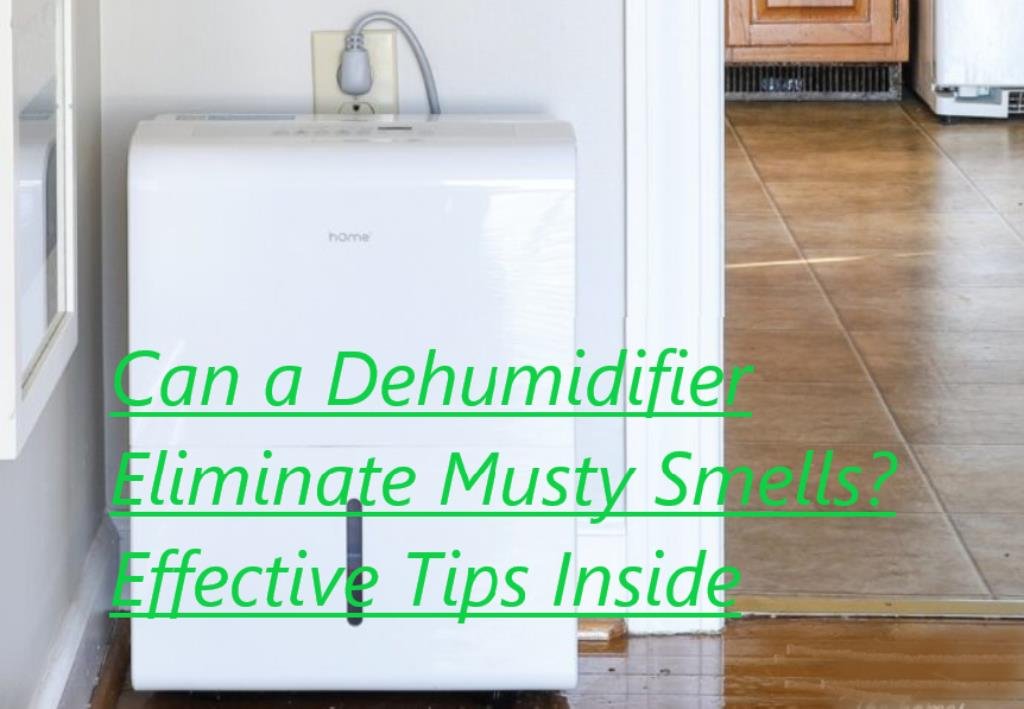
Basements and crawl spaces often have high moisture and smell musty. These areas are perfect for a dehumidifier. Bathrooms and laundry rooms also benefit from a dehumidifier. Place it near damp corners or walls. Avoid placing it behind furniture or inside closets. Open spaces allow better air flow and quicker drying.
Avoiding Common Placement Mistakes
Do not place a dehumidifier too close to walls or curtains. This blocks air intake and exhaust vents. Avoid placing the unit directly on carpet or soft surfaces. Use a hard, flat surface to ensure stability. Keep it away from heat sources like radiators. Heat can interfere with moisture removal. Lastly, do not block the sensor or controls. This keeps the device running smoothly and efficiently.
Maintenance To Prevent Odors
Maintenance plays a key role in keeping your dehumidifier free from musty smells. Dirt, dust, and mold can build up inside the machine. This buildup causes bad odors and reduces the device’s efficiency.
Regular care keeps the air fresh and the dehumidifier working well. Simple steps can stop odors before they start. Clean parts and fresh filters are essential for odor control.
Cleaning The Dehumidifier
Turn off and unplug the unit before cleaning. Wipe the exterior with a damp cloth. Open the water tank and wash it with mild soap and warm water. Rinse well and dry completely. Check the coils and fan for dust and dirt. Use a soft brush or cloth to clean these parts gently. Avoid harsh chemicals that can damage the machine.
Regular Filter Replacement
Filters trap dust and allergens but get dirty over time. Change the filter according to the manufacturer’s instructions. A clean filter improves air flow and stops smells. Check the filter every few weeks in humid environments. Replace it if you see dirt or mold. Keeping the filter fresh helps your dehumidifier work better and smell cleaner.
Complementary Methods To Fight Mustiness
Dehumidifiers help reduce moisture and cut down musty smells. Still, other methods work well alongside them. These extra steps improve air quality and stop odors from returning.
Improving Ventilation
Good airflow moves damp air outside. Open windows and doors when possible. Use fans to push stale air out. Ventilate rooms after showering or cooking. Proper ventilation keeps spaces dry and fresh.
Using Natural Odor Absorbers
Natural materials soak up bad smells. Baking soda placed in small bowls absorbs odors. Charcoal bags work well to clear the air. Houseplants like peace lilies help clean air. These options add freshness without chemicals.
When To Seek Professional Help
Knowing when to seek professional help is important for handling musty smells. Some problems need expert attention beyond a dehumidifier. Acting early can stop damage and keep your home safe.
Persistent Mold Issues
Mold can cause musty smells that a dehumidifier cannot fix. If mold keeps coming back, it means there is a hidden problem. Professionals can find and remove mold safely. They use tools to check places you cannot see. This helps stop mold from spreading and causing health problems.
Structural Moisture Problems
Musty smells may come from moisture inside walls or floors. This is a sign of structural moisture problems. A dehumidifier cannot fix leaks or water damage inside your home. Experts can find the source of moisture and repair it. Fixing these problems stops mold and keeps your home dry and fresh.

Frequently Asked Questions
Can A Dehumidifier Remove Musty Odors Completely?
Yes, a dehumidifier reduces moisture, which causes musty smells. It helps prevent mold and mildew growth. However, it may not remove existing odors entirely. Combining with cleaning and ventilation offers better results.
How Does A Dehumidifier Help Eliminate Musty Smells?
A dehumidifier lowers indoor humidity levels. This stops mold and mildew from thriving. Since these fungi cause musty odors, reducing moisture helps eliminate the smell effectively.
Should I Use A Dehumidifier For Mold-related Odors?
Yes, using a dehumidifier is effective for mold-related smells. It controls moisture, which mold needs to grow. This reduces odor sources and prevents future mold problems.
How Often Should I Run A Dehumidifier To Remove Odors?
Run the dehumidifier continuously in damp areas until odors fade. Afterward, use it regularly to maintain 30-50% humidity. This prevents musty smells from returning.
Conclusion
A dehumidifier helps reduce musty smells by cutting moisture. Less moisture means less mold and mildew growth. This makes your home smell fresher and cleaner. Keep the dehumidifier running in damp areas for best results. Remember, good ventilation also helps control odors.
A dehumidifier works best as part of a simple routine. It won’t fix all smells alone but is a big help. Regular use keeps your space dry and more comfortable. Musty odors don’t stand a chance with proper moisture control.