Are illuminated rifle scopes worth it? That's the question every hunter, target shooter, and new optics buyer asks before dropping an extra $50 to $200 on what seems like a nice-to-have feature. The short answer: yes, for some shooters, and emphatically no for others.
Modern illuminated reticle systems draw anywhere from 0.5 to 5 milliamps depending on brightness setting. CR2032 batteries powering these systems can last up to 20,000 hours before dimming. That covers entire hunting seasons on a single cell.
Let's dig into the real factors that decide whether illumination earns its place on your rifle.
Quick Answer: Illuminated Reticle Scopes Are Worth It For Some Shooters
Are illuminated rifle scopes worth it? Yes, for shooters who hunt at dawn or dusk. They cost $50 to $200 more than non-illuminated models.
Battery life reaches 20,000 hours on modern cells. For daytime-only shooting, a plain reticle usually works fine.
In our research across major optics brands, illumination consistently ranks as a top-three feature buyers cite, behind glass quality and magnification range. Shooters who hunt in timber, overcast climates, or heavily wooded Eastern US terrain see the biggest payoff. A visible illuminated crosshair makes the difference between finding your reticle in low light and guessing at it.
Manufacturer specifications from Leupold indicate that their illuminated systems combine fiber optic and LED technology to maintain visible brightness from civil twilight through full dark. That's roughly two to three hours of usable light in most hunting scenarios.
Per the National Shooting Sports Foundation, a large share of US hunting activity happens during the first and last hours of daylight. That's exactly where illumination earns its keep.
As of 2026, most major brands offer illuminated reticle options across their mid-range and premium lines. You won't find many shooters regretting the upgrade. But you will find some.
Understanding why is the key to making the right call.
What an Illuminated Reticle Actually Does (And What It Doesn't)
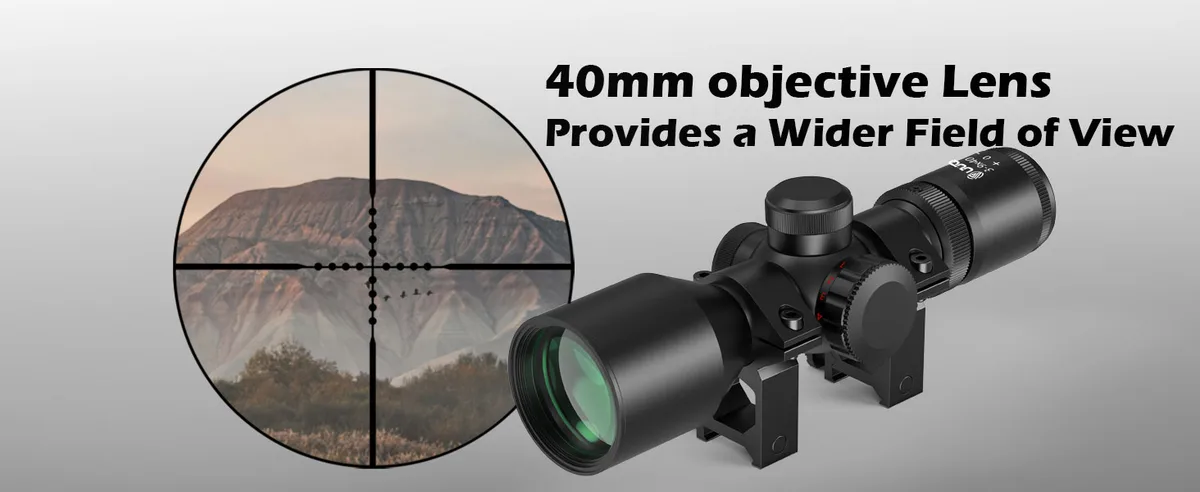
An illuminated reticle is a scope crosshair that can glow independently of ambient light. The system uses either a fiber optic collector or a battery-powered LED to make the reticle visible in dim conditions. It doesn't change how your rifle shoots.
It changes how easily you can see the reticle.
Fiber Optic vs. Battery-Powered LED Illumination
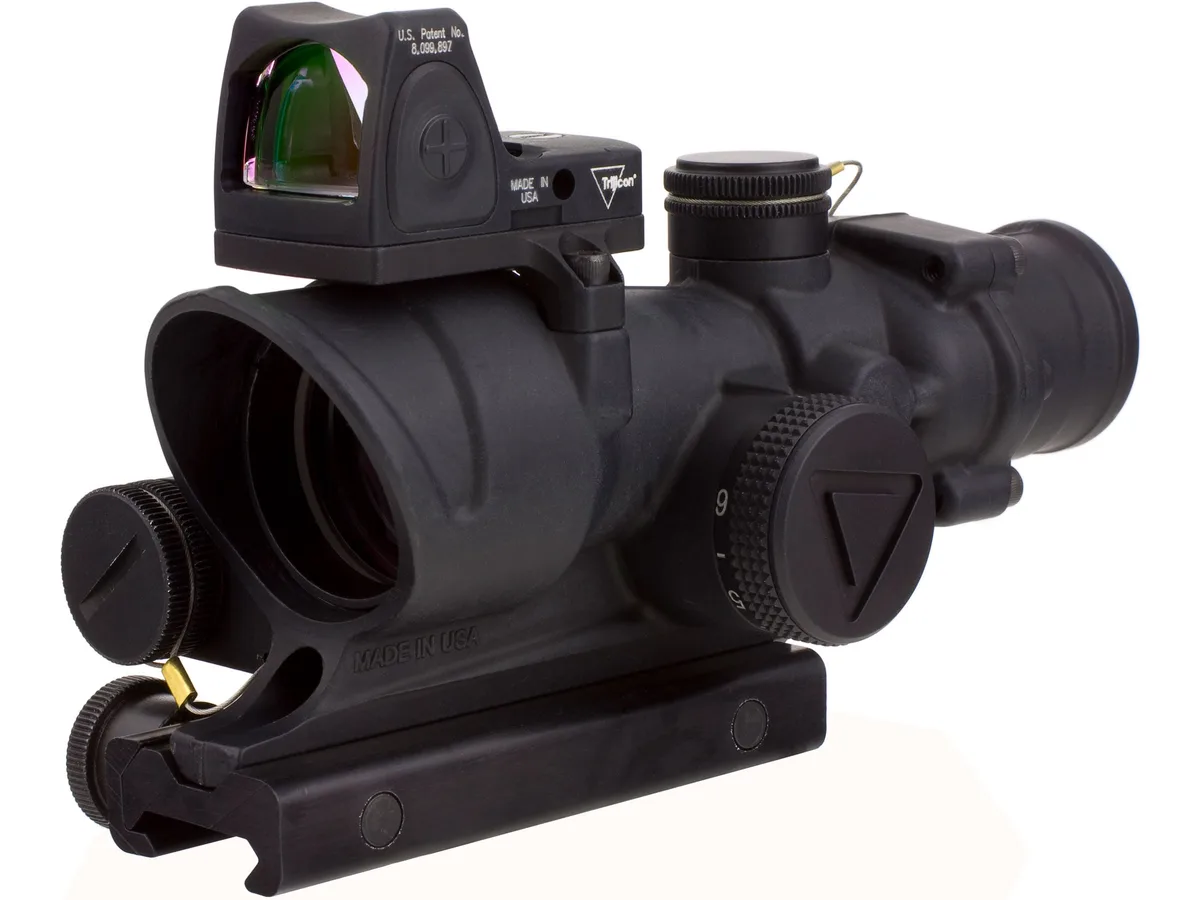
Fiber optic systems are passive. They collect whatever ambient light exists and channel it to the reticle. That means they work during daylight and twilight but go dark when the sun drops below the horizon.
Trijicon ACOG scopes use this approach, sometimes paired with a battery backup for true darkness.
Battery-powered LED systems actively glow. They work in full darkness and let you control brightness with a dial. Most modern hunting scopes from Vortex, Leupold, and Nightforce use this type.
You get more control and more flexibility. The tradeoff is a battery dependency that fiber optic systems avoid entirely.
Red vs. Green Illumination
Red illumination is the industry standard. It's easier to manufacture, costs less, and performs well against most backgrounds. Green illumination is brighter to the human eye at the same power level.
Some shooters find green reticles easier to see against dark timber or brush. The difference is subtle but real.
Full Reticle vs. Center Dot Illumination
Some scopes illuminate the entire crosshair pattern. Others light up only a center dot. Full reticle illumination helps with faster target acquisition.
Center dot illumination draws less battery and causes less eye fatigue in very dark conditions.
Brightness Settings and What They Do
Illuminated scopes typically offer 5 to 11 brightness settings. Lower settings are tuned for true darkness. Higher settings work in overcast daylight or open terrain.
Finding the right level is trial-and-error. Too bright, and the reticle washes out your target. Too dim, and you can't see it.
What Illumination Doesn't Do
An illuminated reticle doesn't improve your glass quality. It doesn't make the scope more mechanically accurate. It doesn't replace good marksmanship fundamentals.
Think of it as a visibility tool, not a performance upgrade.
Illuminated vs. Non-Illuminated: Side-by-Side Comparison
If you're weighing two scopes at the same price point, the one with illumination will often have slightly better optics. Brands build the illuminated reticle as a premium feature and compensate somewhere else. Understanding where that tradeoff lands helps you choose the right scope.
| Feature | Illuminated | Non-Illuminated |
|---|---|---|
| Low-light performance | Superior | Limited |
| Daytime performance | Equal | Equal |
| Price premium | $50 to $200 | Baseline |
| Battery dependency | Yes | None |
| Added weight | 0 to 3 oz | Standard |
| Glass quality at same price | Often slightly lower | Often better |
| Complexity | Higher | Lower |
The numbers tell the story. Illumination wins in low light. Non-illuminated scopes often win on glass quality when you compare them at the same price point.
If your primary shooting happens at noon in open terrain, the non-illuminated option is probably the better buy. You'll get more optical performance for your money. If you regularly shoot in dim conditions, the illumination feature justifies its cost and tradeoffs.
The sweet spot for most hunters is a mid-range illuminated scope with quality glass and a reliable battery system. You get both features without paying premium prices for either one.
Best Use Cases: Where Illuminated Scopes Win and Where They Don't
Illuminated reticles solve a specific problem: visibility in low light. They don't help in every situation. Knowing where illumination shines and where it doesn't saves you money and frustration.
Where Illuminated Scopes Win
Illuminated scopes excel in these real-world scenarios:
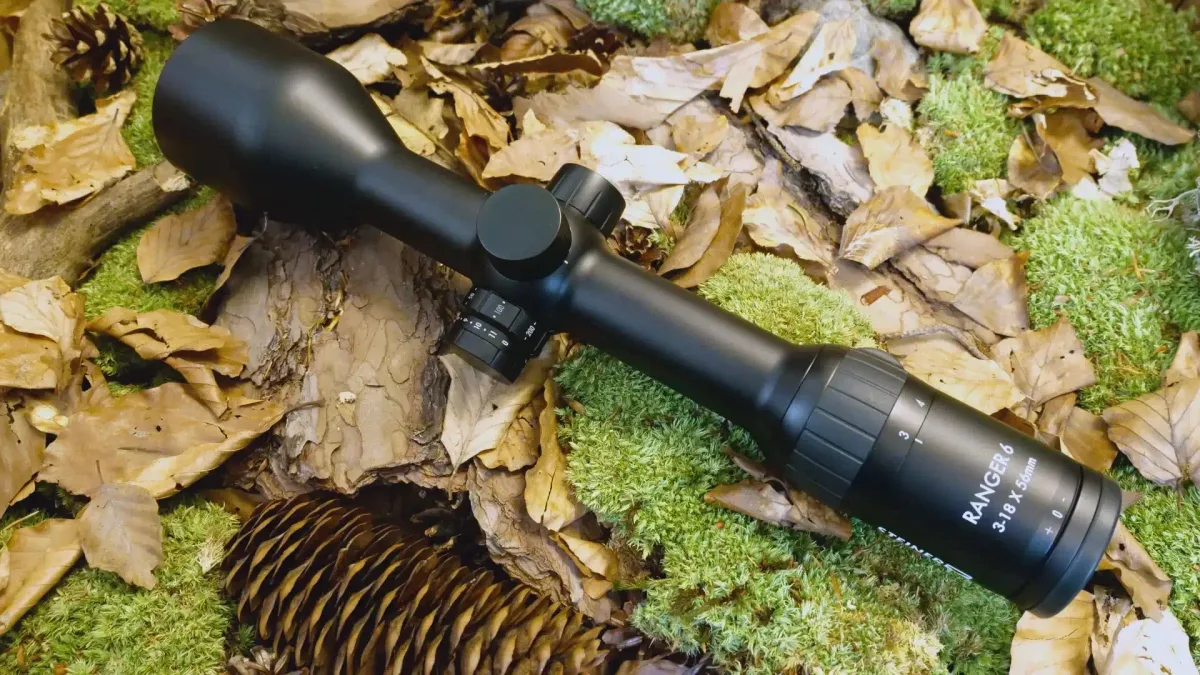
- Low-light hunting. Dawn and dusk are when most game moves. An illuminated reticle lets you find your crosshair fast without squinting.
- Timber and heavy cover. In heavily wooded terrain, light drops fast. Illumination keeps your reticle visible when a non-illuminated crosshair blends into the shadows.
- Predator and night hunting. When you're calling coyotes at last light or running hogs after dark, illumination is essential. Some scopes pair with night vision for full darkness.
- LPVO and CQB setups. Low-power variable optics used for close to medium range benefit from illumination when speed matters more than precision.
- Overcast and cloudy conditions. In the Pacific Northwest or Northern Europe, flat light is common. Illumination helps your reticle stand out against gray, featureless backgrounds.
Where Non-Illuminated Scopes Win
Plain reticles hold their ground in these situations:
- Daytime-only shooting. If you only hunt or target shoot in full sun, illumination adds cost without adding value.
- Open terrain. In plains, deserts, or prairies, ambient light is usually abundant. You'll never need that glow.
- Budget builds. At a given price point, a non-illuminated scope often puts more money into glass quality.
- Long-range precision. When every fraction of an inch matters, optical clarity beats reticle visibility.
If you shoot in any of the "win" scenarios regularly, illumination is worth it. If your shooting happens almost entirely in bright conditions, save your money.
Mistakes Shooters Make When Choosing an Illuminated Scope
Choosing an illuminated scope is straightforward in theory. In practice, a few common errors trip people up. Avoiding these mistakes saves money and ensures you get the scope you actually need.
Paying for Illumination When Glass Quality Matters More
The biggest mistake is assuming illuminated automatically means better. At the same price point, a non-illuminated scope with excellent glass often outperforms an illuminated scope with mediocre optics. Always compare glass quality first, then add illumination.
Ignoring Battery Type and Replacement Logistics
Not all illuminated scopes use the same batteries. CR2032 cells are common and widely available. Some premium scopes use CR123A or AAA batteries.
If you hunt in remote areas, confirm you can source replacements easily. A dead battery in the field with no spare means no illumination.
Brightness Settings That Wash Out in Daylight
Many new shooters crank the brightness to maximum, even in daylight. This washes out the target and wastes battery life. Learn to dial the brightness down for bright conditions and up only when light drops.
Choosing a Budget Illuminated Scope Over a Premium Non-Illuminated One
Budget illuminated scopes cut corners on glass, turrets, and housing to pay for the illumination feature. A premium non-illuminated scope at the same price delivers better shooting performance in nearly every condition except low light.
Overlooking Auto-Off Features
Scopes with motion-activated illumination conserve battery automatically. Models without this feature require manual on and off. Over time, forgetting to turn off the illumination drains your battery and leaves you dark when you need the glow.