Are you curious about saving money and gaining control over your shooting supplies? Reloading 9mm ammo at home might be the answer you’ve been looking for.
But is it really possible, safe, and worth your time? You’ll discover everything you need to know before trying it yourself. From the basics to the must-have tools, we’ll guide you step-by-step so you can make an informed decision. Keep reading to unlock the secrets of home reloading and see if it’s the right fit for you.

Basics Of 9mm Reloading
Reloading 9mm ammo at home lets you save money and customize your rounds. It involves assembling components to create functional cartridges. This process requires care and attention to detail for safety and performance.
Understanding the basics helps beginners start reloading with confidence. Learning about the tools, equipment, and parts is essential before trying it yourself.
What You Need To Start
Start with a clean, organized workspace. You need a reloading press to assemble the ammo. A scale to measure powder is important for accuracy. Safety glasses protect your eyes during the process. Basic tools like case trimmers and primers are also necessary.
Types Of Reloading Equipment
Manual presses are common for beginners. They are simple and affordable. Progressive presses speed up the process but cost more. Case cleaning machines help clean brass before reuse. Powder dispensers control powder measurement precisely.
Components Of 9mm Ammo
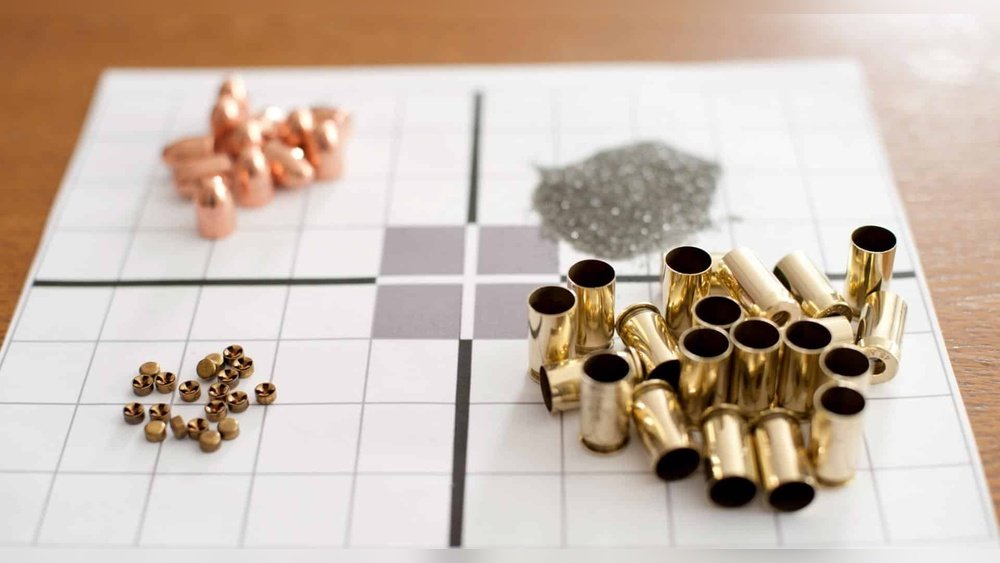
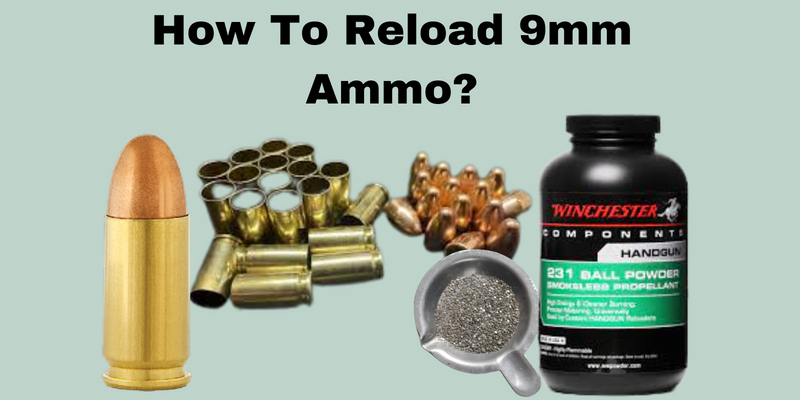
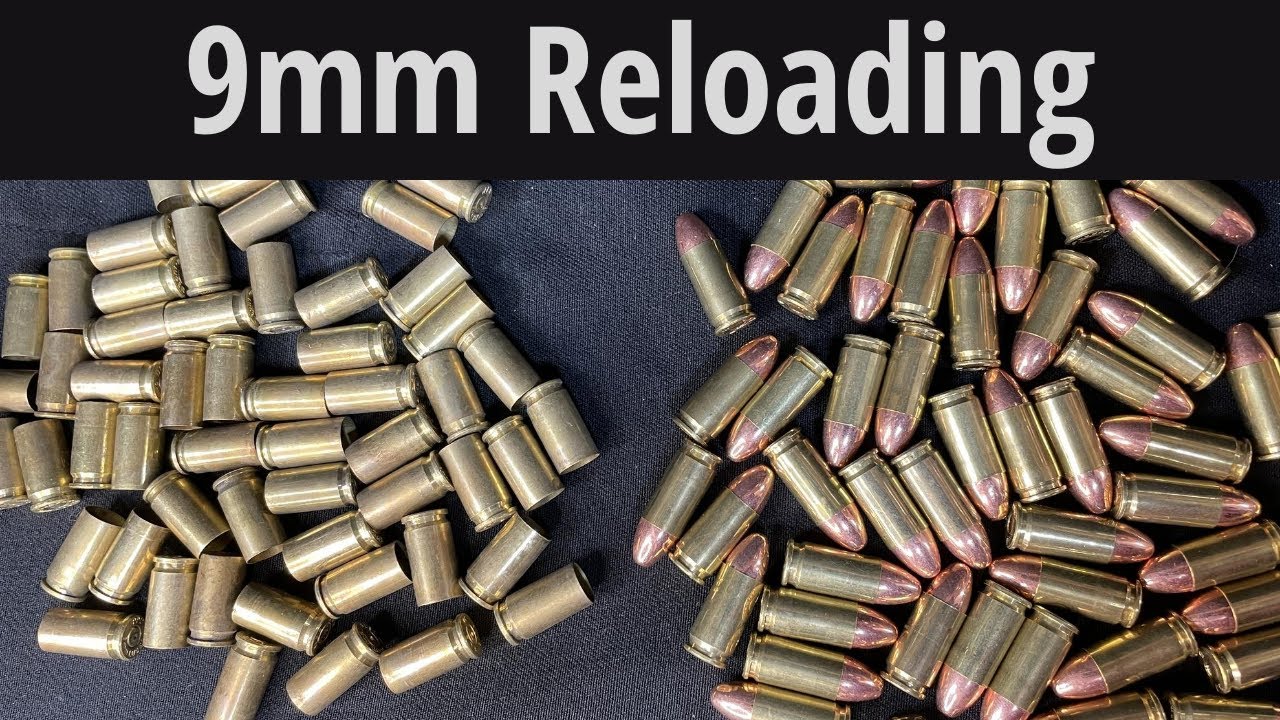
Each 9mm round has four main parts. The case holds all parts together. The primer ignites the powder. Powder provides the energy for the bullet. The bullet is the projectile that leaves the barrel.
Using quality components ensures reliable and safe ammo. Always check each part before reloading.
Step-by-step Reloading Process
Reloading 9mm ammo at home involves several careful steps. Each step ensures the ammo is safe and works well. Following the process closely helps avoid mistakes and produces good quality rounds. Below is a clear guide to the key stages in reloading 9mm cartridges.
Cleaning And Inspecting Cases
Start by cleaning used cases to remove dirt and residue. Use a tumbler or cleaning solution to get them shiny. After cleaning, check each case for cracks or damage. Only use cases that look strong and smooth. Bad cases can cause dangerous problems.
Resizing And Depriming
Use a resizing die to return cases to the right shape. This step makes sure the case fits the gun chamber. At the same time, the old primer is pushed out. Removing the old primer is important for safety. Proper resizing helps the ammo feed correctly.
Priming The Cases
Insert new primers into the cleaned and resized cases. Use a priming tool or press to seat primers firmly. Make sure primers are seated straight and flush with the case base. Proper priming is key to reliable ignition of the powder charge.
Adding Powder Charges
Measure the powder charge carefully for each cartridge. Use a reliable scale or powder measure for accuracy. Pour the right amount of powder into each case. Too much or too little powder can cause damage or poor performance. Double-check every charge.
Seating The Bullets
Place a bullet on each case mouth after adding powder. Use a seating die to push the bullet to the correct depth. The bullet should be straight and secure. Proper seating ensures the round fits the magazine and chamber well.
Crimping The Cartridge
Apply a crimp to hold the bullet firmly in place. Use a crimping die to slightly pinch the case around the bullet. Crimping prevents the bullet from moving during handling or shooting. It also helps consistent pressure and accuracy.
Safety Precautions
Reloading 9mm ammo at home requires careful attention to safety. Small errors can cause serious accidents. Following strict safety rules helps prevent injuries and damage. Always treat every step with respect and care. This section explains key safety precautions for reloading ammo safely.
Handling Primers And Powder Safely
Primers and gunpowder are very sensitive materials. Store them in cool, dry places away from heat and sparks. Handle primers gently; avoid dropping or striking them. Use only the recommended type and amount of powder for each load. Keep powder containers closed tightly to avoid spills. Never smoke or have open flames near powder or primers.
Proper Workspace Setup
Choose a clean, well-lit area for reloading. Work on a sturdy table with a non-flammable surface. Keep your workspace organized and free of clutter. Store all materials in labeled containers. Have a fire extinguisher nearby, just in case. Good ventilation is important to avoid inhaling dust or fumes. Avoid distractions while working to stay focused.
Avoiding Common Mistakes
Double-check all measurements before loading each cartridge. Use a reliable scale and measuring tools. Never mix powders or primers from different manufacturers. Avoid using damaged or old components. Do not rush the process; take your time. Inspect each round carefully for defects. Keep a log of your loads for future reference and safety.
Choosing The Right Components
Choosing the right components is key to safely reloading 9mm ammo at home. Each part affects the bullet’s performance and your gun’s safety. Using proper components ensures good accuracy and prevents damage.
Selecting Bullets And Powder
Pick bullets designed for 9mm rounds. They come in various weights and styles. Choose a bullet weight that suits your shooting needs. Use powder that matches the bullet and case size. Check powder burn rate and load data carefully. Avoid guessing or mixing powders.
Matching Primers And Cases
Use primers made for 9mm cartridges. Small pistol primers fit most 9mm reloads. Cases must be in good condition with no cracks. Brass cases are best for reloading. Steel cases are often not reloadable. Always inspect and clean cases before reuse.
Quality Control Tips
Measure powder charges precisely for every round. Use a reliable scale or powder measure. Check bullet seating depth for consistency. Inspect each round for defects or damage. Keep records of your loads and results. Safety and accuracy depend on careful checks.
Testing And Storage
Testing and storing 9mm ammo at home is very important. It keeps you safe and makes sure your reloads work well. After reloading, checking each round can prevent problems. Storing ammo right helps it last longer and stay reliable. Knowing when to throw out old ammo stops accidents and misfires.
Inspecting Reloaded Ammo
Look closely at each round before use. Check the case for cracks, dents, or signs of damage. Make sure the primer is seated evenly and not loose. The bullet should sit straight and not wobble. Measure the overall length to keep it consistent. Any ammo that looks off should not be used.
Safe Storage Practices
Store your reloads in a cool, dry place. Avoid areas with high humidity or temperature changes. Use sealed containers to keep out moisture and dust. Keep ammo away from direct sunlight and heat sources. Label your boxes with the load details and date made. Store ammo out of reach of children and pets.
When To Discard Reloads
Throw away reloads if cases are cracked or heavily dented. Discard rounds with loose or missing primers. Ammo that shows signs of corrosion or rust must be removed. If powder looks unusual or clumped, do not use it. Any ammo that fails testing or causes malfunctions should be discarded immediately.
Legal Considerations
Reloading 9mm ammo at home involves more than just tools and skills. Legal rules play a big role. Understanding these rules helps keep you safe and out of trouble. Laws about reloading vary by place. Knowing the law is the first step to reloading safely and legally.
Reloading Laws And Regulations
Many places have laws that control ammo reloading. Some states or countries allow it with limits. Others may ban it completely. Laws can cover what materials you can use. They also regulate how much powder you can handle. Following these laws avoids fines and legal issues. Always check local laws before starting to reload.
Licensing And Restrictions
Some areas require a special license to reload ammo. This license shows you meet safety and legal standards. Without it, reloading can be illegal. Restrictions may include age limits and storage rules. You might need to register your equipment. Breaking these rules can lead to serious penalties. Always verify if you need a license before reloading at home.
Common Challenges And Solutions
Reloading 9mm ammo at home has its challenges. Many beginners face common problems during the process. Understanding these issues helps improve safety and efficiency. Below are frequent challenges and practical solutions to fix them.
Dealing With Misfires
Misfires happen when the primer does not ignite the powder. This can cause the gun not to fire. Causes include faulty primers or poor seating. Check primers before use. Use quality primers to reduce misfires. Make sure the primer is seated correctly and fully. Avoid using old or damaged primers. Proper cleaning of the case helps primer seating. If misfires continue, review your reloading steps carefully.
Fixing Seating Issues
Seating problems occur when bullets are not set properly. This causes feeding issues or poor accuracy. Measure bullet seating depth with a caliper. Adjust the seating die to set the correct depth. Make sure the bullet sits straight in the case. Avoid forcing the bullet into the case. Use consistent pressure during seating. Inspect each round before loading into the magazine. Correct seating improves reliability and performance.
Troubleshooting Pressure Problems
Incorrect pressure can cause dangerous situations. High pressure may damage your gun. Low pressure can cause jams or poor velocity. Use a reliable reloading manual for powder charges. Never exceed recommended loads. Weigh powder charges accurately with a scale. Check for powder type and grain weight match. Inspect cases for signs of pressure like bulging. Always start with lower powder charges and work up slowly.
Frequently Asked Questions
Can You Safely Reload 9mm Ammo At Home?
Yes, you can safely reload 9mm ammo at home if you follow proper safety guidelines. Use quality equipment and follow reliable reloading manuals to avoid accidents and ensure consistent performance.
What Equipment Is Needed To Reload 9mm Ammunition?
Reloading 9mm ammo requires a reloading press, dies, powder scale, primers, bullets, and powder. Having a good workspace and safety gear is also essential for safe reloading.
Is Reloading 9mm Ammo Cost-effective?
Reloading 9mm ammo can save money over time, especially if you shoot frequently. Initial equipment costs are high, but per-round expenses are lower compared to buying factory ammo.
How Do You Ensure Quality When Reloading 9mm Ammo?
To ensure quality, use precise measurements, clean brass, and quality components. Follow published load data and inspect each round for defects before use.
Conclusion
Reloading 9mm ammo at home can save money and provide control over your supplies. It needs careful work and safety at every step. Using the right tools and following clear instructions is key. Mistakes can cause serious harm, so take time to learn well.
Many enjoy reloading as a hobby, but it is not for everyone. Think about your skills and needs before starting this task. Stay safe, stay informed, and make smart choices.