If you own 9mm ammo, you know how important it is to keep it safe and secure. But do you know the best way to store it in your gun safe?
Storing your ammo properly isn’t just about organization—it’s about protecting your investment, ensuring your safety, and keeping your ammo in perfect condition for when you need it most. You’ll discover simple, effective tips that make storing 9mm ammo easy and worry-free.
Ready to learn how to keep your ammo safe and ready? Let’s dive in.
Choosing The Right Gun Safe
Choosing the right gun safe is crucial for storing 9mm ammo safely. A good safe protects your ammo from theft, fire, and moisture. It also keeps your collection organized and easy to access. The right safe depends on your needs, space, and budget.
Size And Capacity Considerations
Choose a safe that fits your ammo and guns comfortably. Think about how much 9mm ammo you have now. Consider future purchases too. A safe too small will cause clutter. One too large wastes space and money. Plan for at least 20% extra room.
Fire And Water Resistance
Fire can destroy your ammo quickly. Pick a safe with fire resistance rating. Look for safes that protect for at least 30 minutes at high temperatures. Water damage also harms ammo. Choose a safe that seals tightly against water and humidity. A dry interior extends ammo life.
Locking Mechanisms
Security is vital. A strong lock keeps your ammo safe from unauthorized access. Common locks include electronic keypads, combination dials, and biometric scanners. Electronic locks open fast and are easy to use. Mechanical locks need no batteries and last long. Biometric locks add extra security by using fingerprints. Choose a lock that fits your comfort and security needs.
Preparing Ammo For Storage
Preparing 9mm ammo for storage is important to keep it safe and ready to use. Proper preparation helps protect the ammo from damage and keeps it organized. It also makes sure your ammo lasts longer.
Cleaning And Inspection
Start by cleaning your ammo gently with a dry cloth. Remove any dirt, dust, or moisture. Check each round carefully for damage like dents or corrosion. Do not store damaged ammo. Clean and inspect every piece before putting it away.
Using Ammo Containers
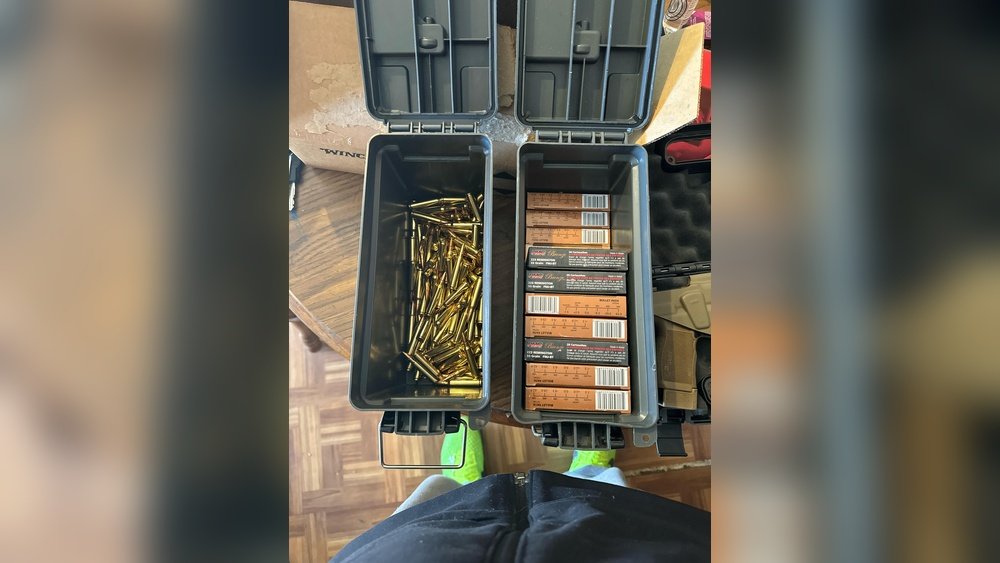
Use sturdy ammo containers to store your 9mm rounds. Plastic or metal boxes work well. These containers protect ammo from moisture and physical damage. Keep the containers sealed tight to prevent air and dust from entering. Proper containers help keep your ammo in good condition.
Labeling And Organization
Label each container with ammo type and date of purchase. Clear labels help you find ammo quickly. Organize containers by caliber, brand, or date. This system saves time and reduces confusion. Good organization keeps your gun safe neat and efficient.
Optimal Storage Conditions
Storing 9mm ammo properly keeps it safe and ready to use. Optimal storage conditions help protect the bullets and gunpowder. The right environment stops damage and ensures long shelf life. Pay attention to temperature, humidity, and physical safety inside the gun safe.
Temperature And Humidity Control
Keep your gun safe in a cool, dry place. High temperatures can weaken the ammo’s powder and primer. Avoid places with heat over 80°F (27°C). Humidity causes moisture to build up inside the safe. Moisture can ruin the metal parts and powder inside the cartridges. Use a dehumidifier or moisture-absorbing packets to control dampness. A stable environment keeps ammo reliable for years.
Avoiding Corrosion
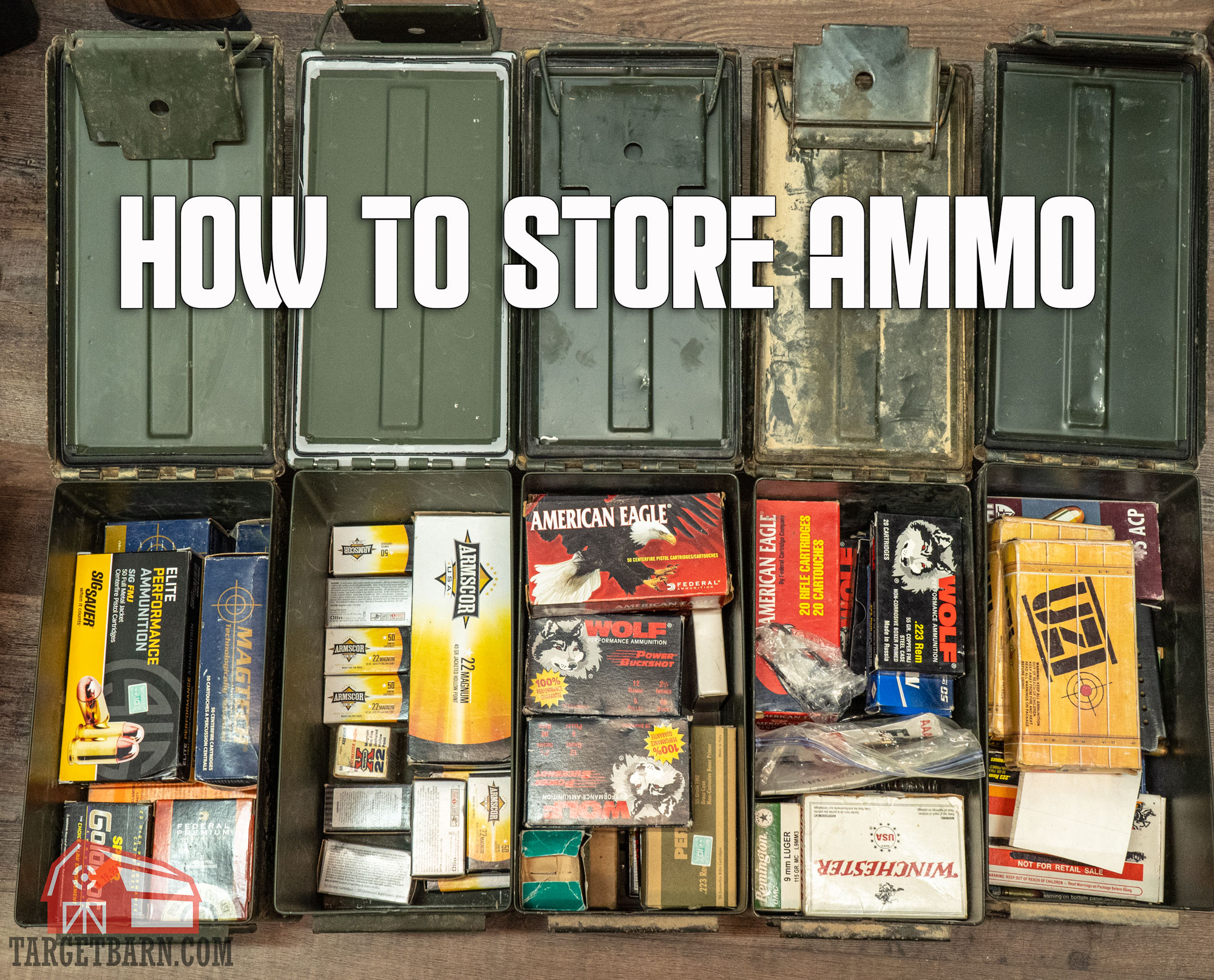
Corrosion damages the bullet casing and firing mechanism. It happens when metal meets moisture and air. Store ammo in sealed containers or ammo cans inside the safe. Use silica gel packs to absorb water vapor. Check ammo regularly for any signs of rust or discoloration. Clean the safe and ammo storage area often to reduce dust and dirt. Preventing corrosion keeps ammo safe and effective.
Preventing Impact Damage
Ammo can be damaged by dropping or rough handling. Store bullets in original packaging or sturdy boxes to protect them. Avoid stacking heavy items on top of ammo boxes. Use foam liners or padding inside the safe to cushion ammo. Keep ammo away from loose objects that could hit it. Proper packing reduces dents, cracks, and other damage. Safe storage ensures your ammo performs well when needed.
Safe Placement Inside The Safe
Storing 9mm ammo inside a gun safe requires careful thought. Proper placement helps keep ammo safe, dry, and ready for use. It also makes it easy to find and protects your firearms. Organize ammo well to avoid damage and confusion. Follow these tips for safe placement inside your gun safe.
Using Ammo Racks And Trays
Ammo racks and trays keep bullets neat and secure. They stop cartridges from rolling or banging together. Use racks designed for 9mm ammo to fit boxes or loose rounds. Trays with dividers help separate different types or brands. This organization prevents damage and speeds up your reload time. Plastic or metal racks work well inside gun safes.
Separating Ammo From Firearms
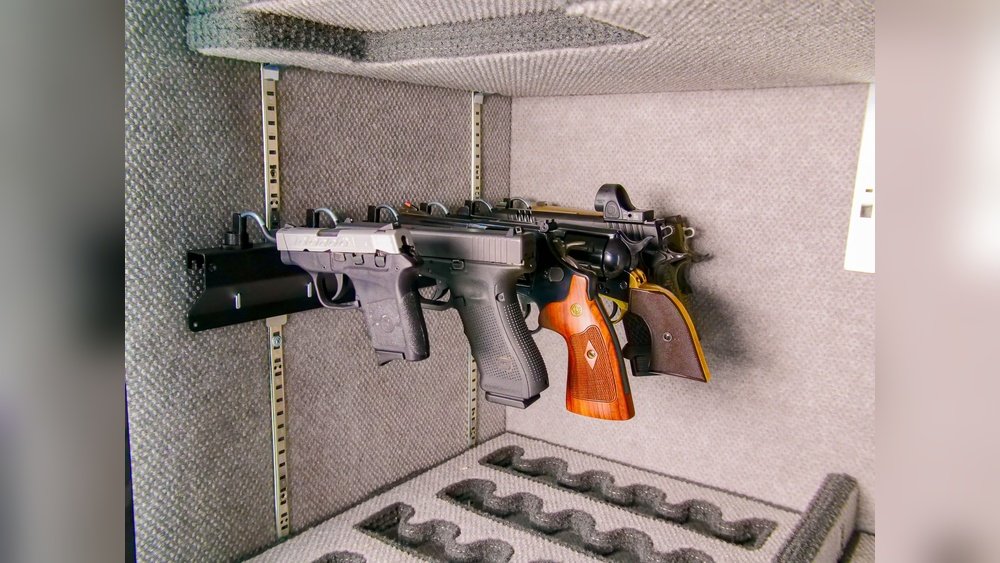
Store ammo separately from guns inside the safe. Use different shelves or compartments. This reduces the chance of accidental loading or damage. Separation also helps keep your safe more organized. Keep ammo in sealed containers or bags to protect it from moisture. Proper separation improves safety and makes your safe easier to manage.
Accessibility And Security
Place ammo where you can reach it quickly but safely. Avoid stacking ammo behind or under heavy items. Keep it at eye level or on a lower shelf. This ensures fast access in emergencies. Lock ammo containers or use safe compartments with extra security. Protecting your ammo prevents theft and misuse. A well-planned layout balances access with safety.
Regular Maintenance And Checks
Regular maintenance and checks are essential for storing 9mm ammo safely. Proper care helps keep your ammunition in good condition. It also ensures your gun safe stays secure and organized.
Neglecting these tasks may lead to rust, damage, or misfires. Simple routines can prevent many problems and extend ammo life.
Routine Inspection Schedule
Check your 9mm ammo at least once every three months. Look for signs of corrosion, dents, or discoloration. Remove any ammo that shows damage. Inspect the gun safe’s interior for moisture or dust. Use a moisture absorber to keep humidity low. Document your inspections to track ammo condition over time.
Replenishing And Rotating Ammo
Use older ammo first to maintain freshness. Add new ammo at the back of the storage. Rotate stock regularly to avoid long-term storage. Keep track of purchase dates for each batch. Replace any ammo that exceeds its shelf life. This practice reduces the risk of using faulty rounds.
Safe Cleaning Tips
Clean your gun safe every six months to prevent dirt buildup. Use a soft cloth and mild cleaner. Avoid harsh chemicals that can damage metal parts. Wipe down shelves and corners carefully. Check door seals and hinges for wear. Proper cleaning keeps your safe functioning well and protects your ammo.
Legal And Safety Considerations
Storing 9mm ammo safely requires attention to legal rules and safety steps. Proper storage keeps your ammo secure and prevents accidents. Understanding laws and safety tips helps protect your family and property.
Local Storage Laws
Every place has different rules about ammo storage. Some states require locked containers or safes. Others limit how much ammo you can keep at home. Check your local laws before storing ammo. Following laws avoids fines and legal trouble.
Child Safety Measures
Keep ammo out of children’s reach at all times. Use gun safes with strong locks or digital codes. Teach children that guns and ammo are not toys. Store ammo separately from firearms for extra safety. These steps reduce the risk of accidents.
Emergency Preparedness
Store ammo where you can access it quickly in emergencies. Avoid places prone to water damage or extreme heat. Keep a small supply ready, but not too much to cause danger. Regularly check ammo condition and safe locks. Preparedness means safety and peace of mind.

Frequently Asked Questions
How Should 9mm Ammo Be Stored In A Gun Safe?
Store 9mm ammo in airtight containers to prevent moisture damage. Place them inside a cool, dry gun safe away from direct sunlight. Organize ammo by type and date for easy access and rotation.
Can I Store 9mm Ammo With Firearms In The Safe?
Yes, storing 9mm ammo with firearms is safe if organized properly. Keep ammo in sealed containers or boxes to avoid corrosion. Separate ammo from guns to reduce risk and improve safety.
What Is The Best Container For 9mm Ammo Storage?
Use airtight plastic or metal ammo cans with rubber seals. These containers protect ammo from humidity, dust, and pests. Label each container for quick identification and inventory management.
How Often Should 9mm Ammo Be Rotated In Storage?
Rotate stored ammo every 1-2 years to maintain reliability. Use older ammo first and replace it with fresh stock. Proper rotation ensures optimal performance and safety during use.
Conclusion
Storing 9mm ammo in a gun safe keeps it safe and dry. Use airtight containers to stop moisture damage. Keep ammo away from heat and direct sunlight. Organize your ammo for easy access and inventory. Check your ammo regularly to ensure it stays in good shape.
A well-maintained gun safe protects both your ammo and your home. Safe storage means peace of mind for every gun owner. Simple steps make a big difference in ammo care. Keep safety first and your ammo ready when needed.