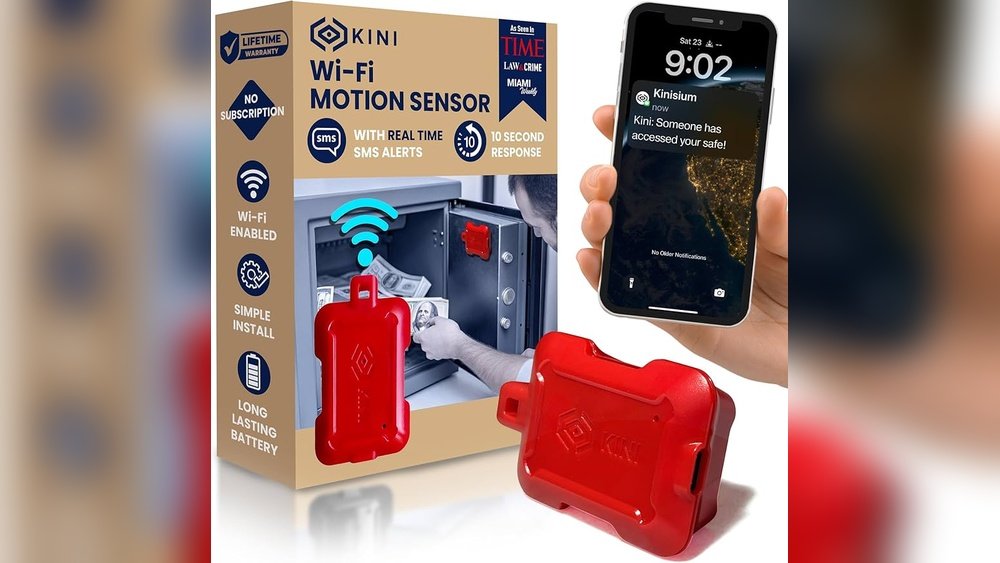
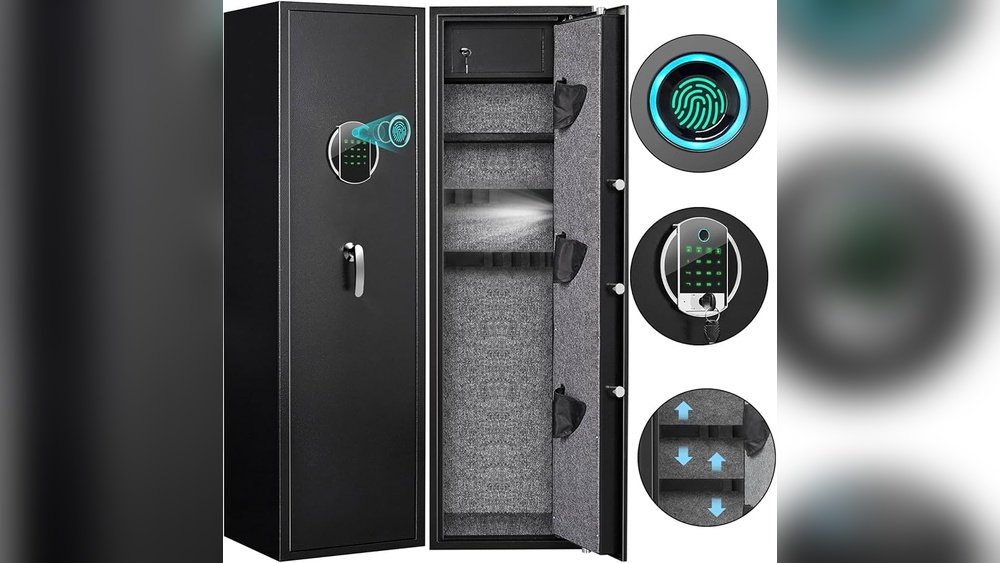
Have you ever wondered if your furry friend could accidentally set off the vibration sensors on your rifle safe? If you own a pet and a secure safe, this question might be on your mind more than you realize.
You want to keep your firearms protected, but you also don’t want constant false alarms disrupting your peace. You’ll discover how pets can affect your rifle safe’s vibration sensors and what you can do to prevent unwanted triggers. Keep reading to find out how to keep both your weapons and your pets safe without any unexpected surprises.
How Vibration Sensors Work
Vibration sensors in rifle safes detect movement or shaking around the safe. They act as alarms to alert owners about possible tampering or forced entry. These sensors work by sensing vibrations through sensitive components inside the safe. Once a vibration crosses a set threshold, the alarm sounds. This helps keep firearms secure from theft or unauthorized access.
Types Of Vibration Sensors
There are several types of vibration sensors used in rifle safes. Piezoelectric sensors generate an electric charge when shaken or bent. Accelerometers measure the speed of movement in different directions. Magnetic sensors detect changes in magnetic fields caused by vibrations. Each type has unique strengths for sensing different vibration patterns. Safe manufacturers choose sensors based on sensitivity and reliability.
Sensitivity Levels Explained
Sensitivity levels define how strong a vibration must be to trigger the alarm. High sensitivity means even small shakes will set off the alert. Low sensitivity ignores minor vibrations to avoid false alarms. Sensitivity settings often vary by safe model and user preference. Some safes let owners adjust sensitivity to fit their environment. Proper sensitivity prevents pets or minor bumps from causing false alarms.

Common Triggers For Vibration Sensors
Vibration sensors on rifle safes are sensitive devices designed to detect movement or tampering. These sensors help protect valuable firearms by alerting owners to potential threats. Understanding the common triggers for vibration sensors can help prevent false alarms. Various factors in the environment and human actions can activate these sensors unexpectedly.
Environmental Factors
Strong winds can shake the safe slightly, causing the sensor to trigger. Nearby construction or heavy traffic may create vibrations felt by the safe. Even loud noises like thunder or heavy footsteps can cause enough movement. Temperature changes can make the safe expand or contract, leading to sensor activation. Pets moving close to or bumping the safe might also cause minor vibrations.
Human Interaction
Opening or closing the safe can trigger the vibration sensor if it is active. Leaning on or tapping the safe might cause it to react. Dropping heavy objects near the safe creates vibrations the sensor can detect. Cleaning or moving the safe without disabling the sensor may set off alarms. Accidental bumps from people passing by also trigger the sensor sometimes.
Pets And Vibration Sensors
Pets bring joy and comfort to our homes. They also move around a lot. This movement can sometimes affect sensitive devices like vibration sensors on rifle safes. Understanding how pets interact with these sensors helps prevent false alarms and keeps your safe secure.
Can Pets Cause False Alarms?
Yes, pets can cause false alarms on vibration sensors. These sensors detect small movements and vibrations. A pet jumping near or on the safe can trigger the sensor. Even a light tap from a tail or paw might set off an alarm. Sensors with high sensitivity are more likely to react to pet movements.
Pet Movements That Affect Sensors
Common pet actions can affect vibration sensors. Running, scratching, or climbing near the safe causes vibrations. Cats jumping on furniture close to the safe can also trigger it. Dogs wagging their tails or bumping into the safe may cause false alerts. Positioning the safe away from pet activity helps reduce these triggers.

Factors Influencing Sensor Activation By Pets
Vibration sensors on rifle safes detect movements and vibrations around the safe. Pets can sometimes trigger these sensors, but several factors influence this activation. Understanding these factors helps in reducing false alarms and keeping your safe secure.
Sensor Placement And Calibration
Where the sensor sits on the safe affects its sensitivity. Sensors placed near areas that vibrate more easily are more likely to react to pet movements. Proper calibration is essential. Setting the sensor sensitivity too high may cause frequent false alarms. Lowering sensitivity helps ignore small vibrations from pets. Finding the right balance prevents unnecessary alerts while maintaining security.
Pet Size And Activity Level
Large pets create stronger vibrations than small ones. Active pets that jump or run near the safe cause more movement. Quiet or small pets rarely trigger sensors. Even a small pet can set off a sensor if it scratches or bumps the safe. Knowing your pet’s size and behavior helps adjust sensor settings properly.
Preventing False Alarms From Pets
Pets bring joy and comfort to our homes. Sometimes, they move in ways that trigger vibration sensors on rifle safes. These false alarms can be annoying and disrupt your peace. Preventing these false alarms helps keep your safe secure and your home quiet.
Adjusting Sensor Sensitivity
Most rifle safes have sensors you can adjust. Lower the sensitivity to avoid small vibrations caused by pets. Test different settings to find the right balance. Too low might miss real threats. Too high will cause frequent false alarms.
Safe Placement Tips
Place your safe on a solid, stable surface away from pet traffic. Avoid areas where pets jump or play nearby. Keep it away from floors that transmit vibrations easily. Using a rubber mat under the safe can reduce false triggers. Position your safe in a quiet corner for less disturbance.

Real-life Incidents And Case Studies
Vibration sensors in rifle safes help detect unauthorized access. These sensors react to movements or shakes around the safe. Pets, especially active ones, can cause these sensors to trigger accidentally. Understanding real-life cases shows how often this happens and what can be done to avoid false alarms.
Reported Cases Of Pet-triggered Alarms
Many gun owners have shared stories about their pets setting off vibration sensors. A dog jumping near the safe caused a false alarm in one case. In another, a cat climbing on the furniture next to the safe triggered the sensor. These incidents show how sensitive vibration sensors can be to pet movements. Small vibrations, like a pet walking or scratching, may activate the alarm.
Lessons Learned
These real cases teach important lessons for safe owners with pets. Placing the safe away from pet activity zones can reduce false alarms. Adjusting the sensor sensitivity helps avoid reactions to minor vibrations. Some owners add extra padding around the safe to absorb shakes. Regularly checking sensor settings ensures they work correctly without false triggers. Taking these steps keeps the safe secure and the alarm reliable.
Choosing The Right Rifle Safe For Pet Owners
Choosing the right rifle safe for pet owners requires careful thought. Pets can move around and cause vibrations that may trigger sensitive sensors. A safe designed with pets in mind can prevent false alarms and keep your firearms secure.
Picking a safe that balances security and pet-friendly features helps avoid stress for both you and your pets. It also ensures that your rifles stay protected without constant alerts.
Features To Look For
Look for vibration sensors that allow sensitivity adjustment. This feature helps reduce false alarms from pet movements.
Choose safes with solid steel construction for strong protection. Thick walls and doors resist tampering well.
Opt for safes with reliable locking systems. Electronic locks with backup keys work best.
Consider safes with quiet operation. This avoids disturbing your pets with loud noises.
Good interior padding protects rifles from scratches caused by sudden movements.
Recommended Models
Fort Knox Defender series offers adjustable vibration sensors and strong steel build.
Stack-On Elite safes provide solid locking and quiet operation at a good price.
Browning ProSteel safes include thick steel and soft interior linings.
Liberty Safe’s models feature customizable alarm settings to avoid pet-triggered alerts.
SnapSafe Titan series combines heavy-duty steel with reliable electronic locks.
Frequently Asked Questions
Can Pets Accidentally Set Off Rifle Safe Vibration Sensors?
Yes, pets can accidentally trigger vibration sensors on rifle safes. Their movements or scratching near the safe might cause vibrations. However, most sensors are designed to detect significant disturbances, reducing false alarms from minor pet activity.
How Sensitive Are Vibration Sensors On Rifle Safes?
Vibration sensors on rifle safes are sensitive enough to detect tampering or forced entry. They usually ignore small vibrations but respond to strong impacts or shaking. Sensitivity levels vary by model, allowing owners to adjust settings to minimize false alarms.
What Types Of Pets Commonly Trigger Safe Vibration Alarms?
Active pets like dogs and cats are most likely to trigger vibration alarms. Their jumping, scratching, or bumping into the safe can cause vibrations. Smaller pets rarely cause disturbances strong enough to activate the sensor.
Can I Adjust Vibration Sensor Sensitivity To Avoid Pet Triggers?
Yes, many rifle safes allow users to adjust vibration sensor sensitivity. Lowering sensitivity helps prevent false alarms caused by pets. Check your safe’s manual to learn how to customize sensor settings effectively.
Conclusion
Pets can sometimes cause vibration sensors to trigger by moving or jumping nearby. These sensors react to small shakes or bumps around the safe. Choosing a safe with adjustable sensitivity helps reduce false alarms. Keep the safe in a quiet, low-traffic area to avoid unnecessary triggers.
Regularly check and adjust the sensor settings to fit your environment. Understanding how vibration sensors work keeps your safe secure and pet-friendly. This way, your firearms stay protected, and your pets stay safe too.