Have you ever wondered if vibration alarms are truly loud enough to stop thieves in their tracks? When it comes to protecting your valuable belongings, you want a security device that not only detects movement but also scares off intruders instantly.
But does a vibration alarm deliver that powerful warning sound, or could it be too quiet to make a difference? Keep reading to discover how these alarms work, what to expect from their sound levels, and whether they can really keep your things safe when it matters most.
This information could change the way you protect your home, car, or personal items.
Vibration Alarms Explained
Vibration alarms are useful tools to protect your property. They detect movement or shaking and alert you to potential theft. These alarms are small but effective. Understanding how they work helps you choose the right one.
How They Work
Vibration alarms sense motion through built-in sensors. These sensors detect vibrations or shocks. When the alarm senses unusual movement, it triggers a loud sound. The noise aims to scare off thieves and alert people nearby.
Most vibration alarms use piezoelectric or accelerometer sensors. These sensors are sensitive to small vibrations. You can adjust the sensitivity level to avoid false alarms from wind or small bumps. This makes them practical for various uses.
Common Types
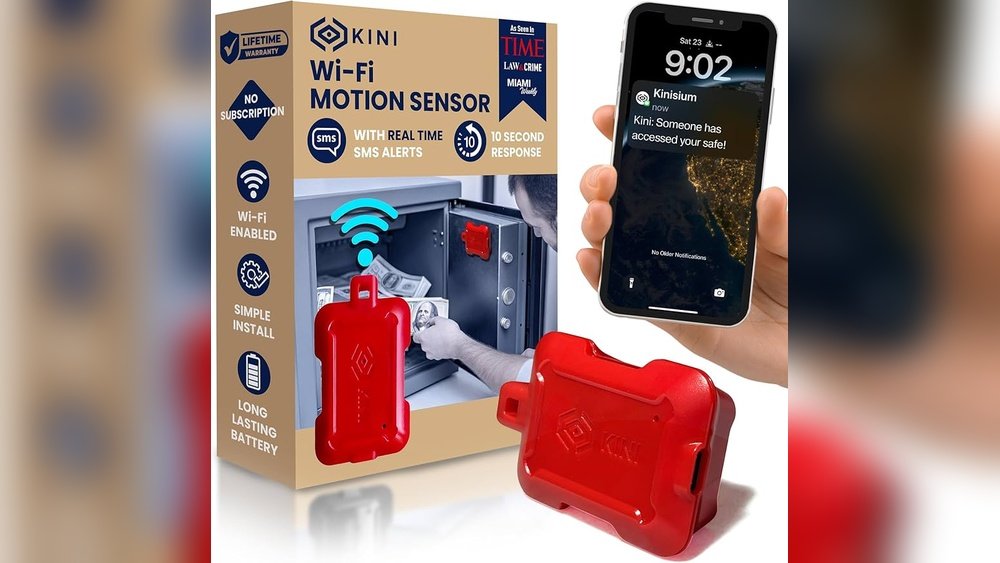
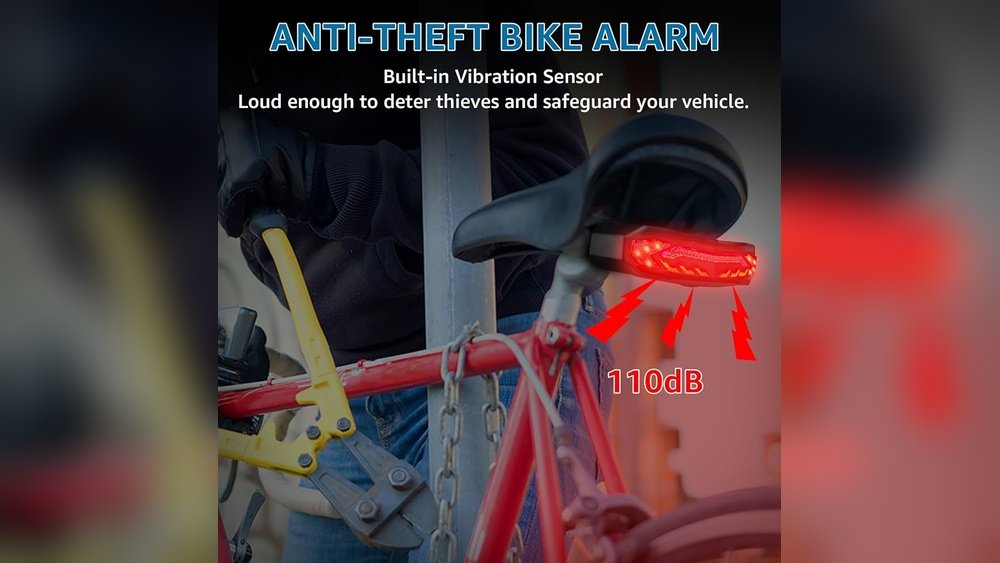
Several types of vibration alarms suit different needs. Some are standalone units with built-in sirens. Others connect to security systems or smartphones for alerts. Portable models fit on bikes, doors, or windows easily.
Some vibration alarms come with added features like flashing lights or GPS tracking. These extras increase their theft deterrent power. Choosing the right type depends on what you want to protect and where.
Sound Levels Compared
Sound plays a big role in how well an alarm stops theft. The loudness of an alarm can scare off thieves quickly. Comparing sound levels helps us see if vibration alarms are strong enough. Let’s explore how loud these alarms really are.
Understanding the decibel levels of different alarms shows their power. This helps choose the right alarm for safety.
Decibel Ratings
Decibels (dB) measure how loud a sound is. Normal talking is about 60 dB. A car horn can reach 110 dB. Most vibration alarms produce sounds between 80 and 100 dB. This is loud enough to catch attention. Some models may be quieter, around 70 dB, which might not scare off thieves well.
Alarms louder than 90 dB can cause discomfort and prompt quick action. Lower decibel alarms risk being ignored or unheard in noisy areas.
Vibration Alarms Vs Traditional Alarms
Traditional alarms often reach 110 dB or more. They create sharp, piercing sounds. This makes them very effective at scaring thieves away fast. Vibration alarms mix sound with shaking effects. The sound alone is usually less loud than traditional alarms.
Vibration helps alert the owner through touch, useful in noisy places. But their sound may not stop a thief without added noise. Traditional alarms rely on sound to warn people nearby and attract attention.
Choosing between the two depends on where and how the alarm is used. Both have strengths, but sound level is key to theft prevention.
Effectiveness In Theft Prevention
Vibration alarms play an important role in theft prevention. They alert owners by detecting movement and sending signals. The loudness of the alarm matters, but other factors affect how well they stop theft. Understanding their effectiveness helps users choose the right security tool.
Real-world Performance
Vibration alarms vary in loudness and sensitivity. Some produce sounds over 100 decibels, enough to attract attention. Many models also flash lights to increase visibility. Their noise can scare away thieves before damage occurs.
Placement is key. Alarms on visible items work better than hidden ones. A loud and clear alarm often leads to quicker responses from people nearby. These alarms work best in busy areas with regular foot traffic.
Criminal Response To Alarms
Thieves rarely want to risk being caught. Loud alarms startle them and interrupt their plans. Most criminals look for easy targets without alarms or obstacles. A vibration alarm can make them move on quickly.
Some experienced thieves might try to disable alarms fast. Still, the noise alerts owners and neighbors in time. The chance of drawing attention alone helps prevent theft. Alarms raise the risk for thieves, reducing theft attempts.

Limitations Of Vibration Alarms
Vibration alarms offer a useful way to protect belongings by detecting movement or shocks. These alarms create noise to warn and scare off potential thieves. Despite their benefits, vibration alarms have some limits that affect their ability to stop theft effectively.
Potential Failures
Vibration alarms sometimes fail to detect small or slow movements. Thieves may handle items carefully to avoid triggering the alarm. Batteries can run out, making the alarm silent and useless. Poor installation or low-quality devices also reduce alarm effectiveness. False alarms may happen due to harmless vibrations, causing users to ignore real threats.
Environmental Factors
Background noise can drown out vibration alarms, especially in busy or loud places. Wind, rain, or heavy traffic may cause false triggers or mask the alarm sound. Some environments reflect or absorb sound, lowering alarm volume. Temperature changes can affect the sensor sensitivity and battery life. These factors make vibration alarms less reliable in certain settings.
Enhancing Alarm Deterrence
Enhancing the effectiveness of vibration alarms is crucial for theft prevention. Alone, these alarms may not always be loud enough to scare off thieves. Combining them with other security tools and correct placement can boost their power. Small changes make a big difference.
Understanding how to improve alarm deterrence helps protect your property better. The goal is to create multiple layers of defense that work together. This strategy increases the chances of stopping theft before it happens.
Combining With Other Security Measures
Pair vibration alarms with cameras or motion sensors. Cameras record suspicious activity, adding proof for police. Motion sensors trigger lights that surprise intruders. These extra steps make your security system stronger.
Using locks and physical barriers adds another layer. A thief faces more challenges and may give up faster. The noise from vibration alarms gains more attention when other devices activate.
Placement And Sensitivity Tips
Place vibration alarms on surfaces thieves are likely to touch. Doors, windows, and valuable items are good spots. Avoid placing alarms where normal vibrations can trigger false alarms.
Adjust sensitivity so alarms respond only to real threats. Too sensitive, and alarms go off unnecessarily. Not sensitive enough, and they might miss a break-in attempt.
Test alarms regularly to ensure they work well. Proper setup maximizes their loudness and alert power. A well-placed alarm is a strong warning signal to thieves.

User Experiences And Reviews
User experiences and reviews offer real insight into vibration alarms’ effectiveness. They reveal how loud these alarms are and if they truly stop theft. Listening to actual users helps understand the product beyond specs and claims.
Some users report clear success with vibration alarms. Others share frustrations. Both sides provide valuable information for anyone considering these devices.
Success Stories
Many users say vibration alarms scared off thieves. The loud noise caught their attention quickly. This sudden sound often made thieves run away. Some users mention alarms working in parked cars and bikes. The alerts gave enough time to call for help. Several owners found peace of mind using these alarms daily. They felt more secure at home and outdoors.
Common Complaints
Some users find the alarm volume too low to deter thieves. In noisy places, the sound may not be heard well. A few complain about false alarms triggered by wind or small movements. Battery life sometimes falls short of expectations. Others mention difficulty in adjusting sensitivity settings. These issues can reduce the device’s effectiveness. Still, many suggest improvements could make the alarms better.
Future Innovations In Alarm Technology
Alarm technology continues to improve. New features aim to make alarms more effective. These advances help stop theft more quickly. They also make alarms easier to use. The future holds many exciting developments for vibration alarms.
Smart Alarms
Smart alarms use sensors and apps to work better. They detect unusual vibrations and send alerts fast. Users can check alarms on their phones anytime. Some smart alarms learn what normal vibrations feel like. This helps reduce false alarms and saves time.
Integration With Security Systems
New alarms connect with cameras and lights for full protection. When vibration alarms trigger, cameras start recording. Lights turn on to scare off thieves. This teamwork makes it harder for thieves to succeed. Integrated systems give users a better chance to stop theft early.

Frequently Asked Questions
Are Vibration Alarms Effective In Deterring Theft?
Vibration alarms can deter theft by alerting owners and bystanders. Their effectiveness depends on volume, sensitivity, and environment. Loud, well-placed alarms increase the chances of scaring off thieves quickly.
How Loud Are Vibration Alarms Compared To Traditional Alarms?
Vibration alarms are generally quieter than traditional sirens. They rely on vibration alerts and moderate sound levels. However, they still produce enough noise to attract attention and warn nearby people.
Can Vibration Alarms Work Without A Loud Siren?
Yes, vibration alarms can work without loud sirens by using strong vibrations and flashing lights. These features alert the owner discreetly while still warning potential thieves.
What Factors Influence The Loudness Of Vibration Alarms?
The loudness depends on the alarm’s design, power source, and speaker quality. Environmental noise and placement also affect how well the alarm is heard by others nearby.
Conclusion
Vibration alarms can be loud enough to scare some thieves away. They create noise that draws attention quickly. Yet, not all alarms are equally strong or clear. Some thieves might ignore weak sounds. Using vibration alarms with other security tools works best.
They add an extra layer of protection. Choosing the right alarm helps keep your property safer. Always test your alarm’s loudness before relying on it. Sound alone may not stop every theft. But it can make a big difference.